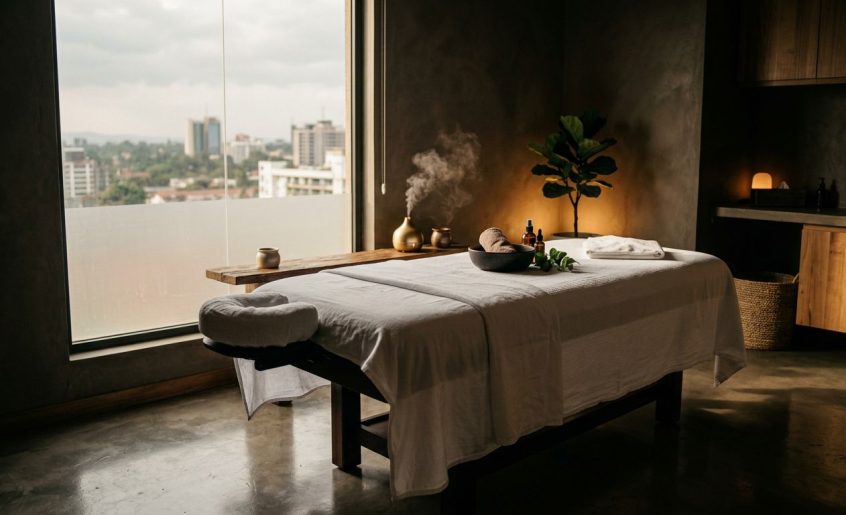
Massage in Nairobi: Benefits, Types, and What to Expect in Your First Session (2026 Guide)

Massage in Nairobi

Massage in Nairobi?Nairobi can wear you down fast. Traffic jams, long work hours, and hours of screen time can leave your neck tight and your head buzzing. Add gym soreness or a weekend of errands, and your body starts asking for a reset.

A massage is hands-on bodywork that helps relax muscles, ease tension, and calm your nervous system. Depending on the style, it can feel gentle and soothing, or firm and focused on stubborn knots. Either way, the goal is simple, help you feel better in your body, and leave lighter than you came in.

This guide breaks it down in plain language. You’ll learn the real benefits people notice most (better sleep, less tightness, easier movement), the popular massage types you can find in Nairobi, and how to pick what fits your mood and budget. You’ll also get a clear walk-through of what happens in a first session, from how to talk about pressure to what to wear and how privacy works.

Finally, we’ll cover basic safety and common sense checks, like when to avoid massage, what to mention before treatment, and how to choose a therapist you can trust. If you’ve been curious but unsure where to start, you’re in the right place.

What massage actually does for your body and mind

A good massage feels simple, hands on skin and muscles, slow pressure, steady rhythm. Under the surface, a lot is happening. Tight muscles start to let go, blood flow improves, and your nervous system gets a clear signal that it can settle down.

That matters in Nairobi life. Long drives, desk work, parenting, training, and stress all stack tension in the same places. Massage can help you feel looser, calmer, and more rested. It can also ease tension headaches for many people, especially when tight neck and jaw muscles play a role.

Still, it helps to be clear about what massage can and cannot do. Massage often reduces symptoms (pain, tightness, stress), but it is not a cure for every condition. If something feels wrong or keeps getting worse, get checked by a clinician. For everyday strain, though, massage is one of the most direct ways to help your body switch gears.

Stress relief that you can feel right away

Stress lives in the body. When you are rushing, stuck in traffic, or juggling deadlines, your system can stay in “fight or flight”. Your shoulders creep up, your jaw clamps, and your breath gets shallow. Massage uses touch and slow pressure to send the opposite message, “You are safe enough to soften.”

As the session starts, many people notice their breathing changes first. It gets deeper without effort. Then the shoulders drop, the forehead smooths out, and the jaw loosens. If you catch yourself swallowing, sighing, or feeling warmth spread through your chest and belly, those are also common signs the body is downshifting into a calmer state.

Expect the relaxation to feel real, not dramatic. Some people feel a quiet, heavy calm, like the volume knob turned down. Others get sleepy, especially if they have been running on low sleep for weeks. That drowsy feeling is normal, and it is often a good sign your nervous system is finally taking a break. If you doze off on the table, you are not doing anything “wrong”.

A therapist can also adjust the pace to match your state. Slower strokes and steady pressure often help anxious bodies settle. On the other hand, if your mind is racing, focusing on your breath while the therapist works can help you stay present. Think of it like guiding a restless child back to calm, gentle repetition works.

Pain and stiffness: when massage helps and when you should be careful

Most people book a massage because something feels tight, sore, or stuck. Common Nairobi complaints are familiar:

  • Neck and shoulder tightness from laptops, phones, and driving
  • Lower back soreness after long sitting or standing days
  • Tight calves from walking, running, or heels
  • Post-gym DOMS (that deep ache 24 to 48 hours after training)

Massage helps here because it loosens guarded muscles and improves local circulation. When a muscle has been tense for days, it can feel like a clenched fist. Skilled pressure, applied slowly, encourages that fist to open. You may also move better afterward because stiffness eases and your body stops bracing.

During the massage, you might feel some discomfort, especially on knots. The key is learning “good pain vs bad pain”. Good pain feels intense but manageable. It stays in one area, and it eases as you breathe. It feels like helpful pressure, not a threat. Bad pain feels sharp, electric, burning, or makes you hold your breath. It can shoot down an arm or leg, or make you want to pull away.

Speaking up matters because pain changes your nervous system. If you grit your teeth, your body tightens to protect itself. That makes the work less effective. Use simple feedback:

  • “That spot is tender, but it’s okay.”
  • “Please reduce the pressure a bit.”
  • “That feels sharp, can you move slightly off it?”

Massage can also help tension headaches for many people, especially when tight traps, neck muscles, and jaw tension contribute. However, headaches that feel new, severe, or unusual need medical attention.

Before you book, keep safety first. See a clinician first if you have any of these red flags:

  • Fever or feeling generally unwell
  • Swelling, redness, or heat in a limb or joint
  • Sudden, severe pain (especially with no clear reason)
  • Numbness, tingling, or weakness that is new or worsening
  • A recent accident or fall, even if you “feel okay”
  • Suspected fracture or severe sprain

When in doubt, get checked. Then you can come back to massage with a clear plan.

Better sleep, better mood, better focus

Poor sleep makes everything harder. Your body feels heavier, your patience gets thin, and even small tasks take more effort. Massage supports sleep in a practical way, it helps your system relax so it is easier to fall asleep and stay asleep. Many people also notice they wake up with less body tension, which can stop that early morning “stiff and irritated” feeling.

Mood shifts can be subtle but meaningful. After a massage, you may feel lighter, less reactive, and more at ease around people. That does not mean problems disappear. It means your body is not carrying the same load of stress signals, so your mind has more room. Focus improves for similar reasons. When your neck and shoulders are not shouting for attention, it is easier to concentrate.

Real-life ways people use massage for mental reset:

A calm evening session before a rest day can help you sleep deeper and wake up ready. A short massage after a stressful week can feel like closing open tabs in your brain. Some people even book during busy work periods to prevent stress from building into headaches and tightness.

If sleep is your main goal, pair your massage with a simple routine that makes the results last:

  1. Hydrate with water afterward, especially if you have been under-sleeping or training hard.
  2. Do a light stretch for the neck, hips, and calves, nothing intense, just enough to keep the body open.
  3. Take a screen break for 30 to 60 minutes before bed, because bright light and scrolling can pull you back into alert mode.

Small choices after the session can turn “relaxed for an hour” into “slept well all night”.

Sports and fitness recovery for Nairobi gym culture

Nairobi fitness culture is active. People hit the gym before work, run on weekends, play football with friends, and cycle when they can. All of that is good for you, but it comes with tight spots. Quads and calves complain after running. Hamstrings and hips tighten after football. Upper back and shoulders get sore after lifting, especially push days and heavy pulls. Lower back fatigue shows up when form slips, or when sitting all day follows training.

Massage fits training in three main ways, depending on timing and pressure. Before a workout, a lighter, faster style can wake up the muscles and increase body awareness. After training, a recovery-focused session uses moderate pressure and slower pacing to reduce tightness and calm the system. During heavy weeks, regular massage can help you manage accumulated stiffness so you keep moving well.

It helps to keep expectations realistic. Massage will not replace good sleep, warm-ups, strength work, or smart programming. What it can do is help your body feel less “stuck” so you train with better range and less background discomfort. It also helps you notice early warning signs, like one calf always feeling tighter than the other.

Frequency depends on your life and your training load. Some active people like a session every few weeks as maintenance. Others book more often during intense blocks, then scale back in lighter weeks. Listen to your body, and treat massage like recovery fuel, not a last-minute fix after you are already in pain.

Massage types you will see in Nairobi, and how to choose the right one

Nairobi has a massage style for almost every mood and body complaint. The trick is matching the style to your goal, not just picking the firmest option. A good massage is not a pain contest. In fact, when pressure crosses your limit, your muscles guard, and results drop.

Before you book, get clear on two things: what you want to feel afterward (sleepy, loose, lighter, less sore), and how much intensity you can handle today. You can always go deeper next time. For first-timers, starting gentle is often the fastest path to real relief because your nervous system learns to relax on the table.

Swedish massage for full-body relaxation

Swedish massage is the classic full-body option, and it suits most people in Nairobi who want to switch off. Expect light to medium pressure, long smooth strokes, gentle kneading, and a steady rhythm. It often feels like someone is ironing out wrinkles from your muscles. Because the pressure stays comfortable, it is beginner-friendly and great when stress is the main issue.

Many people book Swedish massage for simple, everyday reasons. It works well when your body feels generally tight, even if you cannot point to one exact spot. It also fits those weeks when your mind is running hot and your sleep is thin. If you want that “reset” feeling without soreness later, this is usually the safest pick.

Swedish is a strong choice if you want:

  • Less stress in your chest, shoulders, and jaw
  • Relief from general tightness after long sitting or driving
  • Better sleep, especially when you feel wired at night
  • A calm, comfortable first massage experience

If you feel shy about draping, you are not alone. Most quality spas treat draping as part of professionalism, not a big moment. You can make it easier by doing three things. First, tell the therapist you want modest draping and only the area being worked on exposed. Next, keep your underwear on if that feels best (totally normal). Finally, speak up about room temperature and towel coverage early, because comfort helps your muscles soften faster. When you feel safe and covered, your body lets go.

Deep tissue massage for stubborn knots and chronic tightness

Deep tissue massage is for people who feel like tension has moved in and refuses to pay rent. The therapist works slower and uses firmer, more focused pressure to target deeper muscle layers and tight bands. Instead of long, flowing strokes the whole time, you will notice more sustained pressure, careful sinking into a knot, and work along specific lines (like the shoulders, hips, or calves).

Because it is intense, deep tissue is not automatically “better” than Swedish. It is simply more specific. If you have chronic tightness from desk work, heavy training, or old patterns like shoulder hunching, this style can feel like someone finally found the stuck zipper and pulled it down. Still, the best deep work stays within a workable range. You should be able to breathe through it and relax your face.

Set expectations early. During the session, some spots may feel tender or sharp if the pressure is too much. Afterward, next-day soreness can happen, similar to a workout. That is common, especially if you have not had massage in a while. Plan a calmer evening, drink water, and avoid heavy lifting right after if you can.

Very deep pressure is not for everyone. Avoid going too deep (or get medical clearance first) if you:

  • Bruise easily
  • Take blood thinners
  • Have a bleeding disorder
  • Have varicose veins in the area being worked
  • Have recent injuries, inflamed joints, or unexplained pain
  • Are pregnant and the therapist is not trained in prenatal work

Deep tissue only works well in skilled hands. Choose a therapist who checks in, adjusts technique, and listens. Use clear feedback like, “That is a 7 out of 10, please keep it there,” or, “That feels sharp, reduce pressure and move slightly.” Your body is not being “difficult” when you speak up, it is giving the map.

Aromatherapy and herbal options for a calming sensory boost

Aromatherapy massage adds essential oils to the experience, while herbal options may include warm herbal compresses placed and pressed along the body. The goal is not just muscle relief, but also a calming sensory layer through scent and warmth. Think of it like turning down the lights in your nervous system. The hands do the muscle work, while the aroma and heat make it easier to soften.

Essential oils can support relaxation because smell connects strongly to memory and mood. Meanwhile, warmth from a compress often feels like a heated blanket that targets tight areas. Many people in Nairobi like this style after a stressful week because it feels nurturing, not clinical. It is also a nice choice when you want to feel cared for, but you do not want heavy pressure.

Safety matters here, even though it feels gentle. Keep it simple:

  • Allergies and sensitive skin: Ask for a patch test or request a lighter dilution.
  • Asthma or scent sensitivity: Choose mild scents, or skip oils entirely.
  • Pregnancy: Ask for a therapist trained in prenatal massage, and avoid strong oils unless approved by a clinician.
  • Migraines triggered by smell: Pick unscented oil or very light aroma.

To choose a scent, match it to the mood you want (not a medical promise). For example, lavender or chamomile style notes often feel calm and bedtime-friendly. Citrus scents tend to feel uplifting when you are drained. Earthy oils (like sandalwood style blends) can feel grounding when your mind is busy. If you are unsure, ask for two options to smell first, then decide. The right aroma should feel pleasant within seconds, not “strong but maybe I will get used to it.”

Targeted massage for common problem areas (neck, shoulders, back, feet)

Sometimes you do not need a full-body session. You need someone to fix the one loud complaint, like a tight neck from laptop work, a lower back that aches after long sitting, or feet that feel bruised from being on the move all day. Targeted massage is popular in Nairobi because it gives quick wins for real life. It is focused, efficient, and often easier to fit into a busy schedule.

Desk workers often carry tension high, around the neck, shoulders, and upper back. People who stand all day usually feel it in the lower back, calves, and feet. A targeted session lets the therapist spend enough time where it matters, instead of giving every area a few minutes.

You can also choose between chair massage and table massage, depending on comfort and time. Chair massage is done fully clothed and focuses on back, shoulders, neck, and arms. It is great if you feel shy, short on time, or want a simple first try. Table massage gives more access to the full back, hips, legs, and feet, and it allows broader techniques with oil.

A focused 30 to 45-minute session makes sense when:

  • You know the problem area and want fast relief
  • You are new to massage and want a low-commitment start
  • You are on a lunch break or tight schedule
  • You want to add massage regularly without a long appointment each time

To extend results at home, keep it basic and consistent. Use a heat pack on tight shoulders or lower back for 10 to 15 minutes. Add one gentle stretch for the area, not an intense routine. Finally, take posture breaks every 45 to 60 minutes, even if it is just standing up and rolling your shoulders. Massage helps a lot, but your daily positions decide how long it lasts.

Special experiences: hot stone, cupping, and sound therapy style sessions

If you want something different from standard massage, Nairobi spas often offer add-on experiences. These are not magic fixes, but they can feel deeply relaxing when done well. The key is choosing a reputable place that explains the process, checks your comfort, and does not oversell results.

Hot stone massage uses smooth, heated stones placed on the body and sometimes used as tools for gliding strokes. It feels like steady warmth soaking into tight muscles, especially in the back and shoulders. Many people report they relax faster because the heat helps the body stop bracing. If you have heat sensitivity, very sensitive skin, or inflammation that flares with warmth, ask for lower heat or skip it.

Cupping uses suction cups on the skin to create a pulling sensation. Some sessions use static cups placed for a short time, while others use gentle gliding. It can feel odd at first, like a strong tug, but many people like the “decompressed” feeling afterward. The big caution is visible marks and bruising. If you bruise easily, take blood thinners, or have thin, sensitive skin, cupping may not suit you. Ask the therapist to start with light suction and fewer cups.

Sound therapy style sessions (often with singing bowls or similar instruments) focus on calming the mind and body through tones and vibration. You typically lie down while the practitioner plays instruments around you, sometimes paired with gentle massage. People often describe a floaty, quiet feeling, like their thoughts slowed down. However, if you are noise-sensitive, have tinnitus triggers, or dislike certain frequencies, mention it first and keep volume low.

No matter which special experience you choose, the best sign of quality is simple. The therapist explains what will happen, asks about your comfort, and invites feedback during the session. That is how you get the benefits people report, without the avoidable downsides.

Your first massage session, step by step (so you feel comfortable and in control)

A first massage should feel calm and predictable, not awkward. The simplest way to stay comfortable is to know the flow in advance, from booking to aftercare. In Nairobi, that also means planning around traffic, confirming directions, and leaving a few extra minutes for check-in.

Most spas and therapists will book you by phone call or WhatsApp. Keep your message short: the day and time you want, the massage type you prefer, and any main concern (for example, “neck and shoulders”). If you are unsure which massage fits, say that too. A good place will ask a few questions and guide you without pushing.

When you arrive, think of the session like a guided reset. You stay in charge the whole time. You can ask for changes, skip any area, or stop completely, no drama.

Before you go: what to eat, wear, and tell your therapist

A little prep makes your massage feel smoother. Start with hydration, because dehydrated muscles can feel more tender under pressure. Drink water during the day, then have a few sips before you leave. You do not need to overdo it, especially right before the session.

Food matters too. A heavy meal can make you feel sluggish or uncomfortable lying face down. On the other hand, going in hungry can make you feel lightheaded. A light meal or snack 1 to 2 hours before usually works well (fruit, yogurt, a simple sandwich). Also skip alcohol before your appointment. It can dull body signals, increase dehydration, and make pressure feel strange.

What should you wear? Wear something easy to change in and out of. Simple clothes win here. If you are going to a spa in Kilimani, Westlands, or the CBD, plan for Nairobi traffic and parking. Aim to arrive 10 to 15 minutes early so you are not rushing, especially if you are booking after work when roads clog up fast.

A quick shower helps you feel fresh and relaxed, but it is not a strict rule. If you are coming from the gym or a long day, it can also help you settle mentally.

Before the therapist starts, you will usually do a short intake chat. Keep it simple and honest. Sharing key details is not “complaining”, it is how you get a better massage.

Here is what to mention upfront (only what applies to you):

  • Injuries and recent pain: sprains, strains, accidents, or anything that worsened lately.
  • Sensitive or off-limits areas: places you do not want touched, or areas that need extra care.
  • Allergies and skin reactions: oils, scents, lotions, or anything that irritates your skin.
  • Pregnancy: even early pregnancy, because positioning and pressure may change.
  • Medical conditions and medication: especially blood thinners, nerve issues, or anything that affects sensation.
  • Pressure preference: light, medium, firm, or “start light then build up.”

If you are nervous, say so. A professional therapist will slow down, explain draping, and check in more often.

During the massage: boundaries, draping, and speaking up

Consent is the foundation of a good massage. You choose what happens to your body, full stop. That means you can ask to avoid certain areas (like glutes, inner thighs, chest, or abdomen), request a different technique, or end the session at any time.

Before the therapist begins, they should explain how you will get on the table, what clothing to remove (if any), and how the sheet or towel will cover you. Draping is standard in professional massage. In normal practice, only the area being worked on is uncovered, and the rest stays covered. Your modesty should feel protected the whole time.

If you prefer to keep underwear on, do it. If you want extra covering, ask. Comfort is not a luxury, it helps your muscles relax faster. When you feel safe, your body stops bracing.

Once the massage starts, communication should stay easy. You do not need to give a speech. Use short, clear feedback, especially on pressure:

  • “A bit less pressure, please.”
  • “That spot is tender, but it is okay.”
  • “More pressure on the upper traps.”
  • “Please avoid my lower back today.”
  • “Can we stop for a second? I need to adjust.”

A helpful trick is using a simple scale. Tell the therapist your target intensity, like “Please keep it around a 6 out of 10.” That keeps deep work effective without turning it into a pain test.

Professionalism should feel obvious. The therapist should not flirt, make sexual comments, or push boundaries. They should also explain any add-ons (like hot stones or cupping) before they start them. If anything feels off, end the session. Your safety matters more than politeness.

When choosing where to book, pick a licensed, trained, or well-reviewed provider. You want clean linens, a private room, clear pricing, and a calm intake process. If a place avoids basic questions, that is your sign to walk away.

After the massage: how to make the good feeling last longer

The hour after your massage matters. Think of it like letting tea steep, you want the calm to sink in. Start with water. A few glasses over the next several hours helps, especially if you had deep work or you tend to get headaches when dehydrated.

Next, keep your body moving gently. Light walking, easy neck rolls, or a calm stretch can help you keep the loose feeling. Avoid intense stretching right away, because your muscles may be more relaxed than usual. If you want heat, a warm shower later can feel amazing, especially after a stressful week.

If you had a deep tissue massage, skip heavy training right after, when possible. Give your body a window to recover. Many people do best with a calm evening, a good meal, and earlier sleep. If you can, plan your first session on a day when you do not need to rush straight into a tough workout.

Some reactions are normal, even if you did not expect them:

  • Sleepiness or “floaty” calm, especially after weeks of stress.
  • Mild soreness the next day, similar to post-gym aches.
  • Thirst or a mild headache if you were already dehydrated.

On the other hand, pay attention to warning signs. A massage should not leave you with sharp pain or symptoms that feel alarming. Get medical advice if you notice:

  • Sharp, stabbing pain during or after the session that does not ease.
  • Dizziness that does not pass, especially with nausea or faintness.
  • New numbness, tingling, or weakness, particularly down an arm or leg.
  • Severe swelling, redness, or heat in one area afterward.

Most of the time, aftercare is simple: water, gentle movement, and rest. If you want the benefits to last longer, reduce stress inputs for the evening. A quiet night can stretch the reset into the next day.

How often should you get a massage? Simple schedules that work

The best massage schedule is the one you can actually keep. Frequency depends on your stress level, training load, budget, and how your body responds. Some people feel great for weeks after one session. Others need a few sessions close together to ease long-held tightness.

For a realistic baseline, start with one session and see how you feel over the next 7 to 10 days. Notice your sleep, your neck and shoulder tension, and how your body moves during the day. Then pick a plan you can stick to without strain.

Here are simple schedules that fit most Nairobi routines:

  • Monthly maintenance (every 4 weeks): Good if you want general relaxation, better sleep, and a steady reset.
  • Every 2 weeks for stress and desk tightness: Helpful during busy work seasons, long drives, or high-pressure periods.
  • Weekly for a short stretch (3 to 6 weeks): Useful when you feel locked up (like chronic neck tension or post-training tightness). After that, you can taper to every 2 to 4 weeks.
  • Occasional treat: Perfect if you book around travel, big work deadlines, or when your body feels “overfull” of tension.

Keep expectations grounded. Massage can support comfort, mobility, and relaxation. It does not replace medical care or rehab when you need it. Still, regular bodywork can make everyday life feel easier, like carrying a lighter bag through the week.

Most importantly, listen to your body and adjust. If deep tissue leaves you sore for days, reduce pressure or space sessions out. If you feel better and move better after consistent sessions, keep that rhythm.

How to choose a great massage therapist or spa in Nairobi

In a city with many options, choosing well saves you money and stress. A great spa feels clean, calm, and professional from the first message. The goal is not fancy decor. It is good hygiene, strong boundaries, and therapists who communicate clearly.

Start with the basics you can observe quickly. The space should look and smell clean, with fresh linens and a private area for changing. Staff should explain pricing before you commit, not halfway through. A short consultation should happen before hands-on work begins, even if it is only two minutes.

Look for these green flags:

  • Clear communication: They ask what you want, then explain what they will do.
  • Privacy and draping: Covered properly, only the area being worked on is exposed.
  • Therapist training: They can describe the style (Swedish, deep tissue, sports) and when it fits.
  • Respect for boundaries: They accept “no” easily and adjust without attitude.
  • Transparent pricing: No surprise add-ons, and session time is clear.
  • Consistent reviews: People mention cleanliness, professionalism, and results.

When booking by phone or WhatsApp, ask a few quick questions. Good providers will answer calmly and directly:

  1. “What massage styles do you offer, and what do you recommend for tight neck and shoulders?”
  2. “How do you handle draping and privacy during the session?”
  3. “Can I request a female or male therapist?”
  4. “What are your prices, and how long is the session?”
  5. “Do you have parking, and what time should I arrive considering Nairobi traffic?”

Also consider whether you want a spa visit or home service. Both can work, but they feel different.

With spa service, you usually get a quieter space, proper equipment, and fewer interruptions. It also feels more like a mental break because you leave your home environment. With home service, you save travel time and avoid traffic, which can be a big win after work. However, safety and setup matter more. You need a calm room, enough space, and minimal noise. If you live with others, privacy can be harder.

Whichever you choose, trust your instincts. If booking feels rushed, unclear, or uncomfortable, pick another option. A good massage starts before the first touch, with clarity, respect, and a plan you agree to.

Aroma Massage & Spa in Kilimani

If you want a massage in Nairobi that feels easy to book and simple to enjoy, Kilimani is a practical place to start. It sits close to work hubs, apartments, and popular hangout spots, so you can fit a session into real life. Aroma Massage & Spa is one of the options in the area, and it positions itself around calm, stress relief, and wellness services in a private spa setting.

Because every spa has its own vibe, your best move is to match the place to your goal, whether that is deep muscle work, quiet relaxation, or a more sensory experience with aromas and warmth.

What makes Aroma Massage & Spa a good fit in Kilimani

Convenience matters, especially when Nairobi traffic already drained your energy. Aroma Massage & Spa highlights broad availability (including 24-hour scheduling), which can work well if your free time starts late, or your day begins before sunrise.

It also helps that the menu includes familiar choices that suit different moods. Depending on what you book, you can aim for a soft reset or more focused bodywork. In other words, it can fit:

  • After-work tension (neck, shoulders, lower back)
  • Weekend recovery after gym or sports
  • Mental overload when you want quiet and sleep to come easier

Still, the best “fit” is personal. If you prefer a low-talking session, say so. If you want firm pressure, ask for it early, then adjust as you go.

Services to consider (and how to choose the right one)

Aroma Massage & Spa lists a range of therapies, including relaxing options, Swedish massage, herbal and aromatherapy sessions, and singing bowl therapy. That’s useful because you can choose based on the result you want, not just what sounds fancy.

A simple way to decide is to pick one main goal before you book:

  1. To relax and sleep better: Choose Swedish or a relaxing aromatherapy-style session with light to medium pressure.
  2. To ease stubborn tightness: Ask for deeper work, but request a “build up slowly” approach.
  3. To calm a noisy mind: Consider a gentle massage paired with sound therapy if you enjoy quiet tones and a slower pace.
  4. To feel nurtured and warm: Herbal elements (like warm compress-style work) can feel soothing on tight areas.

If you are new to massage, start gentler than you think. You can always go firmer next time.

Booking tips, boundaries, and how to get the best session

A good spa experience starts before the first touch. When you reach out to book, keep your message short and clear, then confirm the basics so there are no surprises.

Share these details upfront because they shape the whole session:

  • Your main issue: “Upper back and neck,” or “lower back stiffness from sitting.”
  • Pressure preference: light, medium, firm, or “start light then increase.”
  • Any no-go areas: It’s your body, so be direct.
  • Allergies or scent sensitivity: Important if you plan to use oils.

During the session, keep feedback simple. Phrases like “less pressure,” “stay there,” or “move slightly off that spot” help your therapist adjust fast. When you speak up early, your muscles relax more, and you get better results.

Conclusion

Massage works because it meets your body where it hurts most, tight muscles, stress, poor sleep, and that constant Nairobi hurry. When you choose the right style, you get real results, looser movement, calmer nerves, and less background pain. Just as important, knowing what to expect (draping, boundaries, pressure checks, and aftercare) helps you relax faster and get more from every session. Finally, a trustworthy provider keeps things clean, professional, and consent-led, so you leave feeling safe as well as better.

If you want a simple plan, keep it practical and repeatable. Treat massage as maintenance, not only a rescue when you feel broken.

Next step checklist

  • Choose your goal: relax and sleep, ease knots, recover from training, or target one problem area.
  • Pick a style that matches: Swedish for calm, deep tissue for stubborn tightness, aromatherapy or herbal for comfort, targeted work for neck, back, or feet.
  • Book a time you can protect (no rushing), then arrive a bit early.
  • Communicate clearly: pressure level, injuries, allergies, and any no-go areas.
  • Follow aftercare: drink water, do light movement, and keep the evening calm if you can.

Related Posts

Leave a Reply

Your email address will not be published. Required fields are marked *