Kilimani can wear you out fast, traffic, long desk hours, and packed schedules often show up as tight shoulders and a stiff back. If you’re searching for Massage in Kilimani Nairobi, you probably want something simple, safe, and worth your money.
This guide breaks down the most common massage types you’ll see around Kilimani (from Swedish and deep tissue to aromatherapy, hot oil, and hot stone), plus how to match a style to what your body needs. You’ll also get practical questions to ask before you book, so you’re clear on the therapist’s training, the pressure level, session length, and what’s included.
Pricing can vary a lot, even within the same neighbourhood, so we’ll explain the main factors that affect cost, like duration, technique, add-ons, and whether you’re booking an in-spa session or an outcall. Just as important, we’ll cover hygiene and safety basics, what a professional setup should look like, and a few red flags that mean you should walk away.
Finally, you’ll find easy booking tips (including how to confirm location, timing, and payment up front) and what to do after your session to feel the benefits longer, like hydration, light stretching, and when to avoid intense workouts. If you want a quick starting point for local options, see these massage services in Kilimani and use the checklist in this post to book with confidence.
What a good massage in Kilimani should feel like, and what to look for before you book
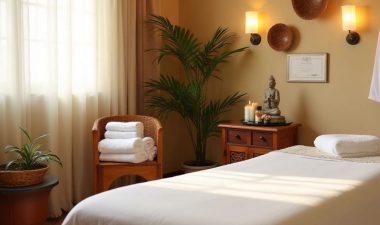
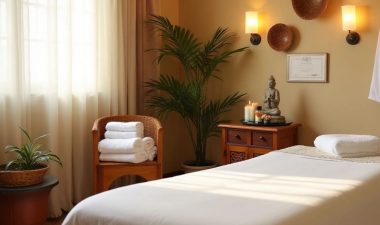
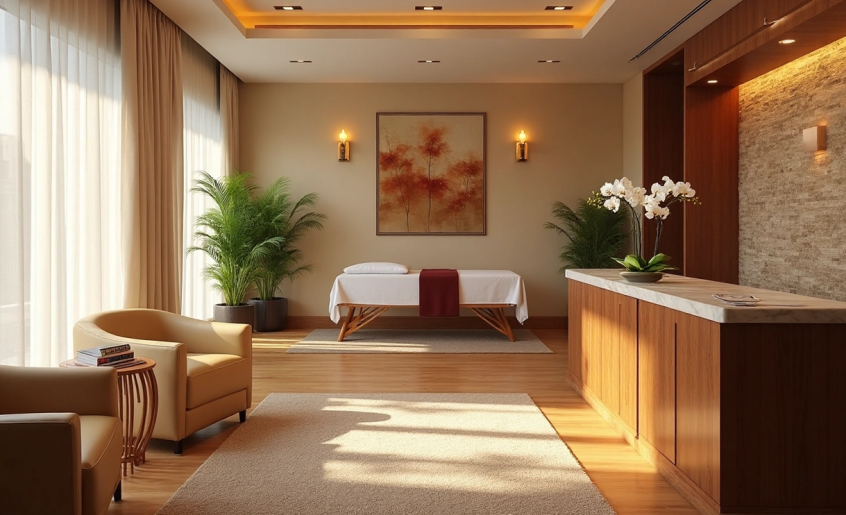
A great Massage in Kilimani Nairobi should leave you feeling calmer, lighter, and more “put back together”, not sore from rushed pressure or stressed by a messy setup. Think of it like a good haircut: the result matters, but so does the process. The best sessions feel safe, respectful, and tailored to your body, from the first hello to the final stretch.
You don’t need to be a massage expert to spot quality. A few simple checks can tell you whether you’re booking a professional service or a gamble.
Signs of a professional spa experience
A professional experience starts before the massage begins. You should see a clear service menu, with straightforward descriptions of what each massage is for. If someone can’t explain the difference between Swedish and deep tissue, or they push you to “just come and we’ll see”, expect a rushed session.
Good therapists also lead with consent and boundaries. They explain what areas are included, ask what you want to avoid, and confirm draping. If you say “no” to something (pressure, a body area, an add-on), they accept it without attitude. Privacy matters too: doors close properly, conversations stay discreet, and you don’t feel on display.
Cleanliness is not optional. Look for these basics:
- Fresh linens on the bed (and changed between clients).
- Hand hygiene before the session begins (washing hands or sanitizing in front of you).
- A room that smells clean, not like it’s masking odours with heavy perfume.
- Oils and lotions that come from clean containers, not mystery bottles.
The consultation is another big sign. A good therapist asks a few quick questions, then listens:
- Where do you feel pain or tightness today?
- Do you have any injuries, surgeries, or medical conditions?
- What pressure do you prefer (light, medium, firm)?
- Do you want more focus on one area (neck, lower back, hips)?
- Any sensitivities to oils or scents?
During the massage, the “right” feeling is steady progress, not shock and awe. Deep work can be intense, but it shouldn’t feel like someone is trying to win a fight with your muscles. You should be able to breathe normally, and you should feel the therapist adjust when you give feedback.
A simple rule: you should feel cared for, not handled. If you feel rushed, exposed, or pushed past your comfort, it’s not a professional session.
Finally, professionals respect time. They start close to your booked slot, avoid constant interruptions, and don’t cut your session short without explaining. A calm, quiet environment helps too, low noise, minimal talking, and no random walk-ins.
Quick questions to ask when booking
A short call or WhatsApp chat can save you from a bad experience. Keep it friendly and direct, most professional spas will answer clearly.
Here’s a quick checklist you can copy into a message:
- Which therapist is available at my preferred time?
- What massage types do you offer (Swedish, deep tissue, aromatherapy, hot oil, hot stone)?
- How long are the sessions (60 or 90 minutes), and what do you recommend for first-timers?
- Can I choose the pressure level, and can we adjust during the session?
- Do you ask about injuries, pain points, or areas to avoid before starting?
- What should I wear, and how is draping handled for privacy?
- Do you have shower facilities, or a place to freshen up after the massage?
- Is parking available nearby, and what’s the easiest way to find your location?
- What payment methods do you accept (cash, M-Pesa, card), and is a deposit required?
- Are tips expected, or is service included?
- What’s your cancellation and rescheduling policy?
- What should I do if I arrive late, does my session time change?
If the replies feel vague, or you get pressure to skip questions, treat that as useful information. Clear answers usually mean the spa runs on clear standards.
Booking should feel easy. When communication is respectful and specific, the session often matches that same energy.
Pricing in Kilimani, what affects the cost
Massage pricing around Kilimani can vary widely, even for similar services. The key is knowing what drives the cost, so you can compare fairly and avoid surprises at checkout.
Session length is the biggest factor. A 90-minute massage typically costs more than a 60-minute session because the therapist has more time to work slowly and properly. If you have stubborn tightness (upper back, hips, lower back), extra time often feels less rushed and more effective.
Specialty add-ons can raise the total as well. Heat-based options like hot stone, or richer oil treatments, may cost more because of materials, setup, and cleanup time. If you’re curious about this style, you can compare it with a dedicated treatment like a hot oil massage in Nairobi so you know what’s usually included.
Therapist experience matters too. More experienced therapists often charge more because they assess better, adapt faster, and apply pressure with control. In other words, you pay for fewer “guessing” minutes.
Time of day can also affect pricing. Late-night appointments sometimes come with a premium, especially if staffing and security are tighter at those hours.
Lastly, in-spa vs mobile massage changes the number. Mobile sessions may cost more because of transport time, carrying supplies, and setup at your location. Still, some people prefer it for convenience, especially after a long day.
Before you confirm, ask for the total cost upfront, including any add-ons, mobile fees, and deposits. A professional provider won’t dodge that question, and you’ll relax more once money is already clear.
Massage in Kilimani Nairobi: choosing the best type for your body and your goals
When you book a Massage in Kilimani Nairobi, the “best” option isn’t the fanciest one on the menu. It’s the one that fits your body today and your goal for the next few days. For example, a calming session before a stressful week needs a different approach than a recovery session after leg day.
A simple way to choose is to decide what you want most:
- Relaxation and sleep: go lighter and more rhythmic.
- Fix tight spots and stubborn knots: go slower and firmer, with clear feedback.
- Warmth and comfort: add heat through hot stones or hot oil.
- Mood reset: consider aromatherapy, but keep sensitivities in mind.
If you’re unsure, tell your therapist two things: your main problem area (neck, shoulders, lower back) and your pressure comfort (light, medium, firm). That’s usually enough to guide the session.
Swedish massage for stress and full-body relaxation
Swedish massage is the easiest starting point for most people because it uses light to medium pressure and long, flowing strokes. Think of it like smoothing out wrinkled fabric. The therapist works over the top layers of muscle with gentle kneading and steady rhythm, so your nervous system settles down fast.
It’s also great if you’re new to massage. You get the benefits without feeling like you need to “brace” for the next move. Many first-time clients notice they breathe deeper during Swedish massage, and that alone can reduce stress headaches and jaw tension.
Swedish massage tends to suit people who want to feel calmer and sleep better, especially when life feels like it’s always on. It’s a good match for:
- Busy professionals with constant screen time and tight shoulders.
- People with anxiety or stress who feel “switched on” all day.
- Anyone dealing with poor sleep, restlessness, or mental fatigue.
That said, it’s not always the right choice as-is. If you have an acute injury (like a fresh sprain) or a very tender spot, the therapist should avoid that area or work around it. Also, skip massage if you have a fever or feel unwell, because your body needs rest, not stimulation.
If you want a deeper look at what to expect, see Swedish massage therapy and compare it with other styles before you book.
If you want to leave feeling “lighter” and calmer, Swedish massage is often the safest bet.
Deep tissue massage for tight muscles and chronic knots
Deep tissue massage is for the days when your muscles feel like they’ve tied themselves into ropes. The therapist works slower and firmer, aiming at deeper layers of muscle and the connective tissue around them. Instead of broad, sweeping strokes, you’ll feel more focused pressure and sustained work on specific tight points.
This style helps when you have stubborn tension from real life, not just a stressful day. It can be useful if you:
- Train regularly and carry gym soreness in glutes, hamstrings, calves, or shoulders.
- Sit for long hours and fight desk posture issues (rounded shoulders, tight neck).
- Get lower back tension that builds up after commuting or standing all day.
One thing matters here: deep tissue should feel productive, not punishing. Some people call it “good pain,” but there’s a line. Good pressure feels intense yet controlled, and you can still breathe normally. What it is not:
- Sharp, stabbing pain
- Numbness or tingling
- Pain that makes you hold your breath or tense up
If that happens, say so immediately. Your body won’t “release” if it goes into защит mode, it just tightens more. The best deep tissue work feels like slow melting, not like someone is trying to force a knot to surrender.
Mild soreness can happen afterward, especially if you haven’t had deep work in a while. It often feels like post-workout tenderness for a day or two. Plan for water, a warm shower, and a lighter workout the next day.
Safety comes first. Deep tissue may need modification or a different option if you:
- Take blood thinners or bruise easily
- Had recent surgery or have healing tissues
- Have severe or unexplained pain, especially new back pain
In those cases, get medical clearance and tell the therapist up front. A professional approach always adapts to your body, not the other way around.
Hot stone or hot oil massage for warmth and muscle release
Heat changes how a massage feels. Hot stone and hot oil massage add deep warmth that helps muscles relax faster, so the therapist can work with less force. If your body feels “guarded” or you struggle to switch off, heat can feel like a warm blanket for your nervous system.
Hot stone massage uses heated stones placed on key areas (often the back, shoulders, or legs) and sometimes used as tools for slow gliding strokes. Hot oil massage uses warmed oil to soften the feel of each movement and reduce friction. In both cases, the goal is comfort, circulation, and easier muscle release.
This style often works well when:
- You feel stiff and cold, especially in the evenings.
- Your upper back and shoulders feel glued from stress.
- You want relaxation, but still need some muscle work.
Comfort matters more than people admit. Heat should feel soothing, not “brave it and endure.” Speak up early and clearly:
- If the stones or oil feel too hot, ask the therapist to reduce the temperature.
- If an area feels sensitive, request less heat there.
- If you prefer more movement and fewer static placements, say so.
Some people should avoid excessive heat or only do it with clearance. Be extra cautious if you’re:
- Pregnant (get medical clearance first, and ask for pregnancy-safe positioning)
- Living with neuropathy or reduced sensation (you may not feel overheating early)
- Dealing with skin sensitivity, rashes, sunburn, or recent waxing
In short, heat can be the most comforting option on the menu, but it should always be tailored to your body.
Aromatherapy massage for mood and mental reset
Aromatherapy massage combines massage techniques with essential oils (usually blended into a carrier oil). The massage does the physical work, while the scent helps set the tone. Smell links closely to memory and emotion, so the right aroma can help you relax faster, especially if your mind keeps running during quiet moments.
This is a strong choice when your goal is mental recovery, not just loose muscles. Many people book aromatherapy when they feel emotionally drained, tense from stress, or stuck in a cycle of poor sleep.
Choosing a scent profile doesn’t need to feel complicated. Pick based on how you want to feel after:
- Calm and grounded: soft, herbal, or woody scents often suit this mood.
- Fresh and awake: lighter, clean scents can feel uplifting.
- Cozy and comforted: warm, gentle blends can feel soothing at night.
Still, essential oils are not “one size fits all.” If you have allergies, migraines triggered by fragrance, eczema, or asthma, treat scent as a safety topic, not a bonus. A professional therapist should be fine with:
- Using a lower concentration
- Offering an unscented option
- Doing a quick patch test on your forearm before the session
If strong scents make you cough, wheeze, or feel tight-chested, speak up and switch to unscented oil. A massage should leave you breathing easier, not fighting the air.
How to book safely and get the best results from your session in Kilimani
A good Massage in Kilimani Nairobi should feel calm from the moment you confirm your booking. Clear timing, clear boundaries, and a simple plan for before and after make a bigger difference than most people expect. Think of it like going to the gym with a routine, you get more results, with less guesswork.
This section focuses on three things: how to prepare, how to communicate during the session, and how to recover well after. When you do these right, you lower risk and you leave feeling better, not just “worked on.”
Before you arrive: prep steps that make a big difference
Start with food and hydration, because your body responds better when it’s comfortable. Eat light 1 to 2 hours before your appointment. A heavy meal can make you feel sleepy, bloated, or nauseous on the table. On the other hand, don’t come in starving, since low blood sugar can make you dizzy when you stand up after.
Skip alcohol before your session. Alcohol dulls sensation, so it’s harder to judge pressure and speak up. It also dehydrates you, which can make post-massage soreness feel worse.
Next, plan your timing like it matters, because it does. Try to arrive 10 to 15 minutes early. That buffer helps you settle your breathing, use the washroom, and share key notes without your session feeling rushed. If you’re coming from traffic-heavy routes, build in extra time so you don’t start stressed.
Your safety also depends on what you share upfront. Tell your therapist about:
- Medical conditions (high blood pressure, diabetes, asthma, epilepsy).
- Pregnancy or the chance you might be pregnant.
- Recent injuries or surgeries, even if they feel “mostly healed.”
- Medications that affect bruising or bleeding (for example, blood thinners).
- Skin issues (rashes, eczema flares, sunburn, recent waxing).
This isn’t oversharing, it’s teamwork. The therapist can adjust pressure, positioning, and areas to avoid. If you’re booking a focused treatment, it helps to choose a service designed for muscle relief and clear goals, for example, these therapeutic massage services Nairobi options.
Session length matters more than people think. Choose based on your goal:
- If you want a simple reset or you’re a first-timer, 60 minutes is usually enough.
- If you have stubborn tension in two or more areas (neck plus lower back, or full back plus legs), 90 minutes often works better because the therapist won’t rush.
Finally, bring a few small items that improve comfort:
- Loose clothes for before and after (tight jeans after a massage can feel awful).
- Water or a bottle you can refill.
- Hair ties if you have long hair, and lip balm if you tend to get dry.
Also, follow phone etiquette. Put your phone on silent (not vibrate), and avoid calls during the session. Quiet time helps your nervous system settle, and that’s a big part of why massage works.
Quick mindset shift: your massage starts when you walk in, not when the therapist touches your back. Arriving calm sets the tone for better results.
During the massage: communication, comfort, and boundaries
The best sessions feel like a conversation, even when you’re quiet. You don’t need to talk a lot, but you should feel free to guide the experience. A professional therapist expects feedback, and they’d rather adjust early than guess wrong for an hour.
Pressure is the first thing to speak up about. Use simple language, then give it 10 to 20 seconds for the therapist to change technique.
Try phrases like:
- “That’s a bit strong, please go lighter.”
- “You can go deeper, but slow is better.”
- “That spot is tender, please work around it.”
If you have areas to avoid, say so clearly before the massage starts. Common examples include a recent ankle sprain, a sensitive lower back, a bruised rib, or an area with varicose veins. In addition, mention personal comfort boundaries (for example, “Please avoid my abdomen,” or “No glute work today”). You never need to explain why.
Draping should also be clear and respectful. Expect to be covered with a sheet or towel, with only the area being worked on exposed. If you ever feel too exposed, ask for a re-drape right away. You deserve privacy, and small adjustments can make you relax instantly.
If anything feels off, you can pause or end the session. That includes uncomfortable comments, unwanted techniques, pain that feels sharp, or a general sense that you’re not safe. You don’t have to stay on the table to be “polite.”
Here’s a simple script you can use, word for word, if you feel uncomfortable:
“Please stop for a moment. I’m not comfortable with this. I’d like you to change to (lighter pressure / a different area / more draping). If that can’t happen, I want to end the session now.”
Say it once, calmly. If the response isn’t respectful, end it. Then get dressed and leave.
One more comfort tip, breathing helps you judge pressure honestly. If you find yourself holding your breath, clenching your jaw, or tensing your hands, the pressure is probably too much. A good “firm” massage still lets you breathe steadily.
Your body gives signals fast. If you feel sharp pain, numbness, or panic, treat it as useful information and speak up immediately.
Aftercare: how to make the benefits last longer
After your session, your body needs a little support so the gains stick. Start with hydration. Drink water over the next few hours, especially if you had deep work. Hydration won’t “flush toxins” in a magic way, but it does support normal recovery and can reduce headache risk after a long session.
Gentle movement helps too. When you get home (or later that evening), do light stretching for the areas that were worked on. Keep it easy and slow. Think of it like letting your muscles “set” in their new relaxed state, rather than snapping them back into tightness.
Soreness can happen, especially after deep tissue. When that shows up, choose heat or cold based on what you feel:
- Use heat (warm shower, warm compress) for stiffness and general tightness.
- Use cold (cold pack wrapped in cloth) for a specific spot that feels inflamed or tender.
Besides that, try not to book a tough workout right after. If you train, do a lighter session later or the next day. Massage plus intense training can feel like too much load at once, especially if you’re already stressed.
Sleep is another multiplier. A good night’s rest after massage often makes the benefits feel stronger the next day. If you can, keep the evening simple. Eat a balanced meal, hydrate, then wind down early.
When should you book your next session? Match it to your goal:
- For stress and maintenance, many people do well with a session every 2 to 4 weeks.
- For recovery and tight recurring knots, weekly or bi-weekly sessions for a short period can help, then you can space out again.
Finally, know when massage aftercare crosses into “get checked.” Seek medical care if you notice:
- Numbness, tingling, or weakness that doesn’t fade.
- Sharp pain (not normal tenderness), especially in the neck, chest, or back.
- Swelling, heat, or redness in a limb, or unexplained bruising.
- Dizziness that doesn’t improve with rest and fluids.
A great Massage in Kilimani Nairobi should leave you feeling safer in your body. With smart prep, clear communication, and simple aftercare, you give yourself the best chance at that result.
Why Nuru VIP Massage is a Great Massage Parlor
If you’re shopping around for Massage in Kilimani Nairobi, it’s easy to get stuck on price and forget the bigger picture. The truth is, the best parlor is the one that feels safe, clean, and clear about what you’re booking. That’s why many clients rate Nuru VIP Massage highly, it focuses on privacy, comfort, and a smooth booking flow, so you can relax before the session even starts.
If you want to check their details directly, start here: https://nuruvipmassage.com.
It feels private and well-managed from the first message
A massage should feel like a reset, not like a situation you need to “manage.” With a well-run parlor, the basics are handled properly: you get clear directions, the time is respected, and you’re not left guessing what happens next.
Nuru VIP Massage stands out because it treats privacy as part of the service, not a bonus. That usually shows up in small but important ways, like discreet communication, minimal back-and-forth, and a setting that doesn’t feel exposed. In Kilimani, that matters because many people want a calm experience without noise, awkward interruptions, or random walk-ins.
Before you confirm any session, keep your side simple and direct:
- Ask what’s included in the session, so you’re not surprised later.
- Confirm boundaries early, especially areas you want avoided.
- Agree on timing and payment before you arrive.
When a parlor welcomes those questions, it’s a good sign. It means they run on standards, not improvisation.
A professional massage space makes you feel in control, even when you’re there to switch off.
Cleanliness, consent, and clear boundaries make the experience safer
Nuru-style sessions are more intimate by nature, so hygiene and boundaries matter even more. A great parlor doesn’t rush past that. Instead, the therapist sets expectations, checks in on comfort, and keeps the room clean and prepared.
Look for signals that the service takes safety seriously:
Clean setup
Fresh linens, a tidy room, and oils stored properly all reduce risk. If a place looks careless, assume the session will feel careless too.
Consent-led communication
You should hear simple check-ins like “Is the pressure okay?” and “Are you comfortable with this area?” A good therapist adjusts quickly when you speak up.
Respectful draping and privacy
Even when the massage style involves close contact, you should still feel respected. You never need to tolerate exposure you didn’t agree to.
If you’re comparing options, it also helps to benchmark costs and session lengths against a known menu, for example, you can check Aroma Spa’s pricing structure here: check Aroma SPA massage costs. The goal isn’t to copy prices exactly, it’s to understand what a transparent rate card looks like.
The booking is straightforward, which helps you relax faster
A lot of bad massage experiences start with messy logistics. You arrive stressed, you wait too long, or the plan changes mid-way. A good parlor prevents that with clear communication and a simple process.
Nuru VIP Massage gets points because it tends to keep booking practical. That means you can confirm the essentials up front, then stop thinking about it. In other words, your nervous system settles sooner, and your body responds better during the session.
To keep your booking smooth, lock in these details:
- Your session length (don’t assume it’s always 60 minutes).
- The exact location and arrival instructions (especially in apartment-heavy areas).
- Your must-have comfort notes (pressure level, sensitive areas, scent limits).
- What to do if you’re late (so time doesn’t get shaved off without agreement).
Once those are clear, the rest becomes simple. You show up, breathe, and let the session do its job, like finally putting your phone down after a long day and feeling your shoulders drop on their own.
Conclusion
Massage in Kilimani Nairobi works best when you match the style to your goal, not the trend. Swedish suits stress and sleep, deep tissue helps stubborn tightness, while hot oil, hot stone, and aromatherapy add comfort when your body feels guarded.
Just as important, verify professionalism before you commit. Look for clean linens, clear pricing, respectful draping, and a therapist who asks about injuries and pressure. Then ask simple booking questions, confirm the total cost, and lock in the session length so you do not feel rushed.
During the massage, speak up early about pressure and any no-go areas, because comfort is part of safety. Afterward, drink water, move gently, and plan a lighter day if you had deep work, so the benefits last longer.
If you are ready to book, choose a reputable spa with clear standards and a menu you understand, for example, Ashuni’s ultimate 2-hour body treatment. Thanks for reading, what would make your next session feel like a real reset: more relaxation, or more focused muscle work?