
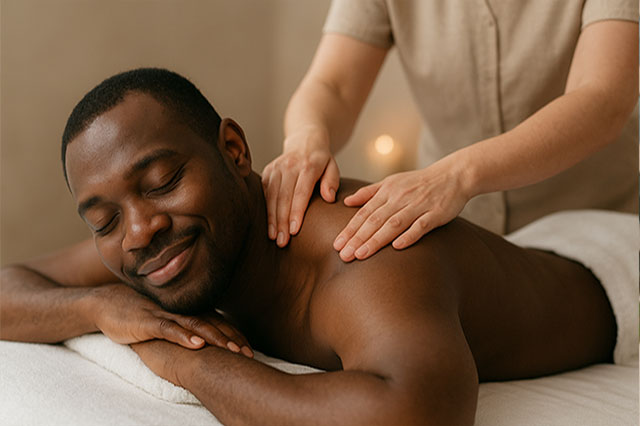
Aromatherapy Massage: Benefits, What to Expect, Oils, and Safety Tips
Stress has a way of piling up, then it shows up as poor sleep, tight shoulders, low mood, and that dull ache you can’t quite stretch out. When you want to feel calm again, a massage can help, but sometimes you need something that also speaks to your senses. Thats where Aromatherapy Massage fits in, because scent and touch work together to help your body settle.
An aromatherapy massage is a massage paired with essential oils chosen for a goal, like relaxation, better sleep, or easing muscle tension. During the session, your therapist blends or selects oils, applies them with massage strokes, and may also let you inhale the aroma so the experience feels more complete. Youll usually leave feeling looser in the body, quieter in the mind, and a bit more grounded.
In this post, youll learn the main benefits people look for (stress relief, sleep support, and comfort for sore muscles), plus what actually happens from intake to aftercare. Well also break down how essential oils work in simple terms, how theyre diluted, and why quality and skin sensitivity matter. Just as important, youll get clear safety tips (including allergies, asthma, pregnancy, and medication considerations), how to choose a therapist you trust, and a practical way to try aromatherapy at home without overdoing it.
Whether youre booking your first session or upgrading your usual massage, youll have a clear plan for getting results you can feel.
What happens during an aromatherapy massage session (step by step)
An Aromatherapy Massage session usually follows a simple rhythm: arrive, talk through what you need, choose a scent, then settle into slow, comforting massage strokes. The biggest surprise for first-timers is how much consent and comfort matter. You stay in control the whole time, you can ask for changes, and you never have to “push through” a scent or pressure that doesn’t feel right.
While each spa has its own flow, most sessions look like this: a short intake chat, oil selection and dilution, the massage itself (with regular check-ins), then aftercare tips so you leave feeling steady instead of spaced out.
Quick check in before you start: goals, allergies, and scent preferences
Before any oil comes near your skin, a good therapist does a quick intake. Think of it like setting a destination before starting a drive. You might be there for stress relief, a tense neck, low back tightness, poor sleep, headaches, or simply a mood reset. Your answers help the therapist choose the right pace, pressure, and oil blend.
Expect a few direct questions, because safety comes first. The therapist may ask about:
- Allergies and sensitivities (skin reactions, eczema, fragrance sensitivity)
- Asthma or breathing issues, because strong aromas can feel too intense
- Pregnancy or trying to conceive, because some oils are not used
- Medications, especially blood thinners or topical prescriptions
- Past reactions to massage oils, essential oils, or perfumes
- Pain areas and injuries, so they avoid aggravating anything
This is also the moment to talk about scent intensity. Some people love a strong floral aroma, while others get headaches from it. If you tend to react, say it early so your therapist can keep it gentle or skip aromatics entirely.
Here are simple phrases you can use (short, clear, and easy to say out loud):
- “Strong scents trigger headaches for me, please keep it light.”
- “I have asthma, so I need mild aromas and good ventilation.”
- “Please avoid nut oils, I react to them.”
- “My skin is sensitive, can we do a patch test first?”
- “I feel anxious today, I want slow and calming work.”
- “My shoulders are sore, but I don’t want deep pressure.”
If you have a history of reactions, the therapist should patch test when it makes sense. That can be as simple as applying a tiny amount of the diluted blend to the inner forearm and waiting a short period to check for redness, itching, or burning. Even when a patch test is not done, proper dilution (and avoiding “hot” oils) matters a lot, especially on sensitive skin.
Consent should also be clear before the massage starts. Your therapist may ask about areas to avoid, draping preferences, and whether scalp, face, or abdomen work is okay. If anything feels unclear, speak up. A professional therapist expects that.
How essential oils are chosen and used (and why dilution matters)
Aromatherapy works because scent and touch combine. You breathe in the aroma, and you also absorb a small amount through the skin during massage. Still, essential oils are concentrated plant extracts, not body oils. They need a carrier oil, both for comfort and safety.
Here is the simple difference:
- Essential oils: very strong, aromatic drops (like lavender, eucalyptus, tea tree).
- Carrier oils: gentle oils used for glide and dilution (like sweet almond, grapeseed, jojoba, or coconut fractionated oil).
Dilution is the part many people misunderstand. More drops do not mean better results. In fact, heavy essential oil use can cause headaches, nausea, skin irritation, or a rash. The goal is a pleasant aroma and steady comfort, not a perfume cloud.
Most Aromatherapy Massage blends fall into a small range:
- Light dilution (about 0.5% to 1%): great for sensitive skin, facial area avoidance, or when you want a soft scent.
- Standard dilution (about 1% to 2%): common for full-body relaxation massage.
- Higher dilution (up to about 3%): sometimes used on small areas (like a tight upper back), but only when appropriate and tolerated.
Your therapist may offer a few scent options and ask what you like. Some people want calm and sleep support, so they choose gentle florals or soft citrus. Others want to feel “clear-headed,” so they go for minty or herbal notes, but those can feel strong. If you are scent-sensitive, ask for a calmer profile and a lower dilution.
During the session, oils can be used in two main ways:
- Inhalation (aroma): you notice the scent as you breathe. Sometimes the therapist uses a drop on a tissue nearby or simply relies on the aroma from the massage oil.
- Topical application (massage): the diluted blend goes on the skin, helping the therapist glide and work smoothly.
Both matter for your experience. Inhalation shapes mood quickly, while topical use supports a warm, soothing feel on the body. Still, keep expectations realistic. Essential oils are not a cure for disease, and they should not replace medical care. What they can do well is support relaxation, comfort, and a sense of ease, especially when paired with good massage work.
Massage techniques that pair well with aromatherapy
The massage itself is where aromatherapy turns from a nice smell into a full body reset. Most therapists use slower, flowing strokes because they signal safety to the nervous system. Your breathing often deepens without effort, and the mind stops racing as much. Think of it like turning down the volume on a noisy room.
Several massage styles blend well with aromatherapy, depending on your goal:
Swedish and relaxation massage often form the base. These use long gliding strokes, gentle kneading, and rhythmic pressure to release general tension. Because the pace is steady, the scent feels less distracting and more grounding.
Gentle lymph-style work may be added when you feel puffy, heavy, or run down. This style is very light, and it focuses on supporting circulation and fluid movement. The light pressure also suits people who do not enjoy deep tissue work.
Scalp, neck, and shoulder focus pairs especially well with calming aromas. A small amount of diluted oil can be used around the shoulders and upper back (not near the eyes). When done slowly, this can feel like your thoughts finally get room to breathe.
Foot massage is another favorite, since the feet tend to hold a lot of tension. People who feel “stuck in their head” often feel more grounded after a foot focus.
Throughout the session, communication should stay open. A therapist might check in about pressure, temperature, and scent strength. You can also speak up anytime, even mid-stroke. Try clear, simple feedback like:
- “A bit lighter pressure, please.”
- “You can go deeper on the upper back.”
- “That area is tender, please avoid it.”
- “The scent feels strong, can we reduce it?”
- “Can you slow down the pace?”
Comfort details matter too. Ask for a blanket if you feel cold, or a face cradle adjustment if your neck feels strained. Small changes can make the whole session feel safer and more relaxing.
After the massage: what you may feel, and how to make the results last
Right after an Aromatherapy Massage, many people feel calm, loose, and a little sleepy. That is normal. Your body has been in a quieter state for a while, so jumping straight into traffic, emails, or a hard workout can feel jarring.
Common, normal reactions include:
- Sleepiness or mental quiet
- Thirst, because massage can leave you feeling dry
- Mild soreness, especially if you had tight areas worked on
- A light headache if you are sensitive to scent or did not eat much (tell your therapist next time so they can adjust)
To support the results, keep your next few hours simple. Drink water steadily instead of chugging a lot at once. If you’re hungry, choose a light meal so you do not feel heavy. Many people also do well with a warm shower later, although waiting a couple of hours can help the aroma linger on the skin if you enjoyed the scent.
For the rest of the day, try a gentler plan:
- Skip heavy workouts right away, especially after deeper work. A walk is fine.
- Do a few minutes of easy stretching, focusing on the neck, shoulders, hips, or calves.
- Keep your evening calm, because massage can make you want an earlier bedtime.
If you loved the scent, you can extend the relaxed feeling at home. A simple option is to use the same aroma for a short breathing practice (for example, from a properly diluted roll-on or a tissue with a single drop placed nearby, not rubbed on skin). Sit comfortably, breathe in slowly for a count of four, then exhale for a count of six. Even three minutes can bring you back to that post-massage calm.
If anything feels off (wheezing, rash, burning, dizziness, or a strong headache that does not pass), wash the area with mild soap and water and stop using the oil. Then seek medical advice if symptoms are severe or persistent. Your next session should always feel safer and better than the last, and honest feedback helps your therapist get you there.
Real benefits people notice, and what science says is most likely
With Aromatherapy Massage, it helps to separate what feels real in your body from what sounds like a big promise. Most people notice changes that are tied to the nervous system, like softer breathing, slower thoughts, and less muscle guarding. Science lines up with a lot of that, because both massage and scent can influence stress, mood, and how safe your body feels in the moment.
At the same time, results vary. Your sleep debt, stress load, hormones, and even how strong the scent is can change the outcome. So think of aromatherapy as a supportive nudge, not a magic switch. The best sessions aim for simple wins you can feel: calmer nerves, easier rest, and less everyday tension.
Stress relief and mood support (the nervous system angle)
Stress often lives in the body before it shows up in your thoughts. Your shoulders rise, your jaw tightens, and your breathing gets shallow. That is the “fight or flight” response at work, your nervous system preparing you to deal with a threat. Massage helps by giving your body steady, safe input (warmth, pressure, rhythm), which can make it easier to shift toward “rest and digest.”
Many people notice the change as a whole-body exhale. Your heart rate can feel steadier, your belly softens, and your mind stops scanning for the next problem. This is also why slower massage styles feel so comforting. The pace matters because a rushed touch can keep you alert, while a calm pace signals “you can stand down now.”
Scent adds another layer because smell has a direct line to brain areas tied to emotion and memory. One aroma can remind you of a peaceful place, while another can feel sharp and annoying. When the scent is a good match, it can support relaxation fast. You breathe it in, your brain tags it as safe or pleasant, and your body follows.
Here are a few common goals people book for, and why they make sense:
- Unwind after work: A slow session helps your muscles stop bracing after a long day of sitting, driving, or meetings.
- Reduce overwhelm: Gentle pressure and a calming aroma can quiet the “too much happening” feeling, even if life is still busy.
- Reset after travel: Massage supports circulation and comfort, while familiar scents can help you feel grounded in a new place.
If you want the biggest mood benefit, keep it simple. Ask for a mild scent, steady pressure, and fewer “extras.” A calm nervous system usually responds best to consistency.
Better sleep and easier bedtime routines
Sleep improves when your body feels safe enough to let go. That is why an evening Aromatherapy Massage can work well for many people. The combination of warmth, slower pacing, and quiet time often lowers the mental noise that keeps you scrolling, snacking, or replaying your day in bed.
The most noticeable sleep benefits tend to be practical. People fall asleep faster, wake up fewer times, or stop feeling wired at bedtime. Still, it is not always instant. If your schedule is chaotic, one massage might give you a great night, then the old pattern returns. The sweet spot is pairing the session with a bedtime routine that tells your brain, “we’re done for today.”
A few ways to set yourself up for better sleep after a session:
- Time it well: Book 1 to 3 hours before bed, so you can go home slowly and stay quiet.
- Keep the evening dim: Lower lights and avoid bright screens, because light pushes your brain toward alert mode.
- Watch caffeine: If coffee after 2 pm keeps you awake, a massage won’t fully fix that.
- Use simple breathing: Try inhale for 4 counts, exhale for 6 counts, for 2 to 5 minutes.
Scent can support sleep when it stays soft. Strong aromas can backfire, especially if you are sensitive. If you want a sleep-focused blend, ask for something gentle and avoid anything that feels sharp or menthol-like at night.
One important note: chronic insomnia deserves medical support. If you struggle most nights for weeks, or you rely on alcohol or pills to sleep, speak with a healthcare professional. Massage can be a helpful part of the plan, but it should not be the whole plan.
Muscle tension, headaches, and everyday aches
Aromatherapy Massage can feel amazing for tight muscles, especially in the neck, shoulders, and upper back. That is because stress and screens tend to pull you forward. Over time, your muscles stay slightly “on,” like a fist that never fully opens. Massage helps by improving circulation in the area and by encouraging those muscles to stop guarding.
Many people also book sessions because of headaches, but it helps to name the type. Tension headaches often feel like a band of pressure, with sore neck or jaw muscles. People often get relief when those areas soften and when breathing slows. Migraines are different. They can come with nausea, light sensitivity, and strong smell triggers. Some people with migraine feel worse around intense scents, even if they usually love essential oils.
If headaches are part of your story, safety and communication matter more than the “perfect” oil. Consider these practical tips:
- Keep scents light if you are prone to migraines or fragrance headaches. “Less” is often better.
- Avoid eye-area oils. Even mild oils can sting if they migrate with sweat.
- Ask for neck and shoulder focus with steady, moderate pressure. Too much pressure can leave you sore.
- Hydrate and eat something small after, because low blood sugar can mimic headache symptoms.
Some oils create a cooling or warming feeling on the skin. People often find that comforting, like a hot shower on a tight back or a cool cloth on a tired forehead. Still, those sensations can be intense for sensitive skin, and some “hot” oils irritate easily. When in doubt, choose a mild blend and let the massage do most of the work.
Also keep expectations grounded. Massage can support comfort and relaxation around everyday aches. It cannot diagnose the cause of head pain, and it should not replace care for severe, sudden, or changing headaches.
Immune support, detox, and other popular claims (what to believe)
You will hear big claims about Aromatherapy Massage, especially online. “Detox,” “flush toxins,” and “boost immunity overnight” sound exciting, but they oversimplify how the body works. Your liver, kidneys, lungs, and skin already handle waste removal all day. Massage does not replace those systems, and essential oils do not cure infections.
That said, massage can still support your health in more realistic ways. It can help you manage stress, which matters because chronic stress can disrupt sleep and leave you feeling run down. Massage can also support circulation and help you feel less stiff, which makes it easier to move your body and take care of yourself. Those are quiet benefits, but they are real.
A kind way to think about it is this: massage does not “clean your blood,” but it can help you get out of survival mode. When you finally rest, your body does its normal repair work better.
Use this quick checklist to spot exaggerated claims and choose more evidence-based care:
- Watch for cure language: Be cautious with words like “cures,” “guarantees,” or “treats disease.”
- Be wary of detox absolutes: If the promise sounds like “toxins out, fast,” it is probably marketing.
- Look for safety talk: Trust providers who mention dilution, allergies, asthma, and pregnancy cautions.
- Prefer realistic outcomes: “Supports relaxation and sleep” is more believable than “fixes your immune system.”
- Notice how they respond to questions: A good therapist welcomes questions and adjusts the plan.
If you want the most from a session, aim for what massage and scent do best: calm your nervous system, ease tight muscles, and help you feel like yourself again. Everything else should be a bonus, not the sales pitch.
Choosing the right essential oils for your goal (with safe, simple examples)
Picking oils for an Aromatherapy Massage should feel like choosing music for your mood. The “right” choice is the one your body relaxes into, not the one with the fanciest reputation. Scent preference matters because your brain decides quickly if a smell feels safe, soothing, or annoying.
Start small, especially if you’re new. Ask for a lighter scent strength, and choose one or two oils instead of a long blend. Simple usually feels better on the skin, and it makes it easier to tell what you like. Also remember this: essential oils support comfort and mood, but they aren’t medical treatment. Think of them as a gentle cue for your nervous system, paired with skilled touch.
Calm and anxiety: soft, soothing scents that most people tolerate well
When you want calm, look for oils that smell soft, warm, or lightly sweet. These tend to feel less “sharp” in the nose, so they work well for many people during an Aromatherapy Massage.
A few commonly loved options include lavender, bergamot, frankincense, and chamomile. Each has a different personality. Lavender smells clean and familiar to many people, while bergamot feels brighter (more like a calm exhale than a sleepy one). Frankincense often reads as resinous and grounding, and chamomile can feel gentle and comforting.
Ylang ylang also fits the calming category, but it can be strong. For some people it feels lush and relaxing. For others it feels heavy or too sweet, especially at higher strength. If you’re curious, ask your therapist to keep it low, or blend it with something lighter.
Scent preference is not a small detail here. If you dislike an aroma, your body may stay tense even if the massage is great. So it helps to choose based on what you already enjoy in daily life, like tea, candles, or soaps. If you want a simple way to decide, use this quick self-check: does the smell make you breathe deeper, or does it make you pull away?
If you don’t like floral scents, you still have good options. You can ask for calming oils with citrus or woody notes, for example:
- Citrus-leaning calm: bergamot (often soft and mellow), or a small amount of sweet orange with a gentle base.
- Woody-leaning calm: frankincense, or a wood-resin style blend that smells dry and steady.
To describe what you want to your therapist, keep it plain. Try: “I want something calming, but not floral,” or “I like fresh citrus, and I don’t like sweet perfumes.” That kind of feedback saves time and helps them pick well.
Energy and focus: fresh blends that feel bright, not overpowering
For focus and a “clear head” feeling, many people prefer scents that smell crisp and clean. Think of it like opening a window in a stuffy room. It doesn’t change your life overnight, but it can change your state fast.
Good examples include rosemary, lemon, sweet orange, and (for some people) peppermint and eucalyptus. These oils often feel uplifting, especially in the first few minutes. Still, “energizing” does not mean a medical stimulant. You won’t get a caffeine-style jolt. Instead, the scent acts like a mental cue that says, “Wake up, pay attention,” while the massage helps your body feel less heavy.
A few safety notes matter here:
- Peppermint can feel intense on the skin and strong in the nose. Some people love the crispness, while others get watery eyes or a headache. Ask for a light scent strength, and avoid it near the face.
- Eucalyptus can feel amazing when you want a fresh, open feeling, but it may bother people with asthma or respiratory sensitivity. If strong smells ever make you cough or feel tight in the chest, skip it or keep it very mild.
If you’re chasing focus without that “too much” feeling, choose bright oils that stay friendly. Lemon and sweet orange are often easier for beginners, especially at a low strength. Rosemary can also work well if you like herbal scents, although it can read sharp to some people.
It also helps to match the vibe to the time of day. For example, citrus and rosemary can feel great in the morning or midday. On the other hand, minty oils late at night can make some people feel too alert.
When you talk to your therapist, you can be specific without getting technical. Try: “I want to feel clear-headed, but I don’t want anything minty strong,” or “Citrus wakes me up, keep it light.” That gives them a real target.
Aches and soreness: warming, cooling, and comfort focused options
When your body feels sore, oil choice should support comfort without irritating your skin. Here, the massage work does most of the heavy lifting, and the oils add a warming or cooling layer that can feel soothing.
For a warming feel, some therapists use oils like ginger or black pepper. These can smell spicy and feel cozy, almost like a warm compress. However, they can also irritate sensitive skin if the blend is too strong. Black pepper is especially strong and needs careful dilution. If your skin reacts easily, ask to avoid it or keep it very low.
For a comforting, muscle-ease direction, marjoram and lavender are popular. They tend to smell softer than the spicy oils, and many people tolerate them well. For a cooling feel, eucalyptus is common, although it can be too intense for some people (especially if you already feel congested or smell-sensitive).
Skin sensitivity matters more when the goal is soreness, because sore areas often get more massage attention. More contact plus a “hot” oil can lead to redness or a rash. So keep the plan gentle:
- Ask for lower scent strength if you’re unsure.
- Request that the therapist focus application on specific areas (like shoulders, calves, or low back), instead of using a strong blend everywhere.
- Avoid oils near broken skin, freshly shaved areas, or places where you already have irritation.
You can also guide the session with simple preference language: “I want comfort for my shoulders, but my skin reacts easily,” or “Cooling is fine, just not strong menthol.” That helps your therapist pick oils that feel supportive, not distracting.
Finally, remember that soreness has different causes. Post-workout tightness is one thing, and nerve pain is another. If pain is sharp, new, or getting worse, treat massage as comfort care, and get medical advice too.
If you have sensitive skin or allergies: how to enjoy aromatherapy safely
Sensitive skin doesn’t mean you have to skip Aromatherapy Massage. It just means you need a slower approach and clearer communication. The goal is to keep your session relaxing, not turn it into a guessing game.
First, tell your therapist early if you have eczema, a history of rashes, or fragrance sensitivity. Strong scents can trigger headaches, nausea, or a “can’t relax” feeling, even when the oil is properly diluted. In addition, people with asthma may react to intense aromas, especially minty or camphor-like oils such as eucalyptus. If scents ever affect your breathing, keep it very mild, or choose no aroma on the skin.
Patch testing helps when you’re unsure. A therapist can apply a tiny amount of the diluted blend to a small area (often the inner forearm) and wait to see if redness, itching, or burning shows up. Patch tests aren’t perfect, but they reduce surprises.
You can also enjoy aromatherapy without putting essential oils all over your body. Two simple options often feel safer:
- Choose an unscented massage, then add aroma gently (for example, a single drop on a tissue placed nearby).
- Ask for the aroma to be used away from your face and kept light, so you control how much you inhale.
Carrier oils matter too. If you have nut allergies, speak up before the therapist reaches for a bottle. Some carrier oils come from nuts (like sweet almond). Many spas can switch to non-nut options, but they need to know. If you’re unsure what you react to, ask what carrier oil they plan to use.
When in doubt, choose gentle oils and fewer of them. Lavender or chamomile often feel easier than spicy or minty choices, although everyone is different. The safest session is the one built around your body, your history, and your comfort signals. If something smells “too much,” say it right away, because you shouldn’t have to push through a scent to get the benefits.
Safety, who should be cautious, and how to get the best experience
A great Aromatherapy Massage should feel soothing, not risky or confusing. Most problems come from two things: oils that are too strong, or communication that is too weak. The good news is that both are easy to fix when you know what to ask for.
Think of essential oils like hot sauce. A tiny amount can be perfect, but too much can ruin the whole meal. Start gentle, speak up early, and choose places that take hygiene, consent, and pricing seriously. That simple approach protects your body and helps you relax faster.
When to skip essential oils or talk to a professional first
Some people can enjoy Aromatherapy Massage with no issues, while others need extra care. If any of the situations below apply to you, it doesn’t mean “never.” It usually means check first, start with low scent, and avoid strong oils.
Pregnancy and breastfeeding come first. During pregnancy, your sense of smell can be stronger, and some oils are avoided. If you’re pregnant, trying to conceive, or breastfeeding, tell the therapist before you choose a scent. Ask for a very mild blend, or go with unscented massage oil. If you want aroma, choose a low-scent option and keep it away from your face.
Babies and kids need a different approach. Essential oils are concentrated, and little bodies can react fast. For babies and young children, it’s often best to skip essential oils on the skin. If you still want a calming scent at home, use a very gentle method (like a drop on a cotton ball placed out of reach), and keep the room well-ventilated.
Breathing and nervous system triggers also matter. If you have asthma, a history of wheezing, or tight-chest feelings around fragrance, go slow. Ask for no diffusers, good airflow, and a low scent level. The same goes for people with an epilepsy history or migraines triggered by smell. Strong oils can be too stimulating, so keep it simple and avoid strong blends.
Blood pressure concerns and certain medications deserve a quick check too. If you have low or high blood pressure, or you take blood thinners, heart meds, or medicines that affect the nervous system, mention it. You don’t need a long medical speech. A simple, “I want to check first, because I’m on medication,” is enough to start a safe plan.
How to choose a therapist or spa you can trust
The right spa feels professional before the massage even starts. You should notice order, respect, and clear communication. If the place feels chaotic, you will likely struggle to relax, even if the oils smell nice.
Start with the basics: trained staff and a clear intake process. A good therapist asks about allergies, scent sensitivity, injuries, pregnancy, asthma, and medication. They also explain what they plan to do. If you hear vague answers, or they rush you through questions, take that seriously. Aromatherapy Massage should never feel like a gamble.
Next, pay attention to hygiene and setup. Cleanliness is not just about looking nice. It reduces skin irritation and helps you feel safe. You should see fresh linens, a clean treatment room, and hands washed before contact. The oil should be in clean containers, not mystery bottles with no label.
Dilution is another trust signal. You can ask a simple question like, “Do you dilute essential oils in a carrier oil?” A professional will say yes, and they won’t act annoyed. If they brag about “strong oils” or imply more drops means better results, choose a different provider.
Use this short checklist when you compare options:
- Clear intake questions: allergies, asthma, pregnancy, medications, and pressure preference.
- Proper dilution: they keep scent gentle and avoid applying undiluted oils to skin.
- Clean linens and towels: they look and smell fresh, and they get changed between clients.
- Transparent prices: you know the cost before the session begins, including add-ons.
- Respectful boundaries: they explain draping, ask consent, and honor areas you want to avoid.
- Comfort details: room temperature feels right, music is calm, and noise stays low.
Reviews can help, but read them with a sharp eye. Look for patterns, not one dramatic story. The best reviews mention consistency, professionalism, and hygiene. If multiple people complain about smell, dirty rooms, surprise charges, or pushy behavior, believe them.
Red flags during a session and how to speak up in the moment
You never have to “push through” discomfort to be polite. A session can be adjusted in seconds, but only if you speak up. Consent is not a one-time question at the start. It matters throughout the whole Aromatherapy Massage.
Watch for skin and scent reactions first. If you feel burning, stinging, or sudden itching, that is not “the oil working.” It’s often irritation. The same goes for a rash, hives, or redness that spreads. Strong smell that causes nausea, watery eyes, coughing, or a headache is another clear signal. Your nervous system is saying, “Too much.”
Pressure is the next common problem. Deep work can feel intense, but it should not feel sharp or scary. Pain that makes you hold your breath is a sign the pressure is too much. Good therapy invites your muscles to release. It doesn’t force them.
Boundaries are non-negotiable. If a therapist ignores your requests, keeps working on areas you asked them to avoid, or comments in a way that makes you uncomfortable, end the session. You don’t owe anyone extra explanation.
Use short scripts, because they are easy to say when you’re on the table:
- “Please reduce the oil strength.”
- “That smell is too strong for me.”
- “That pressure is too much, please go lighter.”
- “Please avoid that area.”
- “I need to stop the session now.”
If you react to the oil, ask for immediate action. The therapist can wipe off excess oil, switch to unscented carrier oil, and increase ventilation. If symptoms feel serious (trouble breathing, swelling, dizziness), stop right away and get medical help.
Your comfort is the goal. A professional will adjust without drama, because your body feedback is part of the work.
Simple ways to bring aromatherapy home without overdoing it
At-home aromatherapy can be calming, but it works best when you keep it light. The aim is a gentle cue for your senses, not a scent cloud that follows you everywhere. Also, remember the core rule: don’t apply undiluted oils to skin.
Start with low-risk options that give you control:
A diffuser can work well if you use it for short periods. Try 10 to 20 minutes, then turn it off. If you get a headache, cough, or feel nauseated, use fewer drops next time or stop. Good airflow helps too, so crack a window if you can.
A cotton ball method is even simpler. Put one drop on a cotton ball or tissue, then place it nearby. Don’t press it onto your skin. This approach is great if you want a mild scent while you read or breathe slowly for a few minutes.
Pre-diluted roll-ons are a practical choice for beginners. Because they are already diluted, they are easier to use safely. Still, do a small skin test first, and avoid the eyes, lips, and broken skin. If your skin is sensitive, apply to clothing instead of skin, or skip topical use.
A warm bath can feel amazing, but be careful. Essential oils don’t mix well with water, and they can sit on your skin in a strong patch. If you try a bath, use a very small amount and stop if you feel burning or itching. When your skin tolerates it, a warm soak can feel like a deep exhale for your whole body.
Storage matters more than people think. Keep oils and roll-ons:
- Out of reach of kids, because accidental swallowing is dangerous.
- Away from pets, since some animals react strongly to certain scents.
- Tightly closed and stored cool, because heat and light can degrade oils.
If you want your home routine to feel like a real extension of Aromatherapy Massage, keep it consistent. Choose one scent you like, use it lightly, and pair it with something steady like a warm shower or five minutes of slow breathing. That simple rhythm often works better than strong blends and big experiments.
Conclusion
Aromatherapy Massage works best when you treat it as two supports in one, skilled touch plus a carefully chosen scent. You now know what a good session looks like, from the intake chat and proper dilution to check-ins during the massage and simple aftercare. You also have realistic expectations, it can calm stress, support sleep, and ease everyday tension, but it doesn’t replace medical care. Just as important, you know how to choose oils by goal and preference, and when to keep scents light or skip them for safety.
To get the most from your next session, keep the plan simple. First, pick one goal (sleep, stress, or aches). Next, choose a scent family you truly like (floral, citrus, herbal, or woody), because your body relaxes faster when the smell feels safe. Then, speak up about sensitivities (asthma, migraines, allergies, pregnancy, and skin reactions) so your therapist can adjust the blend and strength. Finally, plan aftercare before you book, drink water, keep the rest of your day calm, and give yourself an early night if you can.
Thanks for reading, what goal do you want your next Aromatherapy Massage to support most?