Massage in Kilimani: Styles, Prices, Safety Tips, and What to Expect
Kilimani moves fast. Between traffic, long hours at a desk, and back-to-back plans, it’s easy to carry stress in your neck, shoulders, and lower back. Add gym days or long walks around Yaya and you can end up feeling tight, sore, and wired at night.
A good Massage in Kilimani isn’t just a treat, it can help your body reset. The right pressure relaxes tense muscles, eases headaches linked to tight shoulders, and helps you switch off mentally. Many people also sleep better after a session because their body finally gets a chance to settle.
This guide breaks it down in plain terms, so you know what you’re booking and why. You’ll learn the most common massage styles you can find around Kilimani (from relaxing to deep tissue), how to pick a clean and professional place, and what prices usually look like. You’ll also get a clear idea of what happens before, during, and after your session, so there are no awkward surprises.
Safety matters too, especially if you’re pregnant, recovering from an injury, or dealing with a health condition. We’ll cover simple red flags to watch for, what to ask before you lie on the table, and how to make sure you leave feeling better, not bruised or rushed. Finally, you’ll see how Kilimani compares with the wider Nairobi massage scene, including what tends to be different about convenience, privacy, and availability in this part of town.
What makes massage in Kilimani different from other parts of Nairobi
Kilimani has a practical advantage that you feel before you even get on the table, it usually costs you less time and less stress to get there. Because it’s surrounded by busy residential pockets and work hubs, a session can fit into normal life instead of becoming a whole-day plan.
The area also tends to attract people who want wellness without noise and chaos. You will still find options across Nairobi, of course, but Kilimani often hits a sweet spot: close enough to CBD and Upper Hill for convenience, and calm enough to actually relax once you arrive.
Kilimani is close to everything, so it fits into a real schedule
A big reason people book Massage in Kilimani is simple, it works with how Nairobi days actually run. When you’re close to Yaya, Adams Arcade, Kileleshwa, Lavington, Upper Hill, and even CBD, massage stops feeling like a rare treat. It starts feeling like something you can do regularly.
Think about the routines most people already have:
- Lunch break reset: You step out for a 60-minute session, then go back to work feeling lighter. This works best when the spa is nearby and you can avoid long traffic waits.
- After-work release: You finish at 6 or 7, your shoulders feel like stone, and you want relief before you go home. A short drive matters because the less time you spend in traffic, the less you undo the calm you are paying for.
- Weekend self-care: Saturday errands around Yaya or Lavington can be tiring. Sliding in a massage between tasks can turn a packed day into something you actually enjoy.
Travel time is not just an inconvenience, it affects your nervous system. If you spend 45 minutes stressed in traffic, you often arrive tense and rushed. On the other hand, a short trip helps you keep that “exhale” feeling from the moment you decide to go.
Kilimani also supports last-minute planning, but don’t count on it. Popular therapists and evening slots can fill up fast, especially on Fridays and weekends. Book ahead when you can, and ask two quick questions to avoid a rushed session: “Do you allow a few minutes to settle before we start?” and “Is the full hour hands-on, or does it include consultation and changing time?”
Practical details matter too. If you drive, confirm parking before you leave, because some spots have limited space. If you use ride-hailing, set your pin clearly to avoid calling from the roadside. Finally, choose a place with visible security at the entrance or within the building, so you can relax without watching your back.
The spa experience, privacy, cleanliness, and a calm setting
Kilimani has many modern apartments and purpose-built commercial buildings, so a good spa here can feel private and controlled. That matters because massage only works well when your body feels safe. If you’re worried about noise, awkward interruptions, or poor boundaries, your muscles stay guarded.
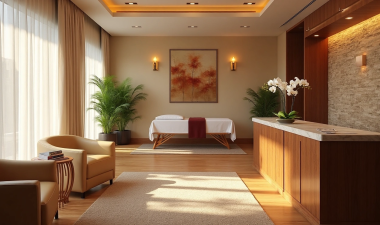
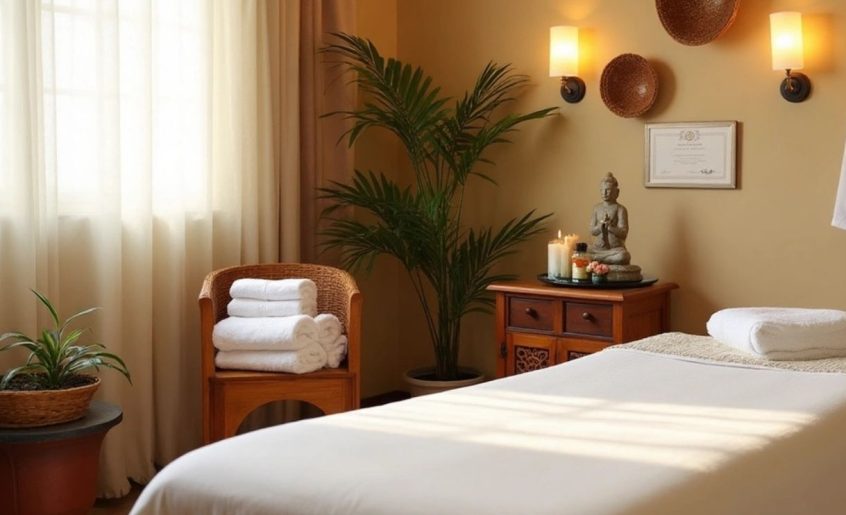
A quality spa should feel calm the moment you walk in. The basics are not fancy, but they are non-negotiable: a quiet room, clean surfaces, fresh linens, and a therapist who explains what will happen. You should also expect proper draping (covering areas not being worked on), and clear professional boundaries throughout the session.
Look for these easy signs of good hygiene and comfort:
- The massage bed has fresh sheets for every client, not just a quick straightening.
- Towels and blankets smell clean, not like old oil or damp fabric.
- The room feels ventilated, with no heavy lingering odors.
- Oils are dispensed cleanly, and the therapist washes hands before starting.
- You get time to undress in privacy, and you are told how to position yourself.
- The therapist checks pressure often, especially during deep work.
Privacy is also about sound and interruptions. A solid spa keeps the room quiet and limits staff traffic. Even small things help, like a phone on silent and a clear “do not disturb” approach during sessions. Noise from a busy road can happen anywhere in Nairobi, but a well-run place reduces it with insulated rooms, soft music, or smart room placement.
Here is a quick checklist you can screenshot before your next booking:
- Clean linens on arrival (not wrinkled, not reused).
- Hand washing before touch, and tidy nails.
- Clear draping and consent before sensitive areas (glutes, inner thigh, chest area).
- Quiet room with minimal interruptions.
- Pressure check-ins at least a few times.
- Time respect (your session should not start late and end early).
- Aftercare guidance (water, light stretching tips, what soreness is normal).
If any of these feel off, trust that feeling. A good therapist never rushes you, pushes past pain, or makes comments that break comfort.
Massage in Nairobi, how Kilimani compares on choice, price, and style
When people search for Massage in Nairobi, they quickly realize the city has range. You can find simple setups focused on quick relief, and you can find premium spa experiences with longer rituals and extra comforts. Kilimani stands out because it often sits in the middle, with strong variety and easier access than far-out neighborhoods.
In general terms, here is how Kilimani compares with a few common areas:
- Westlands often has lots of options and extended hours because it’s a major social and business hub. Depending on the exact venue, you might pay more for location and ambience, especially in high-traffic zones.
- CBD can be convenient for daytime appointments, especially if you work nearby. However, noise, parking, and building privacy can vary a lot, so it helps to choose carefully.
- Lavington tends to feel more residential and quiet. Some places may focus on a slower, more private experience, although travel can take longer depending on where you start.
- Karen often involves longer travel time for many Nairobi residents. For some people, that trip is worth it for a relaxed setting, but it can make massage harder to do regularly.
Price is not just about the neighborhood. It usually shifts based on three things: session length, service level, and therapist experience. A 30-minute back-and-shoulders session costs less than a 90-minute full-body treatment. Similarly, a basic relaxing massage is often priced differently from deep tissue, sports work, hot stone, or specialty add-ons.
Service level also changes the final cost. A place that offers a private room, quality oils, clean showers, and unhurried timing may charge more than a simple setup. That is not automatically “better,” it just fits different needs. Sometimes you want quiet and soft music. Other times you want strong hands and fast relief.
Kilimani tends to be a strong middle ground because you get:
- Variety of styles (relaxing, deep tissue, sports-focused, and more) without needing to cross the city.
- More flexible booking times in many places, including later hours, which fits busy workdays.
- A mix of therapists and service levels, so you can choose based on your body and budget.
To get the best value, match the session to your goal. If you’re stressed and sleeping badly, a relaxing full-body session might help most. If you sit at a desk all week, focus on back, neck, and hips. Either way, avoid squeezing massage into a tight window. Give yourself a buffer, so you walk in calm and leave unhurried.
Popular massage styles in Kilimani and who each one is best for
When you book a Massage in Kilimani, the biggest win comes from matching the style to your real need. Some days you want your brain to slow down. Other days your back feels locked, and you need focused work. The good news is most spas in Kilimani offer a familiar set of options, and each one has a clear purpose.
Before you choose, think about two simple things: your goal (sleep, stress, pain relief, recovery) and your preferred pressure (light, medium, firm). Also, don’t ignore time. A 60-minute session often covers the basics well, especially if you want full-body relaxation. A 90-minute session gives your therapist room to stay longer on problem areas (like lower back, hips, neck, and shoulders) without rushing the rest of your body. If you carry tension in more than one spot, longer sessions usually feel more complete.
Relaxation and Swedish massage for stress, sleep, and light muscle tension
Swedish and relaxation massage are the most requested styles when you feel mentally tired. The work usually uses long, flowing strokes, gentle kneading, and steady rhythm. Pressure ranges from gentle to medium, and the goal is to calm your nervous system, not to hunt every knot.
What it feels like: smooth movements, warm oil, and a pace that helps your breathing slow down. Many people describe it like switching your body from “on” to “off”. If your shoulders always sit near your ears, this style helps them drop.
Best for:
- Stress, burnout, and feeling wired after long days
- Light muscle tension from desk work
- People who struggle with sleep, especially when your mind won’t quiet down
- First-timers who want a safe, comfortable start
Who should be cautious:
If you have an acute injury (new strain, fresh swelling) or a skin issue that flares with oils or friction, speak up before the session starts. Also mention migraines, very sensitive sinuses, or anything that makes you sensitive to scents or pressure. Swedish is gentle, but the therapist still needs to adjust.
How to ask for pressure (simple words that work):
A lot of people say “medium” and later realize they wanted lighter. Be specific so the therapist doesn’t guess.
- Try: “Please keep it light to medium, I’m here to relax.”
- If you want more without turning it into deep work: “A little firmer on the shoulders, but still relaxing.”
Guidance for first-timers:
If it’s your first massage, start with a full-body Swedish or relaxation session. It teaches you what pressure feels good, and it helps you learn your own tension patterns. When the therapist checks in, answer honestly. You’re not being difficult, you’re being clear.
If you’re ticklish or sensitive:
Ticklishness is common, especially on the feet, ribs, and sides of the waist. Sensitivity can also show up if you feel stressed, dehydrated, or overstimulated.
- Say it early: “I’m a bit ticklish on my feet, please use slower, firmer pressure there or skip them.”
- If light strokes trigger tickles, ask for more grounded touch: “Light touch makes me ticklish, can you use more steady pressure?”
- If you’re sensitive in one area: “My neck is sensitive today, please go gently and avoid sudden pressure.”
A good Swedish massage should leave you feeling calm, loose, and clear headed. If you feel spaced out after, that’s normal. Drink some water, eat something light, and give yourself a quiet evening if you can.
Deep tissue and sports massage for stiff backs, knots, and gym recovery
Deep tissue and sports massage come up a lot in Kilimani because many people sit for work, train at the gym, or do long commutes. These styles focus more on tight layers of muscle and fascia. The strokes can be slower, pressure can be firm, and the therapist may use forearms, elbows, or knuckles on thick areas like glutes, upper back, and thighs.
What it feels like: focused pressure that stays on one spot long enough to soften it. You may feel intensity, then a release, like a tight rope finally loosening. Sports massage can also include stretching and more targeted work around overused muscles.
Best for:
- A stiff lower back or upper back tightness that keeps returning
- “Knots” in shoulders, traps, or between shoulder blades
- Gym recovery, especially sore legs, hips, or back after training
- People with limited range of motion (tight hips, tight calves, locked neck)
Deep tissue is not supposed to be unbearable:
Some people think deep tissue must hurt to work. That idea causes bruises, guarding, and bad sessions. The real goal is steady pressure your body can accept, so the muscle can let go.
A helpful way to judge pain:
- “Good pain” feels intense but controlled. You can breathe through it, and it feels productive.
- Sharp pain feels sudden, stabbing, burning, or like a jolt. That’s a stop signal.
If you catch yourself holding your breath or tensing your jaw, the pressure is probably too much. Ask to reduce it. You’ll get better results when your body stays relaxed.
Why communication matters:
Deep work needs feedback. Your therapist can’t feel what you feel inside the tissue. Speak up in the moment, not at the end.
- Try: “That’s a bit sharp, can you ease up 20%?”
- Or: “Stay there, that’s the spot, but keep it just under painful.”
- If you want firm but safe: “Firm pressure is fine, but please avoid sharp pain.”
Who should be cautious:
If you bruise easily, take blood thinners, have varicose veins, or have a recent injury, deep pressure may not be right for every area. Also be careful if you have nerve symptoms (numbness, pins and needles, shooting pain down the arm or leg). In those cases, avoid aggressive work and consider getting medical advice first. Massage can support comfort, but it should not replace diagnosis when symptoms feel serious.
Aftercare that actually helps:
Deep tissue and sports massage can leave you feeling amazing, but your body needs support afterward. Plan like you would after a hard workout.
- Water: Drink extra water over the next few hours because your body can feel dehydrated after heavy work.
- Light stretching: Gentle neck rolls, hip openers, or calf stretches keep the area from tightening again.
- Rest: Take it easy that evening if you can. A heavy gym session right after deep tissue often backfires.
- Warm shower: Heat can help muscles stay relaxed, especially after a firm session.
What soreness is normal:
Mild soreness for 24 to 48 hours can happen, especially if you had deep work on knots or tight hips. It should feel like post-workout tenderness, not like injury. If you feel strong pain, swelling, or bruising that worries you, contact the spa and consider medical advice.
Session length tip:
If you want deep work on one main problem (like lower back), 60 minutes can be enough. If you need full-body plus focused time on two or three tight zones, choose 90 minutes so the therapist doesn’t rush.
Aromatherapy and herbal massages for a calmer mind and a warm body
Aromatherapy and herbal massage sit in a sweet spot between relaxation and comfort-focused body care. The massage itself is often similar to Swedish or gentle deep work, but the big difference is the use of scented essential oils or herbal-infused oils. People choose this style when they want to relax and feel grounded, especially after a stressful week.
What it feels like: smooth, comforting strokes plus a scent that sets the mood. The room often feels warmer and quieter, and the session can feel more like a reset than a “fix my back” appointment.
Best for:
- Stress, mental fatigue, and mood support
- People who want a soothing, warm-body feeling
- Anyone who enjoys scent as part of relaxation
- Light tension headaches linked to stress (especially when shoulders are tight)
Common scents people tend to like:
Scent choices vary by spa, but many clients lean toward familiar, calming options.
- Lavender: soft, calming, often chosen for sleep and evening sessions
- Eucalyptus: fresh and clear, popular when you feel heavy or tired
- Peppermint: cool and energizing, often used in small amounts
- Lemongrass or citrus: clean, bright, and uplifting
Keep expectations realistic:
Essential oils can support relaxation and comfort. They can help set the tone and make the session feel deeper emotionally. Still, they’re not medicine, and they won’t cure illness. Think of aromatherapy as the soundtrack, while massage is the main act.
Who should be cautious:
If you have asthma, sensitive skin, migraines triggered by scent, or a history of allergies, be careful. Some oils can irritate skin or feel overwhelming. Also, avoid strong scents if you already feel nauseated, hungover, or overstimulated.
How to request oil-free or low-scent options:
You don’t need to push through discomfort just to be polite.
- Say: “I’m sensitive to scents, can we use unscented oil or no essential oils?”
- If you want scent but less intensity: “Please use a very small amount, strong smells give me headaches.”
Patch test idea for allergies (simple and practical):
If you’re not sure how your skin reacts, ask the therapist to test a small amount on your inner forearm before the session. Wait a few minutes. If it tingles, burns, or gets red, choose an unscented option. That tiny step can save you a bad reaction later.
Pressure tip:
Aromatherapy doesn’t mean feather-light touch. You can still ask for the pressure you like.
- Try: “Medium pressure overall, and gentle on my neck.”
- Or: “Relaxing pace, but firm enough to release my shoulders.”
Session length tip:
Aromatherapy works well in 60 minutes, especially if your goal is stress relief. If you want a slower pace with extra time on scalp, feet, or hands, 90 minutes often feels more luxurious and complete.
Specialty options you may find, hot stone, foot reflexology, and couples sessions
Besides the classics, Kilimani spas often offer a few specialty treatments that fit specific moods and schedules. These options can be perfect when you want something targeted, or when you’re making massage part of a plan (date night, travel recovery, or dealing with long days on your feet).
Hot stone massage
Hot stone uses smooth, heated stones placed on the body and sometimes used for massage strokes. The heat helps muscles soften faster, so the therapist can work without forcing pressure.
What it feels like: deep warmth that sinks in slowly, like stepping into sunlight after a cold day. Many people relax faster because heat signals safety to the body.
Best for:
- People who feel cold often, or hold tension in the back and shoulders
- Stress relief when you want warmth and comfort
- Those who want muscle release without very hard pressure
Who should be cautious:
Skip or modify if you have heat sensitivity, very sensitive skin, or conditions where heat is a problem. Also avoid hot stones on areas with numbness, because you might not feel if it’s too hot.
Pressure tip:
- Say: “Let the heat do the work, keep pressure medium.”
- If you want deeper work after your muscles soften: “Start medium, then go slightly firmer once I’m warmed up.”
Foot reflexology (or focused foot massage)
This style focuses on the feet and sometimes the lower legs. Some places follow reflexology maps, while others keep it simple and focus on tension release. Either way, it can feel amazing if you stand a lot or walk around the city all day.
What it feels like: firm thumb pressure, slow pressing, and a satisfying release in arches and heels. It can be intense in spots, especially if your feet are tight.
Best for:
- Long-standing jobs (retail, hospitality, healthcare)
- Travel fatigue after flights or long drives
- Anyone who wants a shorter session that still feels effective
Who should be cautious:
Be careful if you have foot injuries, diabetes-related nerve issues, or painful swelling. Also speak up if you have plantar fasciitis symptoms, because some pressure points may need a gentler approach.
Pressure tip:
- Try: “Firm is okay, but no sharp pain on the arch.”
- If you’re ticklish: “I’m ticklish, please use slower, firmer pressure.”
Couples massage sessions
Couples massage usually means two people get massaged at the same time in the same room, with two therapists. It’s popular for birthdays, date nights, and shared self-care.
What it feels like: the comfort of being together, without needing to talk. You both relax in your own space, then leave feeling like you took a real break from life.
Best for:
- Date night with a calm, low-effort plan
- Friends or siblings who want a shared treat
- Partners with different needs (one can choose Swedish, the other deep tissue)
Who should be cautious:
If you prefer total quiet or you feel self-conscious, you may relax better alone. Also confirm details before booking, because couples sessions require timing and two therapists.
Pressure tip:
Because you might not want to talk much during the session, set expectations up front.
- Say: “I want medium pressure and focus on neck and shoulders.”
- Or: “Please avoid deep work, I’m here to relax.”
Small practical tips that improve any specialty session:
A few simple choices can make your massage feel smoother from start to finish.
- Eat light 60 to 90 minutes before your session. A heavy meal can make you uncomfortable on the table.
- Arrive early (10 to 15 minutes). It gives you time to settle, use the restroom, and explain your preferences.
- Say your goal in one sentence. For example: “I want to sleep better,” or “My lower back is tight from sitting.”
- Choose 90 minutes when you want both relaxation and focused work. It’s the easiest way to avoid a rushed finish.
Once you know these styles, choosing the right Massage in Kilimani gets much easier. You stop guessing, and you start booking based on what your body is asking for.
How to choose the right massage place in Kilimani (and avoid common disappointments)
A great massage can leave you calm, loose, and clear headed. A bad one can feel rushed, awkward, or worse, unsafe. The difference often comes down to basics, not hype. Think professionalism, clear pricing, a proper consultation, and a room setup that helps you relax.
Before you book a Massage in Kilimani, decide what “success” looks like for you. Do you want sleep and stress relief, or do you want pain relief and muscle work? Once you know that, it gets much easier to filter options and avoid common traps like vague menus, unclear add-ons, or pressure that turns into bruising.
Questions to ask before you book, so you get the results you want
A quick call or WhatsApp chat can save you from disappointment. You don’t need to interrogate anyone, you just want clear answers. If a place avoids simple questions, take that as information.
Here are practical questions to ask before you confirm:
- What type of massage do you recommend for my goal? (Relaxation, Swedish, deep tissue, sports, aromatherapy, hot stone.)
- Can I choose the therapist gender? If you have a preference, say it upfront.
- What pressure levels do you offer? Ask if they can do light, medium, or firm, and if they check in during the session.
- How long is the session, and is it full hands-on time? Some places include changing time inside the “60 minutes”.
- What is included in the price? Clarify whether it is full-body, which areas, and whether extras cost more.
- Are add-ons optional, and how much are they? (Hot stones, aromatherapy oil, scalp, foot focus.)
- Do you have a shower available? Useful if you’re coming from work, the gym, or you dislike leaving with oil.
- Is parking available and secure? Also ask for the easiest entrance to use.
- Which payment options do you accept? (Cash, card, M-Pesa, bank transfer.)
- What is your cancellation or rescheduling policy? Ask about timelines and any fees.
- Do you have trained, experienced therapists? A simple “How long has the therapist practiced?” is enough.
If you’re not sure what to say, copy, paste, and edit this mini script for WhatsApp:
WhatsApp booking script (copy and send):
“Hi, I’d like to book a massage in Kilimani. I want (relaxation/deep tissue/sports) massage for (60/90) minutes. My main issue is (neck and shoulders/lower back/legs). I prefer (light/medium/firm) pressure, and I would like a (female/male/no preference) therapist. Please confirm the total price, what is included, payment options, parking, shower availability, and your cancellation policy. What times do you have today or tomorrow?”
One more tip that helps a lot, ask who the session is best for. A professional team will guide you to the right style, not push the most expensive option.
What pricing usually depends on, time, technique, and therapist experience
Massage pricing in Kilimani is not random. Most places price based on time, technique, and service level. If you compare offers without matching those basics, you end up picking the “cheapest” option that is not actually comparable.
Start with time, because it changes everything. A 60-minute session often works for general relaxation or one problem area. A 90-minute session gives room for full-body plus focused work, without rushing your tight spots. When you see two prices, confirm the minutes first, then compare.
Next, look at technique. Some styles take more effort, training, or setup. For example, deep tissue and sports work often cost more than a simple relaxation massage. Hot stone usually costs more because of equipment, extra prep, and cleanup. Aromatherapy may add cost if it uses premium oils.
Therapist experience also matters. A more experienced therapist tends to read your body faster, adjust pressure better, and stay professional under pressure. That usually costs more, and it can be worth it if you have recurring pain, old injuries, or training soreness.
To compare like-for-like, ask for the same basket of details:
- Same duration (60 vs 90 minutes)
- Same scope (full-body vs back, neck, and shoulders only)
- Same add-ons (hot stones, aromatherapy, scalp, foot focus)
- Same therapist level (senior therapist vs newer therapist)
Promotions are normal, especially mid-week or during quiet hours. Still, treat extremely cheap deals with caution. Sometimes the trade-off is short hands-on time, rushed rooms, reused linens, or staff who are pressured to upsell. A legit discount should still come with clear boundaries, clean rooms, and a proper consultation.
Also watch for misleading pricing. If the menu says one price, but the final bill grows because of “mandatory oils” or surprise add-ons, that is a sign to move on. Good places explain the total cost before you arrive, not after you undress.
Professional boundaries, consent, and feeling safe during your session
A professional massage should feel safe from the first minute. That safety comes from clear boundaries, consent, and proper draping. If any of those feel shaky, your body will stay tense, and the massage won’t work well anyway.
Draping means you stay covered with a sheet or towel, and only the area being worked on is uncovered. For example, if they’re working on your back, the rest of you stays covered. This is normal and expected. If a place does not drape, or tries to keep you exposed, you can stop the session.
Consent matters most around sensitive areas. Some massage styles include work on glutes, hips, inner thigh edges, or chest muscles (not breasts). A therapist should explain what they’re doing first, then ask permission. If you say no, they should adjust without debate.
Remember this, you control the session. You can pause, change pressure, ask for more cover, or stop completely. You don’t need a big reason. “Please stop” is enough.
If you feel shy, use simple phrases that protect your comfort:
- “Can you please add more draping? I’d like to feel more covered.”
- “Please avoid my chest area and inner thighs.”
- “That pressure is too much, reduce it a little.”
- “I’m not comfortable with that area, please skip it.”
- “I’d like to end the session now.”
Pay attention to the room setup too. A professional space gives you privacy to change, offers a clean place for your clothes, and keeps interruptions out. You should also feel comfortable with how staff speak to you. Flirty comments, sexual jokes, or pressure to accept extra services are red flags.
If something feels off before you even start, trust that signal. Leave, pay only what is fair for time used (if anything), and don’t argue your way into discomfort. Your nervous system usually knows first.
Before and after your massage, small habits that make it work better
Massage is not only about the hour on the table. A few small choices can make the results last longer, especially if you sit all day or train hard.
Before your session, keep it simple. Hydrate, eat light, and arrive early enough to breathe. A heavy meal right before massage can make you feel uncomfortable face down. On the other hand, arriving hungry can make you feel shaky, so a small snack works if needed.
Helpful pre-massage habits:
- Drink water earlier in the day, not just right before you arrive.
- Eat a light meal about 60 to 90 minutes before.
- Arrive 10 to 15 minutes early so you are not rushing.
- Put your phone on silent so your body can fully switch off.
- Use the restroom before the session, it helps you relax.
After the session, give your body time to settle. Some people feel sleepy, others feel energized. Both are normal. If you had deep tissue or sports work, mild soreness can happen the next day.
Good post-massage habits:
- Hydrate again, especially after firm pressure.
- Take a warm shower if you like, it keeps muscles relaxed.
- Stretch gently (neck, hips, calves) instead of forcing flexibility.
- Avoid heavy workouts right away after deep tissue. Give it a few hours, or wait until the next day.
For office workers, the biggest win is keeping the shoulders and hips from tightening again. That night, do 2 to 3 minutes of gentle chest opening, slow neck turns, and a hip flexor stretch. Also adjust your desk setup the next day, otherwise the same posture will rebuild the same knots.
For runners, plan your massage like training support. A light or medium session works well the day after a hard run. Deep tissue right before a race can leave legs feeling heavy, so schedule intense work earlier in your week. Afterward, take an easy walk and focus on calves, hamstrings, and hip mobility.
Finally, be clear about booking habits, cancellations, and tipping, because small misunderstandings can sour a good experience. In Nairobi, many places appreciate a tip, but it is not always required. If you want to tip, base it on service quality and professionalism, and give what feels comfortable. For cancellations, respect the therapist’s time, reschedule as early as you can, and confirm any fees before you book. That simple clarity keeps the whole experience smooth, from the first message to the last stretch.
Planning your visit, best times, what to wear, and how to get the most value
A great Massage in Kilimani starts before the first touch. When you plan the timing, show up prepared, and speak up about your body, you usually get better results and fewer surprises. Think of it like going to the gym with a plan, you get more out of the same hour.
This section keeps it practical. You will know how to book well, what to wear, when to schedule, and when to pause and get medical advice instead.
A simple first-timer plan, from booking to walking out relaxed
If it’s your first massage, keep it easy. You don’t need special knowledge, you just need a clear goal and a little communication. Here is a simple flow that works for most people.
- Choose your goal in one sentence.
Pick one main reason, so the therapist can focus. For example: “I want to relax and sleep better,” or “My neck and shoulders hurt from desk work.” - Pick the right session length for that goal.
A 60-minute session suits full-body relaxation or one main problem area. Meanwhile, 90 minutes feels better if you want full-body plus extra time on tight spots (lower back, hips, shoulders). - Book a time that matches your body, not just your calendar.
If you want deep work, avoid booking right before a heavy workout or a long drive. On the other hand, if you want calm and sleep, an evening session can feel perfect. - Arrive 10 to 15 minutes early.
That buffer matters because rushing keeps your body tense. Use the restroom, silence your phone, and take a few slow breaths before you start. - Do a quick consultation (2 minutes is enough).
Share the basics:
- Any injuries, recent pain, or areas to avoid
- Your preferred pressure (light, medium, firm)
- Any allergies or scent sensitivity (especially with aromatherapy)
- If you are pregnant, or think you might be If you feel shy, keep it simple: “My main issue is lower back tightness, and I want medium pressure.”
- Get comfortable with what to wear and what to remove.
Most full-body massages happen with you undressed to your comfort level, under a sheet or towel. You stay covered, and the therapist uncovers only the area they are working on. If you prefer to keep underwear on, say so, it’s normal. - Use breathing as your “off switch” during the massage.
When pressure feels intense, your body may brace without you noticing. Instead, try this: inhale through the nose, then exhale slowly and let the muscle soften. It is like loosening a fist, you cannot relax it by force. - Give feedback on pressure in real time.
Good massage is not a silent endurance test. Speak up the moment you need a change.
- “A little lighter, please.”
- “That is perfect, stay there.”
- “That feels sharp, can you reduce pressure?” Aim for strong but controlled pressure, where you can still breathe normally.
- Aftercare starts the minute you get off the table.
Stand up slowly, drink water, and give yourself a calm 10 minutes if you can. After deep tissue, mild soreness for a day can happen, like post-workout tenderness. Still, bruising and strong pain are not the goal. - Before you leave, ask one value-boosting question.
Try: “What should I do tonight to keep this from tightening again?”
A good therapist may suggest a simple stretch, heat, or a posture tweak for your desk.
When massage is not a good idea (and when to ask for medical advice)
Massage helps many people, but some situations need caution. If you are unsure, pause and ask a clinician first. That small step can protect your health and your peace of mind.
Massage is usually not a good idea right now if you have:
- Fever, flu symptoms, or you feel unwell: Your body needs rest, and close contact can spread illness.
- Skin infections, open wounds, or a new rash: Massage can irritate the area and spread infection.
- Recent surgery or a fresh injury: Wait until your doctor clears you, especially near the surgery site.
- A history of blood clots (DVT) or signs of a clot: Sudden swelling, warmth, redness, or calf pain needs urgent medical attention.
- Severe swelling or unexplained swelling: It can signal circulation, heart, kidney, or infection issues.
- Uncontrolled high blood pressure: If your readings are high and untreated, get medical guidance first.
- Severe pain with numbness, tingling, or weakness: For example, shooting pain down the arm with numb fingers, or leg pain with foot numbness. That can point to nerve involvement that needs assessment.
Pregnancy needs extra care, not fear. Pregnancy massage can be safe, but technique and positioning matter. First trimester policies vary, and some therapists avoid deep work on certain areas. Always tell the spa you are pregnant (or might be), then ask what positioning they use and whether they have pregnancy-safe options.
When in doubt, use this rule: if the pain feels unusual, keeps getting worse, or comes with numbness, weakness, fever, chest pain, or major swelling, see a doctor first. Massage should support comfort, not delay diagnosis.
A friendly planning guide for the best value (timing, clothes, and smart communication)
To get the most value from your Massage in Kilimani, plan around traffic, energy, and your goal.
Best times to book
- Weekdays (late morning to mid-afternoon) often feel quieter. You may get more attention and less noise.
- Weeknights work well if you want to sleep better. Just avoid booking so late that you rush home.
- Weekends are popular, so book early. If you hate waiting, choose the first slots of the day.
- Morning sessions can feel like a body reset, especially after a stressful week.
- Evening sessions suit relaxation, however deep tissue late at night can leave you sore and alert.
What to wear
Choose comfort and speed. You want clothes that come on and off easily.
- Wear loose, light clothing (a T-shirt, soft top, joggers, or a simple dress).
- Skip tight jeans, heavy belts, or complicated outfits.
- Avoid strong perfume or body spray, especially in small rooms.
- If you can, bring hair ties if you have long hair.
How to talk about injuries, pain, or pregnancy
Clear beats detailed. Share what matters, then let the therapist guide the plan.
- Say what happened: “My lower back started hurting after long sitting.”
- Say what it feels like: tight, aching, sharp, burning, or numb.
- Say what you want: relax, reduce pain, improve range of motion.
- Mention pregnancy early: even if you are only a few weeks and unsure.
If any touch causes sharp pain or tingling, say it right away. You are not interrupting, you are steering the session.
When to see a doctor instead of booking
Go for medical advice first if you have fever, a spreading rash, a new lump, major swelling, suspected blood clot signs, very high blood pressure, or pain with numbness and weakness. Also get checked if pain wakes you at night or keeps worsening over days.
First visit plan (quick checklist)
- Pick a goal (relaxation, pain relief, recovery).
- Choose 60 or 90 minutes based on how many areas need attention.
- Book a time with a buffer so you do not rush.
- Arrive 10 to 15 minutes early and use the restroom.
- Share key health info (injuries, pregnancy, blood pressure issues, allergies).
- Agree on pressure and speak up during the massage.
- Drink water after and keep the evening light if you had deep work.
- Ask for one aftercare tip so results last longer.
Conclusion
Massage in Kilimani works because it fits real life. You can book close to home or work, skip long cross-city drives, and still get a calm, private setup that helps you relax. That convenience matters, because the easier it is to go, the more often you can do it.
The best results come from choosing the right style for your goal. Pick Swedish or relaxation when you want your mind to slow down and sleep improves. Choose deep tissue or sports massage when your back, hips, or shoulders feel tight from sitting or training. If stress has been sitting on you for weeks, a 90-minute session gives enough time for full-body work plus the areas that always need extra attention.
A professional place makes all the difference. Look for clean linens, clear draping, pressure check-ins, and a therapist who respects consent. Before you arrive, eat light, hydrate, show up a little early, and share any injuries, pregnancy, or sensitivities. During the session, speak up so the pressure stays strong but safe.
Thanks for reading, now give your body the reset it keeps asking for. Book a session, try a longer 90-minute option if you feel run down, and build consistency by making massage a monthly habit. What would change in your week if your body felt lighter, every single time you left the table?