When you’re tired, sore, or stressed, you don’t want to scroll for an hour. You want a real place nearby, open now, that can book you in tonight.
This guide is for anyone searching Massage Kilimani Open Now in Kilimani, Nairobi, and trying to avoid wasted trips and unanswered calls. You’ll learn quick ways to confirm a spa is truly operating at that moment, not just listing long hours online.
You’ll also get a simple checklist of what to ask before you commit, including the massage type (Swedish, deep tissue, hot stone, aromatherapy), session length, therapist availability, pricing, and whether there’s parking or easy access. In addition, you’ll know what to bring so you can walk in calmly, like cash or mobile money, a water bottle, and a few minutes to fill in a short intake form.
Finally, you’ll see how to book fast without back-and-forth, including what to message, what details to share, and how to confirm your slot. If you need a direct place to start, https://aromaspa.co.ke/contact/ is where you can find Kilimani location details and the quickest booking options.
Massage Kilimani Open Now: quick steps to confirm a place is truly open
When you search Massage Kilimani Open Now, you’re trying to solve a simple problem: “Can I get a real appointment tonight, without guessing?” The fastest way to confirm is to combine two checks, a quick online check (hours, recent reviews, location pin) and a direct check (call or WhatsApp to confirm therapist, room, and price).
Keep one idea in mind: online hours can be outdated, but a clear reply with a time slot and total cost is hard to fake. Treat it like confirming a taxi pickup. You don’t leave until you have the pickup point, the driver details, and the final fare.
The 5-minute checklist before you leave the house
Run this checklist while you’re still at home, before you change clothes or order a ride. It helps you avoid the most common “open now” disappointments.
- Confirm the exact address: Ask for the building name, floor, and the easiest entrance to use at night. Also confirm a nearby landmark in Kilimani.
- Check room readiness: Ask, “Is the room ready right now?” A real place will answer clearly.
- Therapist availability: Confirm a therapist is on-site, not “on the way.” Then ask what time they can start.
- Therapist gender preference (optional): If you care, say it early so they don’t shuffle last minute.
- Session length: Choose one option (for example, 60 or 90 minutes). Then confirm the start time and end time.
- Massage type: Confirm the exact style you want (Swedish, deep tissue, hot stone, aromatherapy, hot oil).
- Total cost: Ask for the all-in price for your chosen duration and style, including any booking fee.
- Accepted payments: Confirm what they take tonight (M-Pesa, cash, card). If it’s M-Pesa, ask for the till or paybill before you arrive.
- Cancellation or reschedule policy: Ask what happens if you’re delayed by traffic, and if they hold slots.
- Expected wait time: Confirm whether you’ll start at the agreed time, or if there’s a queue.
- Entry and parking: Ask if there’s safe parking, or if you should use a drop-off point and walk in.
- Last booking cut-off: Some places stop taking new sessions late, even if they “close” later. Confirm the latest time they accept a new booking.
- Your travel time: Add your ETA and ask them to hold your slot until that time.
If they can’t confirm address, start time, and total price, don’t leave yet. Keep checking other options.
If you already know the massage style you want, it’s easier to confirm availability fast. For example, you can ask directly about hot oil availability and timing, then book based on that answer (see Hot Oil Massage in Kilimani).
What to ask on call or WhatsApp so you do not waste a trip
Calls work best when you want instant answers. WhatsApp works best when you want written proof (price, address, and start time). Either way, keep your message short and specific, because vague messages get vague replies.
Here are copy-and-send scripts you can use.
Script 1: Confirm they are truly open and can start soon
- “Hi, are you open right now in Kilimani?”
- “What’s the earliest start time you can confirm for a 60-minute massage?”
- “Is the therapist already on-site?”
Script 2: Confirm location details so you don’t wander
- “Please share your exact location, building name, and floor.”
- “What’s the best entrance to use at night, and who do I ask for at reception?”
- “Is there parking, or should I use a drop-off?”
Script 3: Ask for a calm, professional session (clear and polite)
- “I’m looking for a calm, professional massage session, quiet room, no distractions. Is that okay?”
- “Please confirm the therapist will focus on (back and shoulders / full body) and the pressure level I choose.”
Script 4: Confirm the final price (no surprises)
- “How much is the total cost for a 60-minute (Swedish/deep tissue/hot oil) massage tonight?”
- “Is that the full amount I’ll pay, with no extra fees?”
- “What payment methods do you accept right now (M-Pesa, cash, card)?”
Script 5: Confirm the booking is locked in
- “Great, please book me for (time). My name is (Name). I’ll arrive in about (X) minutes.”
- “Please confirm you’re holding the slot until (your ETA).”
If answers feel vague, don’t argue. Instead, tighten the question so they must respond with details:
- If they say, “We’re open,” reply: “Thanks, what time can you start, and who will be the therapist?”
- If they say, “Come now,” reply: “Before I leave, share the exact address and the total price for 60 minutes.”
- If they avoid price, reply: “I’m choosing between a few places. Please confirm the total cost so I can decide.”
A trustworthy place communicates like a business: clear timings, clear address, clear pricing. If you want a reference for what that looks like, see how a provider explains services and booking expectations on a page like Aroma SPA Massage in Kilimani, then mirror that same clarity in your own questions.
Late-night and 24-hour claims: how to verify them safely
Late-night searches are where “open now” gets messy. A spa can list long hours and still pause sessions for real reasons. That doesn’t always mean anything bad, it just means you should verify before you move.
Common reasons availability changes late at night include:
- Therapist shift changes: The on-duty therapist may finish, and the next person may arrive later.
- Security and building access: Some buildings limit entry after a certain hour, even if the spa wants to operate.
- Power or water issues: A short outage can stop heating, lighting, or shower prep.
- Fully booked slots: They may be “open,” but all therapists are busy.
- Last booking cut-off: They might accept walk-ins only up to a certain time, then switch to pre-booked clients only.
To verify a late-night or 24-hour claim, use a simple two-step check:
First, check Google Maps for the listed hours and the most recent reviews (look for recent dates). Next, message them and ask for a specific start time within the next 30 to 90 minutes. A real “open now” slot sounds like, “Yes, 10:30 pm is available, 60 minutes, KES X total, here’s the address.”
Safety can stay simple and practical, without panic:
- Meet in professional premises: Choose a clear business location, not a vague “send your pin” situation.
- Share your live location: Send it to a friend or family member, plus the business name and address.
- Use safe transport: A known ride option is better than wandering around looking for an entrance.
- Arrive sober and alert: Late-night tiredness is real, so keep your judgment sharp.
- Trust your instincts: If the communication feels off, too rushed, or unclear about address and price, pick another option.
A real late-night booking is simple: you get a time, a place, and a price. Anything else is guesswork, and guesswork wastes trips.
Finally, watch for misleading ads. If a listing can’t share a fixed address, refuses to confirm the total cost, or keeps changing details, treat that as a sign to move on. Your goal is a calm, professional session, and that starts with clear, professional communication before you leave.
What kind of massage should you book in Kilimani, and what each one is best for
When you’re searching Massage Kilimani Open Now, speed matters, but your choice of massage matters too. The right style can calm your nervous system, loosen tight hips, or take the edge off a headache. The wrong style can leave you sore, irritated, or simply disappointed.
Use this section like a quick matchmaker. Start with how you feel right now (stressed, tight, or in pain), then pick a style that fits. Most spas in Kilimani will offer 60- and 90-minute sessions, and those two options cover almost every need. As a rule, 60 minutes works for a focused goal (back, shoulders, or legs), while 90 minutes gives your body time to settle, then release.
The best massage is the one that fits your body tonight, not the one that sounds strongest.
Swedish vs deep tissue: the simplest way to choose
If you only remember one comparison, make it this: Swedish is for switching off, deep tissue is for working on stubborn tightness.
Think of Swedish like warm water over your shoulders. The pressure is usually light to medium, with long strokes and steady rhythm. It’s best when your main goal is relaxation, stress relief, easier sleep, or that “reset” feeling after a long day in traffic and screens. Swedish also suits first-timers because it helps you learn what pressure feels safe and comfortable.
Deep tissue, on the other hand, feels slower and more targeted. The therapist often works layer by layer, using firmer pressure to address tight muscles in the upper back, hips, glutes, hamstrings, and calves. It’s a good fit if you sit for hours, train hard, or carry tension in one or two areas that never seem to soften.
Here’s the simplest “comparison table in prose” to decide fast:
- Pressure
- Swedish: light to medium, soothing, flowing.
- Deep tissue: medium to firm, slower, focused, sometimes intense.
- Main goal
- Swedish: relaxation, stress, sleep, general body comfort.
- Deep tissue: tight muscles, knots, limited range of motion, post-workout heaviness.
- How it feels during
- Swedish: comfortable almost the whole time.
- Deep tissue: can feel “strong but helpful” in problem areas.
- Next-day expectations
- Swedish: you usually feel looser and calm, with little to no soreness.
- Deep tissue: mild soreness can happen the next day, similar to a new gym session, especially if your muscles were very tight.
If you want a middle ground, ask for firm Swedish or “medium pressure with focus on shoulders and back.” That often gives you relief without the next-day ache.
Who should avoid (or modify) deep pressure tonight? Skip very firm work if you have a new injury, unexplained swelling, a recent surgery, or you bruise easily. Also be cautious if you have uncontrolled high blood pressure or you’re pregnant; in that case, request a gentler, pregnancy-appropriate session and get clearance from your clinician if needed.
If pricing helps you decide quickly, check the spa’s published massage rates and pricing before you confirm your slot.
Aromatherapy, hot oil, and hot stone: when heat and scent help most
Heat-based and scent-based massages can feel like turning down the “noise” in your body. They’re often chosen for stress, sleep problems, or when your muscles feel guarded and cold, especially on rainy Nairobi evenings.
Aromatherapy massage combines a relaxing style (often Swedish) with essential oils. The goal is usually mood support and calm breathing, not intense knot-busting. It can be a great choice if your mind feels busy, you’ve had a high-pressure day, or you want help winding down before bed. The scent becomes part of the experience, like background music for your nervous system.
That said, essential oils should always be optional. Ask the therapist to explain what oil they plan to use, and request a patch test or a no-scent option if you’re unsure.
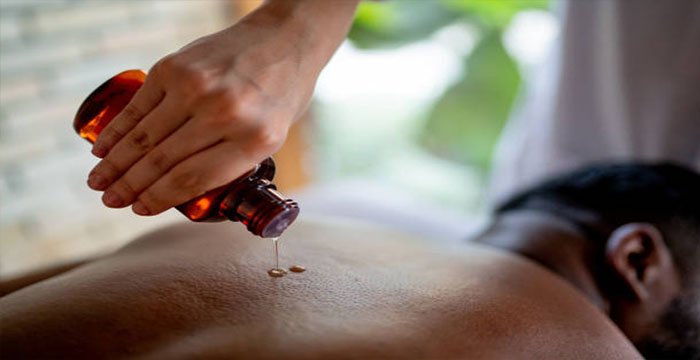
Hot oil massage focuses on warmth and glide. The oil helps hands move smoothly while the heat encourages muscles to soften. If you feel stiff but you don’t want heavy pressure, hot oil can be a sweet spot. It’s also popular for people who feel dry skin or dislike the “drag” of minimal-lotion techniques.
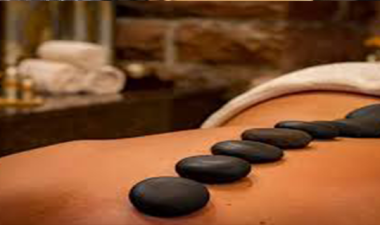
Hot stone massage uses warmed stones to deliver steady heat into big muscle groups like the back and legs. It’s especially helpful when you feel deeply tense but don’t want constant firm pressure. Heat can do part of the work, so the therapist doesn’t have to “push” as much.
A quick guide to when each one fits best:
- Stress and anxiety: aromatherapy or hot stone (gentle pressure, steady rhythm).
- Sleep support: aromatherapy with a mild, calming scent, or hot oil with slow pacing.
- Muscle warmth (tight but not injured): hot oil or hot stone, then light-to-medium pressure.
Because these styles use oils and heat, do a fast safety check before you commit:
- If you have allergies, asthma, migraines triggered by scents, or sensitive skin, tell them before the session starts.
- If you have eczema, active rashes, open cuts, or recent waxing, ask for fragrance-free products and gentler handling, or avoid oils on irritated areas.
- If you’re pregnant, confirm the spa offers pregnancy-safe positioning and avoids strong scents unless approved by your clinician.
- If you have high blood pressure or a heart condition, keep heat moderate and avoid overly hot stones.
“Fragrance-free” is a valid preference. A professional therapist won’t argue with it.
If you are in pain: how to book a session that is firm but not harmful
Pain changes the goal. You’re not chasing intensity, you’re chasing relief and safer movement. The best approach is to book a session that’s firm enough to help, but controlled enough to avoid flare-ups.
Start by knowing the difference between “good pain” and “bad pain.”
Good pain (more accurately, helpful discomfort) feels like:
- A strong, dull pressure that you can breathe through.
- A sensation that eases as the therapist holds or repeats the stroke.
- Relief that grows over the session, even if one spot feels tender.
Bad pain feels like:
- Sharp, stabbing, burning, or electric sensations.
- Numbness, tingling, or pain shooting down an arm or leg.
- Guarding, where your body tenses up and you can’t relax.
- Pain that gets worse with each pass, instead of easing.
If you feel numbness, sharp pain, dizziness, or nausea, say so immediately and ask them to stop that technique. A massage should never feel like you’re “surviving” it.
To book the right session in Kilimani, describe your pain in plain language. Skip long stories and be specific:
- Where is it (neck, lower back, right shoulder)?
- What type (tight, aching, sharp when turning)?
- How long has it been there (days, weeks)?
- What makes it worse (sitting, lifting, sleeping)?
Then use a smart plan for pressure:
- Start lighter for the first 10 minutes, even if you think you want strong pressure. This warms the tissue and shows how reactive your body is tonight.
- Focus on 1 to 2 problem areas, not everything at full force. For example, upper back plus neck, or hips plus calves.
- Build pressure in steps, like turning a volume knob, not flipping a switch.
- Ask for trigger point work only if you can tolerate it. Trigger points are those “hot spots” that refer pain. They can help, but too much too soon can backfire.
If your pain is from training or repetitive work, you can also ask for a sports-style massage. It often mixes firm strokes, stretching, and targeted work on overused areas. It’s practical and goal-based, and it suits runners, gym-goers, and anyone who stands all day.
A few people should avoid firm work until they get the right medical advice:
- Recent surgery, fractures, or severe sprains.
- Unexplained swelling, fever, or a new severe headache.
- Deep vein thrombosis history, or clot risk concerns.
- Pregnancy without a therapist trained in prenatal massage.
After a firm session, support your results with simple habits:
- Drink water, because dehydration can worsen next-day soreness.
- Eat something light if you haven’t eaten in hours.
- Take a warm shower later if your muscles feel tender.
- Keep movement gentle (a short walk helps).
Add-ons that are worth it (and how to say no to what you do not want)
Add-ons can improve a session, but only when they match your goal. The best ones feel like a useful upgrade, not a distraction. Keep it wellness-focused, and keep it clear.
Here are add-ons that are often worth it in a professional Kilimani spa:
Reflexology (feet focus)
Great when you’ve been on your feet all day, or you want relaxation without full-body intensity. It usually feels like firm thumb pressure across the soles, sometimes tender in spots.
Scalp massage
Perfect for screen fatigue, jaw tension, and stress headaches. It’s also a nice choice if you don’t want a lot of oil on your body. Many people feel calmer within minutes.
Stretching (assisted, gentle)
Useful if you feel stiff, sit for long hours, or train often. Good stretching should feel controlled and safe, not forced. Ask for “gentle mobility stretches” rather than aggressive pulling.
Body scrub (skin and circulation)
A scrub can leave you feeling fresh and smooth. Still, avoid it if your skin is irritated, sunburned, or reactive. Also skip it right after shaving or waxing.
Before you agree to an add-on, get clarity in one sentence: “What’s included in the session price, and what costs extra?” That keeps things simple and avoids awkward moments at checkout.
Setting boundaries can feel uncomfortable, but it’s part of a professional session. Use short, calm phrases that leave no room for confusion:
- “Please keep it to a massage only.”
- “No add-ons today, thanks.”
- “Avoid my abdomen and chest area, focus on back and shoulders.”
- “I prefer a quiet session, minimal talking.”
If anything feels unclear, pause the session and restate what you want. A good therapist adjusts quickly, because clear direction helps them do better work.
Finally, confirm the basics before hands-on time starts: duration (60 or 90), the exact style (Swedish, deep tissue, hot stone), pressure level (light, medium, firm), and focus areas (for example, head, neck, and shoulders). Once that’s settled, you can relax, because you’re not negotiating mid-session.
How to plan your visit in Kilimani so it is smooth, comfortable, and stress free
A last-minute “Massage Kilimani Open Now” search can feel urgent, but your visit doesn’t have to feel rushed. With a few simple choices, you can go from stressed to settled before you even reach the spa.
Think of it like boarding a flight. If you confirm the details early, arrive with time to spare, and know what to expect, your whole body stays calmer. That calm matters, because massage works better when you feel safe and comfortable.
Start with the practical basics: timing, what to wear, and how you’ll get there. Kilimani traffic can swing quickly, especially in the evening and on weekends, so add buffer time even if the spa is “nearby.” If the location is around the Jabavu House or Argwings Kodhek area (in general terms), plan for normal city factors like building security at the entrance, sign-in at reception, and a short walk from parking to the door.
Clothes can stay simple. Wear something easy to change in and out of, like a T-shirt and loose trousers. Skip heavy perfume, because scents can clash with oils or trigger headaches. Basic hygiene helps you relax too, so a quick shower before you leave can make you feel fresh, even if you’ll shower again later.
Finally, decide whether you want in-spa or home service if it’s available. In-spa works best when you want a controlled environment (quiet room, stable lighting, proper table). Home service can be great when you’re exhausted, but only if you can provide privacy, a calm space, and a safe entry process.
Booking basics: timing, payment, and cancellation in plain language
Even when a place shows “open now,” the best slots can disappear fast. Evenings and weekends are peak times, because most people finish work late, then try to squeeze in a session. As a result, you might find the spa is open, but every therapist is already busy.
Pre-booking still helps, because it does three things:
- It confirms a real start time, not “come and wait.”
- It reduces back-and-forth at the door, especially at night.
- It gives the spa time to prep your room (fresh linens, warmed oils, quiet setup).
When you message or call, lock in these details in one short exchange:
- Start time and duration (60 or 90 minutes).
- Massage style (Swedish, deep tissue, hot oil, hot stone).
- All-in price (ask if anything costs extra).
- Exact location cues (building name and what to tell reception).
- Payment method tonight (M-Pesa, cash, card).
Payment expectations vary by business. Some places take full payment after the session, while others ask for a small deposit to hold peak-hour slots. If a deposit comes up, keep it simple and professional: ask what it covers, and whether it’s refundable if they cancel or start late.
A short line works well:
- “Do you require a deposit to hold the slot, and is it refundable if plans change?”
Cancellations and reschedules should be clear before you leave home. Life happens in Nairobi, and traffic is part of it. A reasonable place will tell you how long they can hold your slot.
If you’re running late, send a quick update instead of going silent. It’s polite, and it also protects your booking.
- “Hi, I’m stuck in traffic. My updated ETA is 15 minutes. Can you still hold the slot?”
- “If that time won’t work, what’s the next available start time tonight?”
A smooth booking feels boring. You get a time, a total price, and a clear location. Anything fuzzy usually becomes a headache later.
One more practical tip: arrive a bit early if you can. Many professional spas will ask you to fill a short form, especially if it’s your first visit. That form isn’t there to judge you, it’s there to protect you.
What will happen during a professional massage session
Knowing the “flow” of a session makes it easier to relax. A professional massage follows a predictable rhythm, and you stay in control the whole time.
First, you’ll be greeted and shown where to sit or where to place your belongings. Next comes a short consultation. The therapist (or receptionist) may ask:
- What brings you in today (stress, neck pain, sore legs)?
- Where do you want focus (back and shoulders, full body, legs only)?
- Any injuries, recent surgery, pregnancy, allergies, or medical concerns?
- What pressure do you prefer (light, medium, firm)?
Be honest about pressure. Stronger isn’t “better,” it’s just stronger. A good therapist works like a volume knob, not an on-off switch.
Then you’ll be taken to a private room. The therapist will explain how to get on the table and what to do with your clothes. In a professional setting, you undress to your comfort level. Some people keep underwear on, others don’t. Either choice is normal.
You’ll lie on the table and cover yourself with a sheet or towel. This is called draping, and it’s there for warmth and modesty. The therapist only uncovers the area they are working on, then covers it again before moving on.
During the massage, expect check-ins such as:
- “Is the pressure okay?”
- “Is the room temperature comfortable?”
- “Any tenderness here?”
Speak up early. If something feels too intense, say it right away. Your body tenses when you try to “push through,” and that defeats the point.
As the session ends, the therapist will step out so you can dress in private. After that, you may get simple aftercare advice, water, or a suggestion to take your time standing up.
If tipping comes to mind, keep it pressure-free. In Nairobi, tipping norms can vary by spa and client. Some people tip when the service felt excellent, others don’t tip at all, and both happen. If you want to tip, base it on your comfort and the professionalism you experienced, not on guilt. You can also ask at reception if tipping is accepted.
Safety, privacy, and boundaries: what you should expect and what you can request
A massage should feel safe in the same way a good clinic or salon feels safe. You should never have to guess what’s okay to ask for, because clear boundaries make the session better.
Here’s what you should expect in a professional setup:
- Clean linens on the table and fresh towels.
- A private room with a door that closes.
- Respectful language and calm, businesslike communication.
- Clear pricing agreed before the session begins.
- No surprise add-ons added at the end without your approval.
- Consent before changes, for example, “Is it okay if I work on your shoulders next?”
You also have the right to request what helps you relax. Small preferences can make a big difference, especially when you’re booking late and you’re already tired.
Use simple phrases like these:
- “Please use medium pressure throughout, and check in if you change it.”
- “Avoid my neck today, it feels sensitive.”
- “Please don’t work on my lower back directly, focus on hips and glutes.”
- “I prefer a quiet session, minimal talking.”
- “No scents today please, I’m sensitive to fragrance.”
- “Please use less oil, I’m going out after this.”
If you choose aromatherapy oils, you can still set limits:
- “Use only a light amount, and keep it away from my face.”
Privacy should stay consistent from start to finish. The therapist should knock before entering, leave the room while you undress and dress, and keep you draped throughout.
On the practical side, Kilimani buildings often have security. Expect a guard desk, visitor sign-in, or a call-up to confirm you’re expected. That’s normal and can actually feel reassuring at night. If you’re driving, parking can be easy some days and tight on others, so ask early whether there’s dedicated parking or if a drop-off is easier.
If anything feels off, you don’t have to negotiate. You can end the session.
- “I’d like to stop the session now, thank you.”
Aftercare that makes your massage feel even better tomorrow
The massage doesn’t end when you step off the table. A few small choices afterward can decide whether you wake up loose and happy, or heavy and sore.
Start with water. Massage can leave you feeling thirsty, especially after deep pressure or heat-based treatments. Sip over the next few hours instead of chugging all at once.
Next, keep movement gentle. A short walk, light stretching, or easy mobility work helps your body hold onto the benefits. Avoid intense workouts right away if you had firm deep tissue work, because your muscles may feel tender.
If oils were used, think about shower timing. Some people like to shower soon to feel fresh, while others wait a few hours so the skin stays soft. If you’re heading back into the night, a quick rinse can also help you feel less oily.
Mild soreness can happen, especially after deep tissue. Treat it like post-gym tenderness:
- Heat often helps when muscles feel tight or stiff (warm shower, warm compress).
- Ice can help when an area feels irritated or “hot,” especially if it was already sensitive.
Rest matters too. If you can, keep your evening simple. Eat something light, then aim for good sleep. Your nervous system does a lot of its “resetting” overnight.
Feeling relaxed is common. Feeling worse isn’t the goal. If you have severe pain, dizziness, numbness, or symptoms that worry you, check in with a medical professional.
Why Happiness Massage & Spa in Kilimani Stands Out
When you’re searching Massage Kilimani Open Now, you’re not only looking for a massage. You’re looking for certainty, a clean space, and a session that starts close to the time you were promised. That’s where a well-run spa stands out, because the experience begins the moment you ask, “Are you available tonight?”
If you’re comparing options in Kilimani, Happiness Massage & Spa stands out for one simple reason: it’s easy to judge professionalism fast. Clear answers, calm communication, and a smooth booking flow often tell you more than any ad.
They make “open now” feel real, not like a gamble
Some places say they’re open, but can’t confirm a real start time. The difference with a reliable spa is how they handle details. You want a quick yes or no, then a specific slot, not a long back-and-forth.
A good “open now” experience usually includes:
- A confirmed start time: You should hear something like “We can start at 8:30 pm,” not “Just come.”
- Clear location guidance: Building name, floor, and the easiest entry at night.
- A straight answer on therapist availability: On-site now, or arriving at a stated time.
That clarity matters because Kilimani traffic and building access can waste your evening. When the spa treats your booking like an appointment (not a maybe), you arrive calmer, and your body relaxes faster on the table.
If they can’t confirm time, place, and total price in one chat, keep looking. Your night is too valuable.
Their service feels structured, which protects your comfort
A standout spa doesn’t rely on “strong hands” alone. It follows a repeatable, professional flow that keeps you comfortable, especially on a last-minute booking. You can feel the difference in the small things, because small things reduce anxiety.
Look for signs of structure, such as:
- A quick consultation before the session (pressure level, focus areas, any injuries).
- Clear boundaries and draping throughout the massage.
- Simple choices that match your goal, like Swedish for stress, or firm work for tight shoulders.
If you want a more therapy-led approach, it helps to understand what “therapeutic” can mean in a spa setting (targeted work, controlled pressure, and a plan). This overview of Singing Bowl Therapy also shows how some Kilimani spas offer relaxation options beyond standard massage, which is useful if your mind feels as tense as your muscles.
They reduce the two biggest booking problems: price surprises and mismatched expectations
Most people don’t fear the massage. They fear the awkward moments around it, like unclear pricing, upsells, or being pushed into a style they didn’t ask for. A spa that stands out handles these issues early.
Before you confirm your slot, a trustworthy team will help you lock in:
- The exact massage style (Swedish, deep tissue, hot stone, hot oil).
- The duration (60 or 90 minutes) and the end time.
- The total cost tonight (including any add-ons, if you choose them).
- Your preferences (quiet session, scent-free, medium pressure).
That last point matters more than people think. When your expectations match the therapist’s plan, the session feels like a good fit, not a negotiation. As a result, you spend less time explaining and more time breathing, letting your shoulders drop, and finally switching off.
Conclusion
When you search for Massage Kilimani Open Now, the best results come from three simple habits that save time and stress. First, verify “open now” in a practical way, confirm a real start time, the exact location details, and the total price before you leave. Clear answers matter more than posted hours.
Next, pick the massage type that fits how you feel tonight. Swedish works well for stress and sleep, while deep tissue suits stubborn tightness when you can handle firmer pressure. If you want warmth and calm without heavy pressure, hot oil or hot stone can be a better match.
Finally, plan for a smooth visit so you arrive relaxed, not rushed. Allow for traffic and building access, wear easy clothes, and decide on your boundaries early (pressure level, quiet session, and scent preferences). That clarity protects your comfort and keeps the session professional.
Thanks for reading. Reach out to a trusted Kilimani spa now, confirm availability, and communicate your needs clearly so you can walk in confident and leave feeling better.