
Swedish Massage in Kilimani: What to Expect, Benefits, and Safety Tips
Kilimani days can leave your body tight and tired. Long hours at a desk, time in traffic, and a hard gym session can stack up fast, then stress shows up in your shoulders, lower back, and jaw.
A Swedish Massage is one of the most common ways to reset when you want to relax without anything too intense. It uses smooth, flowing strokes (plus gentle kneading and light stretching) with gentle-to-medium pressure to warm the muscles and help you feel looser. In other words, it’s designed to calm your nervous system while easing everyday tension.
This guide will walk you through what a typical session in Kilimani feels like, from the first consultation to the last few minutes on the table. You’ll also get a clear look at the real benefits people notice (like better sleep, less stiffness, and a calmer mood), plus who Swedish massage helps most, and when it might not be the right choice.
If you’re trying to pick a good spa nearby, you’ll learn what to look for, what to ask before booking, and how to spot clean, professional practices. Finally, you’ll get simple before-and-after tips, so you show up comfortable, get the most out of your session, and keep that relaxed feeling for longer.
What happens during a Swedish massage, strokes, pressure, and how it should feel
A Swedish Massage session in Kilimani usually follows a calm, predictable flow, so you can relax because you know what comes next. After you arrive, the therapist will ask a few quick questions about tension, injuries, and the pressure you prefer. Then you will be shown to a private room, given time to undress to your comfort level, and lie on the table under a sheet.
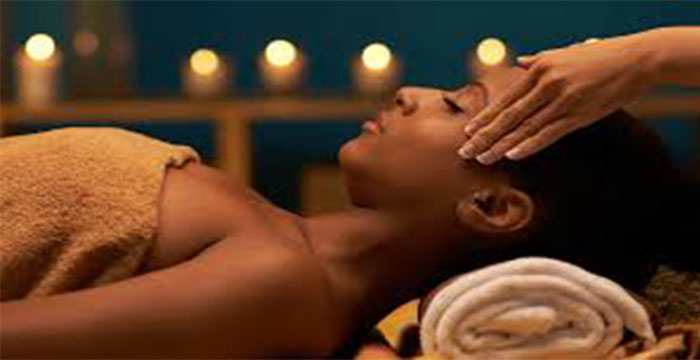
Next comes draping, which means only the area being worked on is uncovered. This keeps things professional and helps you feel safe and warm. The therapist typically uses a small amount of oil or lotion, just enough to help their hands glide smoothly without pulling your skin. Soft music often plays in the background, and many rooms keep the lighting low to help your mind slow down too.
Sessions commonly come in 60, 90, or 120 minutes. A 60-minute session suits full-body relaxation when you are short on time. A 90-minute session gives extra focus to problem areas like shoulders and lower back. A 120-minute session works well if you want slow, unhurried work and longer time on tight spots.
Finally, after the massage, you will get a moment to get dressed in privacy. At checkout, you can share feedback, ask about aftercare, and decide when to book next, based on how your body feels over the next day.
The classic Swedish massage techniques, explained in plain language
Swedish Massage is built around a few classic moves. You do not need to know the names, but it helps to understand what your therapist is doing, and why it feels the way it does.
Effleurage (long gliding strokes) usually comes first. It feels like smooth, warm strokes that travel along your muscles, often toward the heart. Therapists use it to spread oil, warm the tissue, and help your nervous system settle. If you have been tense all day, effleurage is the part that often makes your shoulders drop without you trying.
Petrissage (kneading and squeezing) feels more like someone gently working dough, lifting and rolling muscle between their hands. You may feel pressure in thicker areas like the upper back, thighs, and hips. Therapists use petrissage to reduce that “stuck” feeling in tight muscles and improve circulation in the area.
Friction (small, focused rubbing) is more targeted and slower. It can feel intense in one spot, like firm circles or short back-and-forth strokes. This is often used around knots, along the shoulder blades, or near the lower back where tension likes to hide. It should feel like productive pressure, not sharp pain.
Tapping (rhythmic percussion) can feel like light drumming with the edge of the hand or fingertips. Some people find it energizing; others just notice it wakes up the area. Therapists use tapping to stimulate muscles and finish an area before moving on.
Gentle stretching might show up near the end, especially for hips, hamstrings, or the neck. It feels like a slow, careful lengthening, never forced. Stretching helps restore range of motion, so your body feels more open after you get off the table.
One simple way to get more benefit is to match the pace with your breath. Breathe in through your nose, then exhale slowly as the therapist presses or stretches. Also, try not to “help” by tensing. Let your limbs feel heavy, like they are sinking into the table.
If you are holding your breath, your body is bracing. Slow exhale signals safety, and muscles often soften faster.
Relaxation vs deep pressure, how to ask for what you want
A Swedish Massage is usually relaxing, but it is not locked to one pressure level. You can ask for lighter or deeper work at any time, and a good therapist expects that feedback. The goal is relief, not suffering.
Use short, clear phrases. They are easy to say even when you are half-asleep on the table, for example:
- “A bit lighter on the calves, please.”
- “More focus on my shoulders and neck.”
- “That spot feels tender, can you ease up?”
- “You can go deeper, but keep it slow.”
- “Please avoid my lower back today.”
- “Can you spend an extra minute on the right side?”
Many therapists use a 1 to 10 pressure scale to keep things simple. Think of it like this:
- 1 to 3: Very light, soothing, great for stress and sensitivity.
- 4 to 6: Medium, the common Swedish range, you feel pressure but can stay relaxed.
- 7 to 8: Deep and strong, best for thick muscles, only if your body responds well.
- 9 to 10: Too much for most people, often makes you tense or sore.
A helpful target is a “good hurt” that stays in the 4 to 7 range, depending on the area. If you find yourself tightening your jaw, lifting your shoulders, or holding your breath, the pressure is probably too much.
Some areas are naturally sensitive, like the front of the neck, the inner thigh, the back of the knee, and parts of the lower back near the spine. Speak up early if you are ticklish, bruised, or sore from the gym. Pain is not the goal, and sharp pain is a stop sign.
Mild soreness the next day can be normal, especially if you had lots of tension. However, sharp pain, tingling, burning, or numbness is not normal. If that happens during the session, ask the therapist to stop or change approach right away.
Which areas get the most attention and why shoulders and lower back matter
In Kilimani, many clients spend hours sitting, driving, typing, and looking down at phones. That daily posture often shows up in the same places, even if you do not feel it until you finally slow down on the table.
Neck and shoulders carry the load when your head sits forward, like a heavy ball held out in front. Over time, those muscles act like they are always on duty. During a Swedish Massage, therapists often spend extra time here because relaxing the shoulder area can make your whole body feel calmer.
Upper back tightness is also common, especially between the shoulder blades. If you work at a laptop or hunch during traffic, this area can feel like a stiff board. Slow strokes and kneading help it soften without needing extreme pressure.
Lower back and hips matter because they connect your upper body to your legs. Long sitting can shorten hip flexors and strain the lower back, even if you exercise. Many people feel relief when the therapist loosens the hip area and the muscles alongside the spine (without pressing directly on the bones).
Legs and feet often need more attention than people expect. Walking, gym sessions, and standing all day can leave calves and arches tight. When those areas relax, your whole body can feel more grounded.
Before your session, do a quick mental check. You do not need a long story, just clear details:
- Top 3 tight areas (for example, “right shoulder, lower back, calves”).
- Any injuries or medical issues (old strains, recent surgery, pregnancy, numbness, varicose veins).
- Your preferences (light or medium pressure, avoid feet, more time on neck, no scalp work).
That 20-second check helps the therapist tailor the session, and it helps you get what you came for.
Common add ons that pair well with Swedish massage
Add ons can be useful, but only when they match your goal and your budget. If you are already stressed, keep it simple. If you want targeted relief, choose one extra that supports it.
Aromatherapy pairs well with Swedish Massage because scent can influence mood quickly. Lavender is often linked with sleep and calm, while citrus scents can feel more uplifting. If you get headaches from strong smells, ask for a very light amount or skip it.
Hot towels feel like a warm compress and can help tight areas relax faster, especially shoulders, back, and feet. Heat is also comforting if you tend to feel cold during a massage.
Scalp massage is a good choice when stress sits in your head, jaw, and temples. It can also help people who struggle to switch off mentally.
Foot work works well if you stand, walk a lot, or wear tight shoes. Even 10 minutes on feet can change how your legs feel when you leave.
Gentle stretching is helpful if you feel stiff from sitting or training. It often fits best at the end, when muscles are warm and less guarded.
A practical way to choose is to match the add on to your main aim. If your aim is sleep, pick aromatherapy or scalp. If your aim is muscle tension, choose hot towels or stretching. If your aim is everyday comfort, add a bit of foot work and keep the rest basic.
Real benefits of Swedish massage, stress relief, better sleep, and easier movement
A Swedish Massage can feel simple, slow strokes, gentle kneading, steady pressure, yet the effects can be real. Most people notice the biggest changes in how they feel after a long workday, after workouts, or during a stressful season. You might stand up from the table feeling quieter inside, like your body finally got the message that it can stop bracing.
These benefits are not magic, and they are not a substitute for medical care. Still, when you use Swedish massage the right way, it can support relaxation, ease everyday muscle tension, and help you move with less effort.
Stress and anxiety support, why your body feels calmer afterward
Stress often lives in the nervous system first, then shows up in the body. When you are stuck in “fight or flight,” your muscles stay slightly switched on, your breathing gets shallow, and your mind keeps scanning for problems. Slow, predictable touch helps send the opposite signal, “You are safe right now.”
During a Swedish Massage, long strokes and steady pressure can encourage your body to shift toward “rest and digest.” Think of it like taking your foot off the accelerator and letting the engine idle. As a result, your shoulders drop, your jaw unclenches, and your breath starts to move lower into your belly.
Common signs your body is letting go include:
- Deeper breathing without trying, especially long exhales.
- A heavy, sleepy feeling, like a warm blanket over your mind.
- Stomach sounds or a gentle feeling of hunger later (a normal “rest and digest” sign).
- Emotional release, like a sigh, a sudden calm, or even watery eyes.
That calm can fade fast if you jump straight back into noise, screens, and errands. To stretch the relaxed feeling through the day, keep things simple. Give yourself at least 10 minutes after the session before you drive or take calls, if you can. Then treat your body like it’s cooling down after exercise.
A few easy ways to stay calmer for longer:
- Slow your first hour: avoid rushing into traffic or heated conversations.
- Keep your shoulders low: every time you check your phone, drop them on purpose.
- Use a 60-second reset: inhale through your nose, then exhale a bit longer than you inhaled, repeat five times.
- Choose gentle input: soft music, a warm shower, or a quiet meal helps your nervous system stay settled.
The best sign a massage worked for stress is not just “I felt good.” It’s “I reacted less” when the day tested me.
Sleep improvement, how to turn a massage into a better night
If you often lie in bed tired but wired, Swedish massage can help you arrive at bedtime already relaxed. The key is timing and what you do afterward. A great session can still end in poor sleep if you follow it with heavy food, too much caffeine, or intense screen time.
When possible, book late afternoon or evening. That way, your body can slide from massage straight into a slower night, instead of snapping back into work mode. Even if you book earlier, you can still set up your evening to support sleep.
Here is a simple plan that works for many people:
- Choose the right time: late afternoon or early evening is often ideal.
- Keep the night light: dim lights at home and avoid loud places after.
- Hydrate normally: drink water, but don’t overdo it right before bed.
- Skip heavy meals: go for a lighter dinner, especially if your session was late.
- Watch caffeine timing: avoid caffeine later in the day, and keep it minimal if you’re sensitive.
After the appointment, a short wind-down routine makes the sleepy effect more likely to stick. Try this gentle sequence when you get home:
- Take a warm shower (or just wash your face and hands with warm water).
- Put your phone on silent, then step away from it for 30 minutes.
- Do five minutes of slow stretching, focusing on neck, chest, hips, and calves.
- Sip a caffeine-free drink, then read a few pages of something easy.
If you wake up the next morning feeling looser, that is a good sign your body used the session as a reset. Over time, some people notice they fall asleep faster because their muscles stop “holding the day.”
Muscle tension and workout recovery, what it can and cannot do
A Swedish Massage is a solid choice when your muscles feel tight from daily life or training. After a gym session, you might get DOMS (delayed onset muscle soreness). That is the stiff, tender feeling that often hits 24 to 48 hours after you work out, especially after new exercises or heavier loads.
Swedish massage may not erase DOMS, but it can make soreness feel more manageable. For example, gentle-to-medium pressure can warm the tissue, encourage circulation, and help your nervous system stop guarding the area. Many people also move better afterward because the muscles feel less “sticky.”
It helps to set the right expectation. Swedish massage can support recovery, yet it has limits:
- It can reduce the feeling of tightness and improve comfort.
- It can help you relax so your body rests better, which supports recovery.
- It cannot fix a torn muscle, ligament injury, or serious joint problem.
- It cannot “flush toxins” out of your body (your liver and kidneys handle waste).
If you train hard, timing matters. A light session the day after a tough workout can feel great. On the other hand, very deep work on already sore muscles can leave you more tender. Tell your therapist you worked out recently, then ask for a slower approach on painful spots.
Pay attention to warning signs that need a clinician, not a massage. Get medical advice if you have sharp pain, swelling, bruising that spreads, numbness, tingling, or weakness. Those symptoms suggest something more than normal soreness.
Soreness that feels dull and improves with gentle movement is common. Sharp pain that stops you in your tracks is not.
Headaches and jaw tension, when a gentle approach helps
Many headaches are tension-related. Long hours at a desk, driving in traffic, and stress can tighten the neck, shoulders, and muscles around the skull. When those areas stay tense, you may feel a band of pressure across your forehead, temples, or the base of your head.
A Swedish Massage can help some people by easing the tight chain from upper back to neck to scalp. Gentle work around the shoulders, neck sides, and the base of the skull can lower that “pulled tight” feeling. Light scalp massage can also feel soothing, especially if you carry stress in your head and face.
Jaw tension is another common one in Kilimani, especially if you clench during work or grind your teeth at night. You do not need aggressive pressure to get relief. Often, slow relaxation of the neck, shoulders, and upper chest helps the jaw soften on its own. If your spa offers it and you are comfortable, you can ask for gentle work around the jawline and temples (external only).
A few ways to support the effect at home:
- Keep your tongue resting lightly on the roof of your mouth, behind the front teeth.
- Place a warm towel on your neck for 10 minutes.
- Avoid chewing hard foods that day, like tough meat or lots of gum.
Headaches also have red flags. If you get a new, sudden, or intense headache, or your headache comes with fever, fainting, vision changes, or weakness, get medical advice. The same goes for migraines that change pattern or feel unusually severe.
Is Swedish massage right for you, safety tips, pricing, and how to choose a spa in Kilimani
Swedish Massage is a great fit if you want to relax, ease everyday tightness, and leave feeling lighter without heavy, painful pressure. It often works well for desk stiffness, general stress, post-workout fatigue (when you keep pressure moderate), and people who just want their body to soften and breathe again.
At the same time, a good session depends on clear communication and a spa that takes hygiene and consent seriously. Think of it like choosing a haircut. The technique matters, but so does the person doing it, the cleanliness, and how safe you feel in the chair.
Pricing in Kilimani varies by session length, spa standards, and therapist experience. As a simple rule, longer sessions cost more, and add-ons (hot towels, aromatherapy, extra focus time) raise the total. Before you book, ask for the full price upfront, what the time includes (hands-on time vs change time), and whether tips are expected.
On tipping: it depends on the spa. Some places build service into the price, others don’t. If tipping is common at the place you choose, 10% is a polite guide when you loved the service. Still, you never have to tip to get basic respect and professionalism.
Who should be extra careful and what to tell your therapist first
Most people can enjoy Swedish Massage safely, especially with light-to-medium pressure. However, a few situations need extra care because massage can affect circulation, inflammation, and healing tissues.
Be extra cautious (and check with a clinician when unsure) if any of these apply:
- Pregnancy: Massage can be safe, but positioning and pressure need adjustment. Ask for a therapist trained in prenatal care and avoid deep abdominal work.
- High blood pressure that isn’t well managed: Massage can feel relaxing, yet uncontrolled blood pressure raises risk. Get medical guidance first.
- History of blood clots (DVT) or clotting disorders: Avoid massage until your doctor says it’s safe. Deep pressure on legs can be risky.
- Recent surgery: Healing tissues need time. Get clearance, and tell your therapist what area to avoid.
- Fever or active illness: Reschedule. Your body needs rest, and you don’t want to spread germs.
- Skin infections or rashes: Avoid massage on affected areas, and often postpone the session.
- Open wounds or fresh burns: These should never be massaged. Cover and protect the area.
- Severe varicose veins: Massage around the area may be fine, but direct deep work over veins is a no.
A quick disclosure before you start prevents most problems. Keep it simple and honest, even if it feels personal. You can use this short list:
- Meds and supplements (especially blood thinners, pain meds, anti-inflammatories).
- Allergies or sensitivities (oils, scents, latex).
- Injuries or surgeries (recent or old, plus where it hurts now).
- Pregnancy or postpartum status.
- Pain areas and “no-go” zones (for example, “avoid my lower back” or “my right shoulder is injured”).
If you’re not sure whether massage is safe for your condition, call your doctor first. One quick check can save you a lot of stress later.
If something feels off, say it early. A good therapist will adjust without making it awkward.
How often to get a Swedish massage, from occasional treats to a routine
Frequency depends on your goal, your stress level, and how your body responds. One Swedish Massage can feel amazing, but results often build when you space sessions in a steady way.
Here are practical ranges that work for many people:
- Once a month: A solid option for general stress, light stiffness, and maintaining a relaxed baseline.
- Every 2 to 3 weeks: Best when you have ongoing tension from work posture, frequent travel, or regular gym training.
- Weekly short sessions (30 to 45 minutes): Helpful during high-stress periods or when your body keeps tightening up fast. Shorter sessions can also fit a tighter budget.
Your budget matters, so plan a rhythm you can keep. A routine you can afford beats a one-time session that leaves you stressed about money.
Also, listen to your body. If you feel great for two days then tighten up again, you may need closer spacing for a while. On the other hand, if you’re sore for more than a day after each session, reduce pressure, shorten the session, or increase the time between visits.
To make a smart choice, track changes over 3 to 4 sessions. Notice sleep, headaches, mood, and how your tight areas behave at work. If nothing improves after a few tries, switch therapists, change pressure, or consider another type of treatment.
What a quality Swedish massage experience looks like, cleanliness, consent, and comfort
A great Swedish Massage feels relaxing, but it should also feel professional. Cleanliness, boundaries, and clear communication are not extras. They are the basics.
Here are must-haves you should expect from a quality spa in Kilimani:
- Clean linens every session: Fresh sheets, clean face cradle cover, no strange smells.
- Fresh oils or lotion: Product should look and smell normal, and the therapist shouldn’t reuse old product from open containers.
- Clear draping: Only the area being worked on gets uncovered, and you stay covered the rest of the time.
- Consent for sensitive areas: The therapist asks before working near glutes, inner thighs, chest area, or anywhere you might find uncomfortable.
- Professional language and tone: No flirting, no personal comments about your body, no pressure to accept extras.
- You control the session: You can ask for less pressure, more coverage, or to stop at any time.
Red flags are usually obvious once you name them. Leave or end the session if you notice:
- Dirty room, stained towels, or reused sheets.
- The therapist ignores your pain or keeps pushing pressure after you asked them to stop.
- Poor draping, “accidental” exposure, or touching that feels sexual.
- The therapist tries to isolate you, block the door, or stop you from leaving.
- You feel scared, frozen, or unsafe, even if you can’t explain why.
If you need to leave, keep it simple and calm. Say, “I’m not comfortable, I need to stop now.” Ask for the lights on, sit up, and get dressed. If you feel unsafe, call someone you trust and leave the room. Your comfort is not negotiable.
What to do before and after your appointment to feel the difference longer
Small choices before and after your Swedish Massage can make the relaxed feeling last longer. Think of massage like charging a battery. The session gives you power, but your habits decide how fast it drains.
Before your appointment, set yourself up for comfort:
- Arrive 10 to 15 minutes early, so you don’t carry rush into the room.
- Avoid heavy meals for 1 to 2 hours beforehand, because lying face-down on a full stomach feels awful.
- Share preferences right away (pressure level, focus areas, what to avoid).
- Remove jewelry, especially necklaces, watches, and big earrings.
- Wear something easy to change out of. When in doubt, simple clothes win.
After your session, treat your body like it just finished a gentle workout:
- Drink water over the next few hours (normal amounts, not forced).
- Do light stretching, especially neck, chest, hips, and calves.
- Take a warm shower if you can, since it keeps muscles soft.
- Avoid intense workouts for a few hours, especially if you had deeper pressure.
- Watch for bruising or unusual pain. Mild tenderness can happen, sharp pain is a warning sign.
Use this simple next-day checklist to judge how your body handled the session:
- You feel looser in your usual tight spots.
- Sleep feels better, or you wake up with less stiffness.
- Soreness is mild and fades within 24 hours.
- No spreading bruises, numbness, or sharp pain.
If you notice strong pain, dizziness, or bruising that surprises you, contact a clinician. For your next session, lower the pressure and give clearer feedback early.
Swedish massage at Aroma Massage and Spa in Kilimani, what to expect and how to book
If you want a Swedish Massage that feels calm, professional, and not rushed, Aroma Massage and Spa in Kilimani is set up for that kind of visit. Expect a quiet room, a clear consultation, and a therapist who checks in on pressure so you can relax instead of bracing.
This section walks you through the experience from booking to checkout, so you know what will happen before you arrive. If you’re a first-timer, that clarity matters because nerves and stress love uncertainty.
The vibe in Kilimani and why it affects your whole session
Kilimani moves fast. Traffic, work calls, and a full calendar can keep your body stuck in “on” mode. A good Swedish Massage works best in a space that helps you slow down from the moment you enter, not only when the massage starts.
At Aroma Massage and Spa, the goal is a calm setting that supports relaxation. That usually means low noise, a private treatment room, and a therapist who treats comfort and boundaries as part of the service. When the room feels safe and quiet, your shoulders tend to drop faster, and your breathing settles without effort.
You will also notice the small things that shape the session:
- Clean, fresh linens that signal good hygiene.
- A comfortable table setup (face cradle, towel placement, room temperature).
- A steady pace so the massage feels like a slow exhale, not a quick fix.
If you arrive stressed, give yourself a few minutes to adjust. Even sitting still and taking five slow breaths can change how your body responds to touch.
What happens when you arrive, step-by-step from hello to the table
Knowing the flow helps you relax sooner. Most Swedish Massage sessions follow a simple routine, and you can ask questions at any point.
Here is what you can expect on arrival:
- Quick check-in and consultation: You share what hurts, what you want, and what to avoid.
- Pressure preference: You agree on light, medium, or medium-firm pressure (and you can change it later).
- Privacy to change: You undress to your comfort level and get under the sheet.
- Professional draping: The therapist only uncovers the area being worked on.
- The massage begins slowly: Expect long, gliding strokes first, then gentle kneading where you hold tension.
During the session, good therapists check in without interrupting the calm. They may ask, “Is the pressure okay?” or “Do you want more focus on the shoulders?” That is your cue to be honest. Your body should feel supported, not tested.
Afterward, you usually get a moment alone to sit up slowly, breathe, then dress. Some people feel sleepy or floaty for a few minutes. That is normal. Plan to stand up like you just woke from a nap, not like you’re jumping off a mat at the gym.
If anything feels too intense, say so early. The best Swedish Massage feels safe, steady, and easy to breathe through.
What to share when booking so the therapist can tailor your Swedish Massage
Booking is not only picking a time. A few details help the spa match you with the right therapist and style. It also prevents awkward surprises once you are on the table.
When you book, share the basics first, then add the details that matter:
- Preferred day and time: Mention if you want a quiet hour (early morning, late evening).
- Session length: 60 minutes for full-body relaxation, 90 minutes for more focus on problem areas.
- Pressure level: Light, medium, or medium-firm.
- Top focus areas: For example, neck and shoulders, lower back, hips, calves.
- No-go zones or sensitivities: Ticklish feet, sore ribs, painful lower back, scalp sensitivity.
- Recent workouts or injuries: Even a “small” strain changes how a therapist works.
If you have allergies or dislike strong scents, say it upfront. Oils and lotions vary, and this one detail can make the difference between bliss and irritation.
Also, be clear about your goal. Do you want deep relaxation, or do you want help with stiffness from desk work? Swedish Massage can do both, but the pacing and pressure need to match what you came for.
How to book at Aroma Massage and Spa in Kilimani (simple and fast)
Booking should feel easy, not like another task on your to-do list. Aroma Massage and Spa usually supports both call and WhatsApp-style booking, so you can choose what feels simplest.
A straightforward booking flow looks like this:
- Send your preferred time window (for example, “today between 5 pm and 7 pm”).
- Choose your session length (60 or 90 minutes if you’re unsure).
- Share pressure and focus areas in one sentence.
- Confirm the price and the location details before you leave home.
- Arrive a bit early so you start calm, not rushed.
If you’re booking last minute, be flexible with time and therapist choice. If you want a specific therapist or a specific vibe (very gentle, more athletic, extra focus on upper back), book earlier and mention that preference.
One more thing, keep your phone on silent once you arrive. A Swedish Massage works best when your nervous system is not getting pulled back into messages and calls.
Privacy, professionalism, and comfort, what you should expect every time
A relaxing massage is not enough if you do not feel safe. Professional standards are part of the service, and you should expect them without needing to negotiate.
At a minimum, a professional Swedish Massage experience includes:
- Clear draping and boundaries: Only the area being worked on is uncovered.
- Consent for sensitive areas: Glutes and upper thighs should never be worked on without permission.
- Respectful communication: No flirting, no comments about your body, no pressure to add services.
- Freedom to stop: You can pause or end the session at any time.
If something feels off, trust that signal. You do not need a long explanation. A simple “Please stop, I am not comfortable” is enough.
Comfort is not a luxury in massage. It is the foundation that makes your muscles let go.
Mini FAQ for first-timers at Aroma Massage and Spa
Getting your first Swedish Massage can bring a few nervous questions. These quick answers help you show up confident and relaxed.
Do I have to fully undress for a Swedish Massage?
No. Undress to your comfort level. You will stay covered with a sheet, and the therapist will uncover only the area being worked on.
What session length should I book as a first-timer?
A 60-minute session is a safe starting point for full-body relaxation. Choose 90 minutes if you want extra focus on shoulders, neck, or lower back.
Will it hurt?
Swedish Massage should not feel sharp or scary. You may feel tender pressure on tight knots, but you should still breathe normally. If you tense up, ask for lighter pressure.
How private is the session?
You should have a private room and privacy to change. Draping should stay secure throughout the massage.
What if I feel uncomfortable during the massage?
Speak up right away. Ask for a change in pressure, ask to avoid an area, or end the session. A professional therapist will respect that without debate.
Conclusion
Swedish Massage is a simple, effective way to calm your body and ease everyday tightness. With long, flowing strokes and gentle-to-medium pressure, it helps your nervous system relax, so you leave feeling lighter, looser, and more settled.
This style works well for desk stiffness, stress, mild workout soreness, tension headaches, and anyone who wants relief without heavy pressure. Still, results depend on clear communication, so share your focus areas, injuries, and pressure preference before the session starts. A little prep also goes a long way, eat light beforehand, arrive early, and plan a slower hour after so the relaxation lasts.
Most importantly, choose a trusted Kilimani spa that takes hygiene, consent, and draping seriously, because feeling safe is what lets muscles release. Thanks for reading, when you’re ready for a calm, professional Swedish Massage in Kilimani, book a session at Aroma Massage & Spa and give your body a proper reset.