Massage Nairobi Guide: Styles, Safety Tips, Prices, and What to Expect

Massage Nairobi

Nairobi can wear you down fast, long workdays, tight deadlines, and that stop and go traffic that leaves your shoulders up to your ears. Add gym soreness, hours on your feet, or too much time hunched over a laptop, and it’s no surprise so many people book a session just to feel normal again. Massage Nairobi isn’t about luxury only, it’s become a practical way to reset your body and head.

This guide breaks it down in plain terms, so you can pick a style that matches what you need. You’ll learn the common options people ask for, from gentle relaxing sessions to deeper work for stiff backs and tired legs, plus when each one makes sense.

Safety matters too, especially when you’re choosing a therapist or spa for the first time. You’ll see what to look for in hygiene, professionalism, clear communication, and consent, as well as the simple questions to ask before you book so you don’t end up with the wrong pressure or a rushed session.

Price is another big reason people hesitate, so we’ll also cover what usually affects cost (time, add-ons like hot stones, location, and therapist experience) and how to compare options without guessing. If you want a quick reference point, check these massage rates and pricing to see how session length and extras can change the total.

By the end, you’ll know what to expect from check-in to aftercare, how to get the most value, and how to leave feeling lighter instead of just temporarily relaxed.

What makes a great massage in Nairobi, and how to spot it fast

A great Massage Nairobi experience feels personal, safe, and effective. You should notice the difference within minutes, not only when you stand up from the table. The best sessions match the right technique to your goal, use the right pressure for your body, and happen in a clean, calm space where you can fully switch off.

If you want a quick way to judge quality, use this simple pre-book checklist:

  • Goal fit: They ask what you want (relaxation, pain relief, sleep), not just “full body?”
  • Clear boundaries: They explain draping, consent, and what’s included.
  • Clean basics: Fresh linens, clean room, sanitized hands.
  • Real communication: They check pressure and encourage feedback.
  • No rush: You get a brief consult and aftercare tips.

If a place feels hurried, vague, or pushy before you book, the massage usually feels the same.

Start with your goal: relax, recover from pain, or improve sleep

Your body responds best when the massage matches what you actually need. If your goal is deep relaxation, aggressive pressure can backfire, because it wakes up your nervous system and makes you guard. On the other hand, if you want to loosen stubborn knots, feather-light strokes may feel nice but change little.

Think of pressure like volume on a speaker. Too low and you miss the message. Too high and it becomes noise. The sweet spot depends on your goal, your pain level, and your stress load that day.

Here are quick, real-life examples that make choosing easier:

  • Office neck tension (screen hunch, tight traps): Start moderate, then focus on neck, shoulders, upper back. A therapist should ease in slowly, because sudden deep pressure often causes you to tense more.
  • Low back ache (stiffness after sitting or standing long hours): A mix works best, broad strokes to warm the area, then deeper work on hips and glutes. If sharp pain shoots down the leg, keep it gentle and mention it early.
  • Post-workout legs (heavy quads, calves, sore hamstrings): Sports-style flushing and firm strokes can reduce that “tight rubber band” feeling. Still, day-after soreness needs controlled pressure, not a fight.
  • Stress headaches (jaw, temples, neck tension): Gentle neck work plus scalp and face techniques often help more than deep tissue. If you grind your teeth, jaw and upper neck work can bring fast relief.
  • Poor sleep (wired but tired): Slow, rhythmic strokes, lighter pressure, and quiet pacing help the body drop into rest mode. Many people do well with calming styles like a relaxing massage services session.

Gentle massage is often the better choice when you are new to massage, feel run down, bruise easily, or you are carrying a lot of stress. It can also suit migraines, sleep issues, or days when your body feels sensitive. Deep pressure should feel “good-strong,” not sharp, and you should still breathe normally.

One more tip: if you want real change for chronic tightness, consider time as part of the goal. A 60-minute session can help, but many bodies need 90 minutes so the therapist can warm up tissue first, then work deeper without rushing.

Therapist skill and professionalism: what to look for before you book

A skilled therapist does not guess. They ask, they listen, then they adjust. You should feel respected from the first message to the moment you leave. In Nairobi, where options vary a lot, professionalism is the fastest way to separate a serious practice from a risky one.

Start with training and experience. You do not need a long CV, but you should get clear answers about how long they have worked and what they handle often (back pain, sports recovery, relaxation). Reputable spas also welcome questions about hygiene and boundaries, because those are normal parts of safe care. Some spas in Kenya also mention accreditation with industry bodies like the Spa Wellness Association Kenya, which reflects a focus on standards, ethics, and operations.

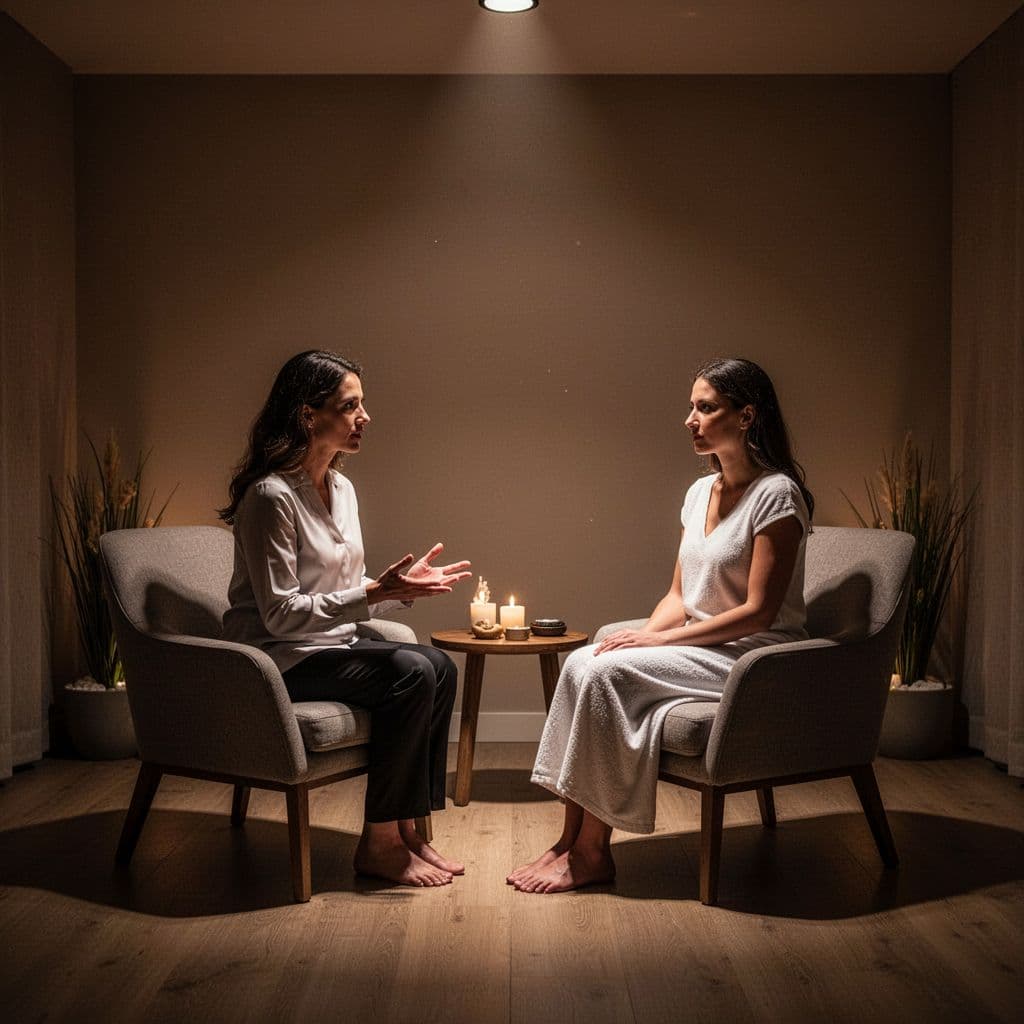
Communication matters just as much as technique. Before the session, they should ask about your goals, injuries, and pressure preference. During the massage, they should check in and accept feedback without ego. After all, a good therapist works with you, not on you.

Also watch for these professionalism signals:

  • Consent and draping: You stay covered, and only the area being worked on is exposed. They should ask before moving towels or working near sensitive zones.
  • Hygiene habits: Clean hands before contact, clean linens, clean tools (if used). If you do not see it, it is okay to ask.
  • Punctuality and timing: A “60-minute massage” should not turn into 40 minutes of hands-on time. Clear timing builds trust.
  • Boundary clarity: Reputable places explain what is included and what is not, without awkwardness or vague hints. If you hear sexual talk, “special offers,” or pressure to accept extras, leave.

When you are booking on phone or WhatsApp, a few direct questions save you time and disappointment. Keep it simple:

  1. “Have you worked with my issue before (neck tension, low back pain, post-workout soreness)?”
  2. “What session lengths do you offer, and how much of that is hands-on time?”
  3. “Do you do light, medium, and deep pressure, and can I change pressure during the session?”
  4. “Do you have any health questions I should answer before I come in (injury, pregnancy, high blood pressure, diabetes)?”
  5. “How do you handle draping and privacy, and can you explain your boundaries clearly?”

If the answers feel patient and specific, that is a strong sign. If they feel rushed, defensive, or unclear, keep looking.

Clean, calm, and consistent: the spa basics that affect your results

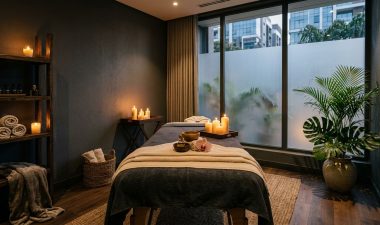
The room is not just background. It changes how your nervous system behaves, which changes how your muscles release. A clean, calm space helps your body drop its guard, so the therapist can work without needing to force pressure.

Start with the obvious: fresh linens should look and smell clean, and the face cradle cover should be changed for every client. The room should feel tidy, and oils or lotions should not leave sticky residue on surfaces. Hygiene is not about luxury, it is about safety.

Next comes comfort, because comfort is what tells your body it is safe. Temperature matters more than people think. If you feel cold, your muscles tighten, and deep work becomes uncomfortable fast. Noise is another big one. If the walls are thin and you hear loud conversations, you stay alert, and relaxation takes longer.

Consistency also shows in the small details:

  • The therapist offers a short consultation before starting, even if it is just two minutes.
  • They explain how you should position yourself, and they adjust pillows or bolsters.
  • They finish in a way that does not jolt you (no sudden lights, no rushed “okay done”).

Aftercare advice is another quality sign. A good spa does not send you out the door with zero guidance. Simple tips like drinking water, light stretching, or avoiding a heavy workout right after deep work can reduce soreness and help results last longer. If you choose heat-based treatments, the therapist should also check comfort and contraindications, especially for anyone sensitive to heat or with certain health conditions. For example, a well-run place will explain what to expect with options like relaxing hot stone therapy and when to keep it gentle.

In short, the best results come from a clean room, a calm pace, and a therapist who treats safety as part of the service. When those basics are in place, your body can finally let go.

Massage Nairobi options explained: popular styles, what they feel like, and who they help

If you are comparing Massage Nairobi options, it helps to think in terms of two things: pressure and purpose. Some styles calm your nervous system first, then soften muscles. Others go straight for tight tissue and stubborn knots, but still need a controlled approach.

A good therapist will match the style to your body on that day, not just your “usual.” Stress, sleep, gym work, and even long drives can change what feels right. If you want a quick refresher on why different techniques can feel so different, this guide on the benefits of massage therapy gives useful context.

Swedish and relaxation massage for stress, gentle muscle release, and first-timers

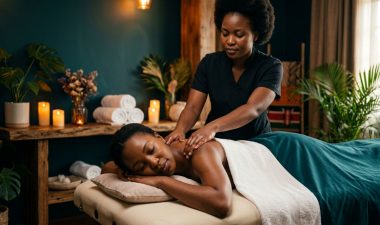
Swedish and relaxation massage is the “easy entry” for most people, and it is popular for a reason. The therapist uses long, gliding strokes (often with oil), gentle kneading, and light tapping or rhythmic movements. Pressure tends to be light to medium, and it flows in a steady pace that helps your body stop bracing.

During the session, you usually feel warmth spreading through the area being worked on, like someone slowly ironing out a creased shirt. If you are used to carrying tension high in your shoulders, you might notice your breathing change first. Many people start taking deeper breaths without trying, because the nervous system finally gets the message that it is safe to relax.

Afterward, expect a “loose and floaty” feeling, plus a calmer mind. Some people feel sleepy, while others feel clear-headed. Light soreness can happen, but it should feel like gentle muscle fatigue, not like you were beaten up.

This style suits you well if:

  • You are a first-timer and you want to learn what pressure feels good.
  • You are under high stress, anxious, or not sleeping well.
  • You have light soreness from sitting, standing, or mild workouts.
  • You bruise easily, or you simply do not enjoy firm pressure.

Communication makes this massage much better. Before hands-on work starts, say what you want in plain language, for example, “Light pressure, slow pace, please.” If the therapist goes too deep, ask for less. You are not being difficult, you are giving useful feedback.

One safety tip matters here: relaxation massage should never include sharp pain. If something feels pinchy, stabbing, or electric, speak up right away. A skilled therapist will adjust angle, pressure, or switch techniques.

Good relaxation massage feels comforting and steady. If you catch yourself holding your breath, the pressure is too much.

Deep tissue massage for stubborn knots and tight muscles (and what it should not feel like)

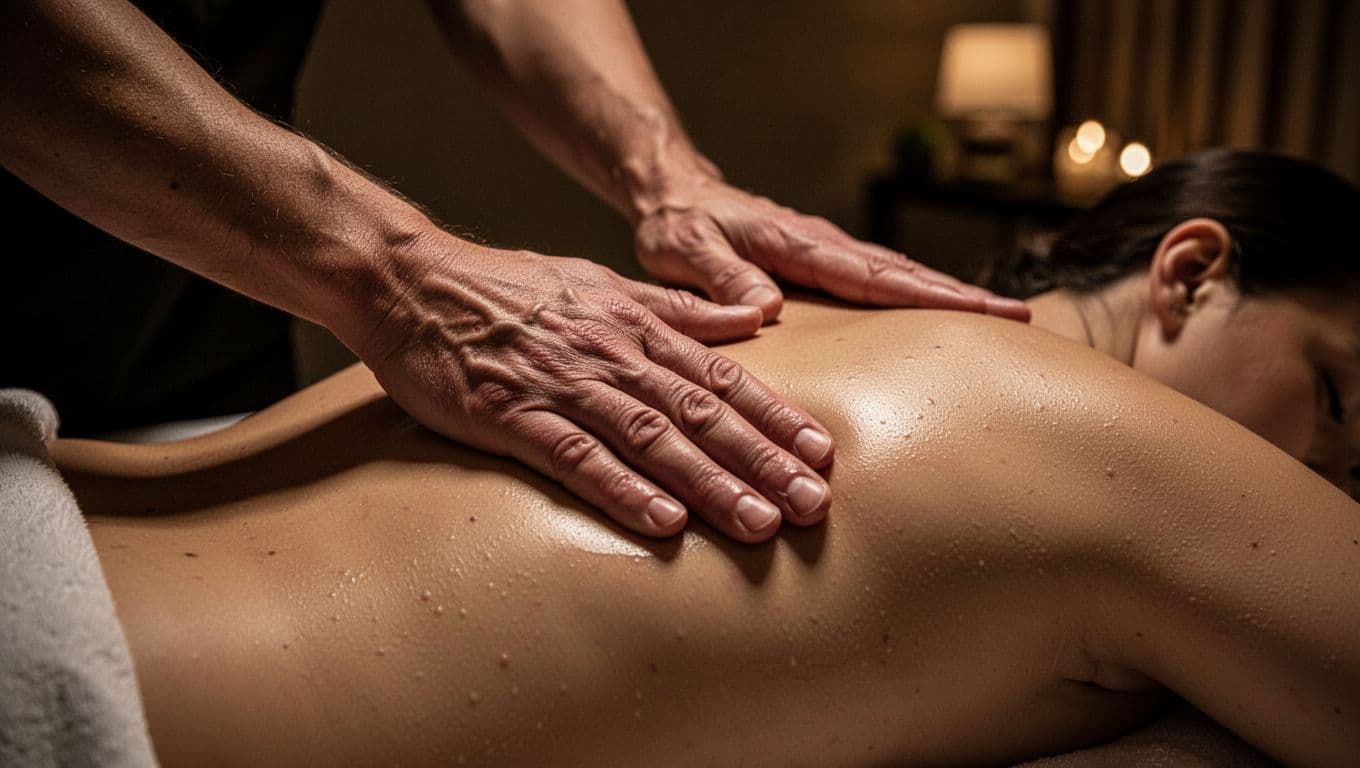
Deep tissue massage is slower and more focused than Swedish. Instead of broad, flowing strokes, the therapist often works in smaller areas with sustained pressure, careful stripping along muscle fibers, and deeper kneading. They may use thumbs, knuckles, or forearms, but the key is control, not force.

You will often feel deep tissue most in common problem zones, such as:

  • Neck and upper shoulders (that “screen hunch” tightness)
  • Upper and mid-back (between the shoulder blades)
  • Lower back and hips (especially if you sit a lot)
  • Glutes and hip flexors (tight from driving and desk work)
  • Calves (heavy legs after long days or training)

The best way to describe the “right” feeling is good-strong pressure. It can be intense, but it should still feel productive and safe. You should be able to breathe normally and relax your jaw. If you tense up, the body guards and the work becomes less effective.

Just as important is what deep tissue should not feel like. “Deep” is not the same as “painful,” and pain is not proof that it works. Watch out for these red flags:

  • Numbness or tingling during the massage (or right after)
  • Shooting pain that travels, like a zap down the arm or leg
  • Sharp, poking pressure on the spine or bony spots
  • Heavy bruising from rough technique or repeated digging
  • Pressure that feels scary or makes you hold your breath

If any of those happen, say it immediately. A professional therapist will change approach fast. If they dismiss you or keep pushing, that is a sign to stop the session.

Planning helps deep tissue land well. Right after the massage, your muscles can feel “worked,” similar to how you feel after a tough training day. To make it easier:

  • Drink water afterward, because it helps you feel better overall.
  • Avoid heavy workouts right after, especially intense legs or back day.
  • Expect mild soreness for 24 to 48 hours, then easier movement.
  • Choose 60 to 90 minutes if you want real progress, because rushing makes deep work feel harsher.

If you want deep work but you are sensitive, ask for a blended session. Many therapists can do Swedish first to warm tissue, then go deeper only where needed.

Aromatherapy and herbal massage for mood, relaxation, and a calmer mind

Aromatherapy and herbal massage takes the same core massage skills and adds scented oils or herbal-infused oils. People love it because scent connects straight to mood and memory. One inhale can make your shoulders drop, even before the therapist starts working.

In most sessions, the strokes look similar to Swedish, with slow gliding and gentle kneading. The difference is the sensory layer. The room smells soothing, the oil feels silky, and your mind has something pleasant to focus on besides tomorrow’s to-do list. If your stress shows up as racing thoughts, aromatherapy can feel like turning the volume down.

Many clients choose aromatherapy when they want:

  • A calmer head after long workweeks
  • A softer, more comforting session than deep tissue
  • A “reset” before sleep or during high-stress seasons

Scents should always be optional. You can ask to smell the oil first, or request unscented oil if you prefer. A therapist can also use less oil, or keep scent to a minimum if you get headaches.

Basic safety matters here, because oils are personal:

  • If you have allergies, asthma, or sensitive skin, mention it before the massage.
  • If you are pregnant, ask what oils are used and request a pregnancy-safe option (or skip scent).
  • If you have had skin reactions before, ask for a patch test or choose unscented.

A good aromatherapy session feels relaxing, not overpowering. If the smell feels too strong, say so early, because it is easy to adjust.

For readers who want more detail on how oil-based sessions work, these aromatherapy massage benefits break down what to expect.

Hot stone and other heat-based treatments for deep relaxation and stiff bodies

Heat-based massage works because warmth helps muscles soften faster. Think of it like warming cold butter before you spread it. When your tissue warms up, the therapist often needs less pressure to get the same release, which can feel amazing if you are tight but pain-sensitive.

In hot stone massage, smooth heated stones are placed on key areas (often back, shoulders, or legs) and also used as tools while the therapist massages. The feeling is usually a steady, sinking warmth, followed by a slow melt in stiff areas. Many people notice their lower back and shoulders relax in a way that is hard to get from hands alone.

Hot stones often suit you if:

  • Your body feels stiff and guarded, not just sore
  • You want deep relaxation without aggressive pressure
  • You spend long hours sitting, driving, or hunched over screens

Still, heat is not for everyone. Be careful if you have very sensitive skin or you feel uncomfortable with heat quickly. Also reschedule if you have a fever or feel unwell, because heat can be too much on those days. If you have a health condition that changes sensation, circulation, or skin response, ask for advice before booking.

Before the session starts, ask three simple questions:

  1. “Can you show me the stone temperature first?”
  2. “Are there any areas you will avoid with heat?”
  3. “Do you combine stones with Swedish strokes, or is it mostly stone work?”

Those questions prevent most disappointments. Hot stone should feel soothing, not scorching. If a stone feels too hot, speak up right away, because the fix is simple.

Foot reflexology and targeted sessions when you do not want a full-body massage

Sometimes you want relief, but you do not want a full-body session. That is where foot reflexology and targeted treatments shine. In a foot-focused session, you usually stay clothed or partly clothed, and the therapist works on your feet, ankles, and sometimes lower legs using thumbs and firm, steady pressure.

Reflexology is popular after long days standing, walking, or running errands around Nairobi. Feet carry your whole day, so when they finally get attention, your entire body often calms down. Many people describe it as surprisingly relaxing, even though the work is focused.

Here is what it tends to feel like:

  • At first, a warm “ahh” relief as pressure spreads across the sole.
  • Next, a more intense sensation on tender points, almost like pressing a bruise (but controlled).
  • Finally, a lighter, calmer feeling in the legs, plus a general sense of rest.

Intensity is normal in reflexology, but it must stay within comfort. You can choose a light, medium, or firm approach. If you prefer gentle work, say so at the start. If a spot feels too sharp, ask the therapist to ease off or hold pressure less long.

Targeted sessions also work well if you have one main issue, like neck tension or tight calves. You can ask for a “focused back and shoulders” session, or “legs only,” instead of full-body. That way, your time and budget go to the areas that need it most.

Reflexology can feel intense on tender points, but it should never feel like punishment. Comfort first, results follow.

How to book a massage in Nairobi with confidence: pricing, timing, and smart questions

Booking a Massage Nairobi session should feel simple, not like a gamble. The trick is to plan around three things: what drives the price, how much time your body needs, and what to clarify before you pay. When you get those right, you avoid rushed sessions, awkward surprises, and massages that feel nice for an hour but change nothing.

Use this section like a mini playbook. You’ll know what to ask, when to go, and how to choose based on value, not hype.

What affects the price: location, therapist experience, session length, and add-ons

Massage pricing in Nairobi can vary a lot, even for the same style. That doesn’t always mean one place is “better,” it often means the experience is different. Think of it like coffee: two cappuccinos can taste similar, but one includes a quiet space, better service, and consistent quality.

Here are the most common pricing drivers to watch for:

  • Location and setting: A spa in a premium area, inside a hotel, or in a high-rent building often costs more. You’re paying for the environment, privacy, and overheads as well as the massage.
  • Therapist experience and specialization: A therapist who handles sports recovery, chronic tension, or injury-aware work usually charges more. You’re also paying for better pacing and safer pressure choices.
  • Session length (and how it’s timed): Longer sessions cost more, but the jump can be worth it. Always confirm whether the advertised time is hands-on time or includes changing, consultation, and shower time.
  • Peak hours and high-demand days: Even when a spa doesn’t list “peak pricing,” availability changes the deal. Evenings, weekends, and public holidays fill up faster, so you may have fewer options for therapists and time slots.

Session length is the biggest lever you control. A 60-minute massage can cover a full body lightly, or one to two areas properly. A 90-minute session gives the therapist space to warm tissue first, then work deeper without rushing. If you want both relaxation and focused knot work, that extra time usually feels like the difference between a quick rinse and a full shower.

Add-ons also change the total quickly, especially these popular ones:

  • Couples sessions: You pay for two therapists and a dedicated room. It’s great for shared relaxation, but confirm whether you start and end at the same time.
  • Hot stones: Heat adds comfort, but it also needs setup and careful temperature control. Some spas price it as an upgrade, others as a separate treatment.
  • Aromatherapy oils: Scented oils can be calming, but quality matters. If you have allergies or migraines, ask for unscented options.
  • Extra focus areas: Some places treat “deep tissue,” “sports,” or “targeted work” as a premium option because it’s more demanding.

Packages and membership deals can be good value if you plan to go often. Many Nairobi spas offer bundles like buy-a-few-sessions rates, off-peak deals, or monthly membership perks. The catch is simple: a package only saves money if you’ll use it.

Before you commit, compare value with a quick checklist:

  1. Time on the table: Are you getting the full session length hands-on?
  2. Therapist consistency: Can you book the same therapist each time?
  3. What’s included: Do add-ons, shower time, or tea change the price?
  4. Rescheduling rules: What happens if work runs late or traffic hits?

If you want a quick sense of what services are available at one Nairobi spa and how bookings typically work, you can browse Aroma SPA Nairobi massage services. The best comparison is always clarity plus consistency, not the lowest price.

The cheapest massage is expensive when you leave still tight, then pay again a week later.

The best session length for real results (and how often to go)

Time is not just a number on a menu. It decides whether your massage feels like a pleasant break, or a real reset. Most people book too short when they’re stressed, then wonder why the tension returns by tomorrow.

Here’s a simple way to choose between 30, 60, and 90 minutes. This table is a quick guide, not a rulebook.

Session lengthBest forWhat you can realistically cover
30 minutesQuick relief, first visit test run, tight schedule daysOne main area (neck and shoulders, lower back, or legs)
60 minutesMost people, full-body relaxation, balanced workFull body with moderate focus, or two problem zones properly
90 minutesStubborn tightness, mixed goals, deeper work without rushingFull body plus detailed focus, better pacing and recovery feel

A 30-minute massage works when you know your “hot spot.” For example, if your neck and shoulders lock up after laptop hours, half an hour can take the edge off. It’s also a smart first booking if you’re unsure about pressure or you’re trying a new place.

A 60-minute session is the everyday sweet spot. You can relax, breathe, and still get real work done. If you’re booking a Massage Nairobi session for stress relief, this is often the most practical starting point.

A 90-minute session makes sense when your body needs time to soften. Tight hips, chronic upper-back knots, or post-training legs often respond better when the therapist can warm up tissue slowly. It also helps if you want a calm full-body flow and focused deep work in the same appointment.

Frequency matters too, but it should fit your life and budget. Keep it flexible and watch how your body responds. These simple schedules help many people:

  • Stress relief and better sleep: Weekly for a short season (like a busy month), then move to bi-weekly. If life is calmer, monthly can maintain that “lighter” feeling.
  • Muscle recovery after training: After hard weeks, book within a day or two of intense workouts, then space out as soreness drops. Many people do well with weekly or bi-weekly sessions during heavy training.
  • Monthly maintenance: If you sit a lot or drive often, a monthly massage helps stop tension building into headaches and stiff backs.

One smart approach is to start with one solid session, then decide your rhythm based on results. If you felt better for three days, book sooner next time. If you felt good for two weeks, you can space it out.

For a broader overview of services and session options in the city, this page on massage prices in Nairobi can help you compare styles and typical session formats before you choose.

Before you arrive: what to eat, what to wear, and what to tell your therapist

A good massage starts before the first stroke. A little prep makes you more comfortable, and it helps the therapist do better work. You don’t need a big routine, just a few basics.

First, think about food and water. Drink water through the day, but don’t overdo it right before the session. Aim for a light meal about one to two hours before. A heavy meal can make you feel nauseated when you lie face down, while no food can leave you shaky.

Next, wear something that doesn’t fight you. Loose clothes are easiest, especially if you’ll be in traffic afterward. Most spas provide towels or draping, and you undress to your comfort level. Keep it simple and skip strong perfume if you can, because scent lingers in a treatment room.

Arrive a little early when possible. Nairobi traffic is real, and rushing puts your body in “alert mode.” Even 10 minutes helps you settle, use the washroom, and explain what you want without pressure.

The most important prep is what you tell the therapist. You don’t need a long story, just clear facts:

  • Your goal today: relaxation, headache relief, recovery, or “I want my shoulders to drop.”
  • Pain points and problem areas: show them where, and describe the feeling (tight, dull ache, sharp, tingling).
  • Areas to avoid: maybe you don’t want glutes, abdomen, scalp, or feet touched. That’s normal.
  • Injuries or medical considerations: strains, recent surgeries, nerve pain, or anything that flares with pressure.
  • Pregnancy: mention it early so they can position you safely and adjust techniques.
  • Allergies and skin sensitivity: oils, scents, or lotions can trigger reactions, so speak up.
  • Pressure preference: light, medium, firm, or “start light, then build.”

Consent and comfort should be clear throughout. You can ask for more or less pressure at any time. You can also ask to avoid any area, even mid-session. If something feels wrong, stop the session. A professional therapist will respect that immediately.

If you want one practical script to use, try this: “I want medium pressure, focus on shoulders and lower back, avoid any sharp pain, and please check in before going deeper.” It sets the tone fast.

Aftercare that actually helps: simple habits for the next 24 hours

After a massage, your body is like a wrung-out sponge. It feels lighter, but it’s also more open and sensitive. Good aftercare helps the benefits last longer, especially after deep tissue or focused knot work.

Start with the basics that work for almost everyone:

  • Drink water through the next few hours, especially if the massage was firm.
  • Take a warm shower if you feel stiff, because heat can keep muscles relaxed.
  • Do gentle stretching later in the day, not aggressive stretching. Keep it easy and slow.
  • If you feel sore, skip intense workouts for a day. Choose a walk or light mobility instead.
  • Sleep a little earlier if you can. Recovery loves sleep.

It also helps to take mental notes while the session is fresh. What pressure felt best? Which technique helped most? Did you like slow pacing or quicker strokes? Next time, those details save time and give you better results.

Some post-massage feelings are normal:

  • Relaxed and sleepy (common after calming sessions)
  • Mild soreness in tight areas (often after deep work)
  • A feeling of “space” in your body, like your shoulders sit lower

A few signs are not normal and deserve attention:

  • Sharp pain that doesn’t fade
  • Dizziness that lasts
  • New numbness or tingling

If something feels off or worrying, reach out to a medical professional. Trust your body’s signals.

Finally, if you want to book your next session while you still remember what you liked, do it the same day. Many people wait until tension returns, then scramble for a slot. To lock in a time that suits your schedule, use contact Aroma SPA for bookings or your preferred spa’s booking line, and request the same therapist if they were a good fit.

Massage Nairobi safety guide: red flags, boundaries, and how to protect your peace

A good Massage Nairobi experience should feel safe from the first hello to the final stretch. Safety is not only about clean towels and a quiet room. It is also about clear boundaries, steady professionalism, and a therapist who respects your body like it is yours (because it is).

Think of it like getting into a taxi at night. Most rides are fine, but you still check the plate, confirm the route, and keep your phone charged. Massage is similar. Small checks protect your peace, and they help you relax faster once you are on the table.

Clear boundaries and consent: the basics every client deserves

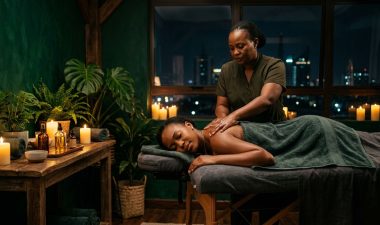
A professional massage starts with draping and privacy. You should undress only to your comfort level, then you get covered with a sheet or towel. The therapist exposes only the area they are working on, then re-covers you before moving on. If draping keeps slipping, or you feel overexposed, that is not “normal.” It is a reason to pause and speak up.

Privacy should also be simple and consistent. The therapist leaves the room while you change, and they knock before re-entering. Your phone, bag, and valuables should feel secure (either with you in the room or stored safely). If the setup feels chaotic, it is hard to relax, and it often shows in the quality of touch too.

Communication is the backbone of consent. Before hands-on work begins, you deserve a quick check-in about:

  • Your goal (relaxation, pain relief, recovery, sleep)
  • Pressure preference (light, medium, firm)
  • Areas to focus on, and areas to avoid
  • Any injuries, sensitivities, or boundaries

Most importantly, “no” must be respected the first time. No debate, no jokes, no eye-rolls. If you say, “Please avoid my glutes,” the conversation ends there and the therapist adjusts.

Professional massage is never sexual. If anyone hints at sexual services, asks for “extras,” makes flirty comments, or pressures you to cross boundaries, end the session and leave.

A few red flags show up early, often before the massage even starts:

  • The therapist discourages questions, or rushes you to get on the table.
  • They ask you to undress more than you want to.
  • They avoid draping, or act like draping is optional.
  • They touch near private areas without explaining why and without clear consent.
  • They make the room feel secretive (locked door, overly dim lights) in a way that raises your stress.

For first-timers, confidence grows with simple safety habits. These are not dramatic, they are just smart:

  • Bring a friend for your first visit if it helps you feel steady (they can wait at reception).
  • Share your location with someone you trust, especially if you are trying a new place.
  • Trust your gut. If something feels off, you do not need a long explanation to leave.

You can also set the tone with one clear line at the start: “Please keep it professional, with proper draping, and check in before changing pressure.” The right therapist will appreciate the clarity.

Health situations where you should ask first or delay your massage

Massage supports recovery and stress relief, but some days your body needs rest, not hands-on work. You do not need to diagnose yourself. Still, it helps to know common situations where you should ask first, modify the session, or reschedule.

Delay your massage if you have signs of illness, because massage can make you feel worse when your body is fighting something:

  • Fever or chills
  • Flu-like symptoms
  • Stomach bug, vomiting, or diarrhea
  • Active infection (including contagious skin issues)

Be extra careful with recent surgery or a serious injury. Even if you feel “mostly okay,” healing tissue is sensitive. The safest move is to explain what happened and ask what the therapist can do without irritating the area. In some cases, a therapist may suggest waiting, or focusing on safe areas only (for example, shoulders and scalp instead of the affected limb).

Concerns around blood clots also matter. If you have swelling, unusual warmth, unexplained calf pain, or a history of clot risk, pause and check with a clinician. Deep pressure over a risky area is not worth it. This is one of those times when “just try it” is not a good plan.

Pregnancy is another common reason to ask first. Many people enjoy massage while pregnant, but positioning, pressure, and some techniques may need changes. Be direct when booking and when you arrive. Ask if they have experience with prenatal-friendly setups, and if they can keep you comfortable (for example, side-lying support).

Skin issues can be small but still important. Mention:

  • Rashes, eczema flare-ups, open cuts, or fresh burns
  • New bruising, swelling, or tenderness
  • Reactions to oils, lotions, or strong scents

Honesty helps the therapist protect you. It also protects your results. If you hide an injury and the therapist goes deep, your body may tense up and leave you sore for days.

If you are unsure, keep it simple: “I have (X). Is it safe to massage today, or should I check with a clinician first?” A professional therapist will answer calmly, and they will not pressure you to proceed.

Handling problems the right way: discomfort, allergies, and poor technique

Even in a good spa, you might feel discomfort or notice something you do not like. Speaking up is not rude. It is part of getting a massage that actually helps. The best therapists want feedback because it guides their hands.

Use short, clear scripts. You can say them calmly, without over-explaining:

  • Pressure: “Please reduce pressure, that’s too much.”
  • Area: “Please avoid this area, it feels sensitive today.”
  • Pace: “Can you slow down a bit?”
  • Temperature (stones, room, towels): “That’s too hot for me, please adjust it.”
  • Stopping: “I need to stop now.”

If you feel an allergy or sensitivity building (itching, burning, headache from scent), act quickly. Ask them to wipe off the product and switch to unscented oil, or stop the session if needed. Your skin is not a test subject.

Poor technique is not always obvious until afterward. Maybe you feel sharp pain during the session, numbness, or “electric” sensations. Those are signs to stop and reassess, not to push through. A skilled therapist can change angle, use broader contact, or work around the area instead.

When something goes wrong, document it while it is fresh. Keep it factual:

  1. Date, time, and location.
  2. Therapist name (if known).
  3. What happened (for example, “ignored pressure request,” “no draping,” “room was unclean”).
  4. What you felt during and after (pain level, bruising, reaction).

This is useful even if you never report it. It helps you make better choices next time, and it gives you clear wording if you decide to speak to management.

If you want a different approach rather than giving up on massage entirely, choose a provider that explains technique and checks in often. For example, some people prefer gentler head-focused work when their body feels sensitive. If you are curious about that style, you can read about cranial release techniques at Aroma SPA and see if it matches what you need.

Reviews also help the community, but keep them clean and specific. Focus on facts people can use:

  • Professionalism: Did they explain boundaries and consent?
  • Cleanliness: Were linens fresh, and did the room feel hygienic?
  • Skill: Did they adjust pressure and listen?
  • Timing: Did you get the full session length?

In short, you are allowed to protect your peace. A massage should leave you feeling lighter, not uneasy. If a place cannot respect basic boundaries, it does not deserve your time or your money.

Conclusion

Massage Nairobi works best when you treat it like body care, not a random treat. First, choose based on your goal, stress relief, pain relief, recovery, or better sleep, because the right style and pressure change everything. Next, pick a professional therapist in a clean space, since good hygiene, clear timing, and steady check-ins are part of a safe massage, not a bonus.

Also keep the main styles simple in your mind, Swedish and relaxation for calm, deep tissue for stubborn tightness, aromatherapy and heat for comfort, and reflexology when you want targeted relief. Then book smarter by asking about hands-on time, pressure options, and what’s included, so you don’t pay for a session that feels rushed. Most importantly, protect your boundaries, consent and draping should feel clear from the start.

This week, pick one style to try and write down what you want from the session (one goal, two focus areas, and your pressure preference). If you want a menu of options to choose from, start with massage. Thanks for reading, what would feeling “lighter” in your body look like for you this month?

Related Posts

Leave a Reply

Your email address will not be published. Required fields are marked *