
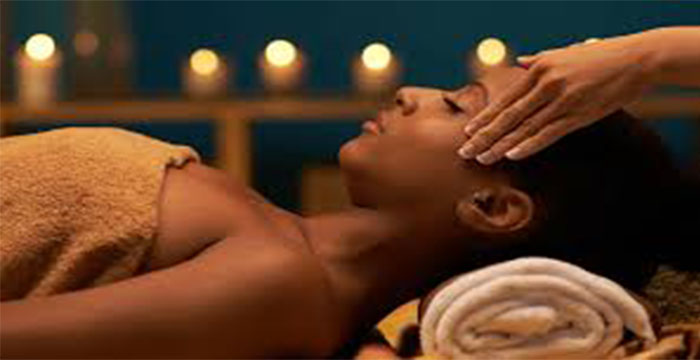
Massage is more than a quiet break in your day, it can help your body loosen up, your mind settle down, and your whole system feel more balanced. When stress sits in your shoulders or poor sleep leaves you dragging through the morning, the benefits of massage can be easy to feel after even one session.
It can ease tight muscles, reduce pain, and help you breathe a little easier when life has been pulling too hard. Many people also leave feeling calmer, lighter, and more present, which is why massage has become such a steady part of self-care for so many people. If you want a deeper look at the science behind it, the health advantages of regular massage are worth understanding.
The best part is that massage can support different needs at different times, whether you want stress relief, better sleep, or simple relief from built-up tension. Keep reading to see why it helps so many people feel looser, more at ease, and ready to move through the day with less strain.
How massage helps the body relax and recover
Massage works because the body holds stress in plain sight. Tight shoulders, a stiff neck, and a low back that feels “stuck” often build up after long hours at a desk, a heavy workout, or even a tense week. With steady pressure and slow movement, massage helps those areas soften so the body can let go.
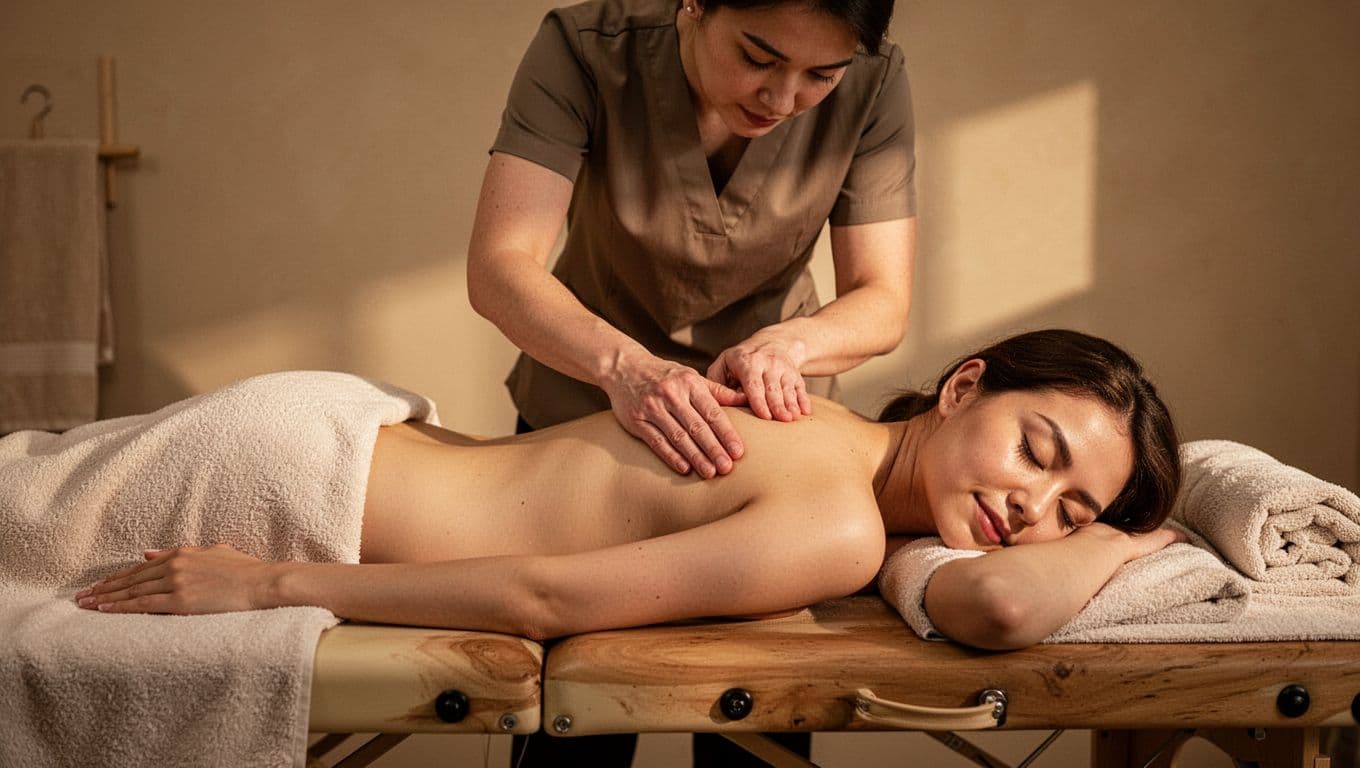
Loosening tight muscles and easing everyday tension
A lot of muscle tightness starts with habits you barely notice. You sit with rounded shoulders, crane your neck toward a laptop, or carry a bag on the same side every day. Over time, the muscles in your neck, shoulders, and back shorten and tighten, and the body starts to feel like a clenched fist.
Massage helps by easing that grip. Firm, careful pressure can soften knots in the shoulders, relax the muscles along the spine, and ease the heavy feeling that builds after hours of stress. Many people feel it most in spots that get overworked, like the upper shoulders after a day at a computer or the lower back after long drives and repeated lifting.
It can also help when stress shows up in the body before you even notice it in your mood. A jaw that stays tight, a forehead that feels pulled, or shoulders that rise toward the ears are all signs the body is bracing itself. Massage gives those muscles a chance to stop holding on.
When muscles stay tense too long, they start to feel tired, sore, and less willing to move well.
That is why the benefits of massage often show up in simple, everyday moments. Turning your head feels easier. Reaching for a bag hurts less. Sitting through a meeting does not feel like your body is slowly folding in on itself.
For people who want a deeper look at massage options and what happens during a visit, this massage guide for Nairobi offers a helpful starting point.
Supporting better circulation and flexibility
Massage can also help the body feel more open and less stiff by encouraging better circulation. As the therapist works across the muscles, the tissue warms up and blood moves more freely through the area. That matters because blood carries oxygen and nutrients to tired muscles, which helps them feel more supported after strain.
This is one reason massage often leaves people feeling lighter in their limbs. The body does not feel as locked up, and movement can seem smoother for a while after the session. A walk may feel easier, bending down may feel less sharp, and your joints may move with less resistance.
Flexibility is part of that picture too. When the muscles and soft tissue around a joint are tight, the joint does not have much room to move. Massage can help release some of that tightness, which may improve range of motion in the neck, shoulders, hips, or legs. That does not mean you suddenly become flexible overnight, but it does mean movement can feel less restricted.
According to the Mayo Clinic Health System, massage may support circulation and help reduce muscle stiffness. In practical terms, that often feels like less drag in the body and a little more ease in normal movement.
Here is the simple version:
- Better blood flow helps tired muscles feel less drained.
- Less stiffness makes it easier to turn, bend, and stretch.
- Looser tissue can make daily movement feel smoother.
- More mobility can help you feel less boxed in by tension.
Helping the body recover after workouts or physical strain
After exercise, hard labor, or even a long day on your feet, muscles can feel sore and worn out. That soreness often comes from tiny amounts of stress in the tissue, especially when the body has worked harder than usual. Massage can support recovery by easing that tight, heavy feeling and helping the area feel calmer.
It may also help with general fatigue. When your body feels beaten down, a session can be a reset point. The pressure and rhythm of massage often help muscles settle, which can make the whole body feel less beaten up after a workout or a physical week.
Research also points to massage supporting muscle recovery through improved blood flow and reduced soreness. The University of Illinois Chicago notes that massage therapy can improve circulation and ease post-exercise soreness. That kind of support matters when you want to get back to normal movement without feeling so stiff the next day.
Still, massage is supportive care, not a cure. It can be part of a healthy routine, alongside rest, hydration, stretching, and sensible training. If you have a serious injury, sharp pain, or swelling that does not improve, massage should not replace medical care.
When used the right way, massage helps the body recover in a practical, grounded way. It softens tight muscles, supports circulation, eases soreness, and gives the body a better chance to reset after stress or physical strain.
Why massage can calm the mind and lift your mood
Massage can do more than loosen tight muscles. It can give your mind a place to rest, even if only for an hour. When life feels loud, crowded, or rushed, that quiet matters.
A good session slows the pace in a way your body can feel right away. The room is calm, the touch is steady, and your breathing often starts to match that rhythm. In that small pocket of stillness, stress has less room to crowd in.
Lowering stress in a world that never seems to stop
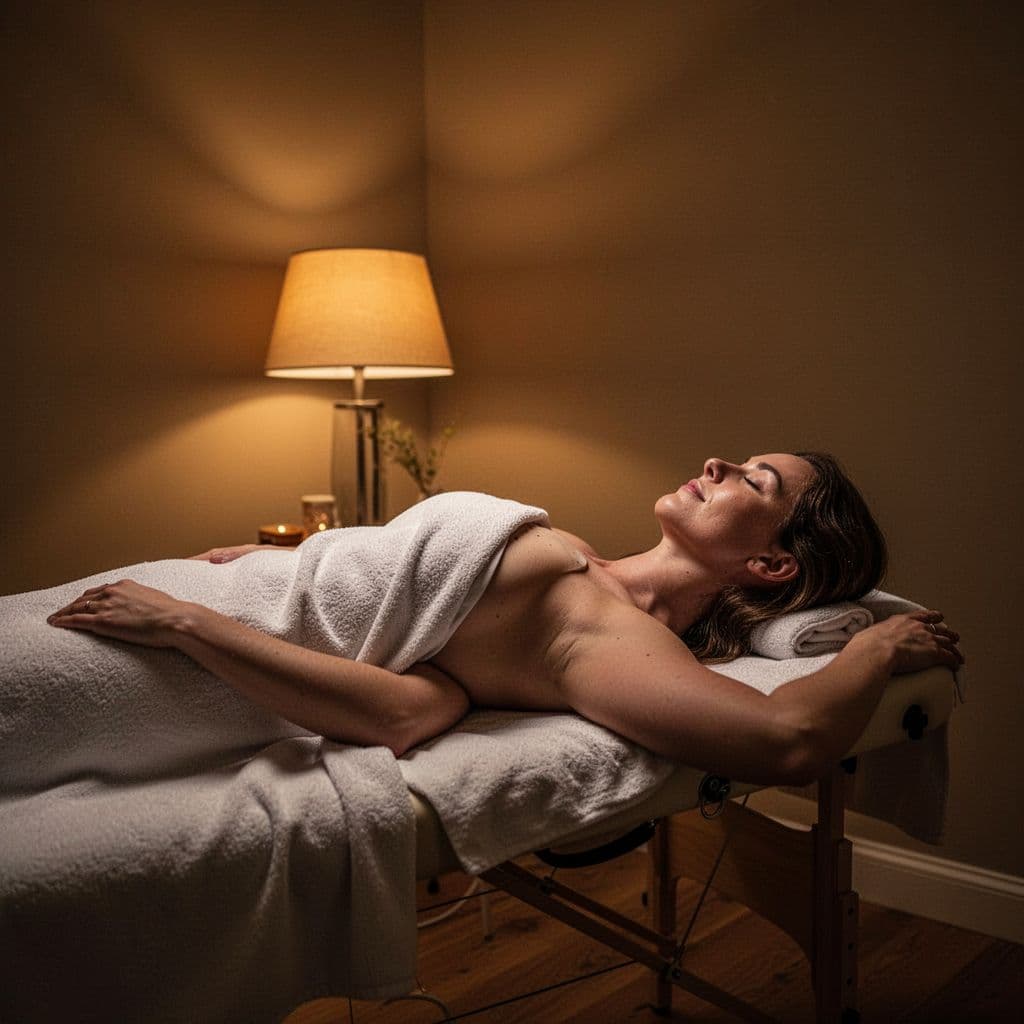
Daily stress often builds in layers. Deadlines, traffic, screens, family demands, and constant noise can keep your body on alert all day. Massage interrupts that pattern and gives you a real pause, not just a short break between tasks.
That pause matters because the nervous system needs signals that it is safe to settle. Gentle, steady touch can help the body move away from tension and toward rest. As a result, the shoulders drop, the jaw loosens, and the breath tends to slow down.
Massage also helps because it asks very little from you. You do not need to solve a problem, answer a message, or keep moving. You just lie still and let someone else do the work for a while. That simple shift can feel like setting a heavy bag down after carrying it for too long.
If you want a massage style that is often chosen for relaxation, Swedish massage for stress relief is a good example. It uses smooth, flowing strokes that many people find especially calming.
Stress often feels bigger when your body stays braced for too long.
A massage session can make that brace feel less tight. That is one reason the benefits of massage go beyond sore muscles and into daily peace of mind.
Reducing anxiety and helping the body feel safe again
Anxious feelings often show up in the body first. Your chest may feel tight, your breathing may turn shallow, or your stomach may feel off. Massage can help soften that physical edge by giving your body calm, predictable input.
The setting matters too. A peaceful room, gentle pressure, and slow breathing can all work together. When the environment feels quiet and safe, it becomes easier to stop scanning for the next problem. The body gets a different message, one that says, “You can relax now.”
Massage also supports the body in ways that fit with calm. The Mayo Clinic Health System notes that massage may help lower stress and support relaxation. That fits with what many people feel after a session, a little less tightness, a little more ease, and a calmer pace inside.
Slow breathing can add to that effect. When you breathe more fully, your body often responds by settling down even more. In that sense, massage works like a steady hand on a shaking wheel, it does not remove every worry, but it helps the ride feel smoother.
For some people, adding scent makes the experience even more soothing. If you enjoy a treatment that works through both touch and aroma, benefits of aromatherapy massage may be worth a look.
Improving sleep, mood, and mental clarity
A relaxed body often sleeps better. That connection is simple, but important. When your muscles are less tense and your mind is less wired, it can be easier to fall asleep and stay asleep.
Massage can also help you wake up feeling more refreshed. Sleep does not always improve overnight, but a body that feels calmer at bedtime often has an easier time settling into rest. Over time, that can make mornings feel less heavy and nights feel less restless.
Mood matters here too. Many people leave a massage feeling brighter, lighter, or less mentally crowded. The effect is not magic, it’s more like clearing a table that has been covered in papers. Your thoughts still exist, but they do not feel piled on top of each other.
Some research also links massage with changes tied to relaxation and mood balance. In simple terms, calming touch may help the body shift toward a more rested state. That can support a clearer head, especially when stress has been building for days.
A few common ways this shows up include:
- Falling asleep with less tossing and turning
- Waking up with less tension in the body
- Feeling less mentally noisy after a stressful week
- Moving through the day with a calmer mood
Massage will not fix every sleep issue or emotional slump, and it should not replace medical care when needed. Still, it can be a steady part of a routine that supports better rest and a more settled mind. When the body feels safe enough to unclench, the mind often follows.
When massage becomes part of a healthy lifestyle
Massage works best when it fits into real life, not just rare treat days. For people who sit at a desk, carry kids, train hard, or juggle too many tabs in their head, regular sessions can help the body stay ahead of tension instead of chasing it after the fact.
That matters because stress and strain rarely arrive all at once. They build in small layers, a tight neck after a long commute, sore hands after lifting, a back that feels compressed by evening. Massage gives those pressure points a place to soften before they become part of your normal state.
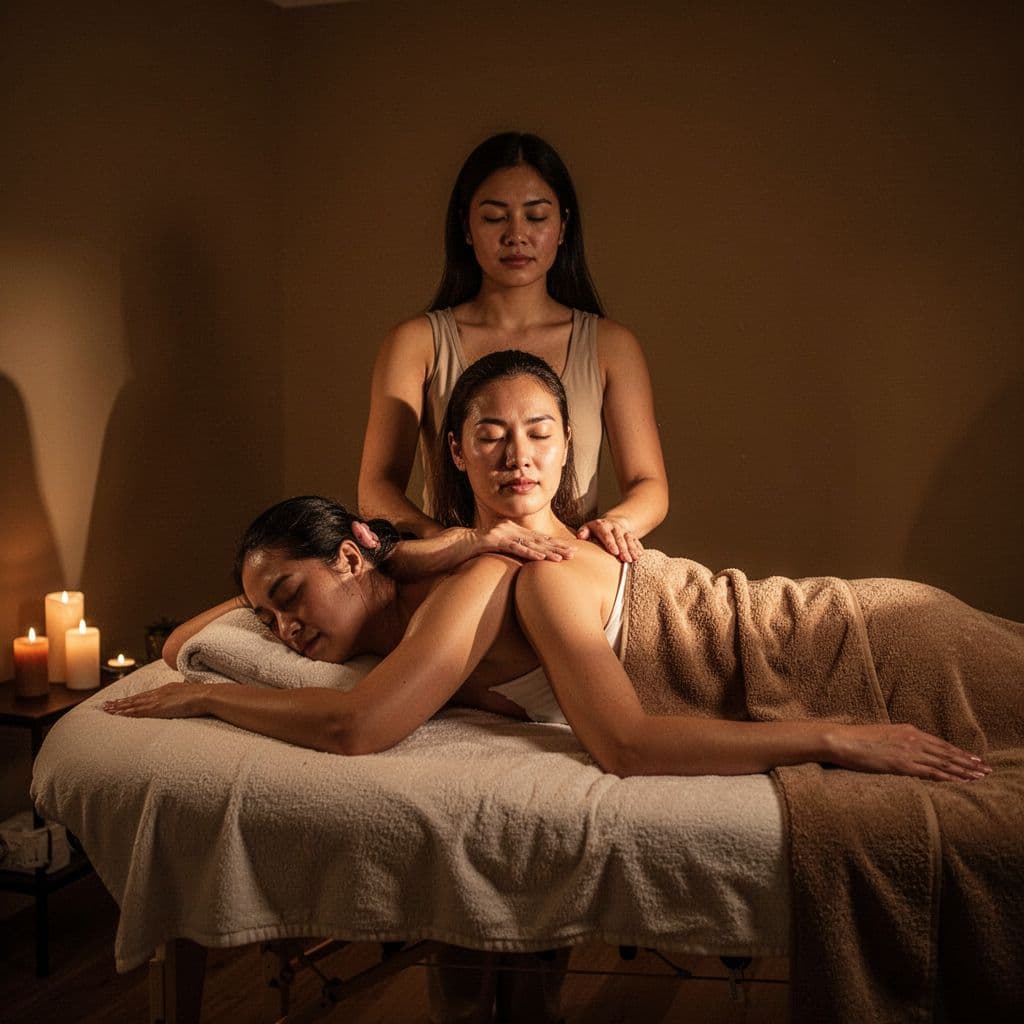
Massage for desk workers, parents, and busy schedules
Long hours at a desk can leave your upper back stiff and your shoulders pulled forward. If you spend most of the day typing, driving, or staring at a screen, massage can help reset muscles that stay in the same position too long. It may also ease the kind of tension that shows up as a tight jaw, a sore neck, or a headache that seems to come from nowhere.
Parents and caregivers face a different kind of strain. They lift, bend, carry, and twist all day, often without a real break. Regular massage can help ease the load in the lower back, hips, and shoulders, which makes daily movement feel less worn down.
Busy schedules add one more layer. When your mind stays full, your body often follows. Massage can give you a short window to slow down, breathe, and let your muscles stop bracing for the next thing. For many people, that small reset makes the whole week feel more manageable.
Regular massage can catch tension early, before it settles in and becomes the new normal.
This is why the benefits of massage feel so practical. It helps with the physical strain of sitting, lifting, and carrying stress around all day. For readers who want to see the range of treatments available, massage services in Nairobi can give a clearer picture of what a session may include.
Massage for athletes and active people
People who run, lift weights, play sports, or stay active in other ways put repeated stress on the body. Muscles get tight. Joints work harder. Small aches can show up after a workout, a game, or a training week that never really lets up. Massage supports recovery by helping those areas relax and move with less resistance.
It can also help you stay aware of how your body feels. That awareness matters. If one side feels tighter than the other, or your hips start locking up after runs, massage can bring those issues into focus before they grow. In that way, it supports maintenance as much as recovery.
Active people often use massage to stay ready, not just to recover after pain. A runner might feel looser in the calves and hips. A gym-goer might notice less upper-body tightness after heavy lifting. A weekend soccer player may find it easier to move freely the next day.
Some people also pair massage with another simple routine, like stretching, hydration, and rest. That combination gives the body a better chance to keep up with training. For a broader look at how massage fits into physical care, the benefits of regular massage explain why it can support circulation, flexibility, and soreness relief.
For active bodies, the goal is steady support. Massage helps the body stay supple, aware, and ready for the next demand.
Massage as part of self-care, not a one-time luxury
Massage works better when it becomes part of a rhythm. One session can feel great, but regular visits help you notice tension sooner. That means you can deal with a tight shoulder or stiff lower back before it turns into a week of discomfort.
This is where massage fits neatly into self-care. It is not only for birthdays, holidays, or days when everything already hurts. It can be a normal part of keeping yourself well, the same way you might stretch, walk, drink water, or protect sleep.
A regular schedule also helps with stress management. When you know a session is coming, you often carry less tension into the week. Your body gets used to the idea that there is a place to unwind, and that alone can make stress feel more manageable. Over time, many people begin to catch the first signs of strain sooner, which makes it easier to respond before they feel overwhelmed.
A few common moments when massage helps most include:
- After a long stretch of desk work
- During weeks filled with lifting, travel, or errands
- When stress starts showing up as tight shoulders or jaw tension
- After workouts or active weekends
- When sleep feels lighter and your body stays restless
Regular massage is also easier to value when you think of it as maintenance. Just like a tune-up keeps a car running smoother, massage helps the body keep moving with less friction. The payoff shows up in ordinary places, such as sitting longer without fidgeting, sleeping more easily, or getting through the day with less tightness in your back and neck.
For people who want to book with a clear sense of cost and timing, massage rates and session options can help with planning. That makes it easier to treat massage as part of a healthy routine instead of an occasional splurge.
When massage becomes regular, it stops feeling like a rare escape. It becomes a steady way to care for a body that works hard every day.
Choosing the right massage for what your body needs
The best massage is the one that matches what your body is asking for right now. Some days call for soft pressure and quiet relaxation. Other days need focused work on a knot that has been hanging around for weeks.
That choice matters because different styles create different results. When you match the treatment to your goal, the benefits of massage feel more direct, more useful, and easier to notice afterward.
Relaxing massage for stress relief and calm
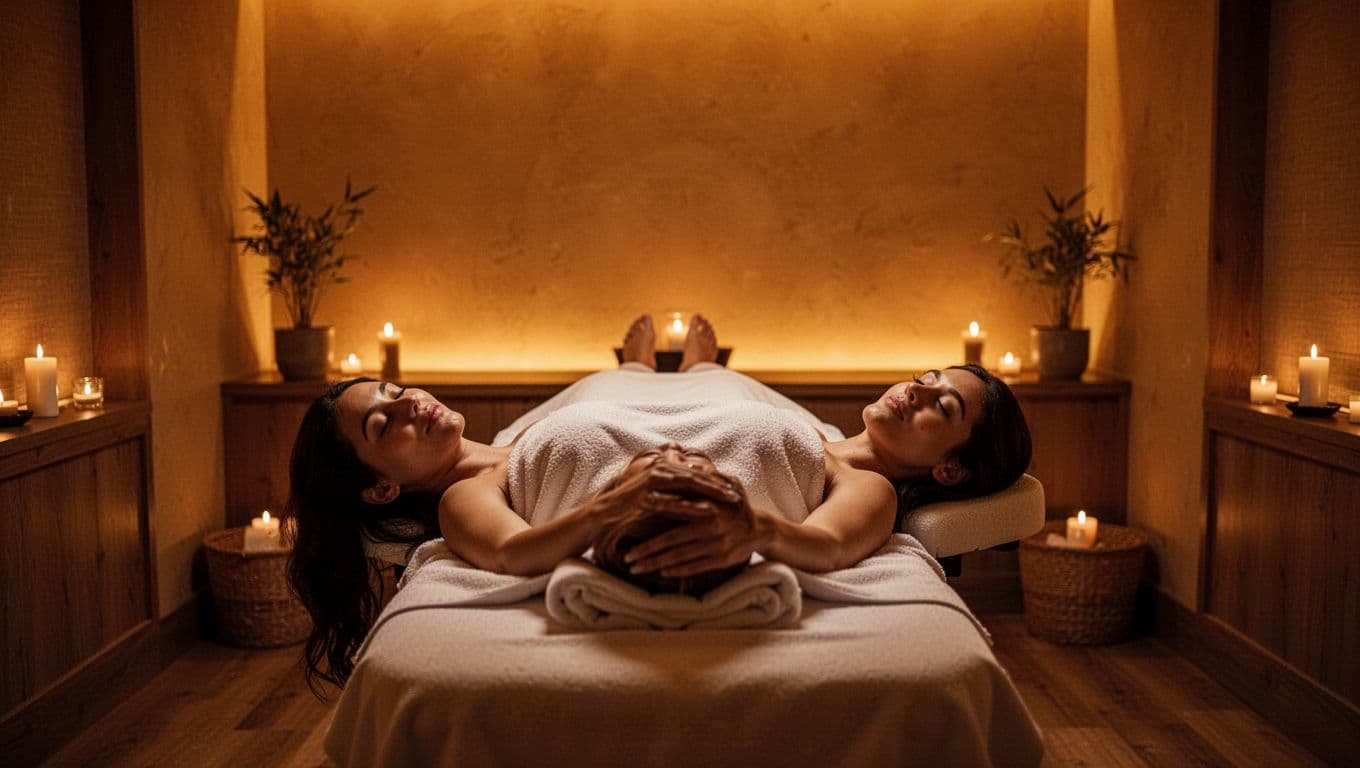
If your body feels wound tight after a long week, a gentler massage is often the better fit. Styles like Swedish massage or a soothing hot oil treatment use smooth, flowing strokes that help you slow down, breathe easier, and let your shoulders drop.
This kind of massage works well when your goal is emotional reset. You may not need intense pressure. You may need quiet, warmth, and touch that helps your nervous system settle after too much noise. For many people, that lighter approach feels like pressing pause on a day that never stopped moving.
A relaxation-focused massage is often a good match if you want:
- Less stress and mental noise
- A calmer body before bedtime
- A softer reset after a busy week
- Light relief without strong pressure
If that sounds like what you need, hot oil massage benefits may be worth exploring. The warmth and glide can make the whole session feel easier to sink into.
Gentle pressure is often the best choice when your body feels tired, tense, and overloaded.
Deep tissue or focused massage for stubborn tension
When your body holds on to stubborn tight spots, deeper pressure can help. Deep tissue or other focused work is often used for muscle knots, stiff shoulders, lower-back tension, and soreness that keeps coming back no matter how much you stretch.
This style is slower and more targeted. The therapist works into specific areas with firmer pressure, which can help release layers of tension that lighter massage may not reach. It can feel intense at times, but it should still feel controlled and purposeful, not harsh.
A good deep session is not about powering through pain. It’s about finding the level of pressure that helps the muscle soften without making you tense up more. If you want more detail on what this style targets, deep tissue massage in Nairobi explains how focused pressure can help with deeper muscle layers.
According to the difference between relaxation and deep tissue massage, lighter styles are better for calm, while deeper work is better for stubborn tightness. That simple split makes it easier to choose the right treatment before you even get on the table.
Talking to your therapist about pressure, pain, and goals
The right massage also depends on how clearly you speak up during the session. Your therapist can only match the treatment to your needs if you tell them what feels good, what feels too much, and what you want to get out of the appointment.
Start with your goal. Do you want to relax, ease a sore neck, or focus on one painful spot? Then speak up about pressure as soon as it feels off. A good massage should feel helpful, not something you have to endure.
A simple way to guide the session is to say:
- What areas need attention
- What pressure feels best
- What feels too intense
- Whether you want relaxation or focused relief
That conversation can change the whole experience. A lighter touch may be better if you’re stressed and tired. Firmer work may help if you feel locked up. Either way, comfort should stay part of the plan.
The best massage is the one that fits your body, not the other way around. When you choose the right style and talk openly, the session works with your needs instead of guessing at them.
Conclusion
The real benefits of massage show up in the way your body starts to soften. Tight muscles ease, movement feels less strained, and the weight of a hard week begins to lift.
Just as important, massage gives the mind a place to settle. That quiet time can ease stress, support better sleep, and leave you feeling more balanced when you step back into your day.
For anyone ready to make massage part of a steady self-care routine, professional spa and massage therapy can be a practical next step. Massage is not a cure, but it can be a powerful way to care for your body and give yourself the relief you need.