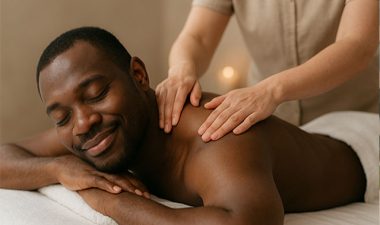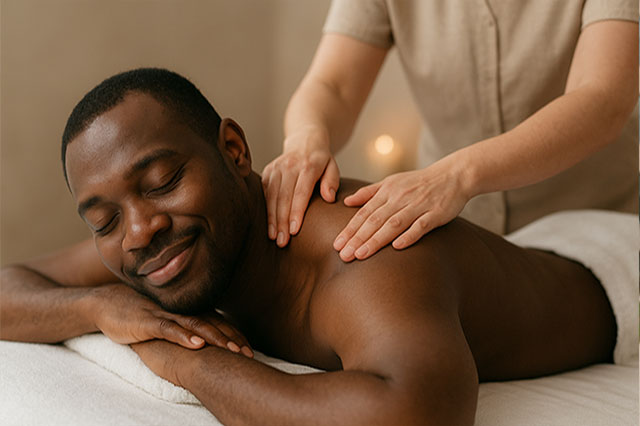
Stiff hips from sitting all day, tight shoulders from poor posture, and that wired-but-tired feeling can stack up fast. If your usual massage helps, but you still feel stuck in the same patterns, Thai Massage might be what you’ve been missing.
Unlike oil-based styles on a table, Thai Massage is often done on a mat, and you usually stay comfortably clothed. The therapist uses steady pressure, gentle rocking, and guided stretches to work through tension and improve how your body moves. It can feel like assisted stretching with focused bodywork, not a “rub down.”
In this guide, you’ll learn what Thai Massage is, what actually happens in a session, and which benefits people notice most (from easier movement to calmer stress levels). You’ll also see who it’s best for, when to avoid it, and simple ways to prepare so you get more from each visit. If you’re curious about how this compares to other bodywork, you can also check these massage therapy benefits for a helpful baseline.
What Thai Massage Is, and Where It Comes From
Thai Massage is a traditional bodywork style from Thailand that blends assisted stretching, steady compression, gentle rocking, and acupressure-like pressure. Many people describe it as yoga-style stretching, but with a skilled guide doing the work with you, not to you. It has roots in Thai healing traditions and shares influences with older movement and touch practices across Asia, which is why it often feels both energizing and calming.
If you only know massage as oil on skin, Thai Massage can surprise you. It’s not automatically painful, it’s not only for flexible people, and it’s not a standard oil massage with long, slippery strokes. Think of it more like a tune-up for how your body moves, using pressure and stretches to help you feel open and reset.
Thai Massage in plain terms: stretching plus pressure, done with your comfort in mind
At its core, Thai Massage combines two things that work well together: compression (steady pressure) and assisted stretching (guided range of motion). The therapist applies pressure along muscles and around joints, then adds stretches that look simple but feel targeted, like opening tight hips or lengthening the back of the legs.
Instead of relying on strong arm effort, a trained therapist uses body weight and good angles. That matters because body weight can feel steady and controlled, while pure force can feel sharp or rushed. Pressure usually builds slowly, then holds, then releases. That rhythm helps your body stop bracing.
You might notice a therapist using different tools at different moments, depending on the area and your preference:
- Palms and heels of the hands for broad, even compression on legs, back, and shoulders.
- Thumbs for smaller spots, often used carefully and not jammed into pain.
- Forearms to spread pressure across larger muscles, great when you want depth without a pokey feeling.
- Elbows, knees, and feet used with care for deeper work, usually on strong muscle areas (never forced on sensitive joints).
A good Thai Massage session is adjustable from start to finish. If you want gentle work, the therapist can keep stretches small and pressure light. If you like deeper work, they can lean in more, hold longer, and choose stronger lines of compression. Your job is simple: speak up early. “Less pressure on my calves” or “Can we go deeper on my upper back?” is useful feedback, not a complaint.
Here’s a quick way to picture how it compares to other common styles. Swedish massage mostly uses oil and long gliding strokes on a table, with a relaxing, flowing feel. Thai Massage uses more compression and stretching, often without oil, and it can feel more like guided mobility work. Deep tissue massage tends to focus on slower, deeper pressure into specific muscle layers, often on a table with oil or lotion. Thai Massage can also be deep, but it often gets results by changing joint angles and using stretches, not just pushing harder.
Comfort is part of the technique. The best Thai Massage is the one that fits your body today, not the one that proves how much you can handle.
The idea behind energy lines (sen), without getting too technical
In traditional Thai practice, therapists often talk about sen, which are energy lines used as a map for the session. You don’t need to study sen or believe any specific theory to enjoy Thai Massage. Still, knowing the idea can help the session make more sense.
Practically, sen explains why the massage often follows a clear route instead of jumping around. Many sessions begin at the feet, then move up through the legs, into the hips, and then to the back, shoulders, and neck. That flow can feel like untangling a knot from the ends inward. Loosen the foundation first, then the upper body softens more easily.
This is also why Thai Massage can feel methodical. The therapist may repeat patterns on both sides, use consistent pacing, and work with a “press, hold, release” rhythm. The goal is to create a whole-body response, not just chase one sore spot.
If you want a simple way to describe the sen approach, think of it like following the grain when you sand wood. You can still get the surface smooth either way, but working with a map often feels better and more organized.
Also, don’t confuse “energy lines” with a medical claim. Thai Massage is a wellness practice, not a diagnosis or a cure. What you can expect is a session that feels structured and intentional, with attention to how one tight area can pull on another.
Styles you might see on a spa menu: traditional, Thai oil, and Thai foot massage
Not every Thai Massage looks the same on a spa menu. The name stays, but the setup and feel can change a lot. The main differences usually come down to mat vs table, clothing vs oil, and full-body vs focused work.
To make it easy, here’s what typically changes between the most common styles:
| Style | Usual setup | What you wear | Main focus | Typical length | Best for |
|---|---|---|---|---|---|
| Traditional Thai Massage | Mat or firm floor mat | Comfortable clothes | Full-body compression plus assisted stretches | 60 to 120 minutes | People who want stretching, mobility, and a fully “worked” feeling |
| Thai Oil Massage | Usually a table | Undress to comfort level (with draping) | More gliding strokes, plus some Thai pressure and stretches | 60 to 90 minutes | First-timers who want Thai influence but prefer a familiar, relaxing flow |
| Thai Foot Massage | Chair or table | Clothes stay on, feet exposed | Feet and lower legs with pressure points and compression | 30 to 60 minutes | Anyone on their feet all day, travelers, people who want targeted relief |
Traditional Thai Massage is the classic “assisted stretching plus pressure” experience. Because there’s no oil, the therapist can grip and position your limbs more easily. It’s also easier to include bigger stretches for hips, hamstrings, and the spine. If you sit a lot, this style often feels like your body got space to breathe again.
Thai oil massage feels closer to a standard spa massage because it uses oil and smoother strokes. Even so, it often keeps some Thai elements like compression along the legs, gentle rocking, and a few stretches at the end. If you want something calming but still “effective,” oil-based Thai can be a smart entry point. If you enjoy oil styles in general, you might also like the feel of a warming session like an essential oils massage.
Thai foot massage keeps things focused and time-efficient. The therapist works the feet and lower legs with thumbs, palms, and sometimes a simple tool, then finishes with compression that can make your whole lower body feel lighter. It’s a great choice if full-body stretching feels like too much, or if you want a reset between longer sessions.
One more myth to clear up: none of these styles should feel like a test of toughness. Deep pressure is optional, not required. If something feels sharp, pinchy, or makes you hold your breath, that’s your cue to ask for an adjustment.
What Happens During a Thai Massage Session, Step by Step
A Thai Massage session can look intense from the outside, because your therapist may move you through several positions and stretches. From the inside, it should feel organized, calm, and surprisingly natural. Think of it like a guided mobility session mixed with steady, grounding pressure.
Most first visits follow a simple flow: you arrive, share what your body needs, settle in with privacy and clear consent, then the therapist starts with warming compressions before moving into stretches and focused work. You stay in charge the whole time. If something feels wrong, you say so, and the therapist adjusts.
Before you start: what to wear, what to mention, and how to set a goal
Wear loose, stretchy clothing that lets you bend your knees, lift your arms, and move your hips. Yoga pants, joggers, leggings, and a T-shirt work well. Avoid jeans, tight belts, and anything that pinches when you squat or twist. If the spa provides clothing, choose a size that feels roomy, not fitted.
Timing matters more than people expect. Try not to arrive on a full stomach, because Thai Massage uses gentle pressure on the abdomen and lots of movement. A light meal 1.5 to 2.5 hours before is a good target for most people. Also, drink water earlier in the day, then keep it moderate right before the session so you are not uncomfortable.
Right before you begin, take a bathroom break even if you think you do not need it. You will relax more once you are on the mat or table, and getting up mid-session breaks the flow. If you are prone to lightheadedness, tell your therapist early so they can pace position changes.
A quick intake chat protects you and helps the therapist do better work. If you are not asked, bring it up anyway. Here is a simple checklist to cover in plain language:
- Injuries and pain areas (sprains, strains, sciatica-like pain, headaches, anything that flares with stretching).
- Pregnancy or possible pregnancy, because some techniques and positions change.
- Blood pressure issues or dizziness when standing up, because Thai Massage can be energizing.
- Recent surgery or fractures, even if you feel “mostly fine.”
- Medications or supplements that affect bruising or bleeding (for example, blood thinners), plus any easy bruising history.
- Joint concerns (hypermobile shoulders, knee pain, disc issues, arthritis), so the therapist avoids end-range pushing.
Then set one clear goal. One goal keeps the session focused, especially on a first visit. Examples:
- Hip tightness from sitting, so you want more space in your hips and lower back.
- Neck and shoulder stiffness, so you want your head to feel lighter on your spine.
- Stress and poor sleep, so you want a calmer nervous system and slower breathing.
Consent should feel normal, not awkward. A good therapist explains what they plan to do, checks comfort, and asks before any bigger stretch or sensitive area work. If you prefer extra modesty, say it. If you want less talking, say that too.
A helpful pressure scale: 1 to 3 feels light and relaxing, 4 to 6 feels strong but steady, 7 is your edge (you can still breathe), 8 to 10 is too much. Aim for 4 to 7 most of the time.
On the mat or table: how the therapist moves your body safely
Traditional Thai Massage often happens on a firm mat, although some spas use a table for certain styles. Either way, privacy comes first. You stay fully clothed in most traditional sessions, and the room is set up so you can change out of sight. If a therapist steps out while you settle in, that is normal. If you ever feel rushed or exposed, speak up right away.
Once you are positioned, the therapist usually starts with broad, rhythmic work to help your body stop bracing. The classic pattern is:
- Warming compression first (press, hold, release) to relax the tissue and “introduce” pressure.
- Stretching second, once your muscles feel less guarded.
- Focused work last, where they spend more time on the tight spots you identified.
You will likely move through several positions. Each one gives safe access to different muscles and joint angles:
- On your back (supine): common for legs, hips, and gentle chest or shoulder opening.
- On your side: great for outer hip, glutes, ribs, and shoulder work without stressing the low back.
- On your stomach (prone): often used for hamstrings, calves, and back lines (adjusted if you have low back sensitivity).
- Seated: usually near the end for neck, shoulders, upper back, and a few finishing stretches.
Assisted stretches are the part people remember, because your therapist uses their body position to guide yours. Done well, the stretch feels like a slow unzip, not a sudden pull. You should feel a clear stretch, yet you can still breathe smoothly and relax your face and jaw.
A few safety cues keep you in the right zone:
- Strong stretch is normal if it feels smooth and you can breathe.
- Mild tenderness in tight muscles is common, like pressing on a sore spot after a workout.
- Gentle rocking can feel strange at first, then deeply calming once you stop resisting.
On the other hand, certain sensations are not “part of Thai Massage” and deserve an immediate pause:
- Sharp, stabbing, or electric pain
- Numbness or tingling that does not fade quickly when pressure changes
- Dizziness, nausea, or feeling faint
- Joint pain that feels pinchy (especially in knees, shoulders, neck)
Say it as soon as you notice it. Simple phrases work best: “That feels sharp,” “My foot is tingling,” or “Can we back off a little?” You are not interrupting, you are steering.
If your therapist uses draping (more common in oil-based sessions), it should be secure and respectful. Only the area being worked should be uncovered, and you should never feel exposed when changing positions. If anything feels off, you can end the session.
The stretches people remember most (and what they are meant to help)
Some Thai Massage stretches get famous because they look dramatic. In real sessions, a skilled therapist scales them to your body so they feel helpful, not showy. Flexibility is not a requirement. Cooperation is enough.
Hip openers are a staple, because tight hips can tug on the low back and knees. You might lie on your back while the therapist bends your knee and guides your thigh outward, or you might be on your side for a gentler angle. The goal is more hip rotation and easier walking posture, plus better comfort when you sit.
How it should feel: a steady stretch across the front of the hip or outer hip, not pain in the knee. If your hips are very tight, the therapist can keep the range small and use more compression first.
Spinal twists often happen on your back or side. Your knees may move together to one side while your shoulders stay grounded. Twists aim to improve mid-back mobility, ease that “stuck” feeling in the torso, and help breathing feel fuller.
How it should feel: a gentle wringing sensation through the back and ribs, like turning a towel slowly. If you have disc issues, recent back flare-ups, or pregnancy, the therapist should use smaller twists or skip them.
Shoulder and neck mobilization can feel amazing when done carefully. You might be seated, or lying down while the therapist supports your head and shoulder. The goal is not to crack your neck. It is to reduce guarding in the upper traps, ease stiffness, and help your shoulders sit lower.
How it should feel: relief and warmth spreading into the shoulder blades, with slow head movements that never force rotation. If you feel dizzy or get a headache sensation, ask to reduce range or switch to compression only.
Hamstring stretches are common because the back of the legs often tightens from sitting, training, or long drives. You may lie on your back while the therapist lifts one leg, keeping the knee slightly bent if needed. The goal is better hip hinge mechanics and less pull on the low back.
How it should feel: a long stretch through the back of the thigh and calf, not cramping or nerve zaps. If your foot tingles, that is a sign to ease off and change the angle.
Limited mobility is normal, not a problem. A good therapist has options:
- They can use bent-knee versions instead of straight-leg stretches.
- They can switch from big stretches to compression and rocking, which still helps circulation and relaxation.
- They can work more in side-lying, which is often easier on the back and hips.
- They can shorten the “hold” and repeat smaller ranges, which often works better than forcing one deep stretch.
If you like heat and herbs, some people pair Thai-style bodywork with warming add-ons on other days. For example, Thai herbal compress massage can add comforting heat to tight areas (https://aromaspa.co.ke/service/cranial-release-technique/).
After the session: soreness, hydration, and how to make the benefits last
After Thai Massage, people usually fall into one of two camps. Some feel light, loose, and taller right away. Others feel mild workout-like soreness that lasts 24 to 48 hours, especially after deep hip and hamstring stretches. Both can be normal, because your muscles just moved in ways they have avoided for months.
In the hours after your session, treat your body like it just did a long mobility class. A few simple steps help the benefits stick:
- Drink water steadily over the rest of the day.
- Take a light walk later, even 10 minutes, because movement helps your body integrate the changes.
- Choose a warm shower if you feel stiff, since warmth calms post-massage tenderness.
- Do gentle stretching only, especially for hips and chest, and keep it easy.
- Avoid heavy training right away if you had deep stretches or feel sore, because your tissues may be temporarily more sensitive.
Sleep can also change. Some people sleep like a rock that night. Others feel energized for a few hours, then crash. Either way, aim for an early bedtime and keep caffeine later in the day low.
Pay attention to the difference between normal soreness and a red flag. Mild tenderness that improves each day is common. Get medical advice if you notice severe pain, weakness, or numbness and tingling that lasts beyond a short period after the session.
If your main goal is relaxation (and you want less stretching next time), tell your therapist and consider a softer style on other visits, such as a relaxing Swedish massage (https://aromaspa.co.ke/service/cranial-sacral-therapy/). The best plan is the one your body can repeat consistently.
Benefits, Best Uses, and When to Skip Thai Massage
Thai Massage has a reputation for being intense, but the real value is how practical it can feel in your day-to-day body. When it’s done well, it’s not about pushing you into shapes. It’s about steady pressure, smart stretching, and calm pacing that helps you move easier and breathe deeper.
Still, benefits depend on the person and the day you walk in. Some sessions feel energizing, others feel like your nervous system finally got permission to slow down. Below is a clear way to think about what Thai Massage tends to help with, who enjoys it most, and when it’s better to choose a different plan.
Why Thai Massage can help with stiffness, posture, and stress
Most people feel better after Thai Massage for a few simple reasons. First, assisted stretching puts joints through safer, controlled ranges of motion. When a tight area finally lengthens a little, your body stops fighting itself. As a result, you often stand up feeling less “compressed,” like someone gently pulled the wrinkles out of a shirt.
Stretching is especially helpful for modern-life stiffness. Think of desk shoulders that creep up toward your ears all day. A session that opens the chest and mobilizes the upper back can make your head feel lighter on your neck. Similarly, tight hips from sitting often respond well to hip flexor and glute work, because those muscles can get stuck in a shortened position for hours.
Next comes compression. Thai Massage uses palms, forearms, and bodyweight to apply steady pressure. While it’s not a medical treatment, many people find compression helps them feel “warmer” in the muscles, especially in legs and back. That can be a big deal if your body feels sluggish after long days of sitting, or if you’ve been traveling and your legs feel heavy.
A common everyday example is sore legs after long walks (or after running errands all day). Thai-style compression along the calves and thighs can feel like someone is slowly wringing tension out of the tissue. It’s not magic, it’s simply a firm, rhythmic input that helps muscles stop bracing.
Finally, the pace matters. Good Thai Massage has a steady rhythm, with pauses long enough for your body to adapt. When you pair that pace with slow breathing, your nervous system often shifts out of fight-or-flight mode. Shoulders drop. Jaw unclenches. Your brain stops scanning for the next task.
A few “real life” signs it’s working (without turning it into a miracle claim):
- You can turn your head with less effort while driving.
- Your lower back feels less tight when you stand up from a chair.
- Your stride feels longer and smoother for the next day or two.
- You notice you’re breathing lower into your belly, not just into your chest.
If you leave feeling looser but also calm, that’s the sweet spot. Thai Massage often works best when it helps both movement and nervous system tension at the same time.
If your main goal is deep relaxation, adding warmth can also help your body let go faster. Some people alternate Thai Massage with a heat-based option like a hot oil massage for deep relaxation, especially during colder weeks or after high-stress days.
Who tends to love it most (and who might prefer another massage style)
Thai Massage tends to attract people who like massages that do something to their body, not just soothe the surface. If you enjoy stretching, mobility work, or that “reset” feeling after a good workout, this style often makes sense.
It’s also friendly to people who don’t want oil on their skin. Because traditional Thai Massage is usually done clothed, it can feel cleaner and simpler, especially if you’re coming in on a lunch break or you just prefer staying covered.
Here’s who often falls in love with Thai Massage:
People with desk posture and locked-up hips. If your day involves a laptop, driving, or long meetings, you might crave the hip and chest opening that Thai Massage naturally includes. The work can help counter the “folded forward” shape many bodies live in.
Athletes and regular exercisers. Runners, gym-goers, and sports players often like Thai Massage because it feels like assisted recovery. Calves, hamstrings, quads, glutes, and hip rotators get attention, plus the session often includes gentle joint movement that feels like maintenance.
People who want an active style. Some massages feel like you melt into the table and drift off. Thai Massage can be different. You’re still relaxed, but you’re also being guided, repositioned, and stretched. Many people leave feeling alert, tall, and open.
People with “stubborn” lower back tightness. Not all back tightness is a back problem. Sometimes it’s hips, glutes, or hamstrings pulling on the pelvis. Thai Massage often addresses those areas together, which can feel more complete than only working the back.
On the other hand, Thai Massage isn’t everyone’s favorite on every day. You might prefer another style if you want very minimal movement, or if your body is in a tender, sensitive phase.
A different massage style may suit you better when:
- You want a soft, flowing session with long strokes and very little stretching.
- You feel emotionally or physically “raw” and need comfort first.
- You dislike being moved around, even if the pressure is gentle.
- You have pain that flares with stretching, twisting, or big range changes.
In those cases, consider a slower option that keeps you settled and warm. Heat and oil-based sessions can feel more nurturing, and sound-based relaxation can be a nice choice if touch feels like too much that day. For example, singing bowl therapy for calm can support relaxation with gentle vibration and a meditative atmosphere.
One more honest point: flexibility is not a requirement, but communication is. If you tend to push through discomfort to “be a good client,” Thai Massage will teach you to speak up. That’s a good thing, but you have to be willing.
When Thai Massage is not a good idea, and how therapists can modify it
Thai Massage is generally safe when done by a trained therapist who listens, yet there are times when it’s smarter to pause, get medical clearance, or choose a different approach. Because this style can include deep pressure and stretching, it’s not the best fit for every body and every condition.
Start with the simple rule: if something is new, sharp, inflamed, or medically serious, don’t gamble with it. Get checked first, then come back with a plan.
Common situations where you should avoid Thai Massage, or get medical clearance first, include:
- Recent surgery (especially within the last few months, or until your surgeon clears you).
- Recent fractures or suspected fractures, even if swelling is mild.
- Severe osteoporosis or a history of fragile bones, because strong pressure and stretches can be risky.
- Uncontrolled blood pressure or serious heart conditions, since position changes and strong work can stress the system.
- Blood clots (DVT) or clotting disorders, or if you’re on blood thinners and bruise easily (ask your doctor, and tell your therapist).
- Fever, infection, or flu-like symptoms, because your body needs rest, not stimulation.
- Pregnancy, especially high-risk pregnancy, early pregnancy if you’re cautious, or later stages where positions must change (always disclose pregnancy).
- Severe disc issues, active sciatica symptoms, or nerve pain that shoots, burns, or causes numbness.
- Acute inflammation (hot, swollen joints, fresh sprains, sudden flare-ups), because stretching can aggravate it.
Also be careful with anything that changes sensation, like neuropathy. If you can’t feel pressure well, it’s harder to stay safe.
None of this means you can never enjoy Thai Massage again. It means the session needs a smarter shape. Skilled therapists can modify the work so you still get benefits without pushing into risky territory.
Here are practical ways Thai Massage can be adjusted:
Lighter pressure and slower pacing. Less force gives your nervous system time to soften. It also reduces soreness risk if you’re sensitive or stressed.
Fewer stretches, smaller ranges. A stretch can be helpful at 30 percent effort. You don’t need the 90 percent version to feel change. Many bodies respond better to repeated, gentle range than one big push.
Side-lying work instead of prone or deep twists. Side-lying can be easier on the low back and more comfortable in pregnancy. It’s also great for hips and shoulders without compressing the belly.
Shorter sessions with a narrow focus. A 45-minute session on legs, hips, and back can beat a 90-minute session that goes too intense. If your body gets overstimulated, shorter can be better.
Foot, hand, and lower-leg focus when the rest feels too much. This is a smart option when you want calming input without big body movement.
Thai Massage should never feel like your therapist is “winning” a stretch. You should feel involved, safe, and listened to, every minute.
The key is informed consent. A good therapist explains what they’re about to do, checks in, and changes course fast if something feels wrong. Your job is to give clean feedback early, even if it feels small: “That twist feels too much,” or “My knee feels pinchy,” or “Can we keep the stretch gentler today?”
If you’re not sure whether Thai Massage is a good idea with your health history, ask your clinician first, then share the details with your therapist. The more specific you are, the easier it is to tailor the session safely.
How often to get Thai Massage for real results
One Thai Massage can feel amazing, but your body changes most when you repeat the input. Think of it like watering a plant. A single heavy watering helps, yet a steady schedule keeps it healthy.
How often you should go depends on your goal, your training load, and how your body responds afterward (including soreness). Most people do best with a rhythm that’s consistent but not extreme.
Here are simple schedules that tend to work in real life:
For stress and nervous system reset: plan a session every 2 to 4 weeks. That spacing is enough to keep stress from building into chronic tightness. It also gives you something to look forward to, which matters more than people admit.
For stubborn tightness and limited mobility: start with weekly sessions for 3 to 6 visits, then shift to maintenance every 3 to 6 weeks. This works well for desk shoulders, tight hips from sitting, or a general “stuck” body feeling. The early sessions build momentum, then maintenance keeps it.
For athletes and active people: match Thai Massage to your training cycle. Many athletes like:
- Every 2 to 3 weeks during heavy training blocks.
- A lighter session in the days leading up to an event (avoid deep stretches right before race day).
- A recovery-focused session a few days after big efforts, once acute soreness calms down.
For people new to Thai Massage: start every 3 to 4 weeks and keep the first session moderate. If you feel sore for two days, that’s useful feedback. Next time, reduce pressure or reduce big stretches, then build gradually.
Consistency is the real secret, but it doesn’t mean going harder. In fact, a steady plan plus small daily movement often beats one intense session that wipes you out.
A simple daily combo that pairs well with Thai Massage:
- A 10-minute walk most days, even at an easy pace.
- Two gentle stretches you can repeat, like a hip flexor stretch and chest opener.
- A few slow breaths when you notice shoulder tension creeping up.
If you want “real results,” aim for progress you can measure: easier squats, smoother neck turns, less end-of-day low back tightness, or calmer sleep. Those small wins add up, and Thai Massage fits best when it becomes part of your routine, not a once-a-year rescue.
Why Aroma Massage & SPA in Kilimani Offers the best Thai Massage
If you already love Thai Massage, you know the difference between a session that feels random and one that feels like it was built for your body. The best Thai Massage isn’t about forcing stretches or using brute pressure. It’s about smart pacing, clean technique, and a therapist who listens from the first minute to the last.
In Kilimani, Aroma Massage & SPA stands out because the experience feels organised, calm, and adjustable. You get that classic Thai blend of compression, assisted stretching, and rhythmic flow, without the “just endure it” attitude that ruins the style for many people.
They treat Thai Massage like a full system, not a few stretches
A lot of places copy the look of Thai Massage and miss the point. Aroma’s approach feels closer to the real thing because it follows a clear structure: warm the body first, then build range slowly, then finish with targeted work.
That structure matters because Thai Massage works like loosening a tight knot in a rope. If you yank the middle first, everything fights back. When a therapist opens the legs and hips, then works up toward the back and shoulders, your body softens instead of resisting.
You’ll notice the difference in small details:
- Pressure feels steady, not pokey. Broad palm and forearm work usually comes first, so deeper work lands better.
- Stretches look controlled. The therapist supports joints, moves slowly, and avoids fast end-range pushing.
- Transitions feel smooth. Changing positions doesn’t feel chaotic, so your nervous system stays settled.
As a result, you often leave feeling both looser and calmer, not loose but rattled.
A strong Thai Massage should still feel safe. You should be able to breathe slowly through most techniques, even when the work is deep.
The therapists adapt the session to your body, not a script
Thai Massage has a reputation for intensity, yet great Thai work is more like a dial than a switch. Aroma’s sessions tend to work well for repeat clients because therapists keep checking what your body is doing today, not what it “should” do.
For example, two people can walk in with “tight hips” and need totally different choices. One person needs more compression to calm guarding. Another needs gentle rocking and smaller stretches because the hips feel sensitive. When a therapist adapts in real time, you get results without feeling manhandled.
Expect a session that can be tailored around common needs like:
Desk-body tightness (neck, chest, hip flexors). The therapist can open the front body slowly, which helps your shoulders drop and your breathing feel easier.
Sports fatigue (calves, quads, glutes). Compression along the legs and careful hip work can feel like assisted recovery, especially when stretches stay moderate.
Low back tension linked to hips. Instead of only pressing the back, a good therapist works the glutes, outer hips, and hamstrings, then reassesses how the back feels.
If you like deep pressure, you can ask for it. If you want a gentler day, that’s not “wasting” the session. It’s smart bodywork.
The space, pacing, and privacy help you relax, which makes the work better
Thai Massage isn’t only mechanical. Your nervous system sets the tone. When you feel rushed, exposed, or uncertain, your body braces, and even good technique feels harsh. A calm spa setup fixes that before the first stretch even starts.
Aroma’s Kilimani setting works in your favor because the overall experience supports relaxation: quieter energy, a wellness-focused environment, and a pace that doesn’t feel like a conveyor belt. That matters more than most people think because relaxed muscles respond faster and with less soreness.
A few practical things that improve the outcome:
- You can settle in first. A short moment to breathe and explain your goal reduces “startle tension.”
- The room feels private. When you feel covered and respected, you stop bracing in the hips and abdomen.
- Therapists take time between techniques. Those short pauses help your body accept a new range of motion.
Think of it like stretching a warm rubber band versus a cold one. The same stretch can feel easy or awful, depending on the setup.
You can choose the Thai style that matches your mood (and your schedule)
Even if you love traditional Thai Massage, you won’t want the same session every time. Sometimes you want deep stretching. Other days you want something more soothing. Aroma’s range of massage options makes it easier to stay consistent because you can match the style to your energy level.
Here’s a simple way to choose without overthinking it:
| What you want today | A Thai-friendly approach that fits | Why it works |
|---|---|---|
| “Open my hips and back, I feel stuck.” | Traditional Thai-style compression plus assisted stretching | Helps mobility and posture without needing oil |
| “Relax me, but still work out tight spots.” | Thai oil-style flow with some stretching (lighter range) | Keeps the soothing feel while still improving movement |
| “My legs feel heavy and tired.” | Thai foot and lower-leg focused work | Targets feet and calves fast, great between full sessions |
| “I’m stressed, and my body feels guarded.” | Slower pressure, more rocking, fewer big stretches | Calms the nervous system so tension releases naturally |
The big win is consistency. When a spa can adjust the style to your week, you’re more likely to book before you hit the “I can’t move” stage.
They prioritise consent and safe technique, especially for intense stretches
People who love Thai Massage often also love intensity. Still, intensity without control is where injuries and bad experiences happen. Aroma’s sessions tend to feel safer because the therapist-client dynamic stays clear: you give feedback, they adjust fast, and nobody treats pain like a badge.
If you want to keep Thai Massage both deep and safe, use simple cues during the session:
- Say “reduce the range” if a stretch feels too close to your end limit.
- Say “more pressure, same speed” if you want depth without sudden force.
- Say “that feels sharp” if anything turns pinchy or electric (especially near joints).
- Ask for more compression, fewer stretches if you’re sore from training.
That kind of communication doesn’t interrupt the flow. It improves it.
In short, Aroma Massage & SPA earns its reputation in Kilimani by doing the basics very well: structured Thai technique, real-time customization, a calm setting, and a safety-first mindset. When those pieces line up, Thai Massage stops feeling like a routine and starts feeling like a real reset.
Conclusion
Thai Massage works best when you think of it as stretching plus steady pressure, not an oil rub on a table. Because the therapist guides your body through safe ranges, it often feels like assisted mobility with calm, grounded compression. Most people love it for looser hips, easier posture, lighter shoulders, and a quieter nervous system, especially after weeks of sitting, training, or stress.
At the same time, the best results come from smart choices. Comfort is part of the method, so sharp pain, numbness, or a forced stretch is never the goal. When you share injuries, joint issues, pregnancy, or any health concerns upfront, the therapist can adjust pressure, reduce range, or skip risky moves. Afterward, a little water, a short walk, and an easier day help your body hold onto the change.
Before you book, use this quick checklist:
- Therapist experience: trained in Thai Massage, checks in often, explains bigger stretches
- Stretching comfort: you’re okay being moved and repositioned, or you want fewer stretches
- Pressure preference: you can name your “too much” early, and ask for steady depth
- Medical considerations: recent surgery, fractures, nerve pain, blood thinners, dizziness, pregnancy, or acute inflammation (get clearance if needed)
- Post-session plan: time to hydrate, walk lightly, and expect mild soreness for 24 to 48 hours
Thanks for reading, if Thai Massage already has a place in your routine, what does your body ask for most, deeper pressure or more space to move?