Kilimani moves fast, traffic builds up, screens steal your posture, and a hard gym session can leave you sore for days. When your body feels tight and your mind won’t switch off, a Best Massage in kilimani isn’t a luxury, it’s basic care.
This guide keeps it simple, you’ll learn how to pick the right massage style for your goals, how to spot a quality spa experience, and what a session should feel like from start to finish. You’ll also get practical tips on booking, timing, and price so you can choose something that fits your comfort and budget.
Finally, there’s a local spotlight on The Aroma Massage & Spa in Kilimani, including how to reach them and what to ask for when you book via their Kilimani Aroma SPA address and phone.
What “best massage in Kilimani” really means for your body and your day
“Best” isn’t one fixed thing. The Best Massage in kilimani is the one that matches what your body needs today, not what sounds impressive on a menu. Some days you want your shoulders to drop and your mind to slow down. Other days you want your legs to stop feeling heavy, or your lower back to ease after hours in traffic.
A quick self-check helps before you book: are you dealing with a tight neck, low-back ache, a stress headache, anxiety, or swollen feet from standing all day? Once you name the main problem, choosing the right style gets much easier, and your session actually changes how the rest of your day feels.
Choose your goal first: relax, recover, or fix pain
Most people walk into a spa with a vague idea like “I just need a massage.” Try to get specific. One clear goal will guide the style, the pressure, and even the session length.
Here are common goals (with simple real-life examples) and the massage type that often fits best:
- Stress relief and better sleep (busy week, racing mind, light headache from tension): A gentle Swedish-style relaxation massage usually works well because it calms your nervous system and loosens surface tension. If you want the classic, soothing approach, a Swedish massage for relaxation is a solid place to start.
- Office shoulders and screen posture (tight neck, stiff upper back, jaw clenching): Choose a back, neck, and shoulder focus with medium pressure, plus slower work around the shoulder blades. You don’t need extreme pain to get release. Targeted work with steady pressure often beats “hard everywhere.”
- Gym DOMS and training fatigue (sore quads, tight calves, stiff glutes two days after leg day): Go for a sports-style recovery session or deep tissue in specific areas, not necessarily full-body heavy pressure. The goal is to ease stiffness and improve movement, not to “beat up” already tender muscles.
- Long drive and traffic aches (lower back tightness, hips feeling locked, neck stuck to one side): A lower back and hip focus with medium pressure, plus gentle stretching, can feel like someone finally opened a tight knot in your day. Heat can also feel good here, but only if you tolerate warmth well.
- Standing all day and swollen feet (heavy legs, tired arches, ankles feeling puffy): Pick a circulation-friendly, lighter massage with extra time on feet and calves. A warm, soothing oil can help the session feel more comforting, especially if your legs feel “drained.” If you like that comforting glide, consider a relaxing hot oil treatment as a calmer option.
If you’re torn between two goals, choose the one that will improve your next 24 hours. For example, when sleep is the problem, relaxation often wins. When movement feels restricted, focus on the tight area first.
How often should you go?
It depends on whether you want a reset or a routine.
- One-off reset: Great after travel, a stressful week, or a heavy gym block. One good session can “bring you back to center.”
- Maintenance: If your work posture or training keeps reloading the same areas, a regular rhythm (for example every 2 to 4 weeks) usually feels better than waiting until you’re miserable.
- Short-term focus: When one area keeps acting up, a few sessions closer together can help you feel progress, then you shift to maintenance.
A good massage should make your body feel more “available” afterward, like you can breathe deeper and move easier.
Pressure preferences: light, medium, or deep, and why it matters
Pressure is not a badge of honor. The best pressure is the one your body can relax into. If you tense up or hold your breath, the massage turns into a fight, and your muscles often resist.
Here’s the simplest way to judge pressure during a session:
- Light pressure feels soothing and safe. It’s great for stress, sleep, and days when you feel emotionally or physically worn out.
- Medium pressure feels firm, grounded, and effective. Most people get the best results here because the muscles soften without guarding.
- Deep pressure should feel strong but controlled. You might feel intensity, yet it should not feel sharp, burning, or like you’re bracing for impact.
Deeper is not always better because pain can trigger your body to tighten. That tightness can leave you more sore, or even give you a headache later. Deep work also makes more sense when it’s specific (one stubborn knot near the shoulder blade), not when it’s applied everywhere “just because.”
The simplest rule: strong is fine, sharp is not. If you feel zingy pain, numbness, or pain shooting down an arm or leg, say something right away.
Speaking up doesn’t have to be awkward. Therapists expect feedback, and your words help them adjust to your body. Try phrases like:
- “Could you go a bit lighter on that spot?”
- “That pressure is good, please keep it there.”
- “Can you stay on the shoulders longer and do less on the legs?”
- “It feels sharp when you press there, can you soften or move slightly?”
- “I’m getting sore, can we switch to more relaxing strokes for a minute?”
Also, give context. Mention what you did today (gym, long drive, desk work). Say where you carry stress. Your therapist can then choose techniques that fit your goal instead of guessing.
A helpful approach for first-timers is to start with medium, then adjust up or down. Your body will tell you quickly what works.
When a massage is not a good idea (and safer alternatives)
Massage is generally safe for many people, but there are times when it’s smarter to pause or choose a gentler option. This isn’t about fear, it’s about making sure your session helps instead of irritating something that needs time.
Consider skipping massage or getting medical advice first if you have:
- A fever, flu, or you feel unwell (your body needs rest, not extra stimulation).
- A recent injury like a fresh sprain, strain, or a new sharp pain you can’t explain.
- Open cuts, rashes, or a skin infection in the area to be worked on.
- A recent surgery or any area that is still healing.
- A history or concern of blood clots, or sudden unexplained swelling in one leg.
- Pregnancy, especially in the first trimester, or if you have any pregnancy complications (get guidance first and book a therapist trained in pregnancy massage).
- Severe varicose veins or very tender, ropey veins that hurt to touch.
- Serious medical conditions you’re managing (ask your clinician what’s appropriate).
If you still want to feel better today, choose a safer alternative:
- Light relaxation massage (gentle, calming touch instead of deep work).
- Simple stretching and mobility focused on the tight area, done slowly.
- Heat at home for comfort (if you tolerate heat well), followed by hydration and rest.
- A clinician check-in when pain is new, intense, or getting worse.
If you’re unsure, describe your symptoms clearly when booking. A good spa will help you choose the right option, or tell you to get medical advice first.
To make your choice easier, use this quick checklist before you commit.
Quick checklist before choosing a spa or style
- Do I want relaxation, recovery, pain relief, or better sleep today?
- Where is the main issue, neck, shoulders, lower back, hips, legs, or feet?
- What pressure do I prefer, light, medium, or deep, and what feels “too much” for me?
- Did I have a recent injury, fever, pregnancy, unusual swelling, blood clot risk, or serious skin issue that needs medical advice first?
- Do I want a one-off reset or regular maintenance over the next few months?
Massage styles you can book in Kilimani, and who each one is best for
Menus can look long, yet most sessions in Kilimani fall into a few main styles. The trick is picking the one that matches your body today, not the one with the fanciest name. If you want the Best Massage in kilimani, choose based on your goal (sleep, pain relief, recovery, or pure calm), your pressure comfort, and how much time you can spare (60 vs 90 minutes).
As you read, keep one simple idea in mind: relaxation styles calm your system first, while corrective styles work on specific problems. You can also add small upgrades like heat, aromatherapy, or a scalp focus, but only when they fit what you need.
Swedish massage for stress relief and better sleep
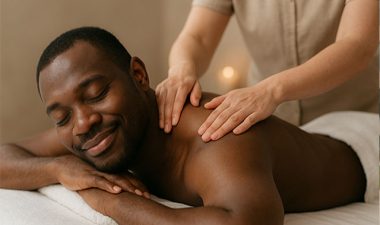
Swedish massage is the classic “exhale and sink into the table” style. Expect long, gliding strokes, gentle kneading, and a calming pace that helps your nervous system downshift. Pressure usually stays light to medium, so your muscles soften without you bracing.
This is often the best pick if you are:
- New to massage and not sure about pressure yet
- Mentally overloaded, anxious, or running on too little sleep
- Carrying tension in your neck, shoulders, and upper back, without sharp pain
Swedish works because it feels safe. Instead of hunting knots, the therapist warms the tissue first, then smooths out surface tension like ironing a wrinkled shirt slowly.
Who may not love it: If you want very focused “fix this knot” work, Swedish can feel too gentle. Also, if you dislike oil and glide, ask for less product or more over-the-sheet techniques.
60 vs 90 minutes:
A 60-minute session is great for full-body relaxation when you are short on time. Choose 90 minutes if you want full-body plus extra time on problem zones (usually shoulders, jaw, hips, or calves) without rushing.
Popular add-ons that fit Swedish:
- Scalp focus for screen fatigue and tension headaches
- Light heat for extra comfort (especially on the back)
Afterward, many people feel sleepy, calm, and “floaty.” Plan a slower evening if you can. Also drink water, your mouth may feel dry, and hydration helps you feel better the next day.
If your mind won’t switch off at night, Swedish is often the most reliable starting point.
Deep tissue massage for stubborn knots and posture pain
Deep tissue massage is for the days when your body feels like it has “stuck points.” The therapist works slower, with targeted pressure into tighter layers of muscle and connective tissue. It is less about full-body soothing and more about changing how a painful area behaves.
You will usually feel:
- Slow, firm pressure that builds gradually
- Focus on specific zones (upper back, shoulder blades, glutes, hips, calves)
- Short pauses on tight bands, followed by a release
Deep tissue can help with stubborn knots, posture-related pain, and that locked-up feeling after long desk days or heavy training. Still, good deep work is not random heavy pressure everywhere. The best therapists “earn” depth by warming the area first, then working in layers.
Who may not love it: If you are already run down, very stressed, or sensitive to pain, deep tissue can feel like too much. It can also irritate fresh injuries. When in doubt, ask for medium pressure with deep tissue only on one or two areas.
Why soreness can happen the next day: Deeper pressure can leave tissues tender, especially if the muscle was tight for a long time. Mild soreness can feel similar to a workout. Sharp pain, tingling, or numbness is not normal, speak up right away.
Tips to reduce next-day soreness:
- Drink water after your session
- Do light stretching later that day (no aggressive holds)
- Take a short walk to keep blood flow moving
- Avoid hard gym work on the same area for 24 hours if you can
60 vs 90 minutes:
Pick 60 minutes for one main target (for example back and shoulders). Go for 90 minutes when you have multiple problem areas, or when you want deep work plus a calming finish so you don’t leave feeling “worked over.”
If you’re comparing options and want a quick baseline, it also helps to check massage rates and pricing before you book add-ons like heat or aromatherapy.
Hot stone and hot oil massages for full-body melting relaxation
Heat changes the whole experience. Hot stone and hot oil sessions use warmth to help muscles loosen faster, so the therapist can use less pressure while still getting a deep sense of release. It feels like your body is being gently “defrosted,” especially in the back, legs, and shoulders.
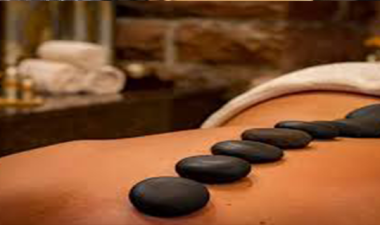
Hot stone massage usually places warmed stones on key areas (like the back) and may also use stones for slow gliding strokes. The heat helps reduce guarding, so tight muscles stop fighting back.
Hot oil massage uses warm oil for smooth, comforting strokes. It tends to feel nurturing and grounding, which is perfect when stress has you feeling scattered.
Great for:
- People who feel very tense but don’t want deep pressure
- Anyone who is cold-sensitive
- Long weeks, emotional burnout, or “I just need to switch off” days
Who should avoid high heat (or ask for gentle warmth only):
- People with heat intolerance or who get dizzy easily in warm rooms
- Anyone with certain skin issues (active rashes, inflamed eczema, sunburn)
- Those who bruise easily or have reduced sensation in an area (tell your therapist)
If you are unsure, ask for a temperature check before the therapist starts. Heat should feel soothing, not sharp or too hot.
60 vs 90 minutes:
A 60-minute heat session can still feel complete because warmth speeds up softening. Choose 90 minutes if you want full-body plus extra time on hips, lower back, or calves, where tension often hides.
Add-ons that pair well:
- A short scalp massage at the end, especially if you clench your jaw
- Gentle stretching after the heat work, to help you keep the looseness
Aromatherapy and herbal options when you want calm plus a mood boost
Aromatherapy adds scent and plant-based oils to a massage, usually by blending a few essential oils into a carrier oil or using a prepared herbal blend. The touch still matters most, but scent can help your brain get the message: “You’re safe, you can relax now.”
Common aromatherapy goals people ask for:
- Calm and sleep support (often paired with soft, slow massage)
- A fresh, clear feeling when you feel mentally tired
- Mood lifting on low-energy days
Here is the simple truth: scent does not “cure” stress, but it can support relaxation by making the room feel more comforting and familiar. Think of it like music in the background, it sets the tone.
Who may not love it: If you are scent-sensitive, get headaches from perfume, or have asthma triggers, strong oils can feel overwhelming. The fix is easy, ask for unscented oil or a very light blend.
Before your session, tell the therapist:
- If you have allergies, sensitive skin, or migraines
- If you prefer no scent at all
- If you want the oil kept away from your face and neck
A smart safety habit is patch awareness. If you have reacted to products before, ask to test a small amount on your inner arm first. Also mention any known reactions to nuts or specific plants, since carrier oils vary.
60 vs 90 minutes:
Choose 60 minutes for a simple reset. Pick 90 minutes if you want full-body relaxation plus extra time on the upper back, chest area, and scalp, where stress often shows up.
Thai massage, cranial-sacral, and foot-focused sessions for people who like stretching or head relief
If you don’t want a “classic oil massage,” these three options can fit better. Each one has a different touch style, so it helps to know what you like: hands-on pressure or very gentle contact.
Thai massage (stretching and assisted movement):
Thai massage often feels like guided stretching mixed with steady pressure. In some places it is clothes-on, and the therapist uses hands, forearms, and body weight to open hips, loosen the back, and free tight shoulders. It’s great if you feel stiff or you sit a lot. However, if you hate stretching or you are very sore, it can feel too intense.
Cranial-sacral (very gentle, nervous-system focused):
This style uses a light, still touch around the head, neck, and sometimes the spine. People book it for head tension, jaw clenching, stress overload, and days when deep pressure feels like too much. If you expect obvious muscle kneading, it may feel “too subtle,” but many people leave feeling clear and quiet inside.
Foot-focused sessions (relief after long days):
A foot-focused massage or reflexology-style session targets the feet, arches, and calves. It’s a strong choice after long hours standing, walking, or commuting. Since feet carry your whole day, good foot work can make your whole body feel lighter.
60 vs 90 minutes:
- Choose 60 minutes if you want one focus (stretching, head relief, or feet).
- Choose 90 minutes if you want a combo, like feet plus calves, or head and neck plus shoulders.
When deciding, be honest about your preference. If you like firm contact and active work, Thai or focused foot sessions can feel satisfying. If you want a soft landing, cranial-sacral or a gentle relaxation massage will likely suit you better.
What separates a great Kilimani spa from an average one
Two places can offer the same menu and still feel worlds apart. The difference shows up in the small signals: how clean the space is, how the staff speak to you, how the therapist checks your comfort, and whether the pricing stays clear from start to finish.
If you’re chasing the Best Massage in kilimani, look past the fancy photos. A great spa feels consistent, professional, and safe, even on a busy day.
The first 5 minutes tell you everything: reception, hygiene, and how you’re treated
Your body relaxes when your brain feels safe. That starts at reception. A great spa welcomes you calmly, confirms your booking, and explains what happens next (payment timing, changing, and what to do if you need anything). Nobody should rush you or talk over you.
Next, look for obvious hygiene habits. You shouldn’t need to “hope” things are clean; you should see it.
Here’s what “professional clean” tends to look like on arrival:
- Fresh linens: The sheet and face cradle cover look and smell clean, and they’re changed between clients.
- Hand hygiene: Staff wash or sanitize hands before they touch you, and it’s easy for you to wash your own hands too.
- A tidy treatment room: No used towels lying around, no sticky oil bottles, no clutter on the floor.
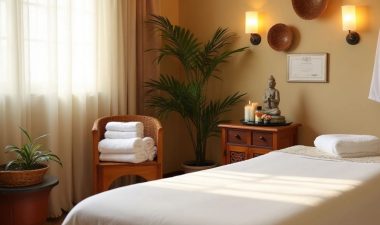
- A calm setup: The room is a comfortable temperature, with low noise and clear privacy (a door that closes properly, no random interruptions).
Communication matters just as much as cleanliness. A good spa sets clear rules without making it awkward. They’ll tell you what to wear (or remove), how draping works, and how to speak up about pressure or pain.
If anything feels unsafe, disrespectful, or unclear, you’re allowed to leave. You don’t owe anyone an explanation.
Red flags in the first minutes include dirty linens, a strong smell of stale oil, staff who ignore your questions, or anyone who pushes you into services you didn’t ask for.
How to tell if your therapist is skilled (even if you’re new)
A skilled therapist doesn’t guess. They do a simple intake first, then they adjust as they go. Even if you’ve never had a massage before, you can spot the difference fast because a good session feels organized, not random.
A professional intake often includes questions like:
- Where do you feel pain or tightness today?
- Do you want light, medium, or deep pressure?
- Any injuries, recent procedures, or areas to avoid?
- Any allergies, asthma triggers, or skin sensitivities (especially to scented oils)?
- Do you prefer quiet, or do you like check-ins?
During the massage, skill shows up in pacing and control. The therapist warms the tissue first, then works deeper only if your body allows it. They check pressure early (and more than once), especially on common hot spots like the neck, lower back, and calves.
Also pay attention to technique and respect:
- They explain what they’re doing in simple terms, especially before deeper work.
- They work gradually, instead of jumping straight into painful pressure.
- They respond to feedback without attitude, and they don’t try to “prove strength.”
- They protect your privacy with proper draping and clear boundaries.
So what should results feel like? After a good massage, you usually feel looser movement, easier breathing, and less “holding” in the shoulders or jaw. Mild tenderness can happen after deep work, but bruised pain, sharp aches, tingling, or numbness are not the goal. If you leave feeling beat up, that’s not “effective,” it’s a sign to choose lighter pressure or a different therapist next time.
Booking smart in Kilimani: timing, traffic, and choosing session length
Kilimani traffic can steal the calm you’re paying for, so plan your timing like you’d plan a meeting. Weekday rush hours commonly hit 7-9 AM and 4-7 PM, and congestion can build earlier. If you can, book mid-morning, early afternoon, or later evening so you arrive with your shoulders down, not up.
A few small habits make your session better:
Arrive 10 to 15 minutes early so you can use the restroom, breathe, and settle. Eat lightly beforehand (a heavy meal plus lying face-down is not a fun mix). If you’re coming from the gym, mention it, sore muscles need a different approach than stress tension.
Choosing session length is where many people miss out. Think of time like a budget:
- 60 minutes works best for full-body relaxation at a steady pace, or one main focus area (like back and shoulders).
- 90 minutes makes sense when you want full-body plus targeted work without rushing (for example hips, calves, and upper back), or when you want deep work and a calming finish.
When you book, share the details that help the therapist plan:
- Your top 1 to 2 problem areas
- Pressure preference (and what feels like “too much”)
- Any sensitivities (scent, heat, skin reactions)
- Any injuries, pregnancy, or medical concerns you’re managing
That one-minute chat can be the difference between “nice” and “exactly what I needed.”
Pricing and value: what you’re paying for, and how to avoid surprises
Massage pricing in Kilimani often reflects real costs, not just branding. You’re paying for the therapist’s time and training, the quality of oils or creams, laundry and hygiene standards, the comfort of the room, and any tools used (like heat). Home visits usually cost more because of transport time, setup, and convenience.
Still, value is about clarity. Before you confirm, ask three direct questions:
- What’s the total price for the session I want? (Including any add-ons.)
- What’s included? (Shower access, oils, heat, scalp focus, or anything extra.)
- What’s the cancellation or reschedule policy?
A great spa answers without hesitation. An average one stays vague, then adds fees later.
Watch for common “surprise” patterns: unclear service names, a rushed session that starts late and ends on time, or pushy upsells while you’re already on the table. You should never feel pressured to pay for extras to get basic respect.
Tipping in Nairobi: tipping is usually optional, not automatic. If you loved the service, a small tip can be a kind gesture. Many people use around 10 to 20% as a guide, but it depends on your budget and whether a service charge is already included. When in doubt, check your receipt first, then tip only if you feel it was earned.
To get more value without cutting corners, ask about off-peak appointments and packages if you plan to come regularly. Consistent care often costs less per session, and your body tends to respond better over time.
Spotlight: The Aroma Massage & Spa in Kilimani, what to expect and who it suits best
If you want the Best Massage in kilimani without overthinking it, Aroma is set up for straightforward, comfort-first sessions. It suits busy office schedules, gym recovery, and anyone who needs a calm reset without a long commute across town.
On a first visit, focus on two things: your goal (relax, recover, or work on pain) and your preferences (pressure level, heat, and how much talking you want). When you share that clearly, the therapist can match the session to your body instead of guessing.
Where it is in Kilimani, and why the location is convenient
Aroma Massage & Spa is located at Jabavu House, along Argwings Kodhek, off Ngong Road. That matters because it’s a practical address for most of Kilimani and nearby neighborhoods. You can get in from central Kilimani quickly, and it’s also within easy reach of areas like Kileleshwa, Lavington, Upper Hill, and the Ngong Road corridor.
The other advantage is mental, not just geographic. When a spa is easy to reach, you arrive less stressed. That means your shoulders drop sooner, and your session starts working faster.
A few simple arrival tips help your day run smoothly:
- Plan for traffic buffers, especially if you’re coming around evening peak hours.
- Ask about parking before you leave, so you know whether to expect onsite slots or nearby options.
- Arrive 10 to 15 minutes early to settle, use the restroom, and share your goals without rushing.
If you’re coming from work, it also helps to switch your phone to silent early. Think of it like stepping out of a noisy street into a quiet room, your nervous system needs a minute to catch up.
Massage options at Aroma Spa, and how to pick the right one on your first visit
Aroma’s menu covers the most common needs people have in Kilimani: stress, tight posture muscles, gym soreness, and that “heavy legs” feeling after long days. If it’s your first visit, choose a style that matches your main goal, then keep it simple.
Here’s a quick way to pick:
- Stress, anxiety, poor sleep: Go for Swedish or aromatherapy. These usually feel calming and steady, not intense.
- Stubborn knots, tight upper back, desk shoulders: Choose deep tissue, but tell them exactly where you want the focus.
- Full-body “melt” and deep relaxation: Pick hot stone or hot oil if you enjoy warmth and slow pressure.
- Stiff body, you want stretching and movement: Try Thai massage, especially if you sit a lot.
- You want very gentle work: Book cranial-sacral therapy for a lighter, calming touch.
- Tired legs and aching feet: Ask for a foot-focused session, plus extra time on calves.
For most first-timers, two “safe” starting choices are:
- Swedish (60 minutes) if you want a clean baseline and a calmer mind.
- Deep tissue (90 minutes) if you’ve had chronic tightness for months and you want enough time for targeted work plus a relaxing finish.
When you book (phone or WhatsApp style), share your top 1 to 2 problem areas and your pressure comfort. For example: “My neck and right shoulder feel tight, I want medium pressure, and I don’t want anything too painful.”
What reviews say people love, and what results you can realistically expect
Recent, location-specific online reviews for Aroma in Kilimani are limited, so it’s smart to treat review snippets as signals, not guarantees. Still, older Nairobi spa reviews for similarly positioned massage spaces tend to repeat the same themes: people talk about feeling deeply relaxed, enjoying friendly and professional staff, and leaving with that lighter, calmer body feeling. Many also mention returning because the experience feels consistent.
Here’s what you can realistically expect from one good session:
- Right away: You may feel looser in the neck, shoulders, hips, or calves. Breathing often feels easier too.
- Later that day: Many people feel calmer, sleepier, or “quiet in the head.”
- Next day: If you did deep tissue, mild soreness can happen, similar to a workout.
If you’re dealing with long-term posture pain or recurring knots, one session can help, but it usually won’t erase the pattern. Think of it like ironing a wrinkled shirt, one pass helps, yet a few careful passes create a real change.
The best sign of a good massage isn’t pain, it’s ease, easier movement, calmer breathing, and less guarding in your muscles.
If you want to understand the broader wellness upside of consistent bodywork, the benefits of massage therapy are a helpful reference point.
A simple plan for getting the best results: before, during, and after your session
A great therapist matters, but your habits around the appointment also shape results. Use this simple routine, especially if you’re trying to find your personal “Best Massage in kilimani” experience.
Before your session, set your body up to relax:
- Hydrate during the day, so your tissues aren’t dry and cranky.
- Shower if you can, especially after the gym or a hot commute.
- Arrive a little early, so you don’t carry rush energy onto the table.
- Avoid a heavy meal right before, because lying face-down can feel uncomfortable.
During the massage, guide the session without overtalking:
- Speak up about pressure (too sharp, too light, or just right).
- Mention temperature, especially for hot stone or hot oil.
- Repeat your focus areas once they start, so time doesn’t drift to places you don’t care about.
Afterward, lock in the benefits:
- Drink water and keep your evening lighter if you can.
- Do gentle stretching or a short walk, so the body stays open.
- Skip an intense workout right away after deep tissue, give it a day if possible.
- Note what changed (pain level, range of motion, sleep quality), so your next booking gets even better.
The aim is simple: each session should teach you something about your body, then the next visit gets more precise.
Conclusion
The Best Massage in kilimani comes down to a simple match, pick your goal (relax, recover, or ease pain), choose the style that fits it, use the quality checklist (clean space, clear pricing, skilled intake), then book with direct communication about pressure and focus areas. If you’re new, start with a 60-minute Swedish or aromatherapy session so your body can settle and you can learn what pressure feels best. On the other hand, if you’ve had ongoing tightness for months, a 90-minute deep tissue session gives enough time for targeted work without rushing.
Aroma Spa is a strong choice in Kilimani if you want a calm place that listens and keeps things consistent. Book your session, show up a little early, and keep it regular enough that your body stops “re-tightening” every week, because long-term comfort usually comes from repeat care, not one heroic appointment. Thanks for reading, what would feel like the biggest win after your next massage, better sleep, easier movement, or a quieter mind?