
Deep Tissue Massage: Benefits, Pain vs Pressure, and What to Expect in Nairobi
If your shoulders stay up by your ears all day, or your lower back feels tight no matter how you stretch, Deep Tissue Massage might be what your body has been asking for. This isn’t a light, sleepy rub, it’s slower, firmer work that targets deeper muscle layers and stubborn tight spots.
People often book it for a stiff neck and shoulders, desk-job tension, sports soreness, or stress that sits in the body long after the day ends. The goal is simple: ease knots, improve how you move, and help you feel more comfortable in your own skin.
“Deep” doesn’t have to mean “painful,” though. A good therapist works within a tolerable range, checks in often, and adjusts pressure based on what you’re feeling, so the session stays effective and safe. If you’re curious about how it should feel, what results to expect, and how to get the most from your appointment in Nairobi, this guide breaks it down in plain language.
What deep tissue massage actually does inside your muscles
Deep Tissue Massage is not about forcing your body to “loosen up.” It’s more like warming and reshaping stiff clay, slowly, with steady pressure. Your therapist works through the top muscle layers, then targets deeper bands of tension, plus the thin connective web around muscles called fascia.
When muscle and fascia stay tight for weeks or months, they can start to feel stuck, like a shirt that shrank in the wash. Slow strokes, pauses, and focused pressure can help those areas soften and slide better again. That can feel intense, but it should still feel controlled and safe. Progress is often gradual, especially with long-term desk posture, training soreness, or stress you carry in your shoulders.
Deep tissue vs Swedish massage: the real differences
At first glance, both styles look similar: oil or lotion, hands on skin, and a calm room. The difference is how the therapist moves, and what they are trying to change.
Swedish massage is usually lighter, smoother, and more rhythmic. It tends to focus on relaxation, circulation, and general muscle ease. Deep tissue work slows down and gets more specific. The therapist may use forearms, knuckles, or elbows (with control), and they will often stay on one area longer to work through stubborn tightness.
If you are deciding between the two, this quick comparison helps. (It also works as a simple table idea for your draft.)
| Category | Swedish massage | Deep tissue massage |
|---|---|---|
| Pressure | Light to medium | Medium to firm (adjusted to your tolerance) |
| Speed | Faster, flowing | Slower, more measured |
| Focus | Whole-body relaxation | Targeted tension release, tight spots, and patterns |
| Best for | Stress relief, first-timers, general soreness | Chronic tightness, limited mobility, post-workout knots |
| After-feel | Floaty, calm, sleepy | Looser, “worked,” sometimes mild next-day tenderness |
What does a client feel during and after? In Swedish, you often drift off. In deep tissue, you stay present because the therapist is asking your body to release, not just relax. Afterward, Swedish tends to feel immediately soothing. Deep tissue can feel like you did a good gym session for your tissues, and you may notice changes over 24 to 72 hours.
Many sessions blend both styles depending on what your body needs that day. A smart therapist might start with Swedish-style strokes to warm you up, then shift into deeper, slower work where your body feels stuck. If you want a clearer picture of the lighter style, see Swedish massage techniques.
Common benefits people notice after a few sessions
One deep session can feel great, but the most practical changes often show up after a few appointments. That is because long-term tension usually builds slowly, then unwinds in layers.
Here are the benefits many people report, with the honest note that results vary and Deep Tissue Massage may help, not guarantee:
- Less stiffness when waking up or after sitting because tight areas stop pulling so hard on nearby joints.
- Better range of motion in spots like hips, shoulders, and upper back, especially when you also stretch gently.
- Easier workouts and recovery because your muscles may feel less restricted during movement.
- Fewer tension headaches for some people, especially when neck, jaw, and upper back tension reduces.
- Better body awareness since you start noticing which side you lean on, where you clench, and how you breathe.
- Improved posture habits because your body feels more balanced, making it easier to sit and stand tall.
One myth to skip: deep tissue does not “break up toxins.” What it can do is improve how tissues move and how you sense your body. As a result, you may naturally move more, breathe deeper, and drink more water, which supports recovery in everyday ways.
Stress relief can still happen, even with firm pressure
Firm work can calm you down when the therapist stays in the right zone. Slow pressure plus steady breathing can cue your nervous system to shift out of constant “on” mode. You might notice your shoulders drop, your jaw unclench, and your breath deepen without forcing it.
The goal is not to win a pain contest, it’s to help your body feel safe enough to release.
If stress relief is your main goal, some people also enjoy pairing deep work with scent and slower pacing. Aromatherapy massage for stress can be a good option when you want relaxation plus focused tension relief.
Is it supposed to hurt? How to find the “good pressure” zone
A little intensity is normal, especially on tight areas like upper traps (the “shoulder shelf”), glutes, calves, and the muscles along the spine. Still, Deep Tissue Massage should not feel like sharp pain, burning, or anything that makes you hold your breath.
A simple way to guide pressure is a 1 to 10 comfort scale:
- 1 to 3: Too light, it feels nice but doesn’t change much.
- 4 to 7: The sweet spot for most people, strong but manageable, often called “good pain.”
- 8 to 10: Too much, your body may start fighting back.
Aim around 5 to 7, especially if you want results without feeling wrecked the next day. That zone lets the therapist work steadily while your muscles stay willing to soften.
Breathing matters more than most people think. Slow exhales signal safety to your system. Meanwhile, breath-holding often means the pressure is too high or the pace is too fast. Speak up early, not after you have endured five minutes of misery.
When pressure crosses the line, your body can start guarding, which means it tightens to protect itself. Guarding is like stepping on the brake while someone tries to push your car uphill. It wastes effort, increases soreness, and can make the tight spot even more stubborn.
A quick self-check during the session helps:
- Can you keep your face relaxed?
- Can you breathe smoothly?
- Can you answer a question without gritting your teeth?
If not, ask for a small adjustment. A few percent lighter often works better than “as deep as possible.”
How deep tissue massage works on tight spots and trigger points
Tight spots are not always a single “knot.” Often, they are areas where muscle fibers stay contracted, fascia feels sticky, and your nervous system keeps the region on alert. This is why a tight shoulder can feel connected to your neck, arm, or even the side of your head.
Trigger points are small, sensitive points in a muscle that can create pain locally or send it elsewhere. That second part is called referral pain. For example, a trigger point in the upper shoulder may send a dull ache up toward the skull, which can feel like a headache.
Therapists use a few common methods to calm these spots:
- Sustained pressure: The therapist applies steady, tolerable pressure and waits for the tissue to soften. It can feel intense at first, then gradually eases.
- Stripping strokes: Slow strokes travel along the length of a muscle, like smoothing a wrinkled fabric from one end to the other.
- Friction work: Small, focused movements target a specific tight band, often used carefully around stubborn areas.
Good deep tissue work usually combines technique with timing. Your therapist may work a spot, back off, then return later once the area is warmer and less guarded. That pacing often creates better change than staying aggressive.
After your session, a little aftercare helps the work “stick.” Drink water as you normally would, then add gentle movement such as an easy walk or light stretching. Hydration and motion can help the area settle, especially if you feel that familiar next-day tenderness. If soreness lasts more than a couple of days or feels sharp, scale back pressure next time and mention it early.
Who deep tissue massage is best for, and when to choose something gentler
Deep Tissue Massage is a great match when your tension feels stuck, not just tired. Think of the difference between a wrinkled shirt and a shirt that dried twisted in the sun. A light massage can smooth the surface, while deeper, slower work helps unwind the tight layers underneath.
That said, deeper is not always better. Your best choice depends on what your body is dealing with today, how sensitive you feel, and whether you need recovery or pure relaxation. Use the examples below to self-select, then tell your therapist what you want most (less pain, better movement, or simply to calm down).
Great reasons to book: desk tension, workouts, and chronic tightness
If you sit most of the day, you probably know the feeling. Your upper back starts to round, your chest feels tight, and your neck does extra work holding your head up. Meanwhile, your hip flexors can shorten from sitting, so standing up later feels like your hips need oiling.
Deep Tissue Massage can help when that pattern becomes your “normal.” The pressure is not the point, the precision is. Slow work on the upper back, shoulders, glutes, and hips can reduce that locked-up feeling, especially when posture and stress keep reloading the same spots.
It also fits people who carry stress in the body, not just the mind. For example, if you clench your shoulders toward your ears during traffic, or your jaw feels tight after long days, deep tissue work can teach those areas to let go again. You might notice you breathe deeper without trying.
Training adds another layer. Runners often feel it in the calves, hamstrings, and hips, where tight bands can make every step feel shorter. Gym lovers usually feel it in the chest, lats, and glutes after heavy sessions, especially when soreness lingers past the usual 48 hours. Deep work can calm stubborn tightness and help muscles feel more usable, not just less sore.
Here are a few relatable signs you are a good candidate:
- You feel “locked up” when you turn your head, reach overhead, or stand from a chair.
- Stretching helps, but only for a few minutes, then the tightness returns.
- One side always feels tighter, like one shoulder, hip, or calf does more work.
- Workouts feel restricted, even when your strength is improving.
Deep tissue work tends to shine when you pair it with basics. Good sleep supports tissue repair, gentle stretching keeps new range of motion, and strength work helps you hold the changes. In other words, massage is like loosening a stiff hinge, but you still need to open and close the door.
If you want a broader look at styles offered locally, you can check Aroma SPA in Nairobi.
Times to be careful or skip it for now
Deep Tissue Massage is bodywork, not a test of toughness. Some days, your body needs rest or medical advice first. When in doubt, pause and ask a clinician, especially if symptoms feel unusual for you.
Use these common red flags as a simple guide:
- Fever, flu, or active illness (your body is already under load).
- A new injury like a fresh sprain, strain, or a sudden sharp pain.
- Severe swelling, warmth, or redness in one area.
- Skin infection, rash, or open wounds where massage would touch.
- A history of blood clots, or concern about a clot (get assessed first).
- Uncontrolled high blood pressure or a recent hypertensive episode.
- Recent surgery (your surgeon or clinician should clear you).
- Certain blood thinners or easy bruising (ask your prescriber for guidance).
- Pregnancy considerations, especially in the first trimester or with any complications (seek a therapist trained in prenatal care).
- Nerve-type symptoms like numbness, tingling, shooting pain, or weakness that need assessment.
None of this is meant to scare you. It is simply about choosing the right tool at the right time. Even when deep pressure is safe, it might still be the wrong match if you feel burned out, highly stressed, or extra sensitive that week.
If your body tenses up, you hold your breath, or you feel sharp pain, the pressure is too much. Ask for less and you will often get better results.
If deep tissue is too intense, here are good alternatives
Some bodies respond better to a gentler approach. That does not mean you are “too sensitive.” It means your nervous system might release faster when it feels safe, warm, and unhurried.
A few good options can still give real relief:
Swedish massage works well when you want overall ease, circulation support, and a calmer body. It is also a smart choice if you are new to massage, coming back after a long break, or feeling generally run down.
Aromatherapy massage adds scent and slower pacing to help downshift stress. When your tension is stress-driven, calming your system can soften muscles without pushing hard. For a relaxation-focused option, Aromatherapy massage for stress may fit better than deep work that leaves you sore.
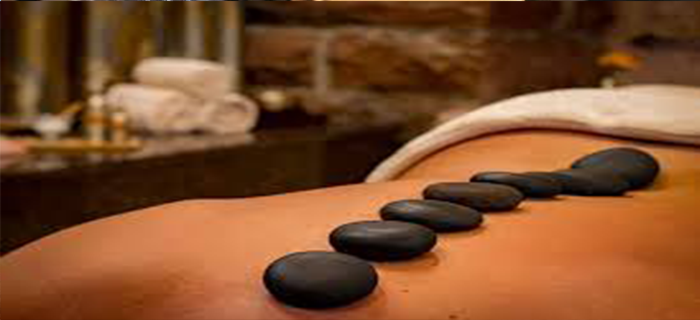
Hot stone massage can be ideal when you want muscles to melt before any focused work begins. Heat often relaxes tight areas without needing heavy pressure, especially across the back and hips.
Gentle stretching-focused sessions are another solid path, especially for hips, hamstrings, and upper back stiffness. Light assisted stretching can restore movement while keeping the body calm.
You can also ask for a hybrid: lighter pressure with more time. A longer session at medium pressure often changes more than a short session that goes too deep. Think of it like ironing clothes. Slow heat and steady passes beat a quick, aggressive push that leaves creases behind.
If you are unsure which style to choose, start gentler and build up. You can always request deeper work later, once your body trusts the process. For planning, massage rates at Aroma SPA can help you compare session lengths and add-ons like hot stones or aromatherapy.
What happens in a deep tissue session, and how to get the best results
A Deep Tissue Massage session works best when it has a clear target and a shared plan. Think of it like a road trip. If you do not agree on the destination (pain relief, better movement, faster recovery, or pure stress release), you might still enjoy the ride, but you will not get the change you want.
Most sessions follow a simple rhythm: your therapist checks your needs, warms the tissue, then works slowly into tight layers with steady pressure and smart angles. Your job is to give good info and speak up early. That one habit can be the difference between “that was intense” and “my shoulder finally feels normal again.”
Before your appointment: what to share with your therapist
The best deep tissue work starts before the first stroke. In the first few minutes, your therapist is building a map of your body. Give them the details they cannot guess, so they can spend time where it matters.
Start with your main problem, then describe it in plain words:
- Where exactly do you feel it (neck, upper back, low back, hip, calf)?
- What does it feel like (dull ache, tight band, pinch, burning, stiff)?
- When is it worse (mornings, after sitting, after training, after stress)?
Next, mention anything that changes what is safe or effective:
- Past injuries and surgeries: old ankle sprain, shoulder dislocation, C-section, knee issues, even if it was years ago.
- Daily habits: long desk hours, heavy lifting, driving, one-sided bag carry, side-sleeping, phone use with head forward.
- Medications and supplements: especially blood thinners, pain meds, or anything that makes you bruise easily. If you are unsure, just say what you take.
- Pressure preferences: tell them what “too much” feels like for you, and what “not enough” feels like.
- Your goal for today: pain relief, better mobility, sports recovery, headache support, or stress relief.
A simple way to keep it focused is to choose one priority area. For example: “Right shoulder and neck, with a little work on the upper back.” That keeps the session from turning into a rushed full-body sweep.
Also, a few practical steps help your body respond well:
- Arrive 10 to 15 minutes early so you are not rushing and tense.
- Avoid a heavy meal right before, because deep work plus a full stomach can feel uncomfortable.
- Wear comfortable clothing, especially if you will be assessed or stretched briefly.
If you want a broader view of massage effects, this overview of why deep tissue massage helps can give you extra context for what the body tends to respond to over time.
The clearer your goal, the better the plan. Deep tissue is more effective when it is specific, not random.
During the massage: how to communicate so the work is effective
Deep tissue is not a silent endurance test. Good therapists check in, but you should still guide them in real time. Small adjustments in pressure, angle, and speed can turn a “nope” sensation into a productive release.
Here are exact phrases you can use without feeling awkward:
- “That feels sharp.” (Sharp pain is a red flag, not a good sign.)
- “Can you go a little lighter?” (Even 10 percent less can stop guarding.)
- “That spot is the one.” (Helps them stay precise, not just go harder.)
- “Can we stay there 10 seconds?” (Great for slow, sustained pressure.)
- “I feel numbness.” (Important to mention right away.)
- “The pressure is good, but the angle feels too direct.” (Pressure is not the only factor.)
- “I can breathe through it, keep it there.” (Signals you are in the sweet spot.)
In a solid Deep Tissue Massage, your therapist usually warms the area first. That might include lighter strokes, broad forearm work, and gradual pressure. Warming tissue matters because cold, guarded muscles fight back. Once the area softens, the therapist can go deeper with less discomfort.
Pay attention to your own body signals. If you notice breath-holding, clenched fists, or your shoulders creeping up, say something. Those are signs your nervous system is switching to protection mode. When that happens, deeper pressure often gives less progress.
A quick guide to sensations that are usually okay versus not okay:
- Usually okay: strong pressure, dull ache, “hurts so good,” tenderness that eases as you breathe.
- Not okay: sharp pain, burning, electric zaps, numbness, pain that makes you hold your breath or pull away.
If you love deep work but tend to get sore, consider adding heat sometimes. Heat can relax tissue so the therapist needs less force to get the same result. For example, deep tissue with heated stones can feel smoother while still being effective.
After the massage: soreness, hydration, and simple recovery moves
After deep tissue, your body may feel like it did a focused workout. That is normal. Many people feel mild soreness, a little tiredness, or even emotional quiet. At the same time, you might notice you stand taller, breathe deeper, or turn your neck more easily.
Most post-session tenderness should feel:
- Mild to moderate
- Spread through the worked muscles
- Better within 24 to 72 hours
To get the best results, treat the next 24 to 48 hours like a recovery window. You do not need fancy routines, just steady basics.
A simple plan that works for most people:
- Drink water as you normally would, then add a bit extra if you feel thirsty. Hydration supports general recovery habits, even though massage does not “flush toxins.”
- Take a gentle walk later that day. Light movement helps tissues settle.
- Do light stretching, not aggressive stretching. Aim for easy range, not a big pull.
- Use a warm shower or warm compress if you feel stiff. Heat often calms the “worked” feeling.
- Skip intense training if you are very sore. If you must train, keep it light and focus on form.
If you want to stay relaxed after deep work, choose lower effort options that keep your nervous system calm. Some people also rotate deep sessions with gentler styles like herbal massage therapy when they want relief without heavy pressure.
When should you contact a professional instead of waiting it out? Pay attention if you notice:
- Severe pain that feels wrong or keeps getting worse
- Dizziness or faintness that does not pass
- Unusual swelling, heat, or redness in one area
- Bruising that worries you, especially if you bruise easily or take blood thinners
- New numbness, tingling, or weakness
Mild soreness is common. Severe pain is a message. Respect it, and get checked if needed.
How often should you get deep tissue massage for lasting change?
Frequency depends on your goal and how long the problem has been there. One deep session can bring relief, but lasting change usually comes from repeat work plus better daily habits. Consistency beats force every time.
Here are practical ranges that fit most people:
For acute tightness or a flare-up
If you tweaked your neck from sleep, or your calves are tight after a new run plan, you may do well with a session every 1 to 2 weeks for a short stretch. The point is to calm things down before your body builds a new guarding pattern.
For chronic tension patterns
If you have had the issue for months (desk shoulders, one-sided hip tightness, recurring low back stiffness), plan for weekly or every 2 weeks for about a month, then reassess. After that, many people shift to monthly maintenance.
For sports recovery
Training blocks can create predictable tightness. Some athletes use deep tissue every 2 to 4 weeks during heavy training, then space it out when volume drops. Timing matters. Scheduling a very deep session right before a hard workout can backfire if you get sore.
No matter your schedule, make the results stick with simple supports:
- Strength work to hold new range of motion (especially upper back, glutes, and core).
- Movement breaks during the day, even 2 minutes each hour helps.
- Sleep because tissue repair and nervous system recovery need it.
- Smart pressure choices so you do not leave every session feeling wrecked.
If you are unsure how hard to go, use this rule: the best deep tissue session leaves you feeling clearer and looser, not crushed. Save the heavy work for when your body is ready, and keep the long-term plan steady.
Choosing a great deep tissue therapist in Nairobi (and what to ask before you book)
A Deep Tissue Massage can feel incredible when the therapist works with your body, not against it. In Nairobi, you have plenty of options, which is good, but it also means quality can vary. The best way to protect your money (and your muscles) is to look for a few clear signs before you book, then ask simple questions that reveal how they actually work.
If you want a quick way to narrow your search, start with providers that clearly explain services, session length, and pricing upfront. A helpful starting point is this overview of massage in Nairobi deep tissue options, then confirm the details directly with the therapist or spa before you commit.
A quick checklist of what “good” looks like in a deep tissue therapist
A good deep tissue therapist doesn’t begin with pressure. They begin with information. In the first few minutes, they should ask a few intake questions and listen, because the right technique for a desk neck is not the same as the right technique for gym recovery.
Here is what you should notice, even before the first stroke:
- They ask intake questions that matter: Where does it hurt, how long has it been there, what makes it worse, any injuries, surgeries, meds, or numbness and tingling.
- They explain the plan in plain language: For example, “I’ll warm your upper back first, then work your right shoulder blade area, then finish with lighter strokes.”
- They warm up the tissue: Good deep work starts broad and slower, like pre-heating an oven. Jumping straight to elbows on cold muscles often creates guarding.
- They use steady pressure, not jabs: Deep Tissue Massage should feel controlled. Think “slow weight” rather than “sharp poke.”
- They check in and adjust: A simple “How’s this pressure?” every few minutes is a green flag. Better still, they change angle or speed, not only force.
- They respect boundaries and consent: They tell you what area they are about to work on, they ask before sensitive regions, and they accept “no” without debate.
- They offer aftercare tips: Expect basics like water, light movement, and heat if sore, plus what to avoid if you feel tender.
Professionalism should also be obvious in the room. If it feels careless, the massage often is too.
Look for these cues:
- Clean linens and a clean room: Fresh sheets, no stale oil smell, and a tidy setup.
- Privacy: A door or proper partition, and clear draping practices.
- Clear pricing and timing: You should know the rate, the session length, and what it includes before you lie down.
- Consent around undressing and draping: They step out while you get on the table, then keep you covered except the area being worked.
- A calm, focused pace: Rushing usually leads to random, overly hard pressure that doesn’t create change.
If the therapist can’t explain what they are doing, or they push past your “too much” signal, don’t book a second session.
Questions to ask before booking (so you do not waste your money)
A short call or WhatsApp chat can save you from an expensive mistake. You are not being difficult, you are doing what smart clients do. Ask questions that force clear answers, not vague promises.
Use this list and keep it simple:
- “Do you tailor pressure, or do you work the same way with everyone?”
You want someone who adjusts on the spot, because bodies respond differently day to day. - “Can you focus on my lower back and hips (or my main area) without rushing a full-body routine?”
Deep tissue works best when it has a target. A therapist should be comfortable staying on one region longer. - “How do you handle trigger points?”
Listen for answers like steady pressure, gradual build, and breathing cues. Be cautious if they brag about “maximum pain.” - “What should I expect after the session?”
A good answer includes possible mild soreness for 24 to 72 hours, plus tips like walking and heat. - “How long is the session hands-on?”
Some places count consultation and changing time inside the hour. Clarify what you are paying for. - “If deep work feels too intense that day, do you offer a lighter option?”
The best therapists can switch gears, for example combining deep work with Swedish-style strokes.
Also set your boundary early. A simple line works: “If anything feels sharp or too much, I’ll tell you right away, and I need you to adjust.” How they respond tells you a lot. If they sound annoyed, move on.
How to know the session worked: signs of progress to look for
Right after Deep Tissue Massage, you don’t need to feel “destroyed” to get value. Think of it like a good workout plan. Progress feels like better function, not just soreness.
In the short term (that day and the next 1 to 3 days), good signs include:
- Easier movement: You turn your neck more freely, your shoulders sit lower, or your hips feel less stuck.
- Less tightness at rest: The constant background ache drops, even if one spot feels tender to touch.
- Better sleep: Some people sleep deeper because their nervous system finally downshifts.
- More body awareness: You notice posture habits faster, like clenching your jaw or lifting your shoulders in traffic.
Over a few sessions, look for bigger pattern changes:
- Fewer flare-ups: The same desk week causes less pain than it used to.
- Better posture habits: You sit taller without forcing it, because tight areas stop pulling you out of position.
- Improved workout recovery: Soreness clears faster, and you feel less restricted in key ranges like hips and shoulders.
Value is not only about intensity. A session “worked” if it moves you toward your goal (less pain, better movement, smoother recovery) without leaving you worse off.
Pay attention to signals that the approach should change:
- Repeated sharp pain during the massage, even after you ask to reduce pressure.
- No improvement after a few sessions, especially if you also follow basic aftercare.
- Symptoms that feel nerve-related, such as tingling, numbness, burning, or shooting pain down an arm or leg.
When that happens, ask the therapist to adjust the plan (lighter, slower, different angles, or different areas), or consider getting medical guidance first. Your body gives feedback every session. The best therapists listen to it, and so should you.
Why The Aroma Massage & Spa Is the best Massage SPA in Kilimani
When you love Deep Tissue Massage, you can tell in the first five minutes if a place is serious. The room matters, yes, but results come from the therapist’s control, pacing, and ability to adjust pressure without turning your session into a pain contest.
The Aroma Massage & Spa stands out in Kilimani because it keeps the experience simple and focused: clear booking, a calm setting, and therapists who can switch from broad relaxation to targeted deep work when your body needs it.
Deep tissue that feels controlled, not chaotic
A good deep tissue session should feel like steady pressure with a purpose, not random force. At Aroma Massage & Spa, the strongest advantage is how the session can be paced to match your body that day. That matters because tight tissue changes as it warms up.
Instead of going “as deep as possible” from the start, a smarter approach builds in layers:
- First, the therapist warms the muscle with slower, broader strokes.
- Next, they narrow in on the tight bands (upper back, hips, calves, or neck).
- Finally, they ease out of the intensity so you leave feeling looser, not rattled.
This pacing helps you stay in that productive middle zone where you can still breathe and relax your face. In other words, the work lands like a firm handshake, not a punch.
If you ever want a lighter day between deeper sessions, pairing deep work with a calmer style can help your body recover. You can get a feel for that option through Relaxing massage at Aroma Spa.
A Kilimani location that makes booking easy (and helps you stay consistent)
Consistency is what makes deep tissue changes last. When a spa is convenient, you stop postponing care until you are already in pain.
Aroma Massage & Spa is located in Kilimani at Jabavu House (as listed on their site), which makes it practical for after-work sessions or weekend resets. They also list availability across all days of the week, which is useful if your schedule is unpredictable.
Just as important, booking should feel straightforward. If you need to confirm timing, ask a question about pressure, or get directions before you leave home, use their direct page for Contact Aroma Massage Spa Kilimani. That small step removes friction, and fewer obstacles means you actually show up for the sessions your body needs.
Deep Tissue Massage works best when you can repeat it without stress. Convenience is part of the treatment plan.
The experience feels personal, not rushed
Deep tissue lovers usually have one non-negotiable: you want the therapist to listen. Not only to your words, but to how your body responds minute by minute.
Aroma Massage & Spa is a strong pick in Kilimani if you value sessions that can be adjusted around real life problems like:
- Desk shoulders that creep up during the day
- A low back that tightens after driving or sitting
- One hip that always feels “stuck” during workouts
- Neck tension that flares with stress
The difference shows up in small moments. You mention, “That spot sends sensation up my neck,” and the therapist changes angle, slows down, and gives the tissue time to release. That is what turns a massage into bodywork.
If you want your Deep Tissue Massage to feel effective without feeling bruised, this is the kind of place that fits: calm setting, focused hands, and a session that respects your feedback from start to finish.
Conclusion
Deep Tissue Massage is slow, focused work that targets the deeper layers where tightness tends to stick. It helps most when you feel “locked up” from desk posture, training, or stress that sits in the shoulders, hips, and lower back.
Results get better when you show up with a clear goal, for example less neck pain, easier movement, or faster recovery. Before you get on the table, share what hurts, what makes it worse, and any injuries or meds that matter. Then, during the session, keep the feedback coming because communication is what keeps you in that strong but safe pressure zone.
If you love deep work, choose a therapist who listens, warms tissue first, and adjusts without ego. Try one session with a simple plan, track how you feel over the next 24 to 72 hours, and book again based on real change, not just intensity.
Thanks for reading, what’s the one area you want to feel looser this week? If you’re ready, book a session and ask for a targeted deep tissue plan built around your goal.