
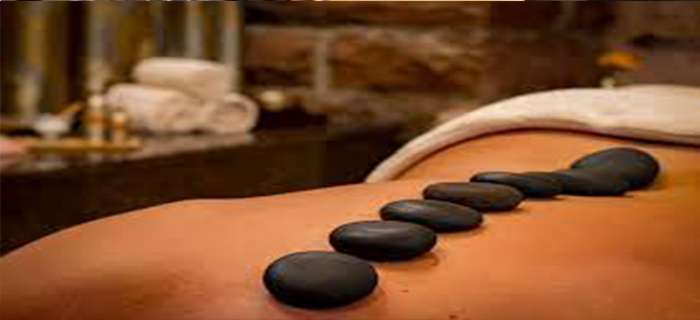
Hot Stone Massage in Kilimani: What to Expect, Benefits, and Safety Tips
Warm stones, slow pressure, and a steady pace can make your whole body exhale. A Hot Stone Massage pairs smooth, heated stones with hands-on massage, so tight areas soften without feeling rushed or intense. It often feels like deep comfort that spreads from your back to your shoulders, legs, and even your breathing.
Most people look for this treatment when stress has piled up, muscles stay tight after long desk hours, or burnout starts to mess with sleep. It can also help if you want relaxation that still feels effective, especially when regular massage feels a bit too light, or deep tissue feels like too much.
In this guide, you’ll learn how hot stone massage works, what benefits you can realistically expect, and who should skip it. You’ll also get a clear picture of what a session in Kilimani typically feels like, from the first stones placed to the aftercare that helps the calm last longer. If you’re comparing options, you can also check hot stone massage rates so you know what to budget before you book.
What happens during a hot stone massage, step by step
If you’re booking your first Hot Stone Massage, it helps to know the flow so nothing surprises you. A typical session follows a calm, repeatable rhythm: a short check-in, warming the body with hands, adding stones in safe steps, then finishing with grounding strokes so you leave feeling steady, not spaced out.
While each therapist has their own style, most sessions move in the same order. Heat comes in gradually, pressure stays adjustable, and you stay covered with proper draping the whole time.
The stones, the heat, and why basalt is often used
Hot stone massage usually starts before you even get on the table. The therapist warms the stones in a professional heater (not a microwave) so the temperature stays controlled. That matters because stone heat should feel like a warm mug in your hands, comforting and steady, never like something you need to pull away from.
Most spas use basalt stones because they hold heat well. Basalt forms from cooled lava, so it’s dense and smooth. In simple terms, it absorbs warmth and releases it slowly, which means the therapist can work longer without constantly reheating stones. The smooth surface also helps the stone glide without scraping your skin.
Some sessions may include marble stones too, especially if the therapist wants a cooling contrast. Marble stays cooler and can feel soothing after heat, for example, on overworked legs or puffy areas. Cooling stones are not in every hot stone session, so you can always ask if they’re part of your treatment.
A safe hot stone setup includes ongoing temperature checks. Your therapist may test a stone by:
- Touching it to their inner wrist or forearm first (skin there is more sensitive).
- Keeping the stone moving at the beginning, instead of letting it sit still.
- Using a towel layer or extra drape if your skin runs sensitive that day.
- Adjusting oil amount, because oil changes how heat spreads on the skin.
“Warm” should feel relaxing and sink in slowly. Burning, stinging, or a sharp hot spot is not normal. Speak up right away, because heat can build fast when a stone stays in one place too long.
The best hot stone sessions feel like a steady heat wave, not a test of your pain tolerance.
How the therapist uses stones and hands together
A common misconception is that the stones do all the work. In a good Hot Stone Massage, the stones support the therapist’s hands, they do not replace them. Think of stones as a warm extension of touch that helps your body soften sooner.
Most sessions follow a simple pattern:
- Hands first to assess tension. The therapist usually starts with light oil and classic massage strokes to warm the skin and “read” where you hold stress.
- Stone placement on key points. Then they place stones on areas that can safely hold heat, often along the back, near the shoulders, or at the hips.
- Gliding strokes with stones. The therapist uses one or two stones like a warm palm, moving in long strokes along muscles.
- Hands return for detail work. Fingers and thumbs handle knots, edges of shoulder blades, neck lines, and any areas where stones are too broad.
Placement points can vary, but these are common:
- Along the spine (not directly on bone): stones may sit on either side of the spine, where the long back muscles run.
- Upper back and shoulders: a frequent spot for desk tension.
- Palms: small stones can rest in your hands, which helps your whole nervous system calm down.
- Between the toes or on the soles: if you like footwork, warm stones can feel amazing here, like a heated blanket for tired feet.
As the heat relaxes the muscle tissue, the therapist often needs less pressure to get a deep effect. That is why hot stone can feel effective even if you do not enjoy intense pressure. The warmth increases comfort, so your body stops “guarding” and allows the work to land.
Still, the therapist should not press a hot stone into you like a hard tool. Stone work is usually slower, smoother, and more controlled. If you prefer more hand massage and less stone, ask for that balance. If you’re comparing styles, it can also help to read about gentle full-body Swedish technique and how it differs in feel.
What you should wear, what you can ask for, and how to speak up
You don’t need special clothing for a hot stone session. Most people undress to their comfort level and lie under a sheet or towel with professional draping throughout the massage. The therapist uncovers only the area being worked on, then re-covers it before moving on.
Underwear is your choice:
- Keep it on if it helps you relax.
- Remove it if you prefer, especially if you want glute work (still draped properly).
- Ask for extra coverage if you feel modest, because comfort helps your muscles release.
Consent should feel clear, not awkward. Before the massage starts, your therapist may ask about injuries, sensitive skin, pregnancy, or areas you do not want touched. Take that moment seriously, because it shapes the whole session.
Here are simple phrases that work (use them word for word if you want):
- Pressure: “Please keep the pressure medium, not deep.”
- Heat level: “The stones feel a little too hot, can you cool them down?”
- Areas to avoid: “Skip my neck today, it’s sensitive.”
- Focus areas: “My shoulders and lower back need more time.”
- Consent check: “Please ask before working near my glutes.”
During the session, keep listening to your body. Some sensations are normal, like a deep warmth spreading or a mild ache releasing. However, discomfort that turns into numbness, tingling, sharp pain, or burning is a stop sign. Say something immediately. A professional therapist will adjust without making it a big deal.
If you want more context on what massage can do beyond relaxation, this guide on the benefits of therapeutic massage is useful, especially if you’re dealing with stress patterns or recurring tightness.
After the session, what you may feel for the next 24 hours
When the session ends, most therapists remove the stones, wipe off excess oil if needed, and finish with slow, grounding strokes. That last part matters because heat can make you feel floaty. After you get up, take your time. Sitting for a minute and drinking water helps your body settle.
For the next day, these are normal effects:
- Feeling sleepy or extra relaxed, like you had a long exhale.
- Being thirsty, since warmth and massage can leave you a bit dehydrated.
- Looser muscles and better range of motion, especially in the back and shoulders.
- Mild tenderness in one or two tight areas (similar to post-stretch soreness).
Simple aftercare keeps the benefits going:
- Drink water over the next few hours.
- Take a warm shower if you feel stiff later, because it keeps tissues soft.
- Do light stretches, especially for the neck, chest, hips, and calves.
- Avoid a heavy workout right away if you’re sore, give it at least a day.
Watch for warning signs too. They are not common, but you should take them seriously:
- A burning sensation that lingers, or skin that looks blistered.
- A rash, hives, or itching that suggests a heat or oil reaction.
- Dizziness that does not pass after rest and water.
If anything feels off, contact the spa and get medical advice if needed. The goal of a Hot Stone Massage is calm, safe relief, not a “no pain, no gain” experience.
Real benefits of hot stone massage, and who it helps most
The best way to think about a Hot Stone Massage is this: it gives your body a safe reason to stop bracing. The warmth spreads slowly, and the steady touch tells your nervous system, “You can unclench now.” That can mean fewer stress headaches, less desk-neck stiffness, and a calmer mind at night, but it is still a wellness treatment, not a medical fix.
Results also depend on your baseline stress, hydration, sleep, and how consistent you are. Some people feel a big shift after one session, while others notice the change after a few visits.
Stress relief and better sleep, why heat can calm the nervous system
When stress stays high, your body acts like it is always on call. Shoulders rise, jaws tighten, and breathing gets shallow. Heat and slow touch work together to interrupt that pattern. The warmth signals safety through the skin, and the unhurried strokes give your brain a steady rhythm to follow.
Breathing often changes first. Many people start with short chest breaths, then move into deeper belly breathing without forcing it. That matters because slower breathing supports the “rest and digest” side of the nervous system. As a result, heart rate can settle, and the mind feels less noisy.
Muscle guarding also drops. Guarding is when your muscles stay slightly contracted to protect you, even when you are not in danger. It is common with desk work, long commutes, and emotional stress. With hot stones, the heat softens the tissue and reduces that reflex to hold on. Instead of your therapist having to chase tension, your body meets them halfway.
A lot of people report better sleep after a session, and it is easy to see why. Heat plus calming touch can lower the feeling of being “wired.” You may also feel pleasantly heavy, like a warm blanket has been laid over your nervous system. Some clients fall asleep on the table, while others simply feel sleepy later that evening.
Here are a few realistic sleep changes people notice after a Hot Stone Massage:
- Falling asleep faster because the body feels less restless.
- Fewer wake-ups since tension is not pulling you out of deeper sleep.
- Less jaw and shoulder tightness in the morning, especially after stressful weeks.
If your main goal is pure relaxation and decompression, a lighter session style can also help. You can compare it with a relaxing massage for stress relief, which many people choose when they want calm without much focus on deeper knots.
If your mind races at night, aim for slow breathing during the massage. You are not “trying to sleep,” you are teaching your body a calmer tempo.
Keep expectations grounded, though. Massage can support better sleep habits, but it will not replace medical care for insomnia, anxiety disorders, or depression. If sleep issues feel severe or persistent, it is smart to talk to a clinician while also using massage as support.
Tight muscles and sore spots, how heat supports deeper release
Heat changes how muscles feel under the hands. Think of cold butter versus butter at room temperature. Warmth makes tissue more pliable, so a therapist can work with less force while still reaching stubborn areas. That is one reason Hot Stone Massage feels both gentle and effective.
A big part of “sore spots” comes down to trigger points. In simple terms, a trigger point is a tight, irritable knot inside a muscle that can feel tender when pressed. Sometimes it stays local, like a sore point at the top of your shoulder. Other times it can refer sensation outward, like a tight neck spot that links to a stress headache.
Heat supports trigger point work in a few ways:
First, it increases local circulation. More blood flow means more oxygen and warmth reaching the area, which can help the muscle stop gripping. Next, it boosts tissue flexibility. When the muscle softens, it responds better to slow pressure and stretching. Finally, warmth tends to reduce the urge to resist. When pressure feels too sharp, your body tightens up, and the knot often fights back.
This is where stones can shine for people who do not enjoy deep tissue. Deep pressure can feel like a battle if your nervous system stays on high alert. Stones offer another path. The therapist can use steady heat and broad, gliding strokes to “melt” the area first, then do smaller detail work with hands once the muscle is less guarded.
Common examples where people like the stone approach:
- Desk neck and upper traps: tight from laptop posture and phone use.
- Lower back stiffness: often from prolonged sitting and weak hip mobility.
- Calf and foot fatigue: common if you stand all day or walk a lot in the city.
Still, soreness has a limit. A Hot Stone Massage should not feel like someone is trying to crush a knot out of you. If a spot feels sharp, hot, or electric, speak up. A skilled therapist will adjust the temperature, change the angle, or switch back to hands.
One more thing to keep it real: massage helps many everyday aches linked to tension, posture, and stress. It does not diagnose injuries. If you have numbness, shooting pain, weakness, or pain that keeps getting worse, you need medical assessment first.
Who may benefit most, and who should choose a different treatment
Hot stones are not “for everyone,” and that is a good thing. The best candidate is someone who wants deep relaxation and muscle relief, but in a way that feels safe and soothing.
If you are deciding whether to book, use this quick guide. Good candidates often include people who:
- Hold chronic tension in the shoulders, neck, or lower back.
- Feel mentally overloaded and want stress support without intense pressure.
- Get stress headaches that tend to link to tight neck or jaw muscles.
- Prefer gentle deep work, where heat does part of the heavy lifting.
- Struggle to switch off at night and want help downshifting before sleep.
On the other hand, some situations call for extra caution. Heat and pressure can be risky when sensation is reduced, circulation is compromised, or tissue is healing.
Consider avoiding hot stone work, or get medical clearance first, if any of these apply:
- Pregnancy (especially first trimester): heat and positioning need extra care; ask for a prenatal-focused option instead.
- Diabetes with neuropathy: reduced sensation can make it hard to judge if stones are too hot.
- Blood clot risk (history of clots, clotting disorders, or unexplained swelling): massage can be unsafe in some cases.
- Recent surgery or recent injury: tissues may still be healing, and heat can aggravate swelling.
- Open wounds, burns, or broken skin: heat and oils can irritate and raise infection risk.
- Severe varicose veins: heat and pressure over affected areas may worsen discomfort.
- Heat sensitivity or past heat reactions: you may do better with a non-heated massage.
- Certain skin conditions (active rashes, infections, or severe eczema flares): heat can trigger more irritation.
This is also where a quick chat with the spa helps. Before you book, share the basics: medications, allergies, recent procedures, and any areas you want avoided. A professional therapist can suggest a safer option, adjust temperature, or recommend a different style when hot stones are not a good match.
The safest session is the one tailored to your body on that day. If anything feels off, say it early, and it can be fixed fast.
Finally, keep the role of Hot Stone Massage clear. It can support relaxation, ease everyday muscle tension, and help you feel more comfortable in your body. It does not replace medical care for injuries, nerve symptoms, or complex pain conditions. When in doubt, ask your doctor first, then tell your therapist what you were advised.
Safety first: how to choose a quality hot stone massage (and avoid bad experiences)
A Hot Stone Massage should feel like steady warmth and calm pressure, not like you’re bracing for the next shock of heat. The difference comes down to basics: trained hands, clean tools, controlled heating, and a therapist who listens fast when you speak up.
Think of it like eating out. You don’t need to be a chef to spot a clean kitchen, clear pricing, and staff who take allergies seriously. The same simple screening helps you choose a safe session in Kilimani, even if it’s your first time booking.
If you’re considering a longer treatment, ask how they handle safety during extended time, since heat builds up with minutes. An extended hot stone therapy session can feel amazing when it’s managed well, but it should never mean “more heat, more risk.”
Questions to ask before you book
A good spa won’t act offended by questions. Clear answers are a green flag because they show the team has standards, not guesses. Use these as plain, quick prompts when you call or WhatsApp.
- Are your therapists certified or formally trained in massage therapy?
Ask what training they have, and if hot stone work is included. - How do you heat the stones (professional stone heater, or something else)?
A professional heater helps keep temperatures stable. - How do you check stone temperature before it touches my skin?
You want to hear about testing on the inner wrist or a thermometer, plus gradual placement. - How are the stones cleaned and disinfected between clients?
Listen for a step-by-step answer (wash, disinfect, rinse, dry, clean storage). - Do you use a barrier (towel layer) when placing stones, especially for sensitive skin?
A towel layer is common for placement stones, and it helps prevent hot spots. - How long is the session (and how much of it is actual massage time)?
Some places include consultation and changing time in the clock. - What’s included in the price?
Confirm things like oil, hot stones throughout vs partial use, shower access, and any add-ons. - Do you have transparent rates listed before I arrive?
If the pricing changes on arrival, trust gets shaky fast. - What is your late-arrival policy?
Ask if they shorten your session, charge a fee, or reschedule. - Can you accommodate injuries or sensitive areas (for example, a sore lower back or a stiff neck)?
A skilled therapist adjusts pressure, positioning, and stone placement. - Can I request lighter heat or fewer stones if I run warm?
Your comfort should guide the plan, not a fixed routine. - What should I avoid before the appointment (sunburn, shaving, heavy meals, alcohol)?
Good spas give simple prep advice, because it reduces bad reactions.
A quick tip: pay attention to the tone of their answers. If they sound rushed, vague, or defensive, that usually shows up in the session too.
You are not being “difficult” by asking safety questions. You are setting the standard for your body.
Red flags that the heat may be unsafe
Unsafe heat often looks normal at first, until it doesn’t. The goal is to catch warning signs early, before a small issue turns into a painful burn or a stressful experience.
Watch for these red flags during setup and the first few minutes:
- Stones taken straight from boiling water, then placed on you. Heat should come from a controlled heater, not a pot.
- No temperature check at all before contact. If they never test a stone, they’re guessing.
- The therapist leaves stones in one spot too long, especially on the lower back, calves, or abdomen. Heat can build quietly.
- You feel burning, stinging, or a sharp hot point, and they tell you to “wait and get used to it.” Burning is not part of the process.
- No proper draping or careless exposure. Besides comfort, draping shows professionalism and control.
- Dirty tools or messy storage, like oily stones placed back into a container with dust, hair, or used towels nearby.
- They rush the flow, swapping stones fast, moving too abruptly, or skipping check-ins. Good stone work is slow for a reason.
- Refusing to adjust when you ask for lower heat, less pressure, or a different area focus.
- Placing stones on risky areas without discussion, such as directly on the spine, on broken skin, or over visible varicose veins.
- Strong pressure with a hot stone like a “tool”, pressing down hard instead of gliding. That combo raises burn risk.
If any of these happen, say it once, clearly: “That feels too hot, please remove it now.” If they hesitate, you can end the session. Your skin does not get “braver” with more heat.
Also check your skin after. Mild redness can happen and should fade quickly. However, blisters, lasting pain, or a burn mark is a medical issue, not a normal outcome.
Hot stone massage vs deep tissue, Swedish, and aromatherapy, how to decide
If you’re choosing between styles, focus on three things: pain level, stress level, and how you handle heat. Each option can be great, but they aim at different results.
Here is the simplest way to think about it:
- Hot Stone Massage: Warmth plus massage, usually medium pressure and slower pace. Best when you want muscles to soften without intense force. Great for stress, stiffness, and people who feel “guarded” on the table.
- Deep tissue: More targeted, more intense pressure, and slower work on specific tight bands. Best when you have stubborn knots and you can handle discomfort that stays within your tolerance.
- Swedish: Lighter to medium pressure, flowing strokes, and a steady rhythm. Best for first-timers, general relaxation, and days when you just need your nervous system to settle.
- Aromatherapy massage: Pressure can be light to medium, but the main goal is mood and stress support using essential oils (plus touch). Best when anxiety, poor sleep, or mental fatigue is the main problem, and scents help you relax.
To make the choice easier, use this quick comparison table:
| Style | Pressure | Pace | Main goal | Best for |
|---|---|---|---|---|
| Hot Stone Massage | Light to medium (sometimes medium-deep) | Slow | Relaxation plus muscle release with heat | Stress, stiffness, people who hate intense pressure |
| Deep tissue | Medium to deep | Slow and focused | Break up stubborn tension patterns | Chronic tight spots, athletes, recurring knots |
| Swedish | Light to medium | Flowing and steady | Full-body relaxation | First-time clients, light soreness, general stress |
| Aromatherapy | Light to medium | Usually steady | Calm mind and body using oils | High stress, sleep support, scent lovers |
So what should you book in Kilimani?
- Choose hot stone if your muscles feel tight, but deep pressure makes you tense up. Heat helps your body stop resisting.
- Choose deep tissue if the issue is specific and persistent, like one shoulder that always locks up. Go lighter if you bruise easily.
- Choose Swedish if you want a safe, relaxing baseline. It also works well if you run hot and dislike extra heat.
- Choose aromatherapy if stress is the core problem and you respond well to scent. If you get headaches from fragrance, ask for unscented oil.
One last rule that keeps you safe: you can blend styles, but you should not blend pain and heat without a plan. If you want deeper work during a Hot Stone Massage, ask the therapist to use hands for depth, and keep stones for warming and gliding. That balance feels good, and it lowers burn risk.
Hot Stone Massage in Kilimani by Aroma Massage & Spa: what to expect when you book
Booking a Hot Stone Massage in Kilimani should feel simple and reassuring, not confusing or pushy. When the process is clear, you walk in already relaxed because you know what will happen, what to say, and how to get the kind of session you actually want.
Aroma Massage & Spa is set up for people who want real downtime without making a day out of logistics. That matters in Kilimani, where most clients book between work, errands, and traffic. A little planning on your side also helps the therapist tailor the heat, pressure, and pace so the session feels safe and worth it.
How to book, what to share before your session, and how to prepare
Start by booking at a time when you will not need to rush right after. Hot stone work can leave you calm and a bit sleepy, so planning a buffer makes a big difference. If you have a choice, pick a quieter window when you can go home, shower, eat, and rest without jumping back into stress.
When you book, give enough info for the therapist to work safely. You do not need a long story, just the essentials. Think of it like giving a mechanic the right symptoms so they do not guess.
Here is what to share before your Hot Stone Massage, either on the phone, WhatsApp, or at check-in:
- Injuries and pain spots: Mention sprains, strains, slipped discs, sciatica-like symptoms, sore knees, or a stiff neck. Also share any area that should be avoided.
- Heat sensitivity: If you get heat rashes, migraines from warmth, or you simply run hot, say so early. The therapist can use fewer stones, lower heat, or focus on hands.
- Pregnancy or possible pregnancy: Hot stones and positioning need extra care. Ask what options are safest for you that day.
- Pressure preference: Be clear about what you can handle. “Light”, “medium”, or “firm but not painful” gives the therapist a workable target.
- Medical basics that change safety: Tell them about reduced sensation, circulation issues, blood clot history, or recent surgery (even if you feel “mostly fine”).
- Allergies and scent preferences: Share allergies to oils, nuts, or strong fragrance. Also mention asthma or headaches triggered by scent.
Once your therapist knows these details, they can plan stone placement and pace. For example, if you have lower back sensitivity, they can avoid leaving stones there and use gliding strokes instead.
Preparation is simple, but it matters because heat plus massage can amplify whatever is already going on in your body. Use these tips to walk in comfortable:
- Arrive early if you can so you are not flustered. Even 10 minutes helps your breathing settle.
- Skip a heavy meal right before your appointment. A full stomach and belly-down positioning do not mix well.
- Hydrate before and after, but do not chug water at the last minute.
- Shower if possible, especially if you have been out in Nairobi heat or wearing sunscreen. Clean skin helps oils glide better.
- Remove jewelry (necklaces, bracelets, watches). Metal can warm up and also gets in the therapist’s way.
- Wear easy clothes so changing feels quick and low-stress after the session.
If you only do one thing, communicate heat and pressure early. A good Hot Stone Massage feels steady and safe, not like you are testing your limits.
If you are unsure whether hot stones are right for you on a given day, you can still book and ask the therapist to adjust the plan. Many people end up doing a mixed approach, some stones for warmth, then more hands-on work where they need it most.
For a wider look at what the spa offers beyond stones, see the list of spa and massage services.
Picking the right session length and add ons for your goal
Session length changes everything, especially with hot stone work. Heat works best when it has time to soak in slowly, like warming up cold hands around a cup of tea. If the session is too short, you may feel relaxed, but tight areas might not fully let go.
Most people choose between 60 and 90 minutes. Here is a quick way to decide based on your goal:
| Your goal | Best fit | Why it works |
|---|---|---|
| You want a first try or a quick reset | 60 minutes | Enough time for full-body flow, with a focused area or two. |
| You hold tension in several areas (neck, back, hips) | 90 minutes | More time for slow warming plus detail work on knots. |
| You feel burnt out and want to fully switch off | 90 minutes | The extra time helps your nervous system settle, not just your muscles. |
| You want targeted relief for one main issue | 60 minutes (sometimes 90) | Works if you tell them your focus early, like shoulders or lower back. |
A 60-minute Hot Stone Massage often covers the whole body, but it moves faster. Meanwhile, 90 minutes gives the therapist room to do heat, hands, and careful re-checking of stubborn muscles. If you sit a lot, or you carry stress in your shoulders, longer time usually feels more satisfying.
Add ons can also shape the results, as long as you match them to a clear goal. Keep it simple: pick one add on that supports what you want, not five extras that distract from the main treatment.
Common add ons that pair well with hot stone sessions include:
- Aromatherapy: Great when stress, sleep, or anxiety is the main issue. If fragrance gives you headaches, ask for a mild option or unscented oil.
- Herbal options: Helpful when you like warm, earthy scents and a more traditional feel. Herbs can feel comforting, but you still need to mention allergies.
- Swedish-style flow: Ideal if you want a calm rhythm with fewer “stop and work” moments. It suits people who want relaxation first, then gentle muscle release.
- Singing bowl therapy: A good fit when your mind stays busy. Sound can help you settle when you struggle to switch off, even in a quiet room.
If your goal is a “full-body reset”, consider pairing hot stones with a calming add on (aromatherapy or singing bowls). On the other hand, if your goal is muscle knots, keep the extras minimal and let the therapist spend time on problem areas.
A simple way to request what you want is to say: “I want relaxation, but please spend extra time on my shoulders and upper back.” That tells the therapist how to divide the session without guessing.
Etiquette, comfort, and privacy, how to get the most value from your visit
The best sessions feel unhurried, and etiquette helps keep that calm. Small things, like silencing your phone, protect your time and the therapist’s focus. You do not need a “spa personality” to fit in. You just need to show up clean, communicate clearly, and respect the space.
Start with your phone. Put it on silent (not vibrate). Vibrations pull your attention back to the outside world, which is the opposite of why you booked.
Privacy is a common worry for first-timers, so here is what to expect in a professional setting. You will be properly draped with a sheet or towel, and the therapist only uncovers the area they are working on. If you want extra coverage, ask. Comfort is not a luxury, it is what lets your muscles release.
During the massage, speak up in the moment. Waiting until the end can turn a fixable issue into a session that feels “okay” instead of great. Use simple feedback that a therapist can act on fast:
- Heat: “That stone feels too hot, please remove it.”
- Pressure: “A little lighter there”, or “You can go firmer on my back.”
- Pace: “Slower strokes help me relax.”
- Focus: “Please spend more time on my neck and shoulders.”
Afterwards, you might want to shower, especially if you do not like the feel of oil on your skin. Some people prefer to keep the oil on for a bit because it continues to feel soothing. Either choice is fine. If you do shower, use warm water, not very hot water, because your skin may still feel heat-sensitive.
Tipping often feels awkward to ask about, so keep it simple. In Nairobi, tips are usually optional, not forced. If you loved the session and want to show appreciation, tip what feels comfortable for you. If you cannot tip, a clear thank you and a direct review also go a long way.
Finally, protect the value of your visit by giving yourself a soft landing after you leave. Drink water, eat something light, and avoid rushing into stressful calls. Your body just did the work of letting go. Give it time to keep that calm.
Conclusion
Hot Stone Massage works best when you want your body to relax deeply without heavy, painful pressure. The heat helps tight muscles soften faster, so the therapist can use slower strokes and still get real relief. Its a strong choice for desk tension, stress overload, and people who feel guarded during regular massage.
Safety should stay front and center. Stones must come from a proper heater, not boiling water, and your therapist should test temperature every time. Also, speak up fast if you feel burning, stinging, numbness, or sharp pain, those arent “normal.” If you have heat sensitivity, reduced sensation, pregnancy, healing skin, or clot risk, choose a different option or get medical advice first.
Quality comes down to simple signs: clear intake questions, clean tools, steady draping, and a therapist who adjusts heat and pressure without debate. A good session feels calm and controlled from start to finish.
If you want deep relaxation with gentle pressure, go ahead and book hot stone massage in Kilimani. If heat isnt your thing, pick a massage style that matches your comfort and still helps you unwind.