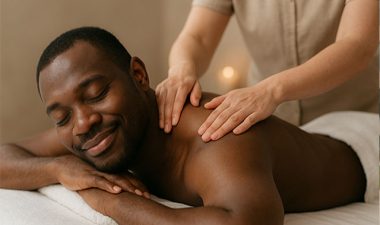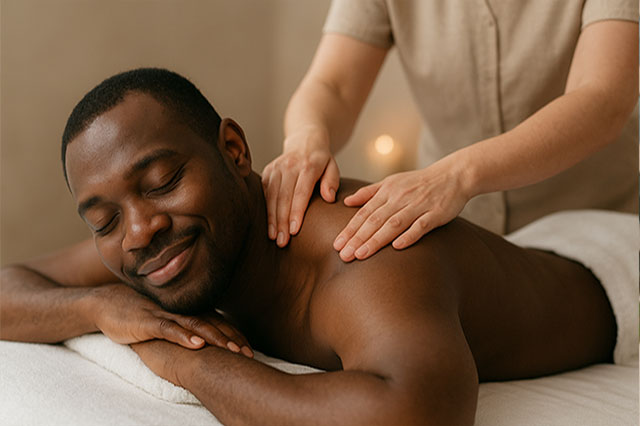
Westlands doesn’t slow down for anyone. Between long workdays, traffic, and back-to-back plans, it’s easy to carry stress in your shoulders and tension in your lower back. That’s why Massage in Westlands is one of the most searched wellness options for people who need real relief, fast.
Some people book a session because of work stress, others come in after the gym with sore legs and tight hips. Back and neck pain is a big one too, especially if you sit at a desk most of the day. Add travel fatigue, poor sleep, and constant screen time, and a good massage stops feeling like a luxury, it starts feeling like basic maintenance.
This guide breaks down the main massage types you’ll see around Westlands, what each one is best for, and how to match the style to your body and your goals. You’ll also learn how to choose a safe, professional place (clean rooms, clear boundaries, trained therapists, and transparent communication), so you don’t waste money or leave feeling worse than you arrived.
Besides that, you’ll get practical expectations on timing and cost, including what usually changes the price (session length, add-ons like aromatherapy, and therapist experience). If you want a quick reference point, see massage rates and pricing. Finally, you’ll pick up simple tips to get more from your session, what to say during the consult, how much pressure to ask for, and what to do after your massage so the benefits last longer.
Massage in Westlands, the options you will see and who each one suits
When you search for Massage in Westlands, you’ll notice one thing fast, there’s no single “best” massage. The right choice depends on your goal: do you want your mind to slow down, your shoulders to loosen, or your legs to recover after training?
A helpful way to choose is to think in two buckets. Relaxation styles calm your nervous system and use lighter pressure. Corrective styles (like deep tissue or sports work) focus on tight spots and often feel more intense. In both cases, communication matters because your body is the one setting the limits, not the menu.
Relaxation massages for stress, sleep, and a calm mind
If your main problem is stress, light sleep, or that wired feeling after a long day, relaxation massage is usually the safest starting point. These sessions feel like a reset button. You’ll often hear soft music, notice slower pacing, and feel long strokes that encourage your body to “exhale” tension.
Swedish massage is the classic. Expect long, flowing strokes, gentle kneading, and light to medium pressure. It’s ideal if you sit at a desk all day, feel heavy in your shoulders, or you’re new to massage. Most people leave feeling looser, warmer, and calmer, like someone turned down the volume in their head.
Aromatherapy massage adds essential oils to the same relaxation approach. The scent becomes part of the experience, so it can feel more soothing than a standard massage. For example, some people find calming scents helpful when they struggle to switch off at night. If you want the vibe without strong pressure, this is a good pick. If you’re curious about oil-based options, you can also read about a hot oil massage.
Gentle relaxation massage is often the best match when you want comfort, not “work.” The therapist keeps pressure on the lighter side and avoids digging into deep knots. Think of it like ironing out a wrinkled shirt, not scrubbing a stain.
Relaxation massage can support stress relief and better sleep because it helps your body shift into a calmer state. You might notice slower breathing, fewer stress headaches, and less jaw clenching. Still, don’t expect one session to fix months of burnout. It’s more like charging your phone regularly, not waiting until it hits 0 percent.
People who should avoid strong pressure (or at least start gentle) include:
- Anyone who bruises easily or feels sore for days after bodywork
- People who are anxious about pain (tension can increase if you brace)
- Those with sensitive skin, inflammation, or a flare-up day
Before the session starts, give your therapist a quick, clear brief. Here’s what to mention so the massage fits you:
- Areas to focus on: neck and shoulders, lower back, hips, calves, or scalp
- Pressure level: light, light-to-medium, or medium (and whether you want it consistent)
- Oil preferences and allergies: sensitivity to scents, nut oils, or any skin reactions
- Anything to avoid: sore spots, recent dental work (jaw sensitivity), or bruised areas
A relaxation massage should feel safe and comforting. If you’re holding your breath, the pressure is too much.
Deep tissue and trigger point work for tight shoulders and lower back pain
Deep tissue massage is for the days when stress has turned into tight bands, knots, or that stubborn ache that keeps coming back. In simple terms, it uses slower strokes and firmer pressure to work through deeper layers of muscle and connective tissue. Trigger point work is even more specific, it targets “hot spots” that can refer pain to other areas (like a knot in your upper back that sends discomfort into your neck or head).
This is a common request in Westlands for two big reasons. First, screen time. Long hours on laptops and phones often lead to neck tightness, rounded shoulders, and tension at the base of the skull. Second, driving and traffic. Sitting for long stretches can irritate the lower back and hips, especially if your posture collapses as you get tired.
During deep tissue, you’ll likely feel the therapist move more slowly, pause on tight areas, and use knuckles, forearms, or elbows in a controlled way. It can feel intense, but it should still feel purposeful, not punishing.
It helps to know the difference between “good pain” and “too much”:
- Good pain feels like a strong, satisfying pressure on a tight spot. You can breathe through it, and your body slowly softens.
- Too much feels sharp, stabbing, burning, or makes you tense up. If you’re clenching your jaw or lifting your shoulders, it’s time to speak up.
Some soreness after deep tissue is normal, especially if you haven’t had bodywork in a while. Think of it like returning to the gym after a break. Your tissues have been “worked,” and your body needs time to settle. Mild tenderness for 24 to 48 hours can happen, although severe pain is a red flag.
A few ways to reduce post-massage soreness:
- Drink water and eat a normal meal afterward
- Keep the rest of the day easy if possible
- Use a warm shower to relax the area
- Choose medium pressure on your first visit, then increase next time if needed
Deep work also has safety limits. Be extra cautious and check with a clinician when unsure if you have:
- Pregnancy (some techniques and positions should be adjusted)
- Recent injuries (sprains, tears, surgery, fractures)
- Blood thinners or bleeding disorders (higher bruising risk)
- Chronic conditions such as uncontrolled high blood pressure, nerve issues, or clot history
If something feels medically complicated, don’t guess. Ask your doctor, then tell your therapist what they said. You can still get bodywork in many cases, it just needs the right approach.
Deep tissue works best when you stay relaxed. The moment you start bracing, the session loses value.
Sports massage for gym recovery, runners, and active lifestyles
Sports massage is for people who train, move a lot, or feel “tight but functional.” It differs from relaxation massage because it’s usually more focused, sometimes faster, and often includes stretching and mobility work. The therapist spends less time on full-body soothing strokes and more time on the muscles you actually use in your sport or workout.
If you lift weights in Westlands, run, play football, or do classes several times a week, sports massage can help you feel less stuck. It’s especially useful when your calves feel like rocks, your hips feel locked, or your upper back stays tight from strength training.
When should you book it?
- After hard training: to ease stiffness and help you recover more comfortably
- Before an event: to wake up the muscles and improve movement (keep it lighter, not aggressive)
- During a heavy training block: as maintenance, so small tight spots don’t turn into injuries
What results should you expect? Most people notice better range of motion, less tightness, and smoother movement in the following days. Some people also feel more aware of posture and form, which helps reduce repeat strain.
A smart sports session also comes with good aftercare. Keep it simple:
- Hydrate normally (don’t force water, just don’t forget it)
- Do light movement afterward, like a short walk or gentle stretching
- Avoid going max effort right after a heavy sports massage, give your body a window to settle
If you’re chasing performance, treat sports massage like training support, not a miracle fix. Consistency beats one intense session.
Reflexology and head, neck, and scalp massage for quick relief
Not everyone has time for a full body session. Sometimes you just want quick relief, especially if your head feels heavy after meetings or your neck tightens after hours on a screen. That’s where reflexology and head focused massages fit well into a busy Westlands week.
Reflexology focuses on pressure points, mainly on the feet (and sometimes hands). The idea is that specific points link to different areas in the body. Whether you see it as a full map of the body or simply targeted foot work, many people find it deeply calming. It can feel surprisingly powerful because the feet hold a lot of tension, especially if you stand, walk, or drive a lot.
Head, neck, and scalp massage is one of the most practical options for office fatigue. It often targets the base of the skull, temples, jaw area, neck, and upper shoulders. The session can be done with oil or without, depending on your preference and your schedule.
Common outcomes people report include:
- Less tension headache pressure
- Reduced eye strain feelings after screens
- A calmer mood and easier focus
It’s important to keep expectations realistic. These treatments can support comfort, but they are not a cure for medical problems. If you have frequent headaches, numbness, dizziness, or vision changes, get medical advice.
Ideal session lengths depend on what you want:
- 30 minutes: quick reset, great for scalp, neck, or reflexology focused on the feet
- 45 minutes: enough time to combine neck and scalp work with shoulders
- 60 minutes: best if you want reflexology plus extra time on calves, shoulders, or hands
If you’re unsure which option fits your body, start with a shorter session and adjust next time. Your first visit is basically data collection, you learn what your muscles respond to, and what pressure feels right.
How to choose a safe, professional massage place in Westlands
When you search for Massage in Westlands, you’ll see dozens of options. Some are great, some are careless, and a few are simply not safe. The good news is that you can screen most places in minutes if you know what to look for.
Think of it like choosing a salon for your hair, but with higher stakes. A massage involves skin contact, privacy, and trust. Start with what you can check online, confirm key details on a call or WhatsApp, then watch how the place handles you at reception. When all three feel right, you can relax before the session even starts.
Cleanliness, privacy, and professionalism, the basics that should never be missing
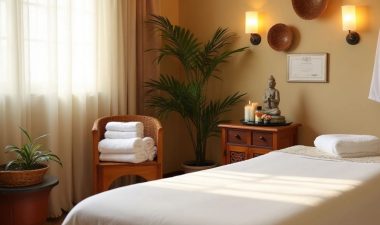
A clean spa is not “nice to have.” It’s the minimum. Hygiene protects your skin, reduces infection risk, and makes the whole experience feel calm instead of stressful. Privacy matters too, because you can’t release tension if you feel watched or rushed.
Use these practical checks when you arrive (and don’t feel guilty about it):
- Clean linens and fresh towels: Sheets should look and smell freshly washed. Towels should feel dry and clean, not damp or reused.
- Hand washing before the session: A professional therapist washes hands or uses sanitizer right before touching you. If you don’t see it, it’s okay to ask.
- The room smell should be clean, not covered up: Light scent is fine, but strong air freshener can hide stale linen, sweat, or mold. Your nose is a good judge.
- Proper draping every time: You should stay covered with a towel or sheet, and only the area being worked on should be exposed. This is standard in professional bodywork.
- Private rooms and sensible privacy controls: A closed door, a clear “knock before entering” rule, and a quiet space reduce anxiety. Some places also use locks or clear room-use signs.
- Respectful conduct from start to finish: The therapist should explain the plan, speak professionally, and avoid personal comments. They should also leave the room while you change.
What should happen at reception also tells you a lot. Staff should greet you normally, confirm your booking, and explain where to wait or change. The space should look cared for, not chaotic. If the front desk feels disorganized, the treatment often matches that mood.
Boundaries and consent matter as much as technique. Before the massage starts, you should feel free to say what you want (and what you don’t want). You can ask the therapist to avoid certain areas, adjust draping, or change pressure. Most importantly, you can stop the massage at any time, for any reason. A professional will respect that without debate.
If a place can’t get hygiene, draping, and basic respect right, don’t expect good care in the harder moments.
Questions to ask before you book so there are no surprises
A short call or WhatsApp chat can save you money and discomfort. It also shows how a spa communicates. Clear answers usually mean a clear process. Vague replies often lead to awkward “add-ons” or pressure once you arrive.
Here’s a simple set of questions to ask before you confirm:
- Do you have a therapist gender preference option? If you prefer a male or female therapist, say it early. A professional place will tell you what’s available.
- What massage type do you recommend for my goal? Mention one clear goal (stress, back tightness, gym soreness). The reply should sound specific, not generic.
- How long is the session (and is it hands-on time)? Some places count changing time inside the session. Ask what you actually get.
- What is the total price today? Confirm the full cost, including tax or any service fee, so you don’t get a surprise at checkout.
- What’s included in the price? Ask about basics like oils and towels, plus any extras you care about (for example, shower access or aromatherapy).
- Where exactly are you located, and what about parking? In Westlands, parking can make or break the experience. Ask if they have on-site parking, nearby options, or security guidance.
- Which payment methods do you accept? Confirm M-Pesa, card, or cash before you arrive.
- What is your cancellation or reschedule policy? Life happens. Knowing the rules upfront avoids conflict.
Also pay attention to the tone. You want a place that answers calmly, not one that rushes you or avoids details.
For first-timers, a few small habits help the session feel smoother:
- Arrive 10 to 15 minutes early so you can breathe, use the restroom, and share your needs without rushing.
- Avoid a heavy meal right before; a full stomach makes it harder to relax when you lie face down.
- Put your phone on silent and decide in advance if you want to be quiet. That way you don’t feel pulled back into work.
If you’re choosing an oil-based session, it’s also fair to ask what products they use, especially if you have sensitive skin. Some spas offer add-ons like essential oils, and if that’s your preference, you can compare it with a professional aromatherapy massage description here: stress relief with aromatherapy.
Red flags to watch for and how to protect yourself
Most “bad experiences” give signals early. The goal isn’t to panic. It’s to notice patterns and choose better. A professional spa won’t mind basic questions, and they won’t try to corner you with pressure.
Watch for these warning signs:
- Unclear pricing: If they can’t state the full price before you arrive, assume it may change later.
- Pressure to add services: Upselling should feel optional, not like a requirement to get “real relief.”
- No intake questions at all: A therapist should ask about injuries, pain spots, and pressure preference. Skipping this is careless.
- Dirty rooms or questionable linens: Stains, damp towels, or a musty smell are not small issues.
- No draping or poor draping: This is a hard stop. Draping is both professional and protective.
- Rude, teasing, or overly personal talk: You’re not there to manage someone else’s mood. Respect is part of the service.
- Unrealistic health claims: Massage can help you relax and ease tension. It does not “cure” chronic disease overnight.
Protecting yourself can be simple and calm:
- Choose places with consistent reviews, not just one or two glowing posts. Look for repeated mentions of cleanliness, professionalism, and therapist skill.
- Check for clear contact details (a working phone number, WhatsApp, and a real location). If the location keeps changing or feels hidden, move on.
- Trust your first impression when you walk in. If you feel tense for the wrong reasons, you don’t have to stay.
At reception, you should feel guided, not pushed. A good place will confirm your booking, explain timing, and let you ask questions. If the vibe is chaotic, you can politely leave before paying.
The safest choice is often the simplest one: clear pricing, clear rules, and calm, respectful staff.
Picking the right therapist, pressure style, communication, and comfort
Even in excellent spas, therapists vary. One might have a firm, athletic style. Another may be slower and more relaxing. Neither is “better,” as long as it matches your body and your goal.
Pressure is the biggest factor. Many people stay quiet because they don’t want to offend the therapist. That silence can turn a good session into a painful one. Treat pressure like adjusting your car seat. You’re not judging the car, you’re making it fit you.
Use simple phrases during the session, said in a normal voice:
- “Please use less pressure.”
- “You can go a bit deeper on my shoulders.”
- “Can you focus on my upper back for a few minutes?”
- “That spot feels sharp, please avoid it.”
- “Can we keep the pressure medium the whole time?”
Comfort also includes modesty and atmosphere. You can ask for:
- More draping if you want to feel more covered.
- Different music or lower volume if sound distracts you.
- Less oil if you dislike a slippery feel, or more oil if friction irritates your skin.
Ticklish areas are common, especially around the ribs, inner arms, feet, and sides of the waist. Say it early so the therapist can adjust. A professional can use slower pressure, different hand positions, or simply spend less time there.
Finally, notice how the therapist responds to feedback. A good sign is quick adjustment with no attitude. That’s what you want when booking Massage in Westlands, someone who listens, adapts, and keeps you feeling safe throughout the session.
Prices, timing, and planning your massage in Westlands so it fits your life
A good massage should fit your schedule, not fight it. In Westlands, timing matters because traffic can turn a simple appointment into a rushed experience. Price also matters, but not in the “cheapest wins” way. What you want is a session that matches your body, your goal, and your week.
Plan it like you would a workout or a haircut. Pick the right length, book at a realistic time, then protect the hour around it. When you do that, Massage in Westlands becomes something you can keep up, not a one-off treat you never repeat.
How long should a session be, 30 vs 60 vs 90 minutes
Session length is not just about how much time you have. It’s about how much your body can absorb in one go. A short session can feel amazing when it’s focused, while a long session can feel pointless if the therapist spreads it too thin.
Here’s a simple way to choose:
| Session length | Best for | What it feels like | Who it suits most |
|---|---|---|---|
| 30 minutes | One problem area (neck, shoulders, lower back, calves) | Fast relief, focused work | Busy schedules, first-timers, office tension |
| 60 minutes | Full-body reset (back, legs, arms, neck) | Balanced, enough time to settle | Most people, most goals |
| 90 minutes | Deep work plus relaxation (multiple tight areas) | Slower pace, thorough release | Chronic tightness, high stress, active lifestyles |
30 minutes (focused relief): This is perfect when you know what’s bothering you. For example, neck and shoulders after a laptop-heavy week, or calves after a run. Ask the therapist to spend most of the time on the one or two areas that matter. Otherwise, 30 minutes disappears fast.
60 minutes (the default for a reason): If you want a real full-body session, 60 minutes usually gives the best balance. There’s time to work the back and legs properly, and still finish with neck and shoulders. It’s also long enough for your nervous system to calm down, which is why many people sleep better after a solid hour.
90 minutes (when your body needs more runway): Choose 90 if you want deeper work without feeling rushed. It’s ideal when you carry tension in several places at once (upper back, hips, and hamstrings, for example). You can also do targeted deep tissue for 45 to 60 minutes, then switch to slower strokes to fully relax.
One practical detail people forget is that the “session time” is often just hands-on time. Even when it is not, your visit still includes changing, a short consult, and payment. Budget an extra 15 to 30 minutes so you’re not watching the clock.
Westlands planning tip: if you’re coming straight from work, avoid booking too tight to your last meeting. Give yourself a buffer for lifts, parking, and getting into a relaxed headspace.
If you arrive stressed and late, your body stays guarded. Time buffers are part of the treatment.
What usually affects the cost and how to spot good value
Prices for Massage in Westlands can vary a lot, even for the same length. That’s normal, but it helps to know what you’re paying for. Some cost differences come from quality. Others come from branding.
A few common factors that change the price:
Therapist experience and consistency: A skilled therapist reads your body quickly. They adjust pressure, speed, and technique without you needing to coach them every minute. That usually costs more, and it’s often worth it if you have pain or stubborn tightness.
Specialty techniques: Deep tissue, sports work, or focused head and cranial work can require more training. If you’re booking something specific, expect the price to reflect that. For example, some people add a head-focused session for stress and jaw tension. If that’s you, a specialty option like a cranial release technique session can be a better match than a generic “relaxation massage.”
Quality of oils and products: Cheap oils can feel sticky, smell harsh, or irritate sensitive skin. Better products glide well and feel comfortable on the skin. If you react easily, ask what oil they use before you book.
Room setup and hygiene standards: Private rooms, clean linens, proper draping, and good ventilation cost money to maintain. A calm, clean space is part of the service, not a bonus.
Location and convenience costs: Westlands rent and staffing can push prices up. In exchange, you may get easier access, longer hours, and better security. Still, convenience alone doesn’t guarantee skill.
Add-ons and “extras”: Aromatherapy, hot towels, scrubs, cupping, or longer consults may increase the total. Make sure you understand what’s included so the final amount does not surprise you.
Here’s the honest truth: the cheapest option isn’t always good value, because you might leave sore, unheard, or rushed. On the other hand, the most expensive option isn’t always the best, because high prices can also come from decor and marketing.
When you want quick clarity, use this simple value checklist:
- Clear pricing upfront (no vague “starting from” talk at checkout)
- A therapist who listens (asks about injuries, pressure, and goals)
- Clean space and proper draping (you feel safe, covered, and respected)
- Skilled hands (pressure feels controlled, not random or aggressive)
If you’re a first-timer, pay extra attention to communication. A good therapist makes it easy to speak up. If you’re a regular client, focus more on results and consistency across visits.
Westlands planning tip: ask about parking before you arrive. Even great spas can become stressful if you circle the block, then sprint in late. If you drive, confirm security and the most practical place to park. If you use a ride, set the pin early and leave a small buffer for building access.
How often to get a massage for stress, pain, or fitness goals
Frequency is where people either waste money or get real results. A single massage can help you feel better today. Repeated sessions help your body change patterns over time, especially if you sit a lot, train hard, or carry stress in the same spots.
Use these simple guidelines as a starting point:
Once a month (general wellness): This works well if you want maintenance. It’s like servicing a car before the warning light comes on. Monthly sessions help keep stress from building up, especially if you work at a desk or travel often.
Every 2 to 3 weeks (ongoing tightness): If your shoulders keep creeping up, or your lower back always feels “stuck,” this schedule usually gives better momentum. You’re not starting over each time, so the therapist can build on progress.
Weekly for short periods (high stress or heavy training): Weekly can make sense during intense weeks, like a heavy gym block, marathon prep, or a stressful season at work. Keep it time-limited, then reassess. Many people do 3 to 6 weekly sessions, then drop to every 2 to 3 weeks.
The best schedule also depends on what type of work you’re getting. A gentle relaxation session can be done more often. Very intense deep tissue every week can feel like too much for some bodies.
To get more from your sessions, pair massage with small daily habits. No hero routines needed. Just the basics:
- Stretch lightly for 5 to 10 minutes on most days, especially hips and chest
- Adjust posture (screen height, chair support, frequent standing breaks)
- Hydrate normally so your body recovers well
Regular clients tip: keep a note in your phone with what worked last time (pressure, focus areas, any sensitivity). Then share it at the start. That simple habit makes each booking more effective.
If you want a calming option to rotate into your routine, some people book a gentle mind and body reset between deeper sessions. Treatments like Access Bars relaxation therapy can suit weeks when you feel mentally overloaded and don’t want heavy pressure.
Before and after care that makes your massage work better
The massage itself is only part of the result. What you do before and after changes how your body responds, especially with deep tissue or sports work.
A simple pre-session routine helps a lot:
Drink some water (don’t flood yourself): Hydrate normally in the hours before. Arriving dehydrated can make you feel drained afterward.
Arrive early: Give yourself 10 to 15 minutes to settle, use the restroom, and share your needs. In Westlands, add extra time for traffic and parking, especially after work and on weekends.
Share health info clearly: Mention recent injuries, back pain patterns, headaches, pregnancy, surgeries, allergies, and any areas you don’t want touched. Also say how you handle pressure. If you bruise easily, say so.
During the session, one habit makes everything better:
Breathe slowly when it feels intense: If you hold your breath, your muscles guard. A slow exhale signals safety, so the therapist can work without forcing pressure.
After the session, keep the next few hours easy if you can:
- Drink water and eat a normal meal
- Do light stretching or a short walk
- Take a warm shower if you feel tight later in the day
- Avoid max-effort workouts right after deep work, if possible
Some after-effects are normal. Feeling sleepy, a little “floaty,” or mildly sore for 24 to 48 hours can happen, especially after deep tissue. Think of it like post-gym tenderness.
Still, a few signs should not be ignored. Seek medical help if you feel sharp pain, dizziness that doesn’t pass, numbness, or symptoms that get worse over time.
The goal is relief, not recovery from the massage itself. If you feel harmed, something was off.
First-time tip: if you’re nervous, start with 60 minutes and medium pressure. You can always go deeper next time. Regular client tip: book at quieter times when you can, because a calm schedule helps you relax. Mid-morning and early afternoon slots often feel less rushed than evening peak hours.
Conclusion
Massage in Westlands works best when you match the session to your goal. Choose Swedish or a relaxing style for stress and sleep, go for deep tissue or trigger point work for stubborn tightness, and pick sports massage when training leaves you stiff. Just as important, select a spa that feels clean, private, and professional, then ask clear questions about pricing, hands-on time, and what’s included so there are no surprises.
Safety and comfort aren’t extras, they’re the standard. Pay attention to draping, hygiene, and how the therapist responds to feedback, because boundaries and good communication shape the whole experience. If you want to understand the bigger picture of results and recovery, these benefits of massage therapy can help you set realistic expectations.
Next, keep it simple: decide your goal (relaxation, pain relief, recovery), set your budget and time (30, 60, or 90 minutes), shortlist a few reputable options, and book a slot you won’t rush. Thanks for reading, what would make your next massage feel like a real reset: lighter calming work, or focused deep pressure where you need it most?