Searching for Massage Near Me usually means you don’t want to wait, you want to feel better today, and you don’t want any weird surprises. Maybe it’s stress that’s been building up, back pain from sitting all day, sore legs after travel, or you’re planning a calm date night and want to show up relaxed.
This guide keeps it practical, so you can choose the right massage style for your body, pick a therapist or spa that feels safe and professional, and know what to ask when booking. You’ll also get a clear idea of what a fair price looks like, plus a few simple tips to help the results last longer. For quick reference on costs, you can check massage rates and pricing before you commit.
What “massage near me” should mean in real life (not just the closest place)
When you type Massage Near Me, “near” should mean more than distance. It should mean you can get there easily, feel safe the moment you walk in, and leave feeling real change in your body. Convenience matters, but so do cleanliness, skilled hands, the right pressure, and clear pricing.
If you only have two minutes to choose, use this quick filter before you book:
- Is the price clear upfront (no surprises on arrival)?
- Do reviews mention hygiene and professionalism in the last 30 to 90 days?
- Do they ask about your needs (pain, pressure, injuries) before confirming?
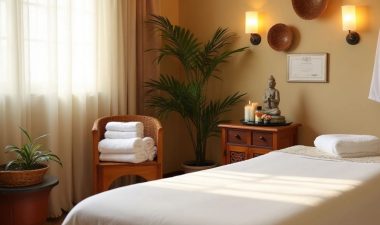
- Do the photos show a real treatment room (clean linens, towels, calm lighting)?
- Is the address easy to confirm, with a clear building entrance and parking info?
A good local massage is like a good barber. It’s not just close, it’s consistent, clean, and listens to what you want.
Start with your goal: pain relief, stress reset, better sleep, or a special treat
The fastest way to find the right session is to name the outcome you want. Otherwise, you end up picking a style at random and hoping for the best. Your goal also helps you choose session length and pressure, because a quick stress reset feels very different from working out deep knots.
Here are a few real-life “I need a massage today” scenarios, and what typically fits:
- Desk neck pain (screen hunch, stiff shoulders): Ask for focused neck, shoulders, upper back, plus gentle chest opening. Medium pressure often works better than “as hard as possible.”
- Gym soreness (legs, glutes, lower back): Choose firmer work with slow strokes, and ask them to avoid sharp pain. A 60 to 90-minute session helps if multiple areas are tight.
- Burnout and mental overload: A relaxing full-body session with lighter pressure can calm your nervous system fast. Many people pair this with aromatherapy-style oils for a more soothing feel.
- Headache tension (jaw, temples, neck): Ask if they can include scalp, jaw (over the towel), and neck work. Keep pressure light around the head.
- Travel fatigue (puffy feet, tight hips, back ache): A mix of back, hips, and foot work is ideal, especially if you have been sitting long hours.
- Couples date: Go for a side-by-side session where you can each choose your pressure. It’s a shared experience, but your bodies can need different things.
Before you book, take 30 seconds and run this mini checklist in your head:
- Where it hurts: neck, shoulders, lower back, hips, feet, or “all over.”
- Pressure level: light, medium, firm, or deep, plus any “don’t touch” areas.
- Injuries or conditions: recent strains, slipped disc history, sensitive joints, or anything under treatment.
- Time you have: 30 minutes (quick fix), 60 minutes (solid reset), 90 minutes (full-body plus problem areas).
If you want a simple overview of why different styles feel so different, skim the main benefits of massage therapy and match the benefit to your goal.
How to spot a good local spa or therapist from reviews, photos, and first contact
A “near me” search can pull up everything from excellent clinics to places that feel off. The easiest way to avoid disappointment is to use the same method every time: recent reviews, photo proof, then a short first message to test professionalism.
Start with reviews, but don’t just look at the star rating. Do this instead:
- Read the newest reviews first (last 10 to 20). Recent feedback tells you how they operate today.
- Look for repeated phrases like clean towels, on time, professional, asked about pressure, listened, and comfortable room.
- Notice whether complaints get responses. A calm, polite reply often signals good management.
Next, scan photos like you’re checking a hotel room before booking. You’re looking for cues that say, “This is a real, hygienic treatment space”:
- A proper massage table (not a random bed setup).
- Fresh linens that look bright and well-fitted.
- Towels and draping visible, not missing.
- Soft lighting is fine, but it should not be so dark you can’t see basic cleanliness.
- A room that looks organized, not cluttered with personal items.
Now test first contact. A good spa or therapist won’t pressure you. They’ll answer clearly and ask a few questions. Watch for these red flags:
- No clear address or they keep changing the location details.
- Vague pricing (for example, “come we talk” instead of a clear rate).
- Pushy upsells before they understand your need.
- Unclear boundaries or comments that make you uncomfortable.
Here’s a short phone or WhatsApp script you can copy and send:
- “Hi, are you available today for a 60-minute massage?”
- “What’s the total price, and what does it include?”
- “I have tension in my neck and shoulders. Can I request medium pressure?”
- “Do you have male or female therapist options?”
- “Where exactly is your entrance, and is parking available?”
- “What time should I arrive, and do you provide towels and disposable sheets?”
If you want a benchmark for what professional service info looks like, compare what you see in listings with a detailed page like massage in Nairobi services, it’s easier to spot what’s missing.
Safety and comfort basics: hygiene, privacy, consent, and boundaries
A professional massage should feel calm, predictable, and respectful. You should never feel rushed into anything, and you should never feel like you can’t speak up. The best sessions have structure, because structure protects both you and the therapist.
Here’s what a professional session usually looks like:
- Intake questions first: They ask what hurts, your pressure preference, and any injuries. Some will ask about stress, sleep, and posture too.
- Clear privacy: You get time to undress to your comfort level. You lie under a sheet or towel before the therapist returns.
- Proper draping: Only the area being worked on is exposed. Everything else stays covered.
- Consent in real time: They check in before changing pressure, and they ask before moving to sensitive areas like glutes, inner thigh area (usually avoided), chest (usually avoided), or abdomen (only with clear permission).
- You can stop anytime: You can ask to change pressure, skip an area, or end the session. No debate.
Your comfort is part of the service. If something feels off, you don’t need a reason to pause or leave.
You also help the therapist by sharing key health info. Keep it simple, just mention it when booking or at intake:
- Pregnancy
- Recent surgery or major injury
- History of blood clots
- High fever or flu-like symptoms
- Skin infections, rashes, or open wounds
- Uncontrolled high blood pressure or serious heart issues (if applicable)
For first-timers, a few small choices make the whole experience better:
- Arrive 10 minutes early so you’re not stressed.
- Avoid a heavy meal right before your session.
- Speak up early about pressure. Don’t wait until you’re gritting your teeth.
- If deep pressure leaves you sore for days, next time ask for medium-firm and longer strokes.
If you’re choosing heat-based treatments, make sure they explain safety and contraindications clearly. You can also read about hot stone massage benefits so you know what should happen in the room.
Quick map search tips that actually work when you need a massage today
When you need a massage today, the map results can feel like a wall of options. A smarter search takes two minutes, and it saves you from wasting the afternoon on calls that go nowhere.
Use this quick process:
- Search Massage Near Me, then filter for Open now, rating, and distance.
- Tap into each listing and sort reviews by newest. If the last few reviews are old, move on.
- Check the “busy” graph (when available). After-work hours and weekends fill up fast, so midday or mid-week often gets you quicker slots.
- Confirm parking and entrance before you leave. In Nairobi, the right building entrance matters as much as the address.
- Save 2 to 3 options, then message all of them. Book whoever replies clearly and professionally first.
If you’re in Nairobi, popular requests right now lean toward Swedish, deep tissue, hot stone, aromatherapy-style oil massage, reflexology, and couples massages. That doesn’t mean you need the trendiest option, but it helps to ask for what you actually want. For example, Swedish can be the best choice when you feel wired and tired, while deep tissue suits stubborn knots and gym tightness.
One last tip: don’t judge a place only by fancy photos. A clean, well-run spa with clear communication will beat a “pretty” listing that can’t answer basic questions. If you want an example of how a full service menu is presented, see Aroma SPA massage in Nairobi and use that same clarity standard when comparing nearby options.
Choose the right massage type for your body (simple guide)
When you search Massage Near Me, the hardest part is often not finding a place, it’s choosing the style that matches your body today. Think of massage types like shoes: the “best” pair depends on where you’re going. Some sessions calm your nervous system. Others work on stubborn muscle knots. A few focus on feet and lower legs when time is tight.
Use this simple rule before you book: pick the style that matches your main goal, then choose a time length that gives the therapist room to do it properly. If you’re unsure, start with Swedish at 60 to 90 minutes. You can always go deeper next time.
Swedish massage: the best all-around option for relaxing and resetting
Swedish massage is the classic, full-body reset. It usually feels like smooth, flowing strokes with light to medium pressure, sometimes with gentle kneading. The rhythm is steady, like waves, and it helps your body shift out of “fight or flight” mode.
Most people choose Swedish because it covers the basics well:
- Relaxation: It helps you feel calmer, especially if stress sits in your shoulders and jaw.
- Better circulation: The long strokes encourage blood flow, so you leave feeling warmer and looser.
- Stress relief: It can quiet a busy mind, which is often half the problem.
Swedish is also the easiest style to customize. You can ask for more work on the neck and shoulders, or a lighter touch if you’re sensitive. If you’re a first-timer, this is often the safest bet because it builds trust and helps you learn what pressure you enjoy.
Swedish is ideal if you:
- Are new to massage and want something predictable.
- Have mild tension from desk work or long commutes.
- Feel tired, wired, or not sleeping well.
- Want a full-body session that doesn’t leave you sore.
Time matters here. A short Swedish session can feel nice, but it may not be enough to change tight muscles.
Best timing guidance
- 60 minutes minimum for a real full-body reset.
- 90 minutes if you want full-body plus extra focus (like upper back and hips).
If your goal is pure unwind, a Swedish-style option often sits under “relaxation” on many spa menus, for example relaxing massage services.
If you don’t know what to book, Swedish is the “plain white tee” of massage. It fits most bodies and most days.
Deep tissue and sports massage: for stubborn knots and muscle pain
Deep tissue and sports massage are popular because they can change how your body feels fast, especially when you have knots, tight bands, or ongoing muscle aches. Still, there’s a common mistake: people think “deep” means “as painful as possible.” It doesn’t.
Deep should feel like strong, slow pressure that stays controlled. You might feel intensity, but you can still breathe and relax. Too painful feels sharp, makes you tense up, or forces you to hold your breath. When that happens, your muscles guard, and the work becomes less effective.
A good therapist will check in, but you should also speak up early. Pressure is not a test of toughness. It’s a setting.
Here’s a simple way to communicate pressure without guessing:
- Ask for firm but comfortable pressure.
- Use a “scale” and be specific, for example: “This is a 7 out of 10, please keep it here.”
- If the pain turns sharp, say: “That’s too much, please ease up and go slower.”
- If it’s not enough, say: “You can add a bit more pressure, especially on the shoulder blade area.”
Deep tissue tends to focus on common problem zones:
- Lower back tightness from sitting or driving.
- Shoulders and neck from screen posture and stress.
- Hips and glutes if you walk a lot or train legs.
- Calves and hamstrings for runners and gym-goers.
Sports massage overlaps with deep tissue, but it often includes more targeted work and sometimes stretching and mobility. It’s great if you train regularly, play sports on weekends, or feel stiff after workouts. If you show up sore from the gym, tell the therapist what you trained. “Leg day yesterday” changes how they should approach your quads and glutes.
Plan for the after-feel. Deep and sports sessions can leave you a bit tender the next day, especially if it’s your first time or you’ve been tight for months. That mild soreness is normal. It should feel like post-workout heaviness, not injury pain.
To handle next-day soreness:
- Drink water after your session and through the evening.
- Do a gentle stretch later, not aggressive stretching.
- Use heat (warm shower or heat pack) on the area that feels tight.
One more tip: deep tissue works best when the session isn’t rushed. A therapist needs time to warm tissue first, then go deeper slowly. If you only book 30 minutes, deep work can feel abrupt.
Hot stone massage: when you want deep relaxation without extra pressure
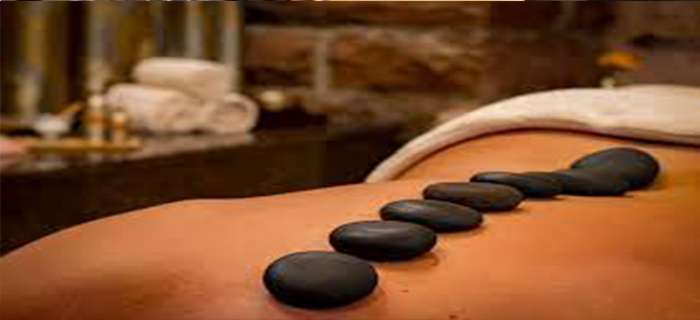
Hot stone massage is for the days you want your muscles to let go, but you don’t want heavy pressure. The therapist uses smooth, warm stones (usually basalt stones that hold heat well) and may place them on key areas like the back, palms, or between the shoulder blades. They also use the stones as tools during massage strokes.
Heat helps because it encourages muscles to soften. Tight tissue can feel like a clenched fist. Warmth helps that fist open, so the therapist can work deeper with less force. As a result, many people feel loose and calm without the “deep tissue soreness” effect.
Hot stone is a good fit if you:
- Carry stress in your upper back and shoulders.
- Struggle with poor sleep or feel mentally overloaded.
- Tense up in cold weather or air-conditioned offices.
- Want a soothing experience that feels slow and nurturing.
It’s also popular for couples sessions because the vibe is naturally calm. The heat, slow rhythm, and quiet room can feel more intimate and relaxing, even if you and your partner choose different pressure levels.
A quick safety note matters with heat. Hot stone should feel comfortably warm, never burning. Speak up immediately if it feels too hot. Also, avoid heat-based massage if you have certain skin issues (like inflamed rashes or open wounds) or if you can’t sense heat well due to numbness or nerve problems. In those cases, ask for a non-heat option.
Aromatherapy, Balinese-style, and herbal options: scent, oils, and slow unwinding
Some massages work your muscles. Others work your mood first, then your muscles follow. Aromatherapy-style sessions, Balinese-style rhythms, and herbal oil options usually focus on slow, grounding strokes and a more sensory experience through oils and scent.
Aromatherapy adds essential oils to the massage oil or diffuser. The goal is simple: support relaxation, ease stress, and help you feel more “settled” in your body. Scents can also change how you breathe. When your breathing slows, your shoulders often drop without effort.
Balinese-style massages (as commonly described in spa menus) often feel slower and more flowing, with a mix of gentle pressure, kneading, and long strokes. You might notice more time spent on the back, arms, and legs, with a calming tempo that makes it easier to switch off mentally.
Herbal options may use oils infused with herbs, or compress-style warmth, depending on the spa. They can feel especially comforting if you like warmth and richer oils. Keep expectations realistic though. These are supportive wellness treatments, not cures for medical conditions.
If you don’t know what scent to pick, choose based on how you want to feel afterward:
- Calming: soft, floral or earthy notes (good for stress and sleep support).
- Uplifting: brighter citrus or minty profiles (good when you feel drained).
- Headache support: cooling, fresh scents can feel soothing alongside gentle neck and scalp work.
Skin comfort matters with oils. Essential oils are concentrated, and some people react even if they love the smell. Before the session, mention:
- Any allergies (nuts, herbs, strong fragrances).
- Sensitive skin or eczema-prone areas.
- Whether you prefer light scent or no scent at all.
When done well, these styles are like turning the volume down on your day. You still get bodywork, but the main win is often a calmer baseline.
Reflexology and foot massage: quick relief when you do not have time for full-body
Reflexology sounds complex, but the idea is simple: the therapist works specific points on your feet (and sometimes hands) that are believed to connect with different parts of the body. Whether you buy the mapping or not, the practical benefit is clear. Your feet have many nerve endings, and focused pressure can feel deeply relaxing.
A good reflexology or foot massage often leaves people feeling:
- Calmer, like the whole body exhaled.
- Lighter legs, especially after standing all day.
- Less “puffy” or heavy around the ankles and calves.
It’s a great option if you:
- Stand or walk for work (retail, teaching, hospitality).
- Wear heels often and feel tight in calves and arches.
- Just traveled and want your lower body to recover.
- Don’t have time for a full-body session but need relief now.
For most people, 30 to 45 minutes is the sweet spot. It’s long enough to work the feet, calves, and sometimes a bit of shin tension. If your spa offers it, pairing foot work with a short neck and shoulder add-on can be a smart combo. Your feet feel better, and your “screen shoulders” get attention too.
If you’re booking last-minute from a Massage Near Me search, reflexology can also be easier to fit into a tight schedule. You still leave feeling cared for, without committing to a full 60 to 90 minutes.
Booking a massage near you: what to ask, what it should cost, and how to avoid disappointment
A quick Massage Near Me search can get you a slot fast, but it can also set you up for a session that feels rushed, overpriced, or just not what you expected. Most disappointment comes from small gaps in communication, not from the massage itself.
The fix is simple: ask a few direct questions, choose a realistic session length, and compare value (not just price). Think of it like ordering food for delivery. If you do not confirm the portion size, sides, and total cost, you will feel played, even if the food tastes fine.
The 6 questions to ask before you book (so there are no surprises)
Before you confirm, get clear answers in writing (WhatsApp text is perfect). You want price, timing, boundaries, and comfort sorted out early, so you can relax later.
Here are six questions that cover the real issues people complain about:
- What’s the exact total price, and what does it include?
Ask if the amount includes tax, oils, towels, aromatherapy, hot stone add-ons, and any “registration” fee. If something costs extra, you want to know now, not while you are already on the table. - How long is the session, and how is time counted?
Confirm whether “60 minutes” means hands-on time, or if it includes changing, consultation, and shower time. A professional place will tell you clearly. - Which massage type am I booking (and what pressure options are available)?
“Deep tissue” and “relaxation” feel very different. Also ask if you can request light, medium, or firm pressure, and whether they can focus on one problem area. - Can I request a male or female therapist (if that matters to you)?
This is normal to ask. You do not need to explain yourself. If they sound weird about it, treat that as useful information. - What’s the privacy setup in the room?
Confirm you will have a private room (or a proper couples room if you are booking for two). If it is a shared space, ask how they separate clients and manage noise. - What should I wear, how does draping work, are showers available, and how do I pay?
You want one clear answer that covers:
- What you keep on (most people undress to comfort level)
- How they drape (sheet or towel, only the area being worked on is uncovered)
- Shower availability (before or after, and whether you need to bring anything)
- Payment methods (M-Pesa, cash, card), and whether they require a deposit
Also ask two quick “grown-up” questions that save headaches later:
- What’s your cancellation or late policy? If Nairobi traffic hits, you want to know if you lose a deposit or get a shorter session.
- Do you accept walk-ins, or is it appointment-only today? This helps if you are planning around errands.
If a place cannot answer basic questions clearly, do not expect a clear, calm session.
Copy and paste call or WhatsApp template (short and direct)
Use this as a ready message, then adjust the details:
- “Hi, I’m looking to book a massage today. Do you have availability for a 60-minute session at (time)?”
- “What’s the total price for 60 minutes, and what does it include (oils, towels, shower, any add-ons)?”
- “I want (Swedish / deep tissue / relaxation). I need focus on (neck and shoulders / lower back / legs). Medium pressure please.”
- “Can I request a (male / female) therapist?”
- “Is it a private room, and how does draping work?”
- “Do you have showers, and what payment methods do you accept (M-Pesa, cash, card)?”
- “What’s your cancellation or late-arrival policy?”
If they reply with vague answers, do not argue. Thank them and move to your next option.
How long should you book, 30 vs 60 vs 90 minutes
Time is not just “more minutes.” It changes what the therapist can do. A good massage needs a warm-up phase, then focused work, then a calmer finish. When you squeeze it too tight, the session can feel like someone speed-cleaning a room.
Here’s what is realistic for most people:
| Session length | What you can realistically get | Best for |
|---|---|---|
| 30 minutes | One main area worked well, with little time for full-body | Neck and shoulders, lower back, legs, or feet |
| 60 minutes | A basic full-body with light focus on one area | Most first-timers, stress relief, general muscle tightness |
| 90 minutes | Full-body plus proper focused work on 1 to 2 problem zones | Stubborn knots, gym soreness, high stress, “I want results” days |
30 minutes (quick fix, not a full reset)
Book 30 when you have one clear problem area. For example, “just upper back and shoulders” after a long laptop day, or “calves and feet” after travel. It can feel amazing, but only if you keep the goal narrow. If you ask for full-body in 30, you get a rushed skim.
60 minutes (the default that usually works)
This is the sweet spot for most Massage Near Me bookings. You can get a simple full-body routine, and the therapist can spend extra time where you actually need it. It also gives you enough time to settle, breathe, and stop thinking about your phone.
90 minutes (full-body plus results-focused work)
Choose 90 if you want both relaxation and real muscle change. It gives space for slow, deeper work without turning the session into a pain contest. It is also the best choice when stress sits everywhere, not just in one spot.
Tips for busy schedules, traffic, and timing
Nairobi timing can make or break the experience. A good massage does not feel good if you arrive angry, late, and sweaty.
A few planning tips that work in real life:
- After-work bookings: aim to arrive 10 to 15 minutes early, because traffic and parking can surprise you. If you know you will be cutting it close, pick a slot that gives you a buffer.
- Lunch-hour massage: choose 30 to 45 minutes and keep it targeted. Then plan 10 minutes to cool down before going back to work.
- Weekend sessions: book earlier in the day if you want a calm environment. Late afternoons often get crowded.
- If you are stuck in traffic: message early and ask what happens to your time. Some places shorten the session instead of moving the appointment.
One more practical detail: avoid a heavy meal right before you go. A light snack is fine. You will relax better.
Price and value: how to compare deals without choosing a risky place
Price shopping is normal. Still, the cheapest option often becomes expensive when the experience is poor, the room feels unhygienic, or the therapist is untrained. With massage, value shows up in the basics: clean linens, skilled hands, clear boundaries, and a calm setup.
What massage should cost in Nairobi (realistic ranges)
Based on publicly listed spa pricing trends in Nairobi, you will often see these ranges for a 60-minute massage:
- KSh 2,000 to KSh 5,000 for many standard sessions in regular spas
- KSh 3,000 to KSh 6,000 commonly seen for deep tissue in many menus
- Hot stone and premium packages often cost more, and upgrades commonly add an extra fee depending on the spa level
Prices also change by neighborhood and brand level. A simple studio in one area will price differently than a hotel spa or a high-end spot in Kilimani or Westlands. That is normal.
One caution: you may sometimes see confusing deals where a shorter time looks oddly expensive because it is bundled (for example, a 30-minute treatment packaged with a scrub). When comparing prices, confirm whether you are looking at a standalone massage or a bundle.
Why very cheap prices can be a red flag
A very low quote is not automatically bad, but it raises fair questions. Massage has real costs: trained staff, clean laundry, oils, rent, and time.
If a deal looks too cheap, ask yourself what might be missing:
- The therapist may be inexperienced, rushed, or overloaded with back-to-back clients.
- Hygiene may be inconsistent (old towels, reused linens, poor ventilation).
- The “deal” may hide add-ons that inflate the final total.
- The location may be unclear, which is a safety concern.
You do not need to panic. Just verify details before you pay.
What “good value” looks like (even if it is not the lowest price)
When two places are close in price, pick the one that feels more professional on contact. Look for:
- Clear location: a confirmable address, building name, and easy directions
- Consistent reviews: patterns that mention cleanliness, pressure control, and respectful staff
- Transparent menu: prices that match session lengths, with add-ons listed
- Cleanliness cues: fresh towels, a proper table, clean floors, no damp smells
- A therapist match: they ask what hurts, your pressure preference, and any injuries
In Nairobi, two trends affect value comparisons:
- Couples massage packages are common, and they often look like a “deal” because you pay for two at once. Confirm whether it includes a private couples room, two therapists, and the full time for both people.
- Hot stone upgrades are also common. Some places price it as a full service, while others add it onto a base massage. Always ask which one it is.
A simple method that works: compare 2 to 3 options, not ten. Message each, then book the one that answers clearly and treats you with respect. The goal is not to win the cheapest price. The goal is to avoid wasting your evening.
A good massage is not a bargain hunt. It is a body service, and your body remembers bad choices.
Tipping norms (keep it simple)
Tipping is not always required, and practices vary by spa. If you want to tip, keep it straightforward:
- Tip when the service was excellent, the therapist listened well, and you feel real care.
- Use a small amount that feels comfortable for you, or ask if they have a preferred method (cash or M-Pesa).
- If a service charge is already included, you can still tip, but you do not have to.
In-spa vs mobile massage: which is better for you today
When you search Massage Near Me, you may find both in-spa appointments and mobile therapists who come to your home or hotel. Neither is “better” in all cases. It depends on what you need today.
In-spa massage (best for calm setup and add-ons)
A spa appointment usually wins on atmosphere and structure. The room is set up for massage, so you are not moving furniture or worrying about lighting.
Pros
- Proper table, linens, music, and temperature control
- Easier access to add-ons (hot stone, scrubs, facials, showers)
- Clear front desk process and set boundaries
Cons
- You need travel time, parking, and buffer for traffic
- After the massage, you still have to go back into the outside world
This option is ideal when you want the full “switch off” feeling, or when your home environment is loud or busy.
Mobile massage (best for convenience, especially at home or in a hotel)
Mobile massage is about comfort and time. You finish the session and you are already where you need to be. That is hard to beat after a long day.
Pros
- No travel, no parking stress, no rush afterward
- Great for hotel stays, parents at home, or very tight schedules
- You can go straight to a shower or sleep
Cons
- Setup quality varies (table, linens, music, oils)
- Your space may not feel calm unless you prepare it
- Safety and professionalism checks matter more
Safety tips for mobile appointments (keep it professional)
Mobile massage can be completely legitimate, but you should be stricter about verification. Use these practical filters:
- Book with a verified provider: look for clear business info, real reviews, and consistent contact details.
- Confirm exact pricing upfront: travel fees, add-ons, and total time. Get it in writing.
- Avoid vague profiles: if photos and service details feel unclear, move on.
- Set boundaries in advance: confirm the service type, draping standards, and that it is a professional massage appointment.
- Prepare a clean space: a clear area, fresh towel access, and a quiet corner helps a lot.
- Let someone know: if you are alone at home, tell a friend you have an appointment scheduled (especially for first-time providers).
To make a mobile session smoother, have a few things ready:
- A clear space about the size of a yoga mat on each side of the table area
- Drinking water nearby
- Cash or M-Pesa ready, so payment is quick at the end
- A plan for noise (TV off, phone on silent)
If you want the least friction today, choose the option that fits your energy. When you feel drained, travel can ruin the win. On the other hand, if your home is chaotic, a spa room can feel like a quiet reset button.
Get better results from your massage (before, during, and after)
A great massage is not only about finding the closest option when you search Massage Near Me. Results depend on small choices you make before you arrive, how you communicate on the table, and what you do in the next day. Think of it like going to the gym, the workout matters, but so does warm-up and recovery.
Use the tips below to relax faster, get the pressure right, and keep that loose, light feeling for longer.
What to do before you arrive so you can relax faster
Your body needs a little runway to switch from “busy day” to “safe to relax.” If you arrive rushed, your muscles often stay guarded for the first part of the session. A few simple habits can fix that.
Arrive 10 minutes early if you can. That time helps you park, breathe, use the bathroom, and handle any quick questions without feeling watched. When you start calm, the therapist can spend more time working your tension instead of waiting for your body to soften.
Food matters too. A heavy meal can make you feel uncomfortable on the table, especially when you lie face down. Aim for a light snack if you are hungry, and avoid a large meal within 1 to 2 hours. Also, go easy on alcohol beforehand. It can leave you dehydrated and more sensitive.
Clothes and accessories can slow everything down. Wear easy clothes you can remove and put back on without stress. Take off jewelry (necklaces, watches, bangles) so nothing digs into your skin, and so the therapist can work around your neck and shoulders properly. If you wear contact lenses and your eyes get dry, consider bringing glasses for afterward.
Most importantly, share what the therapist needs to know upfront. You don’t have to give your life story. A few clear facts help them keep you safe and comfortable:
- Any injuries, recent strains, or areas you are treating.
- Areas to avoid, for example lower back, abdomen, or a sore knee.
- Your pressure preference (light, medium, firm), plus what “too much” feels like for you.
The best sessions start before you enter the room. When you arrive calm and prepared, your body lets go sooner.
Here’s a quick checklist you can screenshot and keep on your phone:
- Arrive 10 minutes early
- Use the bathroom
- Drink a little water (not too much right before)
- Avoid a heavy meal in the last 1 to 2 hours
- Remove jewelry and empty pockets
- Wear easy, comfy clothes
- Silence your phone (or set Do Not Disturb)
- Tell them: injuries, no-go areas, and pressure preference
- Decide your top goal (stress relief, pain relief, sleep, recovery)
How to speak up during the session (and why it matters)
A massage is not a test of toughness. If you stay quiet while something feels wrong, the therapist has to guess, and guessing wastes time. Good therapists want feedback because it helps them do better work.
Start with simple direction early. If the first few minutes feel off, say something right away. Small adjustments in pressure, speed, or focus can turn an okay massage into the one you remember for weeks.
Use clear, direct phrases. These lines work without sounding awkward:
- “Lighter please.“
- “That spot is too sharp.“
- “More focus on my shoulders, less on my arms.“
- “Avoid my lower back today.“
- “That feels good, please stay there a bit longer.“
- “You can go a little deeper, but slowly.“
If you like numbers, use a pressure scale. For example: “Keep it at a 6 out of 10.” That gives the therapist a target. It also stops the common mistake of going too deep, too fast.
Pain is another area where people get confused. Some deep work feels intense, but it should not feel like your body is trying to escape. Sharp pain, numbness, burning, or shooting sensations are not “good pain.” They are signs to change pressure or move to a different approach.
Also, speak up about comfort details. You deserve a setup that helps you relax:
- If the room feels cold: “Can we adjust the temperature or add a blanket?”
- If the face cradle feels uncomfortable: “Can you adjust the headrest? My neck feels strained.”
- If you need a different position: “Can I bend my knees or lie on my side?”
One more tip that improves results fast: focus on breathing. Slow exhales tell your nervous system you’re safe. When your breath smooths out, tight areas often soften without a fight.
A strong massage doesn’t need suffering. The best pressure is the one your body can accept and release into.
Aftercare for the next 24 hours: soreness, sleep, hydration, and stretching
After a massage, your body keeps processing the work. That’s why many people feel sleepy, thirsty, or a little “floaty” afterward. Mild soreness can also happen, especially after deep tissue or sports work. It usually feels like post-workout tenderness and fades within 24 to 48 hours.
Hydration helps a lot. You don’t need to chug liters at once. Just drink water steadily for the rest of the day. If you are prone to headaches, hydration plus a normal meal can help you feel grounded again.
Sleep is the other big win. Many people book a massage, then go straight into errands and loud plans. If you can, keep your next few hours lighter. A calm evening and a good night’s sleep can make the results last longer.
For soreness, choose warmth and gentle movement:
- Take a warm shower later that day.
- Do a light walk to keep circulation moving.
- Try gentle stretching in the areas that were worked (neck, chest, hips, calves). Keep it easy, no forcing.
If you had a deep session, avoid stacking stress on top of it. That means skipping:
- Heavy lifting
- Hard runs
- Intense leg day
- Aggressive stretching sessions
Give your body a day to settle, especially if the therapist worked deep on hips, glutes, or upper back. You’ll often feel better the next day if you let the tissue recover.
Normal reactions you can expect:
- Mild soreness or tenderness
- Feeling very relaxed or sleepy
- Increased thirst
- Needing to use the bathroom more
Signs to seek medical advice (don’t ignore these):
- Severe pain that feels wrong or keeps getting worse
- Dizziness that does not pass after rest and hydration
- Numbness, tingling, or weakness
- New swelling, bruising that seems unusual, or shortness of breath
A quick rule: if it feels like an injury, treat it like an injury. A massage should leave you better, not worried.
How often to book massage if you want lasting change
One strong massage can feel amazing. Still, if you want lasting change, consistency beats one intense session. Muscles are like a shirt that keeps wrinkling because of how you sit, sleep, work, and train. One ironing helps, but the daily habits bring the wrinkles back.
A simple schedule works better than guessing every time you feel pain. Use these starting points, then adjust based on your body and budget.
If your goal is stress relief and better sleep
- Book once a month as a reset.
- If work stress is high, try every 2 to 3 weeks for a short season.
If you have chronic tightness (neck, shoulders, lower back)
- Start with every 2 to 3 weeks for the first 2 to 3 sessions.
- Then shift to monthly maintenance once you feel steady improvement.
If you train hard or play sports
- Book around your training cycle.
- Many athletes do every 1 to 2 weeks during heavy training blocks, then monthly in lighter seasons.
- Time it after tough sessions, so your body can recover well.
If money is tight, don’t force a schedule you can’t keep. A consistent 60-minute massage every month often beats a “once in a while” 90-minute session that leaves you sore and broke. You can also alternate focus areas, for example upper body one month, hips and legs the next.
Finally, track your results in one sentence on your phone after each session:
- “Neck felt 60 percent better, lower back still tight, deep pressure was too much.”
That tiny note makes your next booking smarter, especially when you are choosing from many Massage Near Me options and you want good value, not just a random slot.
Conclusion
A smart Massage Near Me search is really about fit, not just distance. Pick your goal first (pain relief, stress reset, sleep, recovery), then choose the massage type that matches it. Next, check trust signals like recent reviews, clear prices, clean rooms, and respectful communication. Finally, ask a few key booking questions and use basic aftercare (water, light movement, and an easier evening) so the results last.
Save a quick checklist in your notes, message a local spa with your needs and pressure preference, then book a session length that fits your body today (30 for one area, 60 for a full reset, 90 for deeper work). If you want a straightforward place to start, use https://aromaspa.co.ke/contact/ to confirm availability and details before you go. Thanks for reading, what would make your next massage feel like a real win, less pain, better sleep, or just a quieter mind?