That stiff neck after a long day at a desk, sore legs after the gym, or that heavy lower back feeling from a long drive can make you want relief fast. A Massage Gun is one of the easiest at-home tools for quick muscle comfort, especially when you don’t have time for a full session.
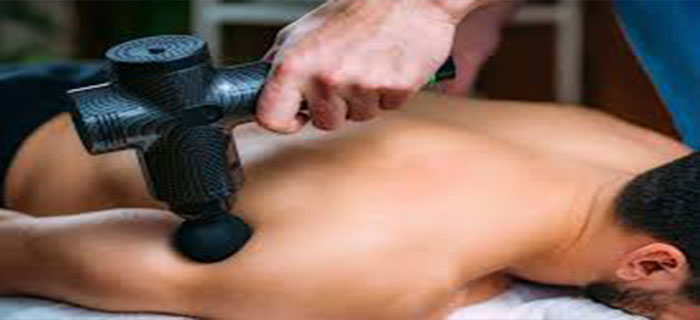
In simple terms, a massage gun is a handheld device that uses rapid, repeated pressure (percussion) to help relax tight muscles and ease post-workout soreness. It’s great for large muscle groups like thighs, glutes, calves, and upper back, when you use it with light pressure and controlled timing. It can also help you feel looser before activity, and less stiff afterward.
Still, it’s not magic, and it’s not medical care. A massage gun isn’t a cure for injuries, and it doesn’t replace a qualified therapist or doctor when pain is sharp, swelling shows up, or numbness starts. It also shouldn’t be used on bones or joints, and you should avoid sensitive areas like the front of the neck, where important nerves and blood vessels sit.
In this guide, you’ll learn how a massage gun works, what benefits are realistic, how to choose the right one (power, attachments, noise, battery life), and how to use it safely at home without overdoing it. In Nairobi, many people get the best results by mixing self-care tools with hands-on massage, for example booking a session at Aroma SPA when they need deeper work, then using a massage gun for day-to-day maintenance.
If you already own one, or you’re about to buy your first, this will help you use it with confidence and avoid the common mistakes that cause more soreness instead of relief.
Massage gun basics, what it does inside your muscles and why it feels so effective
A Massage Gun feels effective because it gives your muscles fast, repeated taps, like firm drumming on a tight spot. That rhythm does more than “beat up” a knot. It can warm the tissue, increase local blood flow, and tell your nervous system it’s safe to let go.
Here are the key terms, in plain language:
- Percussion: Repeated pulses of pressure into the muscle. Think rapid tapping massage.
- Vibration: A smaller, shakier movement that mostly buzzes the surface.
- Frequency (speed): How many taps happen each second (often shown as taps per minute on the box). Higher speed feels more intense, not always “better.”
- Amplitude: How far the head travels in and out (measured in mm). More amplitude usually means deeper reach.
- Stall force: How hard you can press before the motor slows or stops. Higher stall force helps on dense areas like glutes and quads.
Inside the body, those quick pulses stimulate pressure sensors (mechanoreceptors) and can “crowd out” pain signals for a while (similar to why rubbing a bumped shin helps). At the same time, the repeated tapping can increase circulation and create a gentle warming effect, which often makes stiff tissue feel more pliable. Many people also notice short-term range of motion gains, because the area relaxes and moves with less guarding.
One more piece that matters: fascia. Fascia is the thin, tough wrapping around muscles. When you’re stressed, dehydrated, or overtrained, it can feel sticky and tight. Percussive therapy can help the area feel less “stuck,” so you move easier, at least in the short term.
Myth check (because this is where people get hurt): the deepest setting isn’t always best, and more time on one spot isn’t better. If you chase pain, your body often tightens up to protect itself. Better results usually come from the opposite approach: start low, keep pressure moderate, and move slowly across the muscle.
Percussion vs vibration, and why that difference matters for tight knots
Vibration is like a phone buzzing on your skin. It can feel good, and it may help you relax, but it tends to stay closer to the surface. Percussion is different because it delivers repeated pressure pulses into the muscle, which is why it often feels more targeted on “knots.”
That doesn’t mean you should press as hard as possible. In fact, “deeper” usually comes from the tool’s movement, not from you forcing it in. A Massage Gun with decent amplitude can reach deeper tissue with light to moderate pressure, especially if you keep the head flat on the muscle and let it do the work.
A practical way to use it on a tight area (like a calf knot) is to treat it like a slow scan:
- Start at a low speed for 10 to 20 seconds to let the area settle.
- Glide slowly over the muscle, pausing briefly on tender points.
- Add a little speed, not a lot of pressure, if you want more intensity.
Pay attention to what your body is telling you. These sensations are usually normal:
- A dull ache that feels “good painful”
- Warmth spreading through the muscle
- A loosening feeling, like the muscle is finally letting go
These sensations are not normal, and mean you should stop:
- Sharp pain
- Numbness
- Tingling (pins and needles), especially if it travels down the limb
A good rule: you should be able to breathe normally while using it. If you’re holding your breath, it’s too intense.
The features on the box that actually change your results
Specs can look like noise, but a few numbers really do change how a Massage Gun feels and performs.
Amplitude (10 to 16 mm) is a big one. If you want a tool that can reach thicker muscles (glutes, hamstrings, quads), amplitude in the 10 to 16 mm range tends to feel more effective than short, shallow movement. Lower amplitude can still help, but it often feels more like surface buzzing.
Multiple speeds matter more than most people expect. Some days you need gentle work, especially if you’re sore, stressed, or coming back from training. A gun that only has “too soft” and “too aggressive” is harder to use consistently.
Stall force is the hidden quality test. A higher stall force means the head keeps tapping even when you apply moderate pressure. That gives smoother treatment on dense muscles. Still, you don’t need to max it out at home. Think control, not brute force.
Noise level is not just comfort, it affects habit. If it’s loud, you’ll avoid using it. A quieter motor makes it realistic to use at night, in an apartment, or while watching TV.
Battery life sounds boring, but it decides consistency. If you’re always charging it, you’ll skip sessions. Look for enough runtime to get through a full week of short routines without stress.
Attachments also change results, because they change how pressure spreads:
- Ball head: Best for big muscles like glutes, quads, hamstrings, calves. It spreads pressure and feels forgiving.
- Bullet head: Best for small, stubborn trigger points, like a tight spot near the shoulder blade. Use less time and less force.
- Fork head: Best for working around the spine or along the Achilles area, because it avoids direct contact with bone.
- Flat head: Best all-purpose option for general muscle work, especially if you want a steady, even feel.
If you’re unsure, start with the ball or flat head. They’re easier to control and less likely to irritate a sensitive spot.
What a massage gun can help with, and when it will not be the right tool
Used well, a Massage Gun is a solid tool for day-to-day muscle comfort and workout recovery. The biggest wins are usually short-term, meaning you feel better now, move easier now, and recover smoother over the next day or two.
Realistic ways it can help include:
- Post-workout soreness relief (DOMS): Many people feel less tender 24 to 72 hours after training when they use brief sessions.
- Loosening tight calves and feet-related tension: Great if you sit a lot, wear stiff shoes, or do running and gym work.
- Easing lower back tightness (muscle area only): It can relax the muscles next to the spine, but don’t use it on the spine itself.
- Warm-up before exercise: A short pass over quads, glutes, or shoulders can make movement feel smoother.
- Short-term pain reduction: The tapping can calm pain signals, similar to rubbing a sore spot, but stronger.
On the other hand, it has clear limits. A Massage Gun will not fix:
- A torn muscle or serious strain
- Nerve issues (shooting pain, burning, numbness down the arm or leg)
- Joint pain from arthritis (the problem is the joint, not the muscle)
- Ongoing unexplained pain that keeps returning without a clear cause
Treat it like a tool for muscle tone and comfort, not a diagnosis or a cure. If pain lasts weeks, keeps waking you up, or gets worse, don’t keep hammering it.
See a clinician if you notice weakness, visible swelling, fever, or shooting pain down a limb. Those signs often point to something a massage device can’t solve safely.
If your main issue is stress tension and whole-body stiffness, pairing home tools with hands-on work can help. Even a relaxing session focused on circulation and calming touch can support recovery, similar to the broader benefits of massage therapy many people use for regular maintenance.
How to choose the right massage gun for your body, budget, and daily routine
The right Massage Gun is the one you will use often, with comfort, and without dreading the noise or the weight. Power matters, but consistency matters more. Before you compare specs, get clear on your goal, then match the tool to your body and your daily life.
A helpful mindset is this: don’t shop for “maximum.” Shop for “repeatable.” If it fits your routine, it becomes a habit, and habits drive results.
A quick self-check, what are you trying to solve with a massage gun
If your main issue is desk-worker neck and upper back tightness, prioritize easy reach and gentle control. A lighter device with a comfortable handle and a softer head (like a ball or flat) makes it easier to relax the traps and upper back without tensing your wrist. In this case, “more power” often backfires because you end up bracing your shoulders.
For runner calves and feet, look for enough amplitude and a stable motor so it doesn’t bog down when you press lightly into dense calf tissue. A bullet head can feel great on the sole and along the calf edges, but comfort still wins. If you only have one good setting, choose the one you can tolerate every day after runs.
If you train hard and get gym soreness in quads and glutes, focus on stall force and battery life. Big muscles respond well to moderate pressure and a steady rhythm, but cheap motors can stall when you lean in. You also don’t want a device that dies mid-week, because soreness doesn’t wait for a full charge.
For frequent travelers, the best match is usually a quiet mini with a travel lock and USB-C charging (if available). You give up some depth, but you gain consistency. A smaller gun that fits in a carry-on and doesn’t attract attention in a hotel room gets used, while a bulky “power monster” stays at home.
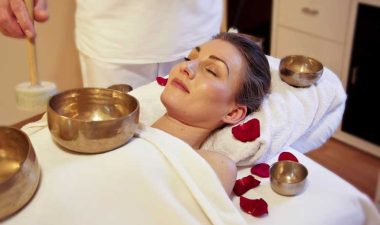
If your goal is gentle relaxation, choose a gun that feels soothing at low speed, not aggressive at high speed. A quieter motor, softer head, and lower weight are the features that make it feel like a calming tool instead of a power tool. If you want deeper, hands-on work now and then, pairing self-care with a professional session can be a smart balance, for example booking a treatment like a therapeutic singing bowl massage when stress sits deep, then using your Massage Gun for quick maintenance.
No matter your scenario, start with comfort and control. You can always increase intensity later, but you can’t undo an irritated muscle that you overworked.
Power, speed, amplitude, and stall force explained without the jargon
Most boxes try to impress you with huge speed numbers, but speed alone doesn’t equal better results. Think of a Massage Gun like a toothbrush. A fast brush can still irritate your gums if it’s too aggressive, while a steady, comfortable setting gets used twice a day.
Here’s how to read the specs in plain terms:
Amplitude (how far it moves) often matters more than extreme speed. Higher amplitude usually feels more effective on thick muscles because each “tap” travels farther into the tissue. In contrast, a shallow amplitude can feel like surface buzzing, which is fine for relaxation but less satisfying on glutes and quads.
Speed (how fast it taps) changes the feel, not just the intensity. Too-high speeds can feel sharp or irritating, especially on bony areas, tight traps, or sore muscles. That is why beginners often do better starting slower, then increasing only if it still feels comfortable.
Stall force (how much pressure it can handle) tells you whether the motor keeps its rhythm when you press. This matters most for big muscle groups (quads, hamstrings, glutes, calves). If the device stalls easily, you will either press harder (bad habit) or stop using it (also bad).
For most people at home, these starting points work well:
- Speed: start low, then move up one level only if the muscle relaxes instead of guarding.
- Amplitude: aim for moderate (often around 10 to 16 mm on many models) if you want one tool for both recovery and daily tightness.
- Stall force: enough to handle moderate pressure on legs and glutes, without needing to lean your body weight into it.
Noise deserves its own mention, because it decides whether the Massage Gun becomes part of your evening routine or a forgotten gadget. Look for brands that publish decibel (dB) levels, and pay attention to reviews that mention “conversation-level” sound. A quieter device gets used more often, especially in apartments, shared homes, or late at night.
If a gun feels harsh at low speed, it won’t become your daily tool. Comfort beats bragging rights.
Attachments and ergonomics, choosing comfort so you actually use it
Ergonomics is the hidden deal-breaker. A Massage Gun can have great specs, yet feel awkward on your body. Handle shape, weight balance, and reach decide whether you can use it on your upper back and shoulders without straining.
Start by thinking about the angles you actually need. Reaching your calves is easy with almost any handle. Reaching your mid-back is not. If the grip forces your wrist to bend, you will tire out quickly and you will avoid the areas you bought it for.
A few practical checks that matter more than they sound:
- Handle shape: A slightly thicker handle can reduce grip strain, while a very slim handle can cramp larger hands.
- Weight distribution: Top-heavy guns feel strong for 20 seconds, then your forearm burns. Balanced weight feels “boring,” which is a good thing.
- Reach: If you want to target upper back and rear shoulder, choose a design that lets you keep your elbow closer to your body.
For smaller hands, lighter is usually better, even if you sacrifice a bit of raw power. You can always do shorter passes with a mini, but you can’t fake comfort if the device feels like a kettlebell. If you have wrist pain, prioritize a grip that lets you keep a neutral wrist, and avoid long sessions with a heavy, straight-handle model that makes you clamp down.
Attachments also get oversold. You don’t need a suitcase of heads to get results. A simple starter kit covers nearly everything:
- Flat head: your all-purpose option for broad areas and steady pressure.
- Ball head: forgiving on big muscles like glutes, quads, hamstrings, and calves.
- Bullet head: useful for small trigger points, but keep time short and pressure light.
Extra heads are optional because they often duplicate the same feel. If you’re tempted by a “12-head bundle,” ask yourself if you will use more than three. Most people don’t.
Cleaning and storage matter, especially in warm climates where sweat and dust build up fast. Wipe the heads and the handle after use, let everything dry before putting it in a case, and don’t share heads without cleaning. It’s a small habit, but it keeps the device hygienic and makes it feel nicer to use every day.
Are smart features, heat, cold, and app routines worth paying for in 2026
In 2026, the trend is clear: massage guns are getting quieter, more compact, and more “guided.” You’ll also see more heat and cold heads, plus combo devices that stack percussion with vibration, and sometimes even EMS or LED. These extras can be helpful, but they should sit on top of solid basics, not replace them.
Smart features and app routines can be worth it if you’re new and tend to overdo it. A guided timer and simple body maps can keep you from camping on one sore spot for five minutes. They also make it easier to build a routine, which is where most results come from.
Heat is mostly about relaxation and comfort. It can feel great on tight shoulders, hips, and calves, especially before bed. Still, check that the heat level feels gentle, and that the head is easy to wipe clean. If it runs too hot, you won’t use it, and it can irritate sensitive skin.
Cold can feel good after activity for some people, especially if a muscle feels hot or overworked. It’s not magic, and it’s not required, but it can be a nice option if you already respond well to icing. Pay attention to how cold it gets, and avoid long holds in one spot.
Combo devices sound impressive, yet the same rule applies: if the motor is weak, the battery is poor, or the warranty is unclear, the extra modes won’t save it. Before paying for add-ons, put your money into core build quality:
- A motor that stays smooth under moderate pressure
- Battery life that supports your weekly routine
- A warranty that’s easy to understand, plus an honest return policy
A final caution: some marketing is designed to distract you. Big RPM numbers can hide low amplitude, “30 attachments” often means cheap plastic, and “medical” claims are usually hype. Choose the Massage Gun that matches your daily routine first, then upgrade for features only if you know you’ll use them.
How to use a massage gun safely for real relief, without bruises or flare-ups
A Massage Gun should feel like a steady, calming drum on muscle, not a jackhammer on bone. If you keep the pressure light, use the right head, and limit time per area, you can get real relief without waking up sore or bruised.
Start with these simple rules:
- Use light to moderate pressure, let the motor do the work.
- Keep the head moving slowly, like you’re painting a wall.
- Stay on each muscle area for 30 to 90 seconds, then move on.
- Stop at 10 to 15 minutes total for the full routine.
- Avoid “no-go” zones: bones, joints, the front of the neck, face, spine, and any place with varicose veins, bruises, rashes, or open skin.
If you’re unsure, pick the ball or flat head. Save the bullet head for small, stubborn points only, and only for short bursts.
If you can’t relax your breathing while using it, the setting or pressure is too intense.
A simple 10-minute full-body routine most people can follow at home
This routine hits the big “usual suspects” for tightness: calves, thighs, glutes, upper back, and forearms. Set a timer for 10 minutes, start on a low speed, and plan to spend about 1 minute per area (a little less on sensitive spots).
Before you start, do a quick body check. You’re looking for muscle tissue, not joints. Stay off the knee cap, the ankle bones, and the spine. If the head keeps bouncing on something hard, you’re too close to bone.
1) Calves (lower leg muscles), 60 seconds each
Sit on a chair or the edge of a bed with your foot flat, knee bent, and calf relaxed. Place the ball or flat head on the fleshy part of the calf and move slowly from just above the ankle (not on it) up toward the back of the knee (not on the knee).
Keep your off-hand on your leg to help you “map” the muscle. If you find a tender spot, hover there for 10 to 15 seconds, then keep moving. Avoid the Achilles tendon area at the very bottom of the calf, and don’t tap directly on the ankle bones.
2) Quads (front thigh muscles), 60 to 90 seconds each
Stand with a slight bend in your knee, or sit if that feels steadier. Start a few finger widths above the knee, then glide up toward the hip. Cover the middle, then slightly to the outer thigh, then slightly to the inner thigh.
Here’s the key: don’t chase the sharp “zing” feeling near the knee. If it feels electric or pinchy, move higher up the thigh and lower the speed. The quad should feel like a dull ache or warmth, not a jab.
3) Hamstrings (back thigh muscles), 60 seconds each
Sit on a chair with your leg slightly forward so the back of the thigh softens. Run the gun from just above the back of the knee up toward the sitting bone area (again, stay on muscle, not the joint).
If you keep your toes pointed slightly up, many people feel the hamstring relax more. Use slower passes here, because hamstrings can cramp when you go too fast.
4) Glutes (the muscles in your butt), 60 to 90 seconds each
Lean your hip against a wall for balance, or lie on your side if that’s easier. Work the meaty part of the glute, then the side hip area (often called the “outer hip” or “hip pocket”).
Avoid the bony point on the side of your hip. If you hit it, it will feel like the tool suddenly turns “sharp.” Shift slightly back toward the soft tissue.
5) Upper back (between shoulder blades and upper traps), 60 seconds total
This is where people overdo it. Keep it gentle.
Stand and lean on a wall with your knees soft. Use your free hand to hold the gun, and keep the head on the muscles next to the shoulder blade, not on the spine. Move in slow, small sweeps across the upper back and the top of the shoulders (upper traps, the muscles that shrug your shoulders).
Skip the bones along the shoulder blade edge if they feel pokey. Also skip the front and sides of the neck. Important nerves and blood vessels run there.
6) Forearms (lower arm muscles), 30 to 45 seconds each
Rest your forearm on a table, palm down, and relax your hand. Glide from just below the elbow (not on it) toward the wrist (not on the wrist bones). Then flip palm up and do a lighter pass on the inner forearm.
This can feel surprisingly intense, so reduce speed. If your fingers tingle, stop and reassess your pressure and placement.
To finish, stand up and take three slow breaths, then do a gentle stretch for the area that feels best (calf stretch, quad stretch, chest opener, or wrist stretch). The Massage Gun is the “softening,” the stretch is what helps you keep the new range.
Best timing, before workouts, after workouts, and on rest days
The best time to use a Massage Gun depends on what you want today: a quick “wake up,” easier recovery, or simple relaxation. The same tool can do all three, but the settings and timing change.
Here’s an easy way to think about it: warm-up is quick and lively, recovery is slow and soothing.
Before workouts (warm-up and activation)
Use a slightly higher speed, but keep the time short. Aim for 30 to 45 seconds per muscle group you’re about to use. You’re not trying to “fix” tightness here. You’re simply telling the nervous system, “we’re about to move.”
- Before a run: calves, quads, glutes (about 2 to 3 minutes total).
- Before leg day: quads, hamstrings, glutes (3 to 4 minutes total).
- Before upper body training: upper back, lats (side back muscles), forearms (2 to 3 minutes total).
Keep pressure light so you don’t fatigue the muscle. If you finish your warm-up feeling tender, you did too much.
After workouts (recovery and soreness management)
Go lower speed, then slow your passes down. Spend 60 to 90 seconds per area, and stay on the big muscles you trained. This is where you can take your time because the goal is to calm things down.
Many people like this order: calves, hamstrings, quads, glutes, upper back. Follow with water and a short walk around the house. Movement plus hydration often helps more than extra minutes on the gun.
On rest days (stiff spots and relaxation)
Rest days are for “maintenance,” not punishment. Use a low to medium speed and focus on the areas that feel stuck from sitting, driving, or sleeping in one position. Keep the total to 10 to 15 minutes and treat it like a wind-down routine.
A good rest-day combo is: upper back, glutes, calves, and forearms, then a gentle stretch. If you want deeper relaxation at night, use the lowest comfortable setting and stop before the area feels irritated.
Extra guidance for desk workers
If you sit a lot, small daily sessions beat rare long ones. Try this simple break once or twice a day:
- Spend 2 to 3 minutes total on the upper traps (top of shoulders) and forearms.
- Then do a 30-second chest stretch (doorway stretch works well).
- Finish with a posture reset: shoulders down, chin slightly tucked, ribs stacked over hips.
Also, take a quick posture break every hour if you can. Even a 60-second walk to the kitchen changes how your upper back feels.
Safety checklist, who should be careful or skip it entirely
A Massage Gun is safe for many people, but it isn’t for everyone. When in doubt, choose a gentler option, or get professional advice first.
Be careful, or ask a clinician first, if any of these apply:
- Pregnancy: Ask a doctor or midwife, especially in the first trimester. Avoid the abdomen and low back unless cleared.
- Blood clot risk (DVT), a history of clots, or unexplained calf swelling: Skip it, because percussion can be risky in this context.
- Uncontrolled high blood pressure or serious heart issues: Get medical guidance first, and avoid intense settings.
- Recent surgery or fresh scars: Avoid the area until cleared by your surgeon or physiotherapist.
- Fractures or suspected fractures: Don’t use it near the injury.
- Severe osteoporosis: Percussion can be too aggressive. Choose gentle hands-on work instead.
- Neuropathy (reduced sensation), for example from diabetes or nerve problems: You may not feel when it’s too much.
- Blood thinners (anticoagulants): Bruising risk goes up, so many people should avoid percussion or keep it very light.
Also skip any area with varicose veins, visible bruises, inflammation, skin infections, rashes, or open wounds. If you can see it and it looks angry, don’t hit it with percussion.
Stop immediately if you notice:
- Sharp pain (not “tender,” but stabbing)
- Dizziness or feeling faint
- Numbness or tingling, especially if it travels
- Sudden swelling, heat, or redness
- Bruising that increases quickly, or bruising from very light pressure
Pain that keeps returning is another sign to pause. If a spot hurts for weeks, the best move is assessment, not more pressure. For persistent tension, a hands-on session can be a safer choice, especially if your body flares up with percussion. A therapist can adjust pressure, angle, and pacing in ways a device cannot, for example with an aromatherapy massage focused on calming the nervous system, not forcing tissue.
If symptoms feel nerve-like (shooting, burning, numb), stop and get checked. A Massage Gun is not the right tool for nerve pain.
Common mistakes that make a massage gun feel painful or useless
Most bad experiences come from a few fixable habits. The goal is comfort and consistency, not intensity.
Pressing too hard
This is the top mistake. Heavy pressure makes the muscle guard, and guarding feels like “it’s not working.” Instead, use just enough pressure to keep contact. If the head stalls or your hand shakes, you’re leaning too much.
Staying on one spot too long
Camping on a “knot” for three minutes often causes tenderness later. Use the scan method: 20 to 30 seconds moving around, then 10 to 15 seconds on a tender spot, then move on. Keep most areas to 30 to 90 seconds.
Using the bullet head everywhere
The bullet head concentrates force, so it can irritate tissue fast. Use it only on small, thick spots, and never near joints, the front of the neck, or bony edges. For most people, the ball or flat head works better for daily use.
Going too fast on sensitive areas
Upper traps, forearms, and calves can feel “sharp” at high speed. Slow down first, then decide if you need more intensity. Often you don’t.
Using it on the wrong places (the “no-go zones”)
Avoid:
- Knee cap and knee joint
- Ankle bones and wrist bones
- Spine and tailbone
- Front and sides of the neck
- Face and head
- Varicose veins and bruised areas
If you’re unsure, aim for the center of a large muscle belly. That is the safest target.
Expecting instant long-term fixes
A Massage Gun can help you feel better today. It can also support recovery habits over time. Still, it won’t “erase” poor sleep, high stress, or a workstation that locks you into bad posture.
When the gun feels useless, try one of these simple alternatives right away:
- Do a 30-second stretch for the muscle you worked.
- Drink water, especially after training or a long day outside.
- Take a 10-minute walk to get blood moving.
- Adjust your work setup (screen height, chair support, keyboard position).
- Book a professional session when tightness keeps coming back, for example a calming hot oil massage if your body responds better to slow, hands-on pressure than percussion.
Used with restraint, a Massage Gun is like a good spice. A little makes the meal better, too much ruins it.
Conclusion
A Massage Gun works best when you treat it as a simple recovery tool, not a power test. Once you understand the basics (percussion, speed, amplitude, and stall force), it gets easier to pick a device that feels right on your body and fits your routine. Comfort wins, so choose a gun you can hold easily, that stays smooth under light pressure, and that gives you a quiet, usable range of speeds.
For real results at home, keep your sessions short and controlled. Use light to moderate pressure, keep the head moving in slow passes, and spend about 30 to 90 seconds per muscle area. Most importantly, follow the safety rules, stay off bones, joints, the front of the neck, and any bruised or irritated skin, then stop right away if you feel sharp pain, numbness, or tingling. That kind of feedback matters more than any spec on the box.
If you want deeper relief or you keep chasing the same tight spots, hands-on work can fill the gaps a device can’t. A professional session can help reset stubborn tension, then your Massage Gun can maintain the progress between visits, for example with a relaxing massage at Aroma Spa.
Next step: decide your main goal (recovery, daily tightness, or relaxation), pick two or three must-have features (quiet motor, comfortable grip, and a couple of useful heads), then try a short routine for a week. Track how your body responds, because consistency is what turns a gadget into real relief.