
Hot Oil Massage: Benefits, What to Expect, and Safety Tips (2026 Guide)
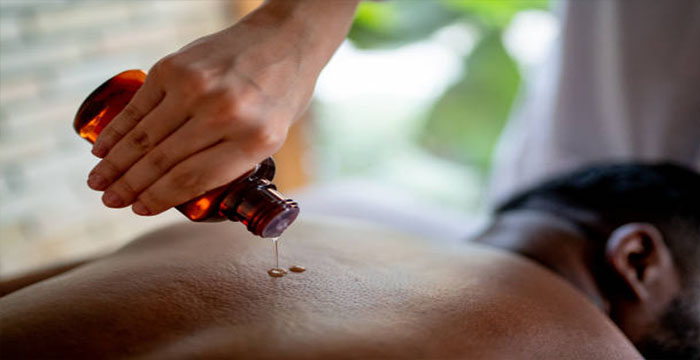
A Hot Oil Massage is exactly what it sounds like, warm oil is smoothed over your skin while a therapist uses slow, steady pressure to help tight muscles soften. Because the oil reduces friction, the strokes can feel more flowing and comforting, which often helps your body relax and your mind slow down. If you’re carrying stress in your shoulders, lower back, or hips, this style of massage can feel like a reset.
In this guide, you’ll learn the real benefits people notice (like easing muscle tension and improving sleep), plus who it’s best for and when you should skip it. You’ll also get practical tips on how to prepare, what to wear, and what to tell your therapist so the pressure and oil choice match your needs. If you’re choosing between styles, you can also compare the feel of a relaxing massage at Aroma SPA to a hot oil session, since both aim to calm the nervous system, but they can feel quite different on the body.
Expect clear answers on what happens during the session, from the first minutes on the table to how the oil is applied, and what aftercare looks like once you leave. We’ll cover common, normal reactions too, like feeling sleepy, thirsty, or a little tender in spots.
Safety matters, especially with heat and oils. So, you’ll find simple notes on allergies, sensitive skin, pregnancy, recent injuries, and medical conditions that need extra caution. By the end, you’ll know how to pick a therapist who listens, keeps things professional, and helps you feel comfortable from start to finish.
What happens during a Hot Oil Massage, step by step
A Hot Oil Massage usually follows a simple, predictable flow, which is great if it’s your first time. You arrive, chat through your needs, get comfortable on the table, then the therapist applies comfortably warm oil and uses slow techniques to ease tension. Afterward, you get a few minutes to re-orient before you head back into your day.
Every spa does it a little differently, but the steps below are what most people experience.
Before the massage: room setup, consent, and picking your pressure
Most sessions start with a quick consultation. This is your chance to share what you want from the massage, whether that’s pure relaxation, help with tight shoulders, or easing low back stiffness. A good therapist listens first, then suggests a plan for the session.
Expect to cover a few basics:
- Areas to avoid: For example, a fresh bruise, a sunburn, a rash, or a spot that feels “wrong” today.
- Injuries and medical issues: Mention recent sprains, surgeries, sciatica-like pain, varicose veins, or anything your doctor is watching.
- Pain vs comfort: A Hot Oil Massage should feel like pressure that helps, not pressure that makes you tense up or hold your breath.
- Scent sensitivity: If fragrances trigger headaches or allergies, say so early. Many places can use unscented oil.
- Modesty and draping: You stay covered with a sheet or towel, and only the area being worked on is uncovered. If you prefer extra coverage, ask.
Pressure is not a one-time choice. It should stay adjustable through the whole session, because your muscles can soften fast once heat and oil are involved. If something feels too intense, speak up right away, not at the end.
Here are simple phrases that work (and feel natural to say):
- “Can you go lighter on that spot?”
- “That pressure is perfect, please keep it like that.”
- “My neck feels sensitive today, can we avoid deep work there?”
- “I feel a sharp sensation, can you change the angle or move on?”
Comfort comes first. The best results happen when your body feels safe enough to relax.
The oil and the heat: how warm is “warm,” and why it matters
In a Hot Oil Massage, “warm” should feel soothing, like a comfortably heated towel, not like something that makes you pull away. Therapists usually warm the oil in a heater, a warm water bath, or a bowl, then test it before applying it broadly.
A safe temperature feels pleasant on first contact. It shouldn’t sting, tingle, or leave the skin looking unusually red. If it does, the oil is too hot, or your skin is reacting.
Warm oil matters because it changes how the massage feels:
- It helps muscles let go: Heat can encourage tight areas to soften, so the therapist doesn’t need to force pressure.
- It improves glide: The hands move smoothly, which reduces dragging and the “scratchy” feeling some people get with dry skin.
- It can reduce sharp sensations: When tissue is guarded or stressed, warmth often makes touch feel less pokey and more rounded.
Even with careful heating, burns can happen if someone rushes or skips testing. The simplest safety step is also the most important: the therapist should test the oil on their own wrist or a small patch of your skin before applying more. If you ever think, “That feels too hot,” say it immediately. You don’t need to wait to see if it improves.
Common techniques used in hot oil massage (and what each one helps with)
Once you’re on the table and comfortably draped, the therapist usually starts with broad, slow contact. This helps your nervous system settle before any focused work. From there, the session often moves between a few easy-to-recognize techniques.
Long, flowing strokes are often the foundation. The therapist glides along the back, legs, arms, or neck in a steady rhythm. This is the part that tends to quiet the mind because it feels predictable and safe. Many people notice their breathing slows without trying.
Kneading and gentle squeezing may come next, especially on shoulders, calves, and hips. Think of it like slowly working dough, but on muscle. This can help with that heavy, stiff feeling you get after long hours sitting, driving, or training.
Gentle joint movement sometimes shows up as small, careful motions of the shoulder, wrist, ankle, or neck (only within a comfortable range). It often feels like a reset, especially when you feel “stuck” or creaky. It should never feel forced. If you feel pinching, the movement should stop.
Focused work on tight spots is where the therapist spends extra time on a knot, band of tension, or a stubborn shoulder blade area. With warm oil, this work can be done more gradually. Instead of jabbing at one point, the therapist may sink in slowly, pause, then ease out. That slow approach often calms the body more than aggressive pressure.
A simple rule helps you judge the session in real time: you should feel release, not a fight. If your muscles tense up, the pressure is too much, or the spot needs a different approach.
After the session: how you should feel, and what to do next
When the massage ends, most therapists step out so you can take your time getting up. That pause matters. Standing too fast can make you feel lightheaded, especially if you’ve been deeply relaxed.
Right after a Hot Oil Massage, common (and normal) after-effects include feeling:
- Sleepy or “floaty”, like you just woke up from a good nap
- Looser through the neck, shoulders, hips, or back
- Thirsty, because you may not notice thirst while you relax
- A little tender in specific spots, especially if tight areas got focused attention
To get the best from the session, keep your next few hours simple. Drink water, then eat a light meal when you’re hungry (something easy on the stomach). If you plan to shower, many people like waiting a few hours so the skin can enjoy the oil a bit longer. On the other hand, if you feel oily or sensitive, a warm shower sooner is fine, just avoid very hot water.
Mild soreness can be normal for a day, similar to how you might feel after stretching. However, a few signs should not be ignored:
- Dizziness that persists after resting and drinking water
- A skin reaction like hives, intense itching, or spreading redness (especially if you used a scented oil)
- Sharp pain, numbness, or shooting sensations during or after the massage
If anything feels alarming, contact the spa and consider medical advice, especially when symptoms escalate. Most of the time though, the “after” feels calm and grounded, like your body finally unclenched.
Real benefits people notice, plus who should be careful
A Hot Oil Massage can feel simple on paper, warm oil plus slow pressure. In real life, it often lands differently. People tend to notice changes that show up in everyday moments, like breathing more easily at bedtime, sitting at a desk without hunching, or stepping out of the shower with skin that feels less tight.
That said, it helps to keep expectations realistic. Massage supports comfort, relaxation, and movement, but it is not a cure for medical conditions. Think of it like tuning an instrument. When your body feels less “jangled,” other good habits (sleep, movement, hydration) work better too.
Stress relief and better sleep: calming your body’s “alert mode”
When you are stressed, your body runs in “alert mode.” Muscles brace, breathing gets shallow, and your mind keeps scanning for the next task. Warmth and steady touch can act like a gentle signal that says, “You are safe right now.” As a result, your nervous system often shifts toward rest, the state where digestion, recovery, and sleep come easier.
You can usually feel this change during a Hot Oil Massage. Your shoulders drop without effort. Your jaw stops clenching. Even your hands may soften from that half-fist you did not realize you were holding. Many people notice their breathing slows, and the exhale gets longer, almost like a quiet sigh that arrives on its own.
Sleep is where this benefit becomes obvious. After a good session, your body may feel heavier in a pleasant way, like a blanket has settled over noisy thoughts. Some people get sleepy immediately, while others just feel calmer at bedtime. Either response is normal.
If sleep has been a struggle lately, keep it simple and set yourself up for success after your session:
- Keep the evening low-stimulation: Dim lights, quieter music, less scrolling.
- Sip water, then stop early: Hydrate, but avoid chugging right before bed.
- Take a warm shower (not hot): A quick rinse can feel soothing and keep you comfortable.
- Choose an earlier appointment if late nights hype you up: Some people sleep best when the massage is not too close to bedtime.
The clearest sign you are “coming down” from alert mode is this: your body stops bracing, and your breath starts to lead again.
Muscle stiffness, back and neck tightness, and post-workout recovery
Stiffness often comes from a mix of tension, small overuse, and staying in one position too long. Warm oil helps because heat encourages tissue to soften, and the oil lets the therapist move smoothly without tugging on the skin. That combination can make it easier to work on tight areas without forcing deep pressure.
Range of motion is a common win. You might notice your neck turns more freely when checking blind spots. Your shoulders may sit lower, instead of creeping up toward your ears. For many people, the lower back feels less “locked,” especially after long drives or days of sitting.
A few everyday examples where people often feel a difference:
- Desk-work shoulders: The upper traps and chest can feel tight from hunching forward. Slow strokes and gentle kneading can make your posture feel less effortful.
- Lower back tightness: Not all low back discomfort is the same, but relaxing the surrounding muscles can reduce that guarded, protective holding.
- Sore legs after exercise: After a run, gym session, or long walk, warm oil and steady pressure can help you feel looser and less creaky the next day.
Keep one thing clear, though. This is supportive care, not medical treatment. Massage cannot diagnose the cause of pain, and it should not “push through” sharp sensations. If you have ongoing pain, numbness, or pain that shoots down an arm or leg, talk to a clinician. A good therapist will also adjust the plan and avoid areas that need a different kind of care.
If you want a broader view of what massage can and cannot do for the body, this overview of massage benefits for stress relief can help you set realistic expectations.
Dry skin and self-care: the simple skin benefits of warm oil
One of the first things people notice after a Hot Oil Massage is how their skin feels. Warm oil can reduce that “tight” dryness, especially on shins, elbows, and forearms. Even if you do not have dry skin, the oil can leave a soft, smooth finish that makes you more aware of your body in a good way.
This is a straightforward benefit: oils help hold moisture in, and massage spreads the oil evenly. In addition, the warmth can feel comforting on skin that gets irritated by cold weather, air-conditioning, or frequent showers.
Scent is personal. Some people love a light fragrance because it adds to the calming feel. Others prefer unscented oil, especially if they get headaches from strong smells or have sensitive skin. It is always okay to ask for a simpler option.
If your skin is oily or acne-prone, use a bit of caution. Heavy oils can feel too rich on the face, chest, or upper back, where breakouts are common. In that case, ask for a lighter oil and request that the therapist avoids acne-prone areas. Also, plan to shower afterward if you know leftover oil tends to clog pores for you.
A small practical note: bring a shirt that you do not mind getting a faint oil mark on. Even with a good wipe-down, a little oil can linger.
When to avoid hot oil massage or talk to a clinician first
Most people can enjoy a Hot Oil Massage safely, especially when the therapist checks oil temperature and listens to feedback. Still, there are times when heat, pressure, or oils are not a good match. The goal is not to scare you, it is to help you make a smart call.
Skip the session or reschedule if you have any of the following right now:
- Fever or feeling unwell: Your body needs rest, not extra stimulation.
- Skin infections or contagious rashes: This protects you and others.
- Open wounds, fresh burns, or significant sunburn: Massage and oil can irritate healing skin.
- Severe bruising or a new injury: Swelling and acute pain need a different approach.
Talk to a clinician first, or at least discuss it clearly with the spa, if any of these apply:
- Recent surgery: Healing tissue can be sensitive for weeks or months.
- Uncontrolled high blood pressure: Heat and relaxation can shift how you feel, and you may need guidance on safety.
- Severe varicose veins: Pressure over affected veins can be risky; a therapist should avoid those areas.
- Pregnancy: Many people get massage while pregnant, but position, pressure, and oil choice matter, especially in the first trimester.
- Allergies or asthma triggered by scents: Ask for unscented oil and avoid strong aromatherapy.
- Blood thinners or bleeding disorders: You may bruise more easily, so pressure should stay light and conservative.
- Nerve issues or reduced sensation (for example, neuropathy): If you cannot feel heat well, burns become more likely, and the therapist needs to adjust.
Honesty in the consultation protects you. Mention medications, skin reactions, and any area that feels “off.” A professional therapist will not judge you. They will simply adapt the session, or recommend waiting, so you get the benefits without unnecessary risk.
How to choose the right hot oil massage, and get the most from it
A Hot Oil Massage can feel completely different depending on the goal, the oil, and the pressure. One session might be slow and dreamy, while another is more focused on stubborn tight spots. The best results usually come from a simple plan: pick one main goal, choose an oil your skin likes, book a sensible session length, then communicate clearly.
Use the tips below like a menu. You don’t need to do everything. You just need the right mix for your body and your day.
Pick your goal first: deep relaxation, pain relief, or full-body reset
Your goal decides the pressure, pace, and where the therapist spends time. If you walk in thinking “I want everything fixed,” the session can turn into a scattered mix. A clearer target helps your therapist deliver.
Here is a simple decision tree in words. Start at the top and follow what sounds most like you today:
- If your main issue is stress, anxiety, or poor sleep, choose deep relaxation.
- If your main issue is stiffness, tight neck, or a cranky lower back, choose pain relief and mobility support.
- If your main issue is feeling run down, heavy, and overstimulated, choose a full-body reset.
Then match the goal to the massage style:
- Deep relaxation (lighter pressure, steady rhythm): Ask for long strokes, gentle kneading, and minimal deep work. This is the “turn down the noise” option. It suits first-timers, high stress weeks, and anyone who wants calm more than intensity.
- Pain relief and stiffness (moderate pressure, slower focus): Request medium pressure, with extra time on shoulders, hips, or lower back. The therapist should work gradually, because forcing pressure often makes muscles guard.
- Full-body reset (balanced pressure, full coverage): Go for a head-to-toe flow with a little focused work where needed. It feels like tidying up the whole body, not just chasing one knot.
A quick way to check you chose well: during the first 10 minutes, your breathing should get easier. If you catch yourself bracing, the pressure or pace needs adjusting.
The right Hot Oil Massage feels like your body is melting into the table, not fighting the therapist’s hands.
Choosing the oil: coconut, olive, sesame, and fragrance-free options
Oil choice sounds small, but it can make or break comfort. The right oil gives smooth glide, feels good on your skin, and doesn’t leave you itchy or overwhelmed by scent. If you have sensitive skin or you react to fragrances, mention it early so the therapist can keep it simple.
Below is a practical comparison. Individual reactions vary, so treat this as a starting point, not a guarantee.
| Oil option | How it feels (glide + texture) | Scent level | Skin sensitivity and allergy risk | Staining and cleanup |
|---|---|---|---|---|
| Coconut oil | Often smooth, can feel rich | Mild natural scent (unless refined) | Can feel heavy for some, especially on acne-prone areas | Can leave noticeable oil marks on clothes |
| Olive oil | Heavier, strong slip, “thicker” feel | Mild to medium natural scent | Some people find it too heavy or pore-clogging on chest/back | More likely to stain light fabrics |
| Sesame oil | Good glide, warming feel for many | Distinct natural scent | Common in traditional massage, but avoid if you have known sesame sensitivity | Can stain, plan dark, loose clothing |
| Fragrance-free (unscented blend) | Usually balanced, not too heavy | None | Often the safest choice for sensitive skin and headaches | Still oil-based, but easier to tolerate overall |
A few hands-on tips that help in real life:
- If your skin gets irritated easily, ask for fragrance-free oil. Strong scents can turn a relaxing hour into a headache.
- If you break out on your back or chest, request a lighter feel and ask the therapist to avoid acne-prone areas.
- If you know you react to new products, request a small patch test first (for example, a dab on the inner forearm). Then wait a few minutes before full application.
- If you are wearing light colors, bring a backup top. Even with a towel wipe-down, oil can transfer.
If you’re interested in how scent can change the mood of a session, compare the oil approach with an aromatherapy massage at Aroma SPA, where fragrance plays a bigger role.
Best session length and how often to book
Longer isn’t always better. A great Hot Oil Massage is like seasoning food. The right amount leaves you satisfied, while too much can feel overwhelming. Choose your session length based on how many areas you want covered and how much time you need to fully unwind.
Here are practical ranges that work for most people:
- 60 minutes: Best for a first visit, a simple relaxation session, or one main problem area plus a little full-body work. It also suits busy schedules and lunchtime appointments.
- 90 minutes: The sweet spot for many people. You get full-body flow plus real time on tight shoulders, hips, or lower back. If you want relaxation and focused work, start here.
- 120 minutes: Good when your body feels “stuck” everywhere or you want a slow, unhurried pace. It works well for people who want extra attention to legs and back, or who need a longer wind-down.
A simple rule: if you want focused work on more than two areas, 90 minutes often feels more complete than a rushed 60.
Now, how often should you book? Think in routines, not rescue missions. Consistency matters more than intensity, because your body responds to repeated signals of relaxation and better movement.
- High-stress lifestyle: Every 2 to 4 weeks helps many people stay steady. When stress spikes, a weekly session for a short stretch can feel supportive.
- Office work and lots of sitting: Every 3 to 5 weeks can help manage neck, shoulder, and hip tightness. Add light stretching between sessions for better carryover.
- Athletes or frequent training: Every 1 to 3 weeks can fit well during heavy training blocks. On easier weeks, space it out.
If you are choosing between longer add-ons and a longer massage, pick time on the table first. For an example of a longer heat-based option, a full-day hot stone massage package gives you an idea of how extended heat work can be structured.
A quick prep checklist: what to eat, what to wear, what to mention
A little preparation makes the massage feel smoother from the first minute. You don’t need a strict routine, just a few basics that prevent common discomforts like feeling too full, too rushed, or too distracted.
Use this quick checklist before your Hot Oil Massage:
- Eat a light meal 1 to 2 hours before. A heavy meal can make it hard to relax on your stomach.
- Hydrate, but don’t chug water right before you arrive.
- Arrive 10 to 15 minutes early so you are not stressed when you walk in.
- Shower if you can, especially after the gym or a hot day. If you cannot, it’s still okay.
- Wear loose, easy clothes, and consider darker colors in case of oil transfer.
- Remove jewelry and watches so nothing presses into your skin.
- Turn your phone off or on silent. Even one buzz can pull you out of the moment.
Just as important is what you say during the consult. Keep it simple and direct:
- Mention any injuries, recent strains, or sore spots.
- Share your pressure preference (light, medium, firm), and whether you want talking or quiet.
- Flag any scent sensitivity or skin reactions you have had before.
- Point out areas you want avoided today (sunburn, irritation, bruises).
If you want to book and ask oil options in advance, use Aroma SPA booking details so you can show up with fewer decisions to make.
How to know it was a quality massage (and what to do if it wasn’t)
A quality Hot Oil Massage isn’t about fancy extras. It comes down to professionalism, cleanliness, and how well the therapist responds to your body. You should leave feeling cared for, not confused or rushed.
Look for these clear signs during the session:
- The therapist explains what will happen and asks for consent, especially before sensitive areas.
- The room feels clean and calm, with fresh linens and a comfortable temperature.
- Draping is proper, and only the area being worked on is uncovered.
- The therapist checks in about pressure and comfort, especially when moving to the neck, lower back, or hips.
- Pressure matches what you asked for, and changes when you request it.
- The ending isn’t rushed. You get a moment to breathe, sit up slowly, and re-orient.
On the other hand, you do not need to tolerate discomfort in silence. Speaking up is normal, and good therapists expect it. If something feels off, keep your words short and specific:
- “Please use less pressure there.”
- “That oil feels too hot, can we cool it down?”
- “Can we avoid that area today?”
- “I’d like more draping coverage.”
If the session still does not improve, it’s okay to end early. Afterward, decide if you want to book again based on how you were treated, not just how your muscles feel. Respect, clear boundaries, and clean practice are non-negotiable.
Hot Oil Massage in Kilimani at Aroma Massage & Spa: what to expect when you book
If you want a Hot Oil Massage in Kilimani, Nairobi, you usually want the same thing: a quiet hour where your body softens and your mind stops racing. At Aroma Massage & Spa, the experience is built around stress relief, calm, and professional care in a serene setting. Knowing what will happen before you arrive helps you relax faster, because nothing feels uncertain.
Below is a practical walk-through of what to expect, from the mood of the space to how to book, what happens at check-in, and how to choose a therapist who fits your goal.
Location, atmosphere, and the kind of experience the spa aims to create
Kilimani is busy, but that is also why people look for a spa there. You might be coming from work, the gym, or a long day in traffic. The point of a Hot Oil Massage is to switch gears, slowly and safely, until your nervous system settles.
Aroma Massage & Spa positions itself as a calm, welcoming place focused on wellness and healing. In practice, that usually means a few simple things clients care about most:
- A quieter pace: You are not rushed from the door to the table. That extra breathing room matters.
- A comfort-first approach: Warm oil should feel soothing, not intense. Pressure should feel helpful, not punishing.
- A professional setup: Clean linens, clear draping, and a therapist who explains what they are doing.
Most people booking in Kilimani want one of these outcomes, even if they say it differently:
Stress relief: The goal is to feel your shoulders drop, unclench your jaw, and stop bracing without thinking about it.
Quiet: Some clients want a no-chat session. Others like a few check-ins, then silence. Either preference is normal.
Skilled, respectful care: You want to feel safe on the table. You also want the therapist to listen the first time.
If you are comparing styles, Aroma also offers other options that focus on relaxation and wellness. Their general overview of Spa and Massage services helps you understand how different treatments fit different moods and needs.
Booking and timing: how to plan your session around your day
Most people book a Hot Oil Massage when they can see stress building, not when it has already peaked. A little planning makes the session more effective, because you arrive calmer and leave with time to enjoy the afterglow.
Aroma Massage & Spa typically encourages booking by phone or WhatsApp (so you can ask questions quickly and confirm details without back-and-forth emails). When you book, share the basics that shape the session, because a Hot Oil Massage should match your body, your skin, and your schedule.
Here is what to tell them upfront so the appointment fits you:
- Preferred day and time: Mention if you need a specific start time due to work or childcare.
- Session length: 60 minutes suits a simple reset, while 90 minutes gives more time for stubborn areas.
- Pressure preference: Say “light,” “medium,” or “firm,” then add context (for example, “firm but not painful”).
- Areas to focus on: Common picks are neck and shoulders, lower back, hips, or calves.
- Areas to avoid: Bring up sunburn, rashes, bruises, or any spot that feels “not today.”
- Scent or oil sensitivity: If fragrances trigger headaches, ask for a simpler, low-scent option.
Timing also matters more than people think. Try to arrive a bit early (around 10 to 15 minutes) so you do not carry outside stress into the room. Even a short buffer helps your breathing slow down before the first touch.
A few scheduling tips that work well in real life:
If your day is packed, book earlier. A midday session can reduce tension before it turns into a headache.
If sleep is the goal, go late enough to unwind. Leave time afterward for a light meal and a calm evening.
Plan your outfit. Wear loose, darker clothing when you can. Oil can transfer, even with a careful wipe-down.
Aroma mentions extended availability, so if you need an odd-hour appointment, ask what is open that day. It is better to confirm than to assume.
What happens when you arrive: consultation, comfort, and boundaries
The best Hot Oil Massage experiences feel easy because the start is clear. You check in, share what you need, then settle in with no awkward guesswork.
When you arrive, expect a short intake chat. It is not a medical interview, but it should cover the essentials:
What brings you in today? Stress, stiffness, poor sleep, post-workout soreness, or just wanting quiet.
Any health issues that affect massage? Recent injuries, skin irritation, allergies, pregnancy, or medications that increase bruising.
Pressure and comfort preferences. This includes whether you want the session quiet, and whether certain areas feel sensitive.
From there, comfort and privacy should be handled with professional basics:
- Draping stays in place so only the area being worked on is uncovered.
- You control your level of modesty. If you want extra coverage, say so before you get on the table.
- Cleanliness should be obvious: fresh linens, clean hands, and a room that feels cared for.
Oil temperature deserves its own mention. Warm oil should feel like a comforting bath, not like heat that makes you pull away. A professional therapist checks the warmth before applying it broadly. Still, your voice is the real safety tool here.
Use simple, direct language during the session. You do not need to explain or justify it.
- “Please use less pressure there.”
- “That oil feels too warm, can you cool it down?”
- “Can we skip my neck today?”
- “I want to stay more covered.”
A clear boundary does not ruin the massage. It improves it, because your body relaxes faster when it feels safe.
Just as important, you can stop at any point. You can also ask to change the plan halfway through. Maybe your shoulders were the goal, but your lower back starts calling for attention. That is normal, and a good therapist adapts.
Choosing your therapist: matching skills to your needs
Picking the right therapist can change how a Hot Oil Massage feels from start to finish. Some therapists shine at slow, calming flow. Others are better at focused muscle work that targets stubborn tightness (without turning it into a painful session).
Start by choosing your main outcome, then ask the spa to recommend someone who matches it.
If your goal is deep relaxation: Choose a therapist known for steady rhythm, lighter to medium pressure, and a calming pace. This is the “quiet your mind” session.
If your goal is muscle relief: Ask for someone comfortable with targeted work on shoulders, hips, lower back, or legs. The pressure can be medium to firm, but it should still feel controlled and respectful.
If you are new to massage: Request a therapist who does great first-time sessions. You want clear communication, frequent check-ins, and a gentle start.
Even if there are names listed, do not guess. Ask for guidance based on your body and your comfort level. A simple prompt helps:
“I want relaxation, but my shoulders are tight. Who would you suggest for that mix?”
If you care about social proof, Aroma also shares client feedback on the site. Reading one or two reviews can help you feel more confident before you book, for example this Alicia Lock testimonial about a spa visit and how relaxed they felt afterward.
Finally, remember that the best therapist for you is not just about technique. It is also about how you feel in the room. You should feel listened to, properly draped, and free to speak up at any time. That is what turns a Hot Oil Massage into a safe reset, not just a service on a menu.
Conclusion
A Hot Oil Massage blends comfortably warm oil with slow, steady strokes, so your muscles soften without feeling forced. As a result, many people notice less tension in the neck, back, and hips, plus a calmer mood and better sleep. The skin benefits are a nice bonus too, especially if you choose an oil that suits you.
Still, safety stays at the center of a good session. Skip or reschedule if you feel unwell, have irritated skin, or are healing from a new injury, and always speak up fast if the oil feels too hot or the pressure makes you brace. For better results, arrive a little early, eat light, choose loose clothes, and communicate clearly about scent sensitivity, focus areas, and boundaries.
If you’re in Kilimani and want a quiet reset that feels grounded and professional, book your session, then tell your therapist exactly what “comfort” means for you. For the full menu of options, see Spa & Salon. What would make your next Hot Oil Massage feel like a real break, lighter pressure, more focus on one area, or a no-talk session?