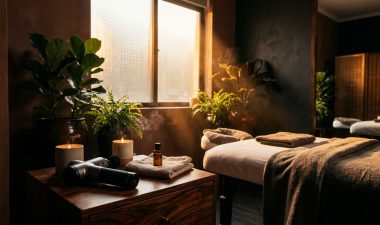
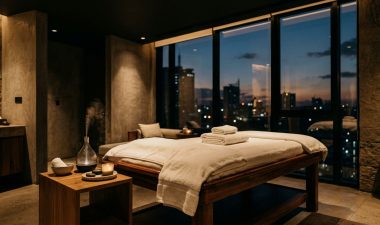
One massage can leave you sleepy, while another can make tight shoulders feel easier to move. The difference usually comes down to technique, pressure, pace, and purpose. If you’re comparing types of massage before booking in Nairobi, a long menu can make a simple decision feel confusing.
A good session should match your body and your reason for booking. Aroma Spa in Kilimani offers a calm place to compare relaxing, traditional, focused, and full-body treatments. Start with these 20 styles, then choose the one that fits how you feel today.
How massage styles differ
Massage is hands-on bodywork, but every style uses a different combination of pressure, movement, and focus. Swedish massage usually feels smooth and relaxing. Deep tissue work is slower and firmer. Thai massage includes assisted stretching, while reflexology focuses mainly on the feet.
Your goal matters too. Someone with tired legs after travel may prefer a foot massage. A runner with stiff calves may need sports massage. If work has left your neck and shoulders tense, a focused session may suit you better than a general full body massage.
The Healthline guide to massage types offers a useful comparison of common styles and their typical uses. Still, online descriptions can’t replace a conversation with a qualified massage therapist.
Tell the therapist about your preferred pressure, painful areas, injuries, pregnancy, recent surgery, skin conditions, or any medical concern. You should also be able to change the pressure during the session. Clear communication makes the experience more comfortable and helps the therapist avoid areas that need care.
20 types of massage worth knowing before you book
The names below describe different techniques, although many spas combine more than one style. Ask what the session includes before you reserve a time.
1. Swedish massage
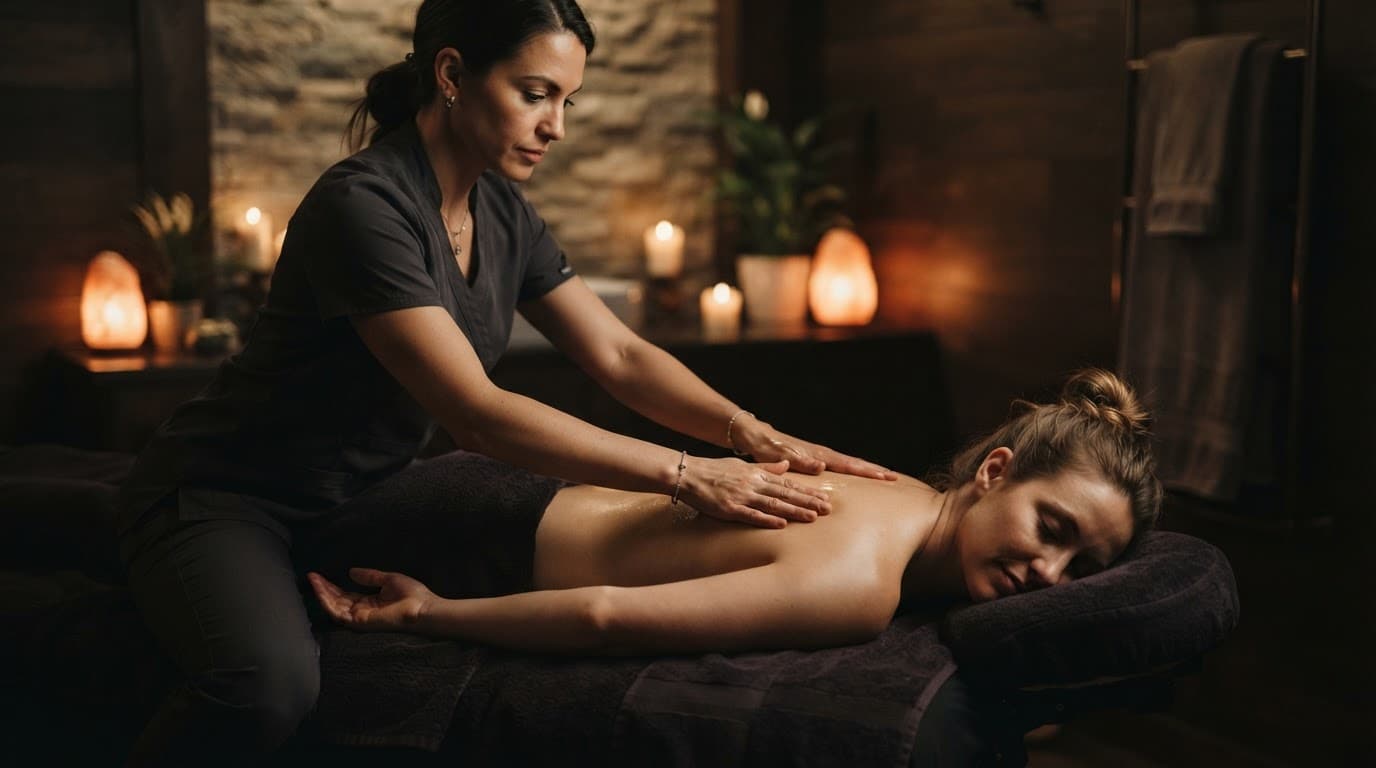
Swedish massage is one of the most familiar choices for first-time clients. The therapist uses flowing strokes, kneading, gentle friction, and light tapping across the body. Pressure can range from light to moderate.
Choose it when you want general relaxation, improved comfort after a long day, or a gentle introduction to massage therapy. It also works well as a full body treatment because the pace feels steady from start to finish.
2. Aromatherapy massage
Aromatherapy massage combines gentle massage with diluted essential oils. The oil adds glide to the therapist’s movements, while the scent can shape the mood of the room.
Ask which oils are available and mention allergies before the session. A calming blend may suit an evening appointment, while a fresh scent may feel better during the day. The massage itself can be light or moderate, depending on your preference.
3. Hot oil massage
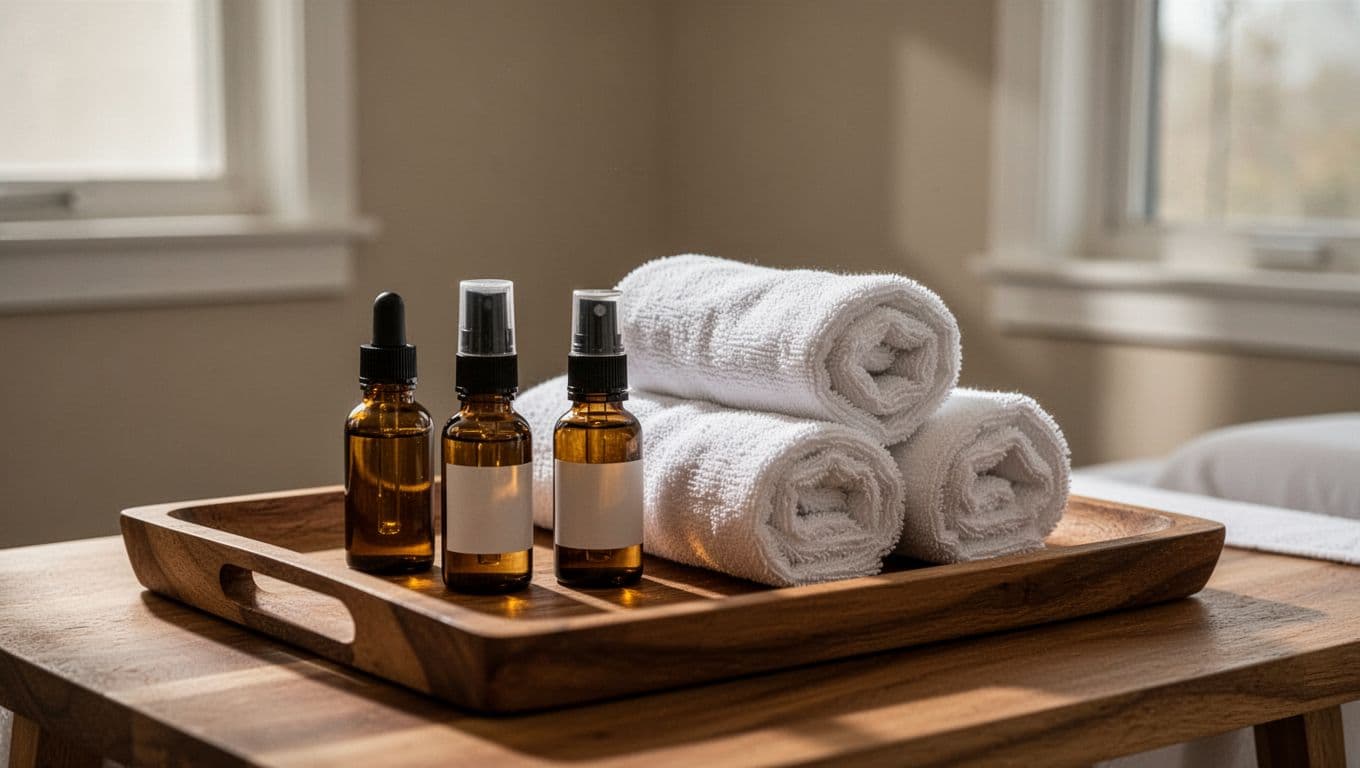
Hot oil massage uses comfortably warmed oil to reduce friction and create a smoother, slower session. The warmth can make broad strokes feel soothing across the back, arms, legs, and shoulders.
This option suits people who prefer a sensual, unhurried wellness experience without intense pressure. The oil should feel warm, never hot. Tell the therapist immediately if the temperature or pressure feels uncomfortable.
4. Hot stone massage
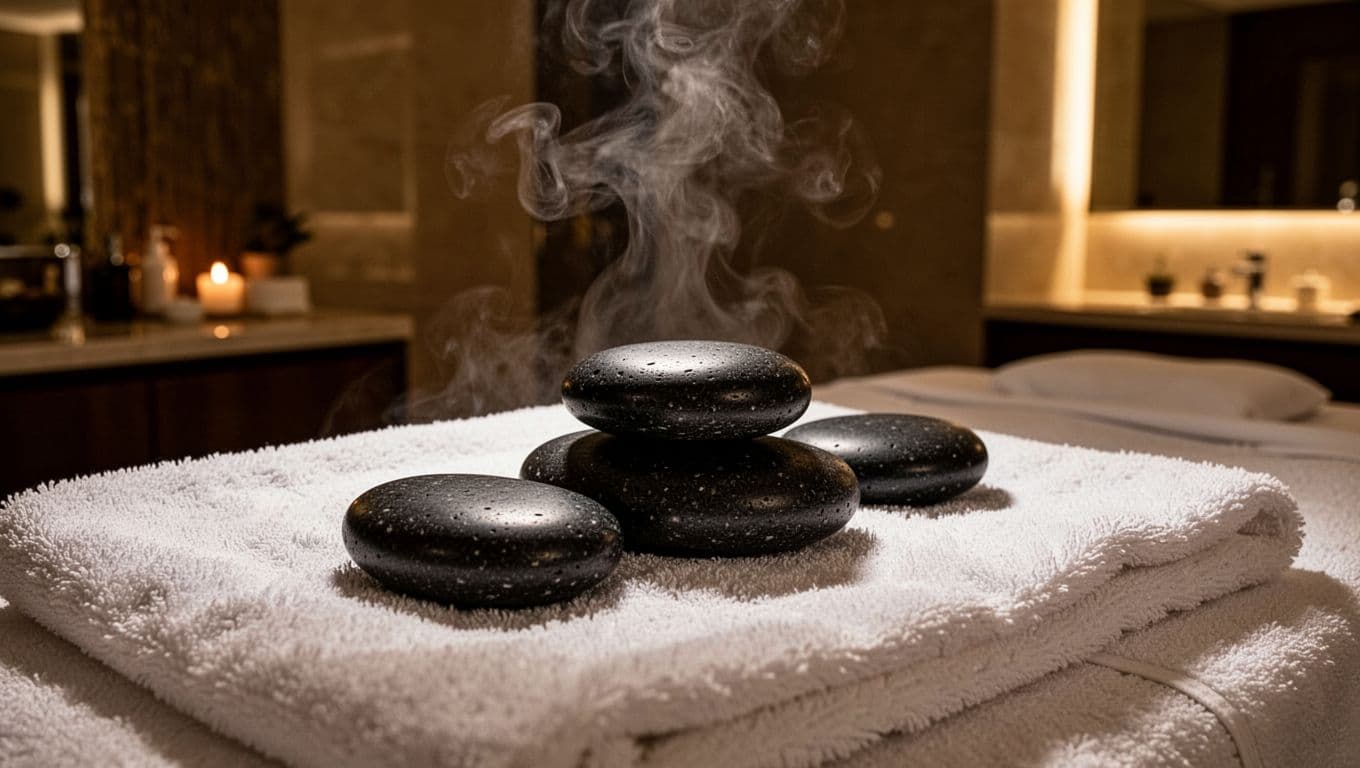
Hot stone massage uses heated, smooth stones alongside hands-on techniques. Therapists may place stones on selected areas or use them to make slow strokes across larger muscles.
The warmth can help tight muscles relax before firmer work begins. A professional should check the stone temperature against your skin and explain where the stones will rest. Avoid this style if heat is unsuitable for a health reason unless your clinician approves it.
5. Lomi Lomi massage
Lomi Lomi is a Hawaiian-inspired style known for broad, rhythmic movements. The therapist may use the forearms as well as the hands, creating a continuous flow across the body.
Clients often choose it for relaxation and a spacious, unhurried feeling. Because the strokes can cover large areas, discuss draping and comfort before the session. The style should always be adapted to your boundaries and pressure preference.
Focused massage for tight or overworked muscles
These styles are more targeted than a standard relaxation session. They can suit people who sit for long hours, train regularly, or carry tension in one area.
6. Deep tissue massage
Deep tissue massage uses slower strokes and firm pressure on deeper layers of muscle and connective tissue. Therapists often focus on the back, shoulders, hips, legs, or other areas with persistent tightness.
Firm pressure isn’t automatically better. The session should feel productive rather than sharp or unbearable. Tell the therapist when pressure becomes painful, especially around joints, bones, or recent injuries.
7. Sports massage
Sports massage is designed for physically active people, but you don’t need to be a professional athlete to book it. The therapist may focus on muscles used during running, cycling, gym training, swimming, or recreational sport.
A session before activity is usually lighter and more movement-focused. Post-activity work may use slower strokes to ease general tightness. Share your training schedule and any injury instead of asking for maximum pressure.
8. Trigger point massage
Trigger point massage focuses on small, sensitive areas that may send discomfort into nearby parts of the body. The therapist applies controlled pressure for a short period, then releases it.
This style can help when one stubborn knot affects movement or creates tension around the neck, shoulders, hips, or calves. It may feel intense in short bursts, so communication matters throughout the appointment.
9. Myofascial release
Myofascial release uses sustained, gentle pressure and stretching to work with fascia, the connective tissue around muscles. The pace is often slower than Swedish massage.
People may choose it when movement feels restricted or when tightness seems spread across a wider area. Results vary, and a massage therapist should avoid making medical promises. Ask how the practitioner assesses the areas that need attention.
10. Chair massage
Chair massage takes place over clothing on a specially designed massage chair. It usually focuses on the neck, shoulders, upper back, arms, and hands.
Sessions are often shorter than table treatments, making them practical during a work break or event. A massage chair at home can provide temporary comfort, but it can’t adjust technique as precisely as a trained therapist.
Traditional massage styles with active movement
Traditional systems often include stretching, pressure-point work, or rhythmic movements. They can feel different from oil-based treatments, so ask about clothing and session structure before arriving.
11. Thai massage
Thai massage combines assisted stretching, compression, and pressure along the body. Clients generally remain clothed on a mat or firm surface, and the therapist guides the body through controlled positions.
It can suit people who enjoy active bodywork and want to work on general mobility. Thai massage isn’t the same as a gentle oil massage. Tell the therapist about joint pain, flexibility limits, and previous injuries.
12. Shiatsu massage
Shiatsu is a Japanese style that uses finger, thumb, palm, and sometimes elbow pressure. The therapist works along specific areas of the body while you remain clothed.
Pressure is usually steady rather than flowing like Swedish massage. Shiatsu may appeal to people who prefer structured point work without a lot of oil. The therapist should adjust pressure around sensitive areas and joints.
13. Ayurvedic massage
Ayurvedic massage traditionally uses warm oil and rhythmic strokes. The treatment may be selected according to an Ayurvedic wellness plan, although spa menus often offer a simplified version for relaxation.
Ask which oil the spa uses and whether the treatment includes scalp or foot work. Those with allergies or sensitive skin should request a patch test or choose an unscented option.
14. Balinese massage
Balinese massage commonly combines gentle stretching, acupressure, kneading, and aromatic oils. The pressure may move between relaxing strokes and more focused work.
This style suits clients who want a treatment with both calming and stimulating elements. Since menus vary between spas, ask whether the session is light, moderate, or firm before booking.
15. Indian head massage
Indian head massage focuses on the scalp, neck, shoulders, upper back, and sometimes the face. The therapist may use kneading, compression, and circular movements.
It works well for people who carry tension around the head and shoulders or want a shorter treatment. You can request oil or a dry session, depending on your hair and skin preferences.
Gentle and specialist massage treatments
Some styles target a particular body area or situation. These sessions need careful screening, especially when swelling, pregnancy, surgery, or a medical condition is involved.
16. Reflexology
Reflexology is a pressure-based treatment focused mainly on the feet. Practitioners work across different areas of the foot according to reflexology maps.
Many clients book it after travel, long hours standing, or a demanding week. It is not the same as a general leg massage, although a spa may combine both. If you search for a foot massage near me, check whether the service is reflexology or simple foot and calf work.
17. Manual lymphatic drainage massage
Manual lymphatic drainage massage uses light, rhythmic strokes intended to support the movement of lymph fluid. It should feel gentle, not like deep tissue massage.
This treatment requires a practitioner who understands the technique and knows when to refer a client to a medical professional. Swelling with an unknown cause, infection, blood clot concerns, or recent surgery requires medical advice before booking. A science-based overview from NCCIH explains why massage claims should be considered carefully.
18. Prenatal massage
Prenatal massage is adapted for pregnancy. The therapist changes positioning, avoids unsuitable pressure, and uses support to keep the client comfortable.
Book only with someone trained in prenatal work, and follow your maternity provider’s advice. Mention how many weeks pregnant you are, any complications, and areas your clinician has told you to avoid.
19. Craniosacral therapy
Craniosacral therapy uses very light touch around the head, spine, and sacrum. Many clients choose it because they prefer a quiet session with minimal pressure.
Scientific support for broad health claims remains limited, so treat it as a relaxation service rather than a replacement for medical care. Ask exactly what the practitioner will do and what the appointment includes.
20. Couples massage
Couples massage is a shared appointment in which two clients receive massage at the same time, often in the same room. Each person can choose a different pressure level or style.
A couple might combine Swedish massage with deep tissue work, or select a full body massage for couples. Confirm whether the spa has two therapists, one room, synchronized start times, and separate consultations before paying.
How to choose among the types of massage
Start with the result you want, then choose the technique. If your main need is rest, Swedish, aromatherapy, hot oil, or hot stone massage may suit you. For recurring muscle tightness, deep tissue, trigger point, or myofascial work may be more appropriate.
This quick guide can help narrow the menu.
| Your main reason for booking | Styles to consider | What to discuss first |
|---|---|---|
| General relaxation | Swedish, aromatherapy, hot oil | Preferred scent and pressure |
| Stiff muscles | Deep tissue, trigger point, myofascial release | Painful areas and injuries |
| Active training | Sports, Thai, deep tissue | Workout schedule and recovery |
| Tired feet | Reflexology, foot massage | Whether calves are included |
| Pregnancy | Prenatal | Stage of pregnancy and medical advice |
| Shared experience | Couples massage | Room, therapists, timing, and pressure |
| Gentle specialist care | Lymphatic drainage, craniosacral | Training, symptoms, and referrals |
The WebMD explanation of massage styles also compares common approaches such as Swedish, deep tissue, and hot stone massage. A qualified therapist should help you refine the choice rather than push the most expensive option.
A full body massage describes the area covered, not one fixed technique. It can be relaxing or firm, oil-based or dry, and may include the back, legs, arms, feet, shoulders, and scalp. Ask for the exact treatment plan before you book.
Finding Aroma Spa or a massage in Kilimani
If you’re looking for a Massage spa Kilimani, location is only the first filter. Check the service menu, privacy standards, therapist communication, appointment process, and current availability. Aroma Spa is a Kilimani option for clients who want a calm setting and a choice of treatments such as Swedish, Thai, deep-tissue, hot-oil, hot-stone, foot, and full-body sessions.
You can view Aroma Massage Spa treatments before reserving an appointment. The Nairobi massage guide can also help if you’re comparing styles, preparing for a first visit, or deciding what to ask.
Search wording changes with location. You may type “massage near me current location”, “massage near me open now”, “massage places near me”, “massage therapy near me”, or “massage spa near me low price”. Those results can mix day spas, mobile practitioners, hotels, and informal listings. Confirm the address, price, treatment length, therapist details, payment method, and hours before traveling.
A Kilimani client may search “Massage Parlour Near Me”, “Massage Parlour Kilimani”, “Nairobi massage near Yaya Centre”, “massage spa Nairobi”, or “Nairobi massage center”. Other phrases, such as “massage in Langata”, “Nairobi massage Westlands”, “Westlands Nairobi massage”, and “full body massage Mombasa”, point to different areas. A result is useful only if its location and services match your plans.
International brand searches can also appear, including Massage Envy, Elements Massage, Massage Heights, Hand and Stone Massage, and Massage Warehouse. These names may not relate to a Nairobi booking. Similarly, terms such as “Nairobi massage ladies”, “Nairobi massage ads”, “Nairobi massage spa telegram”, “Nairobi massage and extras services contact”, and “Nairobi massage body to body” can signal informal or adult-oriented listings rather than standard wellness care.
Ask direct questions about consent, draping, boundaries, and the exact service. Phrases such as “Nairobi massage services”, “Nairobi massage parlour”, “Nairobi massage parlors”, and “full body massage Nairobi” don’t tell you whether a provider is professional. Clear information matters more than a polished advertisement.
For people outside Kilimani, searches such as “Thai massage near me”, “mobile massage Nairobi”, “couples massage Nairobi”, “full body massage for women”, “full body massage for couples”, and “full body massage near me” can help identify a suitable service. Check whether the practitioner works from a spa, visits homes, or accepts couples in one room.
What to do before and after your appointment
Eat lightly before a massage and arrive with enough time to discuss your needs. Wear comfortable clothing, remove jewelry if requested, and mention any area you don’t want touched. You control the pressure, draping, conversation, and choice to stop.
A massage video can demonstrate general movements, but a body massage video can’t show whether a therapist will adapt safely to your body. Home tools have limits too. A massage gun, foot massager, back massager, or massage chair may help with temporary comfort, yet each applies pressure without the judgment of a trained professional.
Drink water when you’re thirsty and give your body time to settle after a firm session. Mild tenderness can occur after deeper work, but sharp pain, unusual swelling, numbness, or worsening symptoms deserve medical attention. GoodRx’s guide to massage benefits also stresses that massage should complement, not replace, appropriate medical care.
The best pressure is the level that helps you relax or move more comfortably, not the level that leaves you bracing against the table.
Conclusion
The right choice among these types of massage depends on your goal, comfort level, health needs, and preferred pressure. Swedish and aromatherapy suit relaxation, deep tissue and sports massage target demanding muscles, while Thai, reflexology, lymphatic drainage, prenatal, and couples sessions meet more specific needs.
Before booking at Aroma Spa or any other Nairobi provider, ask what the session includes and explain what your body needs. A clear conversation turns a long list of massage styles into a treatment that fits.