Peaceful and Serene Massage Room Ideas for Lasting Relaxation
A quiet room, soft light, and gentle sounds can slow your body before the massage even begins. In a peaceful and serene setting, your shoulders ease up, your breath settles, and it becomes easier to trust the care in front of you.
That calm atmosphere matters because comfort shapes the whole experience. When the space feels warm and still, your mind stops bracing and your body can respond more fully to touch. If you’re looking for that kind of setting, our massage services in Nairobi are designed with relaxation in mind.
A good massage room does more than look nice, it helps the treatment work better. The next part looks at the simple details that create that sense of ease, from light and sound to the small touches that make a space feel truly restful.
What makes a massage space feel peaceful and serene?
A peaceful massage space feels calm before a single hand touches the skin. The room should settle the body the moment you enter, with soft light, low sound, clean lines, and a sense of order that never feels cold.
Serenity is more than decoration. It lives in the way the room sounds, smells, and welcomes you, like a slow breath after a long day. A rushed room feels tight and distracting, while a restful one gives your mind permission to let go.
Why the atmosphere matters before the massage starts
The first few seconds shape the whole visit. When a guest walks into a room that feels warm, quiet, and uncluttered, the body starts to soften on its own. Shoulders drop a little, jaw tension eases, and the mind stops scanning for what might be wrong.
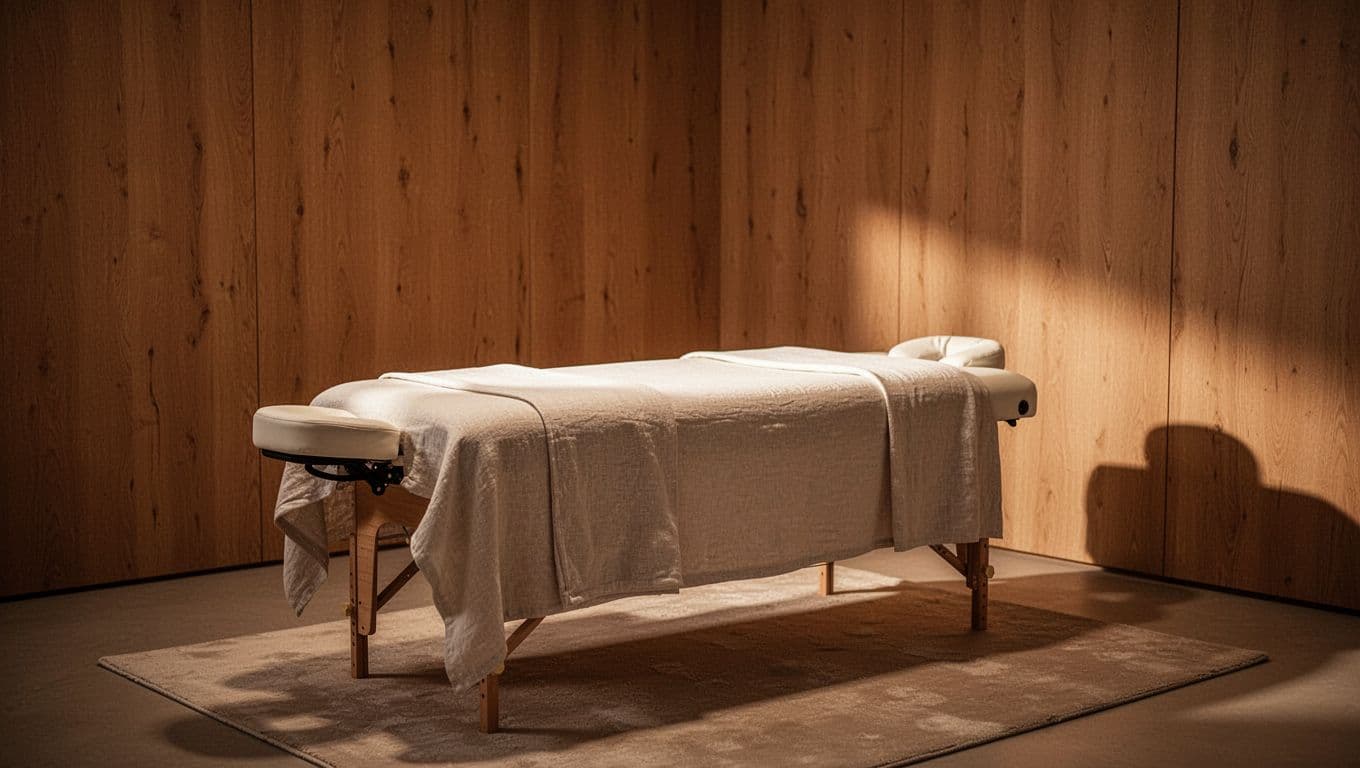
That first impression matters because it builds trust. A clean space, gentle lighting, and a tidy layout tell the guest, “You can relax here.” When the room feels cared for, the treatment feels safer, more personal, and easier to enjoy.
A noisy or crowded room has the opposite effect. Even if the massage itself is skilled, the mind stays alert when doors slam, bright lights glare, or clutter pulls the eye in every direction. In contrast, a calm room feels like a pause button for the whole day. For a useful look at how massage can support relaxation and lower stress, see this review on massage and relaxation.
How peace and serenity support deeper relaxation
A peaceful setting helps the body respond faster. Slow music, balanced light, and a steady room temperature make it easier to breathe in a smooth rhythm, and that slower breathing often leads to looser muscles and a quieter mind. In other words, the room helps the massage do its work.
Small sensory details matter here. A faint herbal scent, soft fabric under the face, and a stable massage table all send the same message, there is no need to brace. That kind of consistency helps the nervous system settle, which makes each stroke feel more effective.
If the space feels balanced, the mind stops fighting the moment. That means less mental noise, less tension in the neck and back, and a better chance of leaving the session refreshed. For guests who want that same calm feeling in a real treatment setting, our massage therapy pricing menu offers options designed for relaxed, unrushed sessions.
A truly serene massage room does one simple thing very well, it lets the body believe it is safe to rest.
Designing the room for comfort, calm, and ease
A massage room feels most inviting when every part of it works together. Light, color, furniture, and layout should all point in the same direction, toward rest.
The best rooms feel soft without feeling empty. They feel clean without feeling cold. Whether the space is small or large, the goal is the same, give the body less to process so the mind can settle.
Lighting that feels gentle instead of harsh
Lighting sets the mood before a client even lies down. Warm, dim, or adjustable light softens the room and helps the eyes relax, which can make the whole session feel more restful. Bright overhead bulbs often do the opposite, they pull attention upward and create a sharp, busy feeling.
Natural light can work well during the day, but it should feel filtered, not glaring. Sheer curtains, frosted glass, or blinds help soften strong sun while still keeping the room open and fresh. In the evening, wall sconces, shaded lamps, and dimmers keep the light low and steady.
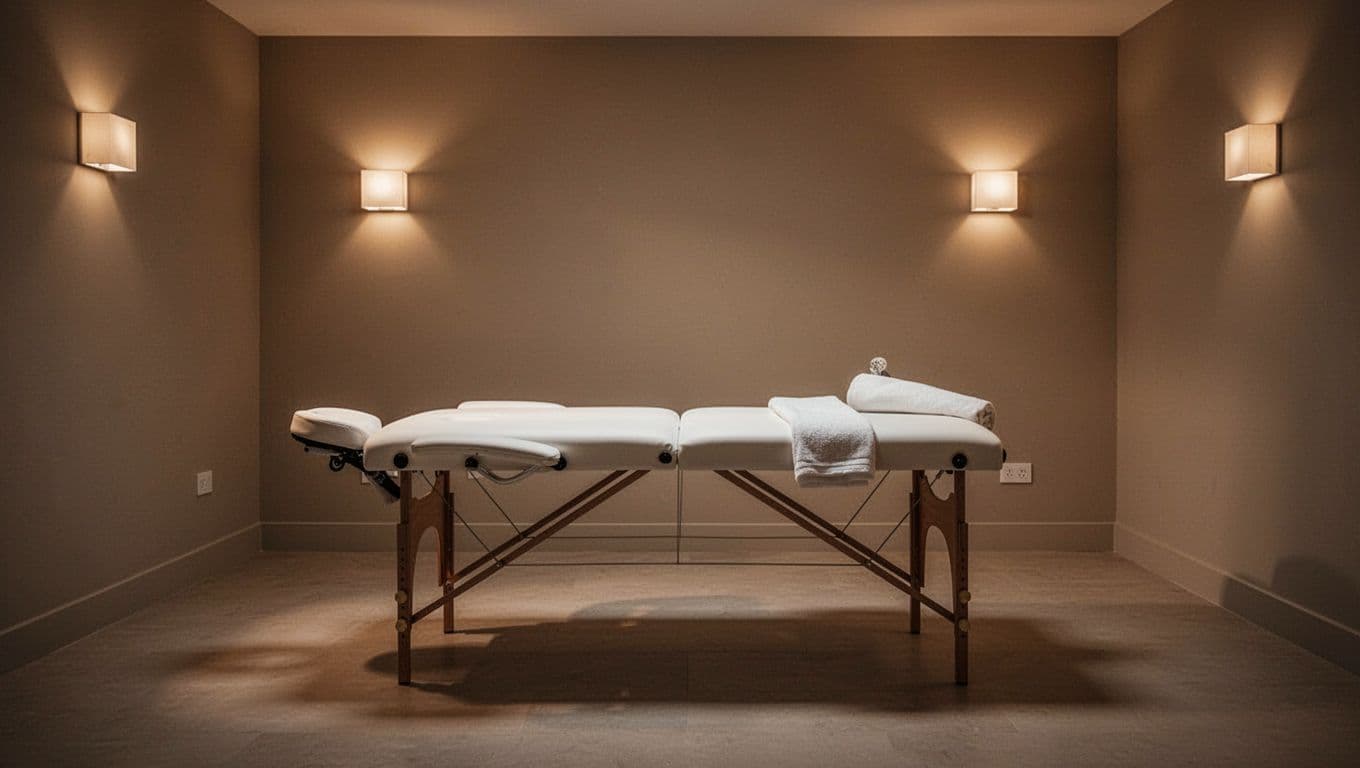
Avoid lighting that casts harsh shadows or flickers across the face and ceiling. That kind of visual noise can feel tiring fast. For a room that supports long, calm sessions, the light should feel like a soft blanket, not a spotlight. For more ideas on treatment-room setup, this guide to massage therapy in Nairobi offers a helpful place to start.
Gentle lighting is one of the fastest ways to make a room feel safe and unhurried.
Colors, textures, and décor that soothe the senses
Soft colors make a room feel calmer at first glance. Warm whites, beige, muted green, clay tones, and pale gray all work well because they sit quietly in the background. Loud colors can feel energetic, but in a massage room they often compete with rest.
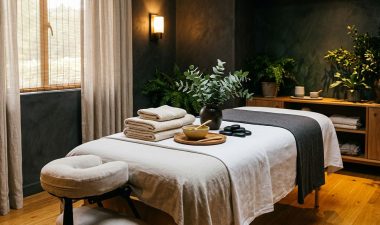
Textures matter just as much as color. Cotton linens, smooth wood, woven baskets, and matte finishes bring a natural ease to the space. A room with too many glossy surfaces or hard edges can feel sharp, while soft materials add a sense of warmth and ease.
Keep décor simple and intentional. A single plant, a framed print, or a small bowl of stones can add character without making the room feel busy. Every item should earn its place, because visual clutter can distract the eye and keep the mind active.
A tidy room also feels more comforting. Clear surfaces, folded towels, and hidden supplies create a sense of order that clients notice right away. When nothing feels out of place, the room feels easier to trust.
Here’s a simple way to think about it:
- Soft colors help the room feel quiet and grounded.
- Natural materials add warmth without crowding the space.
- Uncluttered surfaces keep the eye from working too hard.
- Minimal décor gives the room personality without noise.
Furniture and layout that help people feel safe
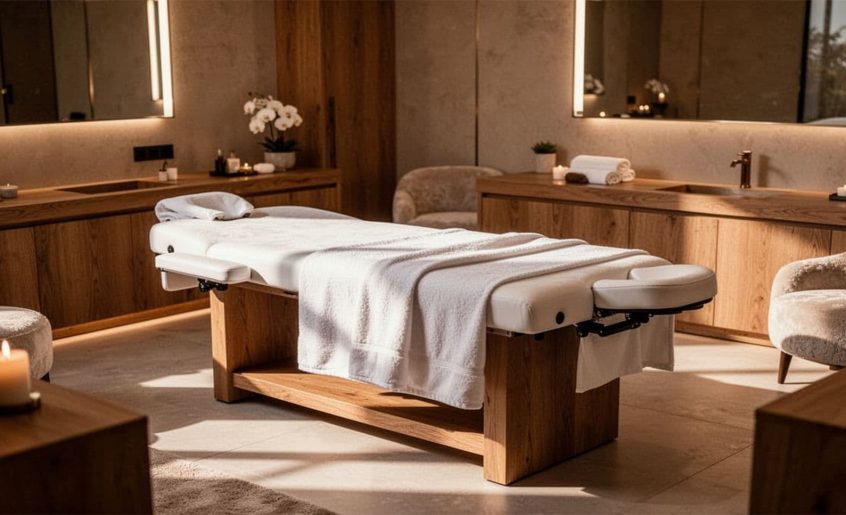
Furniture should support the treatment, not fight it. A sturdy massage table, a well-placed stool, and easy access to towels or oils make the room feel calm and prepared. When everything has a home, the therapist moves with less disruption, and the guest feels that ease right away.
Walking space matters too. Even in a smaller room, it helps to leave enough room to move around the table without bumping into shelves or corners. Tight layouts can feel crowded, while open paths help the room breathe.
Storage plays a big part in comfort. Closed cabinets, drawers, or covered baskets keep supplies out of sight, which makes the room look cleaner and more open. Guests may never think about where the extra linens go, but they feel the difference when the room stays neat.
The flow of the room should feel smooth from the moment someone enters. The door, table, storage, and exit should all work together without awkward turns or visual clutter. That sense of order gives the room a quiet confidence, and clients often relax more when they can sense that nothing is chaotic.
A practical layout can be simple:
- Place the massage table where movement feels easy on both sides.
- Keep fresh towels within reach, but out of direct view.
- Use storage that hides extra supplies and personal items.
- Leave clear walking space so the room never feels cramped.
A room with good flow feels larger, even when the footprint is small. It also feels more welcoming, because the space gives the body room to settle and the mind room to let go.
Using sound, scent, and touch to create a full sensory experience
A room feels more peaceful when the senses agree with each other. Soft sound, gentle scent, and comforting touch can work like three notes in the same song, each one small on its own, but calming when they blend well.
That balance matters because one strong sensory cue can pull attention away from rest. The best massage rooms stay light, fresh, and steady, so nothing overwhelms the guest. A careful mix helps the body settle faster and stay there longer.
Soft music, silence, and the right sound level
Sound can calm a room, but only when it stays in the background. Gentle instrumental tracks, soft piano, or nature sounds like rainfall and ocean waves can help the mind slow down. They work best when the room feels tense or when outside noise would otherwise break the mood.
Quiet also has power. In some spaces, silence feels cleaner and more restful than music, especially if the guest already feels overstimulated. A still room can feel like a pause between breaths, while music can sometimes crowd that space.
The key is the volume. Keep it low enough that the guest never has to listen for it. If the sound becomes a focus, it stops helping.
A simple way to think about it is this:
- Use music when the room needs a soft buffer against outside noise.
- Use silence when calm already feels natural and complete.
- Keep the level low so the sound sits behind the experience, not on top of it.
For a treatment style that pairs well with this kind of setting, soothing Swedish massage services fit a slower, more restful pace. The sound around that session should feel just as easy.
Aromatherapy that supports relaxation without overwhelming the room
Scent can soften the mood almost at once, but it needs a light hand. Lavender, eucalyptus, and chamomile are popular because they feel clean, familiar, and restful. Used in small amounts, they can make the room feel cared for without calling too much attention to themselves.
The goal is a hint, not a cloud. A scent that lingers too heavily can distract the guest or cause discomfort, especially in a small room. Fresh air, a balanced diffuser setting, and good airflow all help keep the space pleasant.
Sensitivities matter here as well. Some guests are very sensitive to fragrance, so the room should never depend on scent alone. A fresh, well-ventilated space feels better than one that tries too hard to smell “spa-like.”
A simple scent plan helps keep things balanced:
- Choose light, natural oils instead of strong perfumes.
- Use only a small amount at a time.
- Keep windows, fans, or vents working well.
- Watch for signs that a scent is too strong, then adjust quickly.
For a broader look at how massage supports calm and comfort, this review on massage and relaxation offers a useful reference. Scent works best when it supports that same sense of ease.
Warm towels, smooth linens, and small comfort details
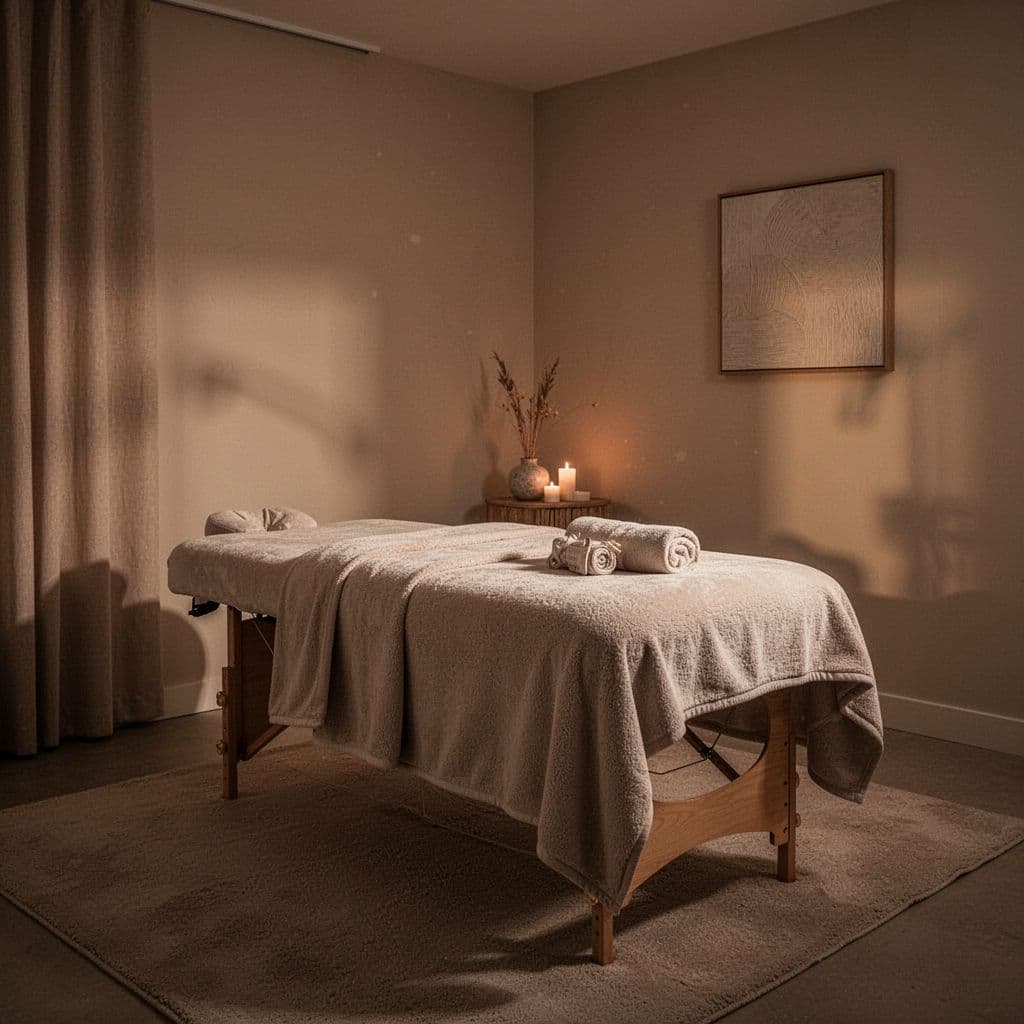
Touch shapes the experience the most, because the guest feels it on the skin right away. Soft sheets, smooth blankets, and warm towels can make the room feel inviting before the massage even begins. When the fabric feels clean and gentle, the body relaxes faster.
Room temperature matters just as much. If the room feels too cool, muscles tighten. If it feels too warm, the guest may stay restless. A steady, comfortable temperature helps the body stay open and at ease.
Small details add up here. A rolled towel under the ankles, a folded blanket within reach, or a face cradle covered in soft fabric can change how cared for someone feels. These touches may seem minor, but they tell the guest that comfort was thought through in advance.
A calm touch environment often includes:
- Fresh linens that feel smooth, not stiff or scratchy.
- Warm towels that add comfort at the right moment.
- A steady room temperature that keeps the body from tensing.
- Thoughtful extras like a neck roll, blanket, or soft cover for the face cradle.
For guests who want that level of comfort in a real session, relaxing massage treatments at Aroma SPA are built around a calm and cared-for experience. When sound stays soft, scent stays light, and touch feels gentle, the whole room starts to work like one quiet invitation to let go.
Keeping the space quiet, clean, and easy to trust
A truly Peaceful and Serene massage room does more than look soft and beautiful. It also feels controlled, private, and cared for. When the room is clean, the sound stays low, and the guest knows what to expect, the body relaxes faster because the mind stops searching for reasons to stay alert.
That trust is built in small moments. Fresh linens, a closed door, and a room free from interruptions all send the same message, this space is ready for you. For a good example of what a polished visit should feel like, what to expect at a professional spa in Kilimani helps set the standard.
Why cleanliness changes how calm a room feels
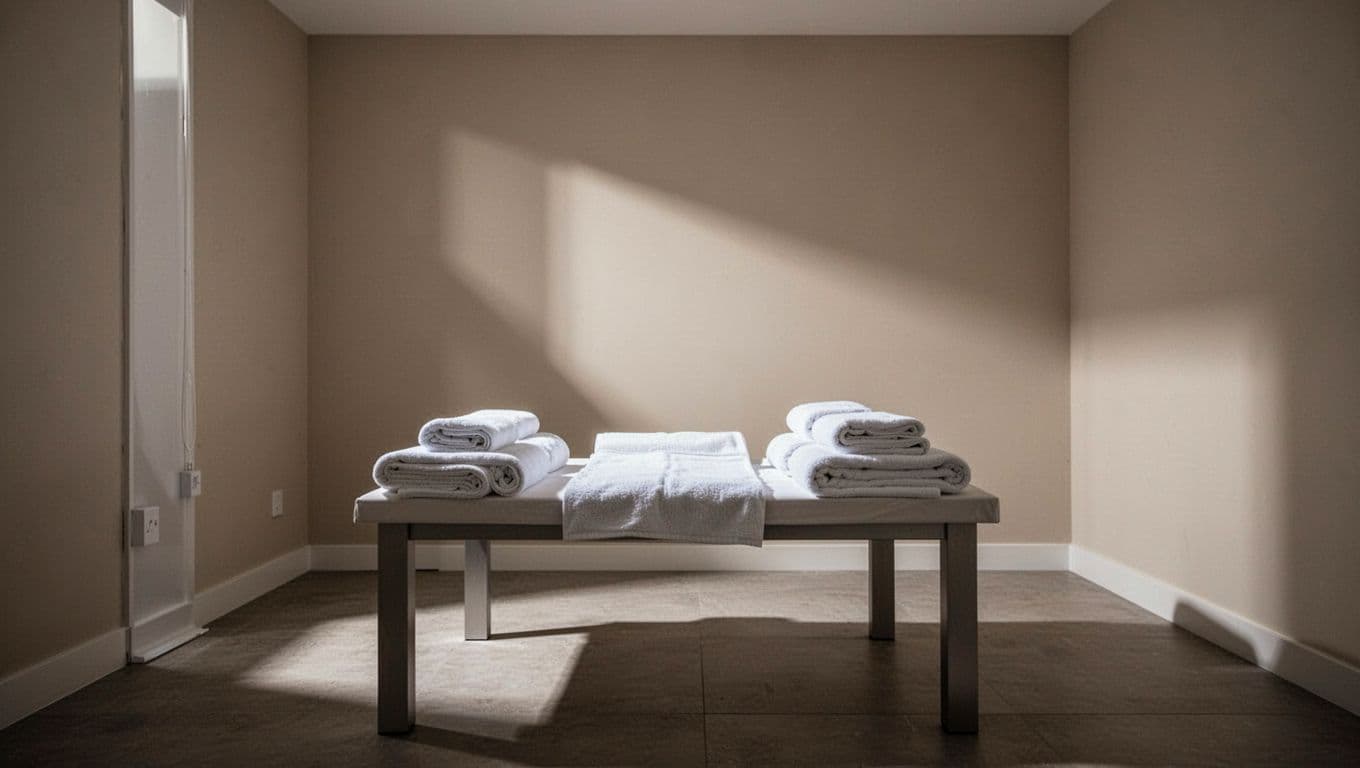
Cleanliness changes more than appearance. A spotless room tells the guest that care is taken seriously, which lowers tension before the session starts. If the table is neat, the towels smell fresh, and the tools are organized, the guest does not have to wonder about hygiene or safety.
That sense of order also affects emotion. Clutter can make a room feel rushed and unfinished, while tidy surfaces make it feel steady and calm. Clean floors, folded linens, and well-kept supplies work like a quiet promise, everything here has been prepared with care.
Fresh linens matter in a very direct way. They feel better on the skin, they look reassuring, and they help the room feel new for each guest. Organized tools matter too, because visible mess can create doubt even when the actual treatment is excellent.
A good standard is simple:
- Fresh towels and sheets help the guest feel safe and cared for.
- Clean surfaces reduce visual stress and make the room easier to trust.
- Stored tools keep the space calm instead of cluttered.
- A fresh smell supports the feeling of cleanliness without overpowering the room.
A room can be beautiful and still feel uneasy if it looks messy or poorly managed.
For a closer look at hygiene practices that support trust, aromatherapy safety and hygiene standards offers helpful guidance on clean, professional treatment spaces.
Privacy, boundaries, and a sense of safety
Privacy is part of relaxation. A guest cannot settle fully if they feel exposed, watched, or likely to be interrupted. Closed doors, curtains, and proper draping help create a clear boundary between the treatment space and the rest of the world.
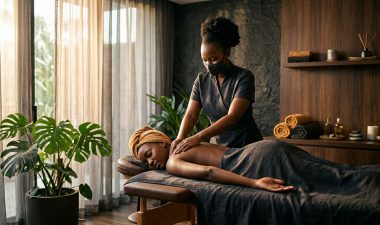
Respectful communication matters just as much. A calm voice, clear instructions, and simple check-ins help the guest feel informed without feeling pressured. When the therapist moves with care and gives the guest space to respond, the room feels safer right away.
Quiet movement adds to that feeling. Chairs that do not scrape, doors that close gently, and supplies kept within easy reach all reduce sudden noise. Those small habits create a room that feels thoughtful, not tense.
Guests relax more when they know their comfort comes first. They want to feel covered, protected, and treated with respect. That is why privacy is not an extra detail, it is part of the experience itself.
A few basics make a strong difference:
- Keep doors closed during treatment.
- Use curtains or partitions when needed.
- Maintain proper draping at all times.
- Speak clearly, but keep the tone soft and calm.
When those habits are consistent, the room feels dependable. For guests who value that kind of care, hygiene and privacy tips for Westlands spa visits gives a useful picture of what professional boundaries should look like.
Reducing outside noise and interruptions
Noise can break the mood fast. A ringing phone, footsteps in the hall, or a staff member opening the door at the wrong time can pull the guest out of rest in seconds. The room should protect calm from the first minute to the last.
Simple systems help a lot. Phones can stay on silent, front-desk staff can hold calls during sessions, and signs can remind others that treatment is in progress. If the room sits near a busy hallway or street, soft background music, closed windows, and thicker curtains can reduce the sharp edges of outside sound.
Staff movement should also stay controlled. Supplies should be gathered before the session begins, not during it. If something must be brought in, it should happen with care and minimal disruption.
One useful way to think about it is this: every interruption asks the guest to wake up a little. The fewer times that happens, the easier it is to stay relaxed.
A few habits help protect the atmosphere:
- Keep phones muted and away from treatment rooms.
- Prepare towels, oils, and tools before the guest enters.
- Use soft-close doors or close them gently by hand.
- Limit conversation in nearby spaces while sessions are underway.
The room should feel sheltered the whole way through. If the outside world stays outside, the guest can stay settled, present, and more willing to let go. That protected feeling is what turns a nice room into one that feels truly trustworthy.
How the therapist’s presence shapes the whole experience
A serene room matters, but the person in it matters just as much. The therapist’s voice, pace, posture, and attention can either calm the nervous system or keep it on edge.
When those cues feel steady and kind, the whole session softens. The guest does not just lie on the table, they feel held by the rhythm of the room and the person guiding it.
A calm voice and unhurried movements
A soft voice sets the tone before the first touch. When a therapist speaks at an even pace and keeps instructions simple, the room feels easier to settle into.
Unhurried movement matters just as much. Smooth steps, gentle towel adjustments, and careful transitions between techniques help the session feel composed, not busy.
That kind of presence gives the guest room to relax. There is no need to wonder if the therapist is rushed or distracted, because the body can read that calm through the pace of the work itself.
Small details make a real difference:
- A lowered voice keeps the room from feeling sharp.
- Slow, deliberate movements reduce tension in the space.
- Careful handling of linens and tools avoids sudden disruptions.
- A steady rhythm helps the guest sink into the moment.
A therapist who moves with ease creates trust without saying much at all. The room feels more Peaceful and Serene because the person in it brings that feeling into every action.
Calm touch starts before the hands make contact. It begins with how the therapist enters the room.
For guests who want a treatment style built around that kind of care, meet our professional massage therapists and see the people behind the experience.
Listening to the guest’s comfort level
Good massage work depends on communication that feels natural and respectful. Checking pressure, asking about preference, and paying attention to body language help the therapist adjust the session without making it feel clinical.
A guest should never feel stuck with a level of pressure that does not work for them. A quick check-in early on, then small follow-up questions during the massage, keeps the experience personal and gentle.
That respect also includes boundaries. Some guests want more silence, while others like a brief explanation before a technique changes. Some want lighter work on sore areas, while others prefer firmer pressure on the back or shoulders. Listening well makes space for all of that.
A simple approach often works best:
- Ask how the pressure feels at the start.
- Watch for signs of tension or discomfort.
- Adjust without making the guest repeat themselves.
- Respect any request for more space or less talking.
This kind of attention turns a standard massage into a tailored experience. It also helps the guest feel safe, because they know their comfort matters in real time.
A thoughtful therapist listens with the hands as much as the ears. That balance can make a session feel calmer and more personal, and research on massage therapy has linked the experience with relaxation and reduced anxiety in some clients, as noted in this scoping review on massage and relaxation.
Professional warmth that feels welcoming
Warmth in a massage room is not only about blankets or lighting. It also lives in the therapist’s attitude, especially in the way they greet, guide, and care for the guest.
Confidence helps the room feel stable. When a therapist moves with purpose and speaks clearly, the guest senses that the session is in capable hands. Kindness makes that confidence feel safe instead of stiff.
Respect is part of that warmth too. A therapist who honors privacy, keeps a calm expression, and avoids unnecessary chatter creates a space where the guest can breathe more freely. That kind of service feels human, not mechanical.
The best therapists make the room feel welcoming without crowding it. Their presence is steady, courteous, and attentive, which helps the whole space feel smoother and more restful.
A welcoming presence usually looks like this:
- Polite, calm greetings that help the guest settle in.
- Clear guidance so the guest knows what comes next.
- Respectful distance when quiet is needed.
- Attentive service that responds to small changes without fuss.
When the therapist brings this kind of warmth, the room feels complete. The setting may be soft and quiet, but it is the person giving the massage who ties everything together and turns comfort into trust.
Simple habits that keep the peaceful feeling strong all day
A calm massage room does not stay peaceful by accident. It stays that way because small habits keep resetting the mood, even when the day gets busy.
That matters for both guests and staff. A room that feels fresh at noon should still feel fresh at the end of the day, with the same soft welcome and the same sense of ease. The right routines make that possible without much effort.
Preparing the room before each session
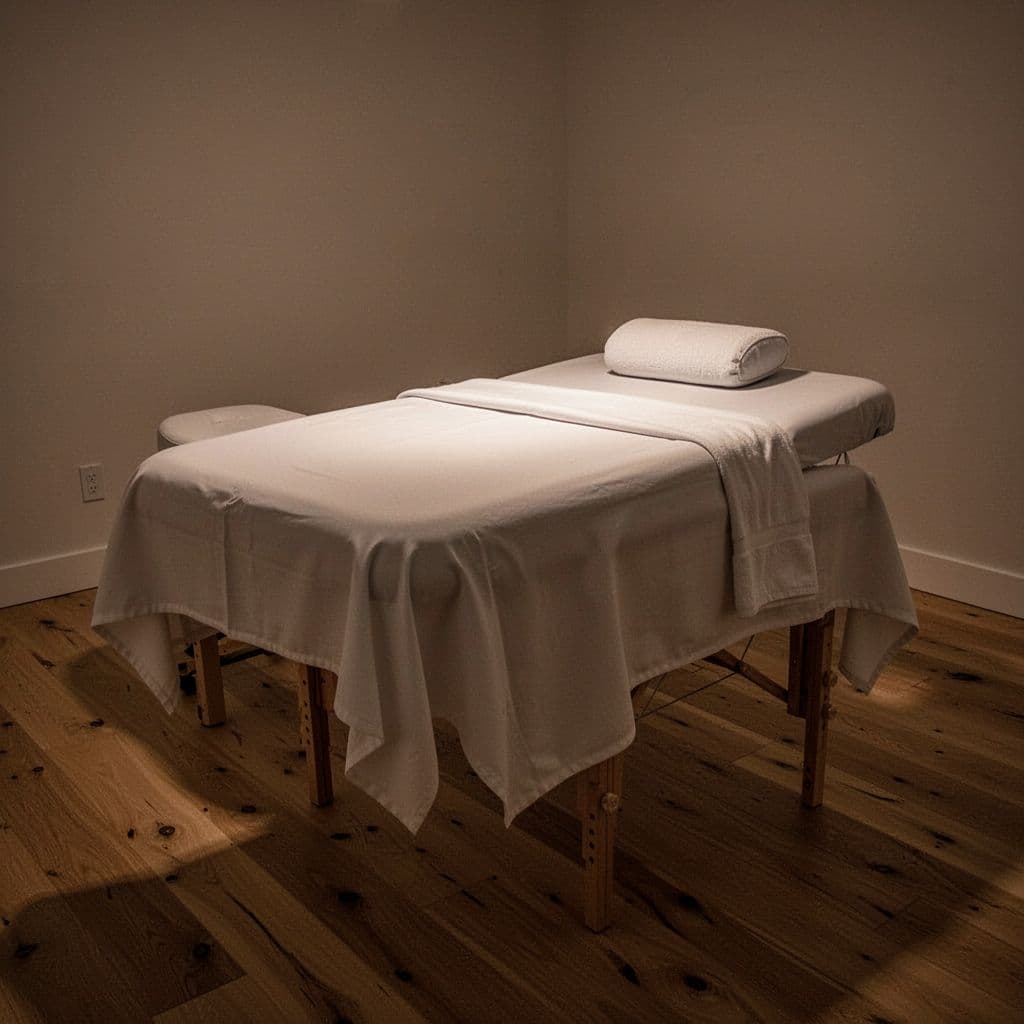
A fresh start before every guest helps protect the mood from one appointment to the next. Simple reset steps, like changing linens, straightening towels, and clearing away used items, stop old energy from carrying forward.
Lighting should get a quick check too. If the room feels too bright or too dim, the atmosphere changes fast, so adjust lamps, dimmers, or curtains before the next session begins. Temperature matters in the same way, because a room that feels too cool can make muscles tighten before touch even starts.
A short reset routine keeps the room steady:
- Replace linens and folded covers.
- Remove clutter from tables, shelves, and corners.
- Check the room temperature and airflow.
- Lower or soften the lighting.
- Add fresh towels, water, or supplies in their place.
These steps do more than keep the room neat. They help each guest walk into a space that feels ready, not leftover. That fresh start protects the calm feeling, especially during back-to-back bookings. For a broader look at room upkeep and hygiene, massage room cleaning guidance offers practical ideas for maintaining a clean treatment space.
Creating a consistent experience every time
Guests relax faster when the room feels familiar. Repeated routines give them that sense of ease, because they know what to expect from the moment they arrive.
Consistency shows up in small ways. The same scent level, the same music volume, the same folded blanket, and the same calm greeting all build a stable atmosphere. When the room behaves the same way each visit, the guest does not have to adjust or guess. They can settle in more easily.
That steady feeling also builds trust. A spa owner or therapist who follows the same service flow every time sends a clear message: the guest’s comfort is not random, it is planned. Even a simple habit, like placing towels in the same spot or checking pressure in the same moment, can make the experience feel smooth and dependable.
A familiar room feels a bit like a favorite chair. You do not need to think about it, you just sink in. Over time, that comfort becomes part of the brand. Guests remember how the space made them feel, and they come back for that same peaceful rhythm.
If you want that kind of consistency to start from the first message, reserve your massage session keeps booking simple and direct.
A calm room feels stronger when every visit follows the same quiet rhythm.
Listening to feedback and improving the space
Even a well-kept room can get better. Guest comments often point to the small things that matter most, and those details can shape a calmer experience for everyone who walks in next.
If someone says the music feels too loud, lower it. If a scent lingers longer than it should, adjust the diffuser or improve airflow. Small changes like these can shift the whole room without a major redesign. A softer playlist, cleaner scent control, or a better towel warmer can make the space feel more restful right away.
Feedback also helps during busy hours, when habits can slip. Maybe the room feels warm in the afternoon or clutter builds up near the door. Those are easy fixes once you notice them. The best spa rooms improve in small steps, not dramatic ones.
Keep a simple review routine at the end of the day:
- Read guest comments with care.
- Notice repeated concerns or requests.
- Adjust one detail at a time.
- Check whether the change improved the room the next day.
That kind of attention keeps the space honest and comfortable. It also shows guests that their comfort shapes the room they return to. For spa owners and therapists, that feedback loop is one of the easiest ways to protect a Peaceful and Serene feeling throughout the day.
Conclusion
A peaceful and serene massage room does more than set the scene. It shapes how the body settles, how the mind lets go, and how the whole session feels from the first breath to the last.
When quiet, comfort, cleanliness, and sensory balance work together, the room supports the massage instead of distracting from it. That thoughtful care is what turns a simple appointment into a rest that feels real and lasting.
For guests who want that same calm from start to finish, soothing massage therapy sessions matter as much as the treatment itself. The setting is part of the experience, and in the best rooms, it is one of the reasons the body relaxes at all.