
Hot Stone Massage: What to Expect, Benefits, and Safety
A Hot Stone Massage wraps you in steady warmth, soft pressure, and a calm that settles in fast. The heat helps tight muscles ease up, while the touch feels gentle enough to relax your body without pushing too hard.
If you’ve been carrying stress in your shoulders, back, or legs, this treatment can feel like a welcome reset. It also gives first-time spa clients a simple way to enjoy massage without wondering what to expect, since the pace is slow and the experience is easy to follow.
The warmth matters as much as the massage itself, because it helps the body let go sooner.
If you’re curious about what happens during a session, how it may help sore muscles, or whether it’s the right fit for you, the guide below walks through it in plain language. You can also explore our professional massage services and view our massage pricing and packages if you’re ready to plan a visit.
Hot Stone Massage, explained in simple terms
Hot stone massage is a gentle style of massage that uses smooth, heated stones to help your body loosen up. The stones are usually placed on key areas like the back, shoulders, hands, or legs, and the therapist may also hold a stone while moving over sore or tense spots.
The heat does a lot of the work. It helps muscles soften, so pressure feels easier to take and the whole session feels calmer. For many people, that warm weight on the skin feels steady and grounding, almost like a quiet pause button for the body.
What the stones are and why heat matters
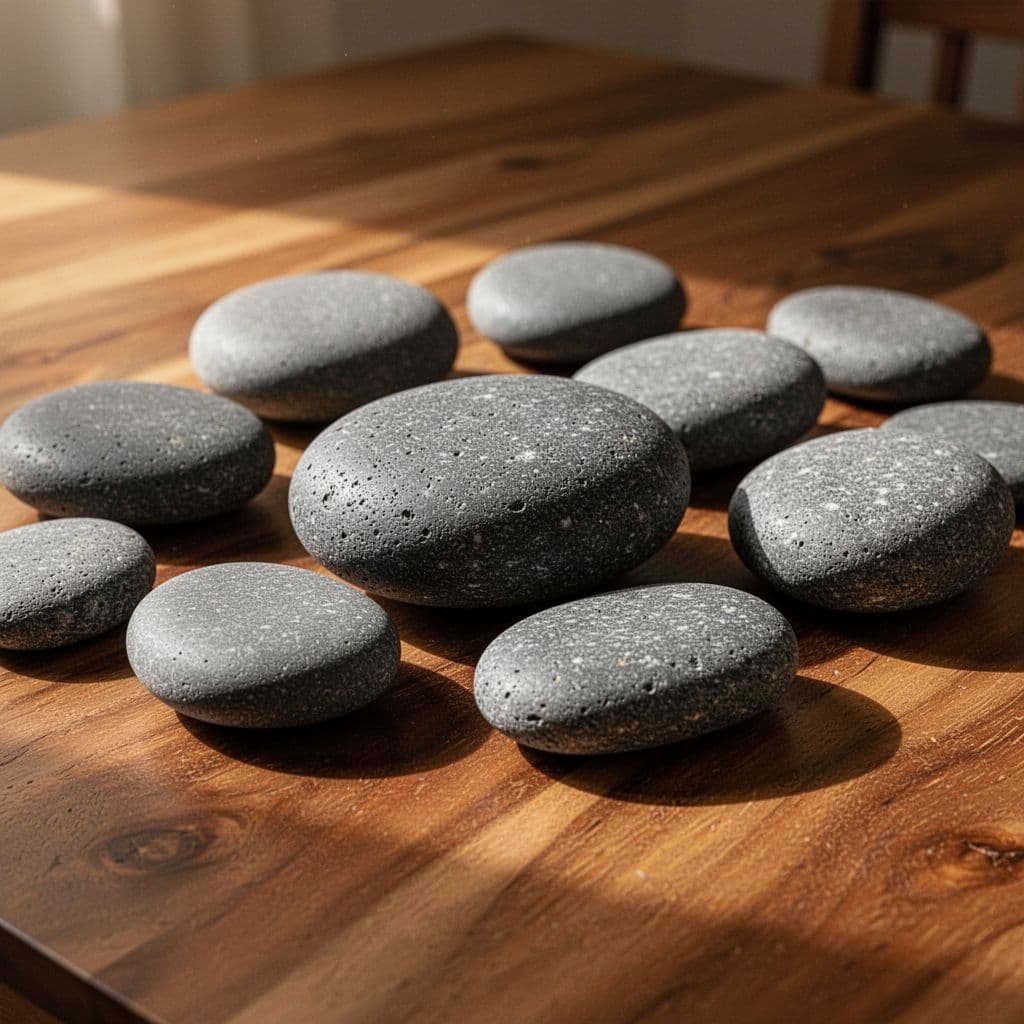
The stones used for this massage are usually smooth basalt stones. Basalt is a dense volcanic rock, and that matters because it holds heat well without cooling off too quickly. The stones are polished so they feel comfortable against the skin, not rough or sharp.
Therapists warm the stones before the session, then use them in a controlled way. Some stay still on the body, while others move with the hands to ease tight areas. The warmth helps the muscles relax first, which can make the massage feel softer and less intense than a standard hands-only treatment.
That heat also changes how touch feels. Pressure that might feel firm on a cold muscle can feel much gentler once the area is warmed. In other words, the stones prepare the body before the therapist even begins to work deeper into the tissue.
Warmth is the first step in the experience, because relaxed muscles usually respond better to touch.
For a simple overview of how warmth and touch work together in massage, WebMD’s hot stone massage guide gives a clear summary of the basics.
How a session is different from other massage styles
Hot stone massage feels different from Swedish massage, deep tissue massage, and many other spa treatments because it blends heat and touch instead of relying on pressure alone. Swedish massage usually uses long, flowing strokes with the therapist’s hands. Deep tissue massage goes after stubborn tension with firmer pressure and slower work.
Hot stone massage sits in a softer middle ground. It still eases sore spots, but it does so with warmth first, which makes the body more willing to relax. If deep tissue feels like a strong workout for tight muscles, hot stone massage feels more like letting those muscles unwind in a heated blanket.
Other spa treatments can focus on one part of the body or one type of sensation. A foot massage stays local. A scalp treatment stays light and focused. Hot stone massage is broader, because the warmth can travel across larger muscle groups and create a full-body sense of ease.
That difference matters if you want comfort more than intensity. It suits people who like a slower pace, steady pressure, and a treatment that feels soothing from start to finish.
For a comparison of the benefits and tradeoffs of this style, Healthline’s hot stone massage overview explains how the treatment may help with stress, pain, and muscle tension.
A hot stone session is often a good fit when your body feels tight, but you don’t want a hard, heavy massage. The heat does part of the relaxing for you, and the therapist uses that softness to make the rest of the treatment feel smooth and calm.
What happens during a hot stone massage session
A hot stone massage feels simple once you know the flow. You arrive, settle in, talk through a few basics, and then the warmth starts to do its work. The pace stays slow and unhurried, which helps the body relax before the first stone even touches the skin.
The session usually follows a clear rhythm. First comes the check-in, then the placement and movement of the stones, then the quiet finish where your body gets a chance to settle. That steady order is part of what makes the treatment feel so soothing.
Before the massage begins
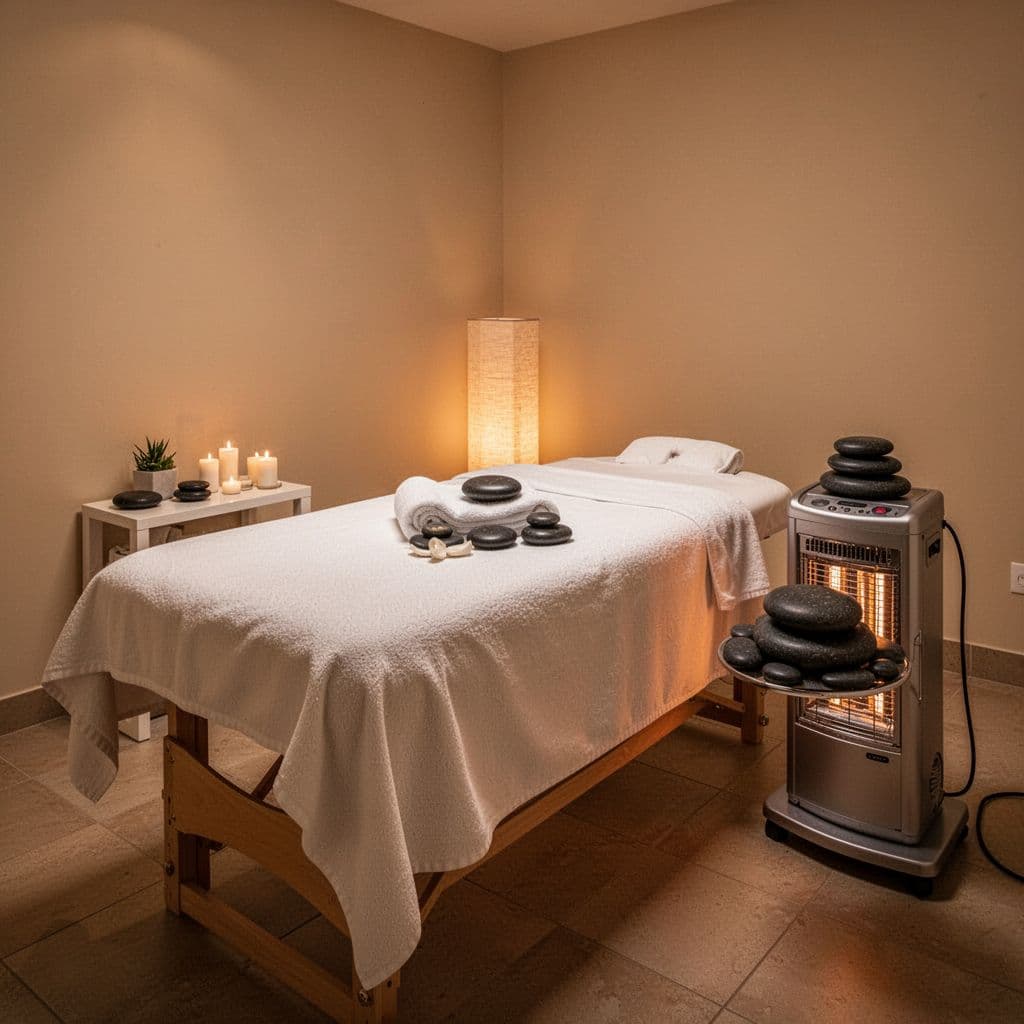
The session starts with a brief consultation. Your therapist usually asks about your comfort level, areas of tension, and how much pressure you want. This is the moment to speak up if something feels off, because small details matter here.
Be direct about any pain, skin sensitivity, pregnancy, recent injuries, or medical issues. If you have a condition that changes how heat feels on your body, say so before the massage starts. The right conversation at the start helps the therapist adjust the session so it feels safe and comfortable.
You may also be asked about your goals for the appointment. Some people want stress relief, while others want help with stiff shoulders or a tired back. That short talk sets the tone and helps the therapist decide where the stones will be used and how much pressure to apply.
If you want a better sense of the setting before you book, you can also review the spa’s massage options and choose the style that fits your comfort level.
How the stones are used on the body
Once you’re settled on the table, the therapist warms smooth stones and brings them into the room one by one. Some stones are placed along the back, shoulders, hands, feet, or legs, depending on what your body needs. Others may be held in the therapist’s hand and glided across the skin with massage oil.
That oil matters because it helps the stones move without tugging the skin. The motion is steady and fluid, almost like a warm stream passing over tight muscles. The stones do not rush across the body. Instead, they move with control, so the heat has time to settle in.
A therapist may leave a few stones in place for a short stretch, then pick them up and use them to massage wider areas. This mix of stillness and movement is what gives hot stone massage its signature feel. The heat softens the muscles, and the gliding strokes follow that warmth instead of fighting against it.
The stones should feel warm and comforting, never hot enough to sting or burn.
The therapist keeps checking in, especially if the stones are used on sensitive spots. If the temperature feels too strong, speak up right away. A good session adjusts to your body, not the other way around.
What it feels like from start to finish
The first sensation is often the most memorable. Warm stones touch the skin, and the heat spreads in a slow wave. After that, the massage may switch between light pressure, smooth strokes, and moments where the stones rest in place.
That contrast is part of the appeal. The warm weight of the stones feels grounding, while the massage strokes loosen the tissue underneath. As the session continues, the room often feels even quieter, and your breathing may slow without you trying. The whole experience can feel like your body is exhaling after a long day.
Most people describe the mood as calm, quiet, and deeply restful. You may drift in and out of that half-awake state where you still hear the room, but your body feels far away from stress. The warmth can make the muscles feel softer, and the regular rhythm of the therapist’s hands helps keep that relaxed feeling in place.
Hot stone massage is usually not a fast or intense treatment. It moves at an easy pace, with enough time for the heat to sink in before the next stroke begins. That slower pace is what makes it feel so different from a more forceful massage.
For a broader look at how the treatment works, WebMD’s hot stone massage guide gives a clear overview of the basics.
After the session ends
When the massage ends, the therapist usually removes the stones, gives you a moment to rest, and lets you get up slowly. Many people feel loose, sleepy, or pleasantly warm. Some also notice that their muscles feel lighter, as if a tight layer has been peeled away.
That softer after-feel is normal. Your body has spent the last part of the session responding to heat, pressure, and stillness, so it may need a few minutes to fully reset. Sitting up too quickly can feel jarring, especially if you were close to falling asleep.
Simple aftercare helps the benefits last longer:
- Drink water to stay hydrated after the heat.
- Move slowly when you stand or leave the table.
- Give your body time to settle before jumping into a busy schedule.
If you want to understand how the treatment may support stress relief and muscle comfort, Healthline’s hot stone massage overview explains the common benefits in plain language.
After the appointment, the best thing you can do is keep the rest of the day gentle. The warmth often stays with you for a while, and that lingering ease is part of what makes the experience feel so restorative.
Why people choose hot stone massage for relief and relaxation
Hot stone massage stays popular because it feels comforting in a way many treatments do not. The heat softens tense areas, the pressure stays gentle, and the pace gives the body time to settle. For people who carry stress in their shoulders, neck, or lower back, that combination can feel like a small but welcome reset.
The appeal is practical. You are not chasing a dramatic fix, you are giving tight muscles a better chance to let go. At the same time, the quiet room, steady touch, and warm stones create the kind of calm that busy schedules rarely allow.
Support for tight muscles and everyday tension
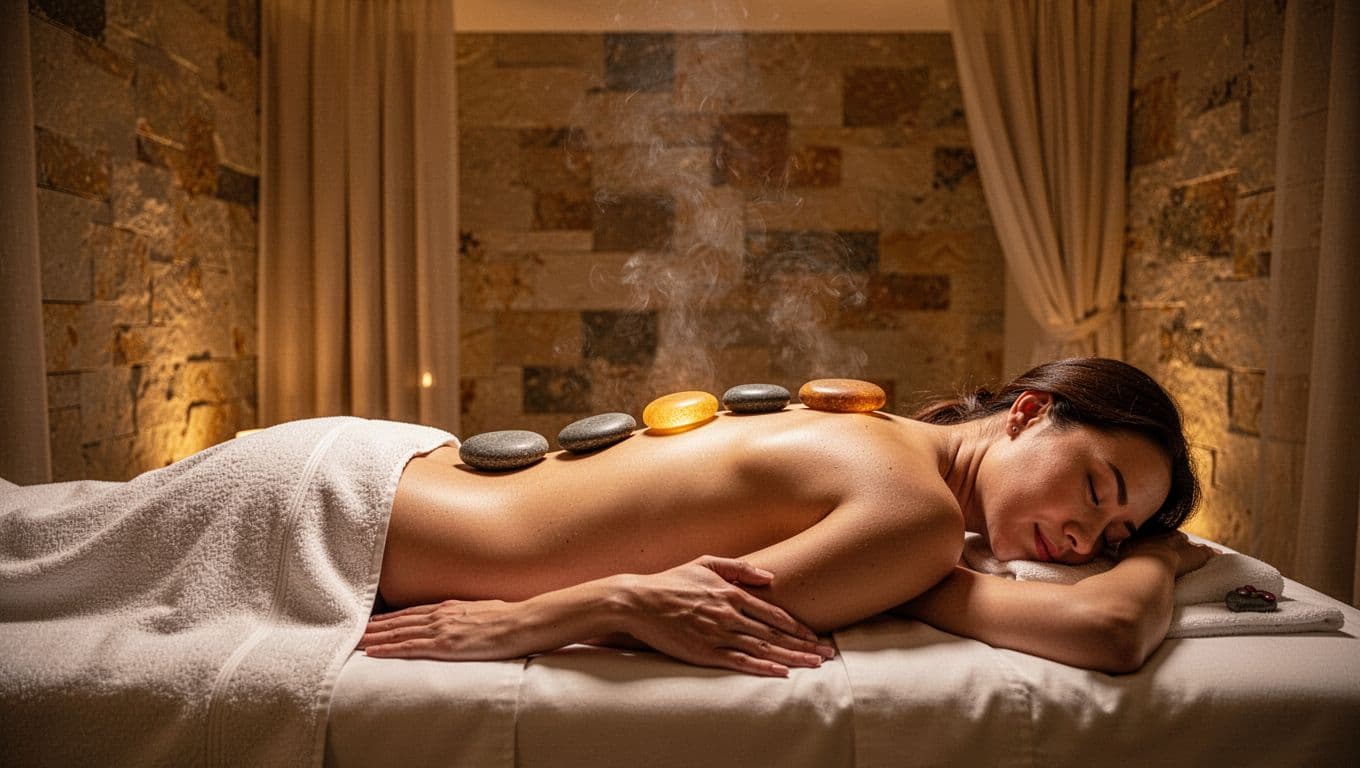
Heat helps tense muscles feel softer before the therapist even applies much pressure. That matters if you spend hours at a desk, drive long distances, or hold stress in your upper back. Warmth encourages the tissue to relax, so the hands and stones can move more smoothly across areas that usually feel guarded.
For many people, the biggest relief comes in common trouble spots like the neck, shoulders, and lower back. Those areas often tighten from posture, stress, or repetitive movement. When the muscles are warmed first, they may respond better to massage and feel less resistant to touch.
That is part of why hot stone massage feels so useful for everyday tension. The stones do not force the body to relax. They invite it. The result often feels like a firm knot slowly loosening after being held too long.
A few benefits people often notice include:
- Less stiffness in the upper body after sitting or standing too long
- Easier movement during the session, especially in tight areas
- A softer feel in muscles that usually stay braced
- Less strain from pressure, since heat does part of the work
The experience can also feel kinder than a more intense massage. If your muscles are already sore or sensitive, warmth can make the treatment feel more manageable. For many people, that balance is the reason they choose it over firmer bodywork.
Heat does not replace good technique, but it can make massage feel easier on tight, tired muscles.
For readers who want a broader look at how hot stone massage may help with tension and pain, Healthline’s hot stone massage overview gives a clear, easy-to-read summary.
A calmer mind and a slower pace
Hot stone massage is not only about the body. It also changes the tempo of the room. The warm stones, soft lighting, and steady rhythm of the session help the mind stop sprinting for a while. That alone can feel like relief.
When you lie still and feel warmth spreading across your back or legs, your attention usually shifts away from texts, deadlines, and errands. Breathing slows. The room gets quieter. The mind has less to grab onto, so it starts to settle.
That is why many people see this treatment as a reset for a full schedule. It gives you a rare stretch of time with no screen, no noise, and no rush. Even a short session can feel like pressing pause on a very full day.
The mental side often shows up in simple ways:
- You feel less rushed when you first settle onto the table.
- You breathe more evenly once the stones warm your muscles.
- You stop holding so much tension in your jaw and shoulders.
- You leave with a calmer pace that can last beyond the appointment.
The stillness matters as much as the massage itself. The body gets warm, the room stays quiet, and the mind gets a break from constant input. That combination can feel surprisingly restorative, especially if your days move too fast.
Hot stone massage also works well for people who want relaxation without a lot of talking or a strong, intense treatment. The experience is gentle, but it still feels intentional. You are not just resting, you are giving your nervous system a chance to slow down.
Who may enjoy it the most
Hot stone massage tends to appeal to people who want comfort, warmth, and a softer touch. If you like massage but do not want heavy pressure, this style may fit you well. The heat does part of the relaxing, so the therapist can keep the session smooth and calming.
It often suits people who:
- Prefer gentle pressure over deep, forceful work
- Feel stressed, overbooked, or mentally tired
- Carry tightness in the neck, shoulders, or back
- Enjoy heat during spa treatments
- Want a quiet session that feels soothing from start to finish
People new to massage often like it too. The warmth makes the treatment feel easy to understand and less intimidating than something more intense. Instead of bracing for strong pressure, you can settle into the warmth and let the session unfold at a slower pace.
It can also be a good choice for anyone who simply enjoys being warm. Some people respond best when their body feels wrapped in heat, almost like a weighted blanket with movement. In that case, the stones become part of the comfort, not just a tool for muscle work.
Still, preferences matter. If you like very firm pressure or need focused deep work, another massage style may suit you better. Hot stone massage is popular because it offers a softer path to relief, and for many people, that is exactly what makes it worth booking.
Safety, comfort, and when hot stone massage is not a good fit
Hot stone massage should feel warm, steady, and easy to relax into. The heat is there to soothe tired muscles, not to test your tolerance. If you ever feel unsure, the safest move is simple, speak up early and ask for an adjustment.
A good session stays in the comfort zone. That means the stones feel pleasant on the skin, the pressure feels manageable, and your body can settle instead of bracing. Some people need a lighter touch or a different kind of massage altogether, especially when health concerns make heat a poor match.
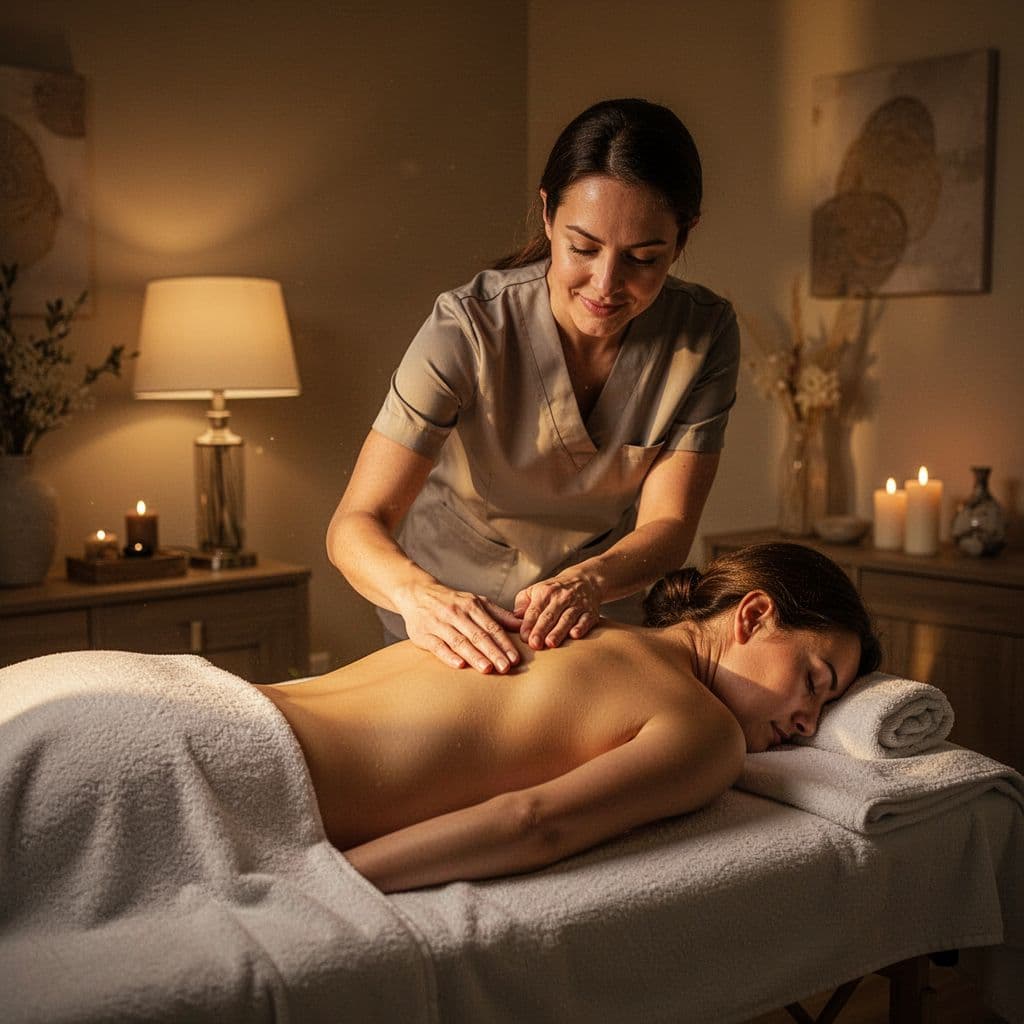
How to know if the stones are too hot
Warmth should feel comforting, like a heated towel on a sore shoulder. It should spread softly and ease tension without making you pull away. If the stones feel sharp, painful, or hard to ignore, the temperature is too high.
Pay attention to simple warning signs. Burning, stinging, prickling, or numbness are all signals to say something right away. So is a sudden urge to flinch, tense up, or move away from the stone. Your skin may also feel too red or overly hot after contact.
A small change can make a big difference. Ask the therapist to cool the stones, add more layers between the skin and the stone, or keep the stones moving instead of resting in one spot. Comfort should never be a guess.
If the heat makes you hold your breath, it’s too much.
You do not need to wait until it becomes painful. Speak up at the first sign that something feels off. A quick adjustment keeps the session calm and protects your skin.
Health situations that need extra caution
Some people can still enjoy hot stone massage, but only with care and the right modifications. Others should check with a doctor first, because heat can change how the body responds during a session.
Use extra caution if you have:
- Pregnancy, especially if your doctor has given you any limits on massage or heat
- Skin sensitivity or fragile skin, since heat may irritate or overwhelm certain areas
- Nerve issues or numbness, because reduced feeling can make it harder to notice excessive heat
- Circulation concerns, including conditions that affect blood flow
- Diabetes, especially if you have neuropathy or slower skin healing
- Recent injury, swelling, or inflammation, since heat may not be the right choice
- Fever, infection, or a skin rash, which can make massage a poor fit for now
- Blood pressure or heart-related concerns, where heat and relaxation may need medical clearance first
If you want a plain-language look at common massage precautions, the Cleveland Clinic’s massage therapy overview is a helpful place to start. For hot stone-specific limits, MassageBook’s contraindications guide lists conditions that call for extra caution.
The key point is simple. If your body already has a condition that affects sensation, circulation, or skin health, ask before booking. A therapist can often adjust the service, but some situations call for medical advice first.
How to talk to your therapist before and during the session
Good communication makes the whole experience safer and more relaxing. Start by sharing your preferences before the session begins. If you like lighter pressure, want less heat, or have a sensitive area, say it upfront.
Ask questions if you need to. You can ask how the stones are heated, how often they check the temperature, and whether they can adjust the treatment if you feel too warm. A clear answer should leave you feeling informed, not awkward.
During the massage, keep your feedback simple and direct. Say things like:
- “The stones feel a little too hot.”
- “Can you use lighter pressure here?”
- “This area is sensitive.”
- “I need a short break.”
That kind of feedback helps the therapist respond quickly. It also keeps the session centered on your comfort, which is part of good massage, not an interruption to it.
If something feels off, don’t wait and hope it improves. Hot stone massage should feel smooth and safe from start to finish. A therapist who welcomes feedback is usually the one who will give you the best experience.
When you know your limits, speak clearly, and check in early, the treatment becomes much easier to enjoy. That is the real goal, warm muscles, calm breathing, and a session that fits your body well.
How to get the most from your hot stone massage experience
A little preparation can make a hot stone massage feel smoother, calmer, and more effective. You do not need a long checklist. Small choices, like when you eat, what you wear, and how quickly you arrive, can change how easily your body settles into the treatment.
The goal is simple, give your body a clean runway into the session, then let the warmth do its work. If you want to set up a visit, you can book a massage appointment once you’re ready.
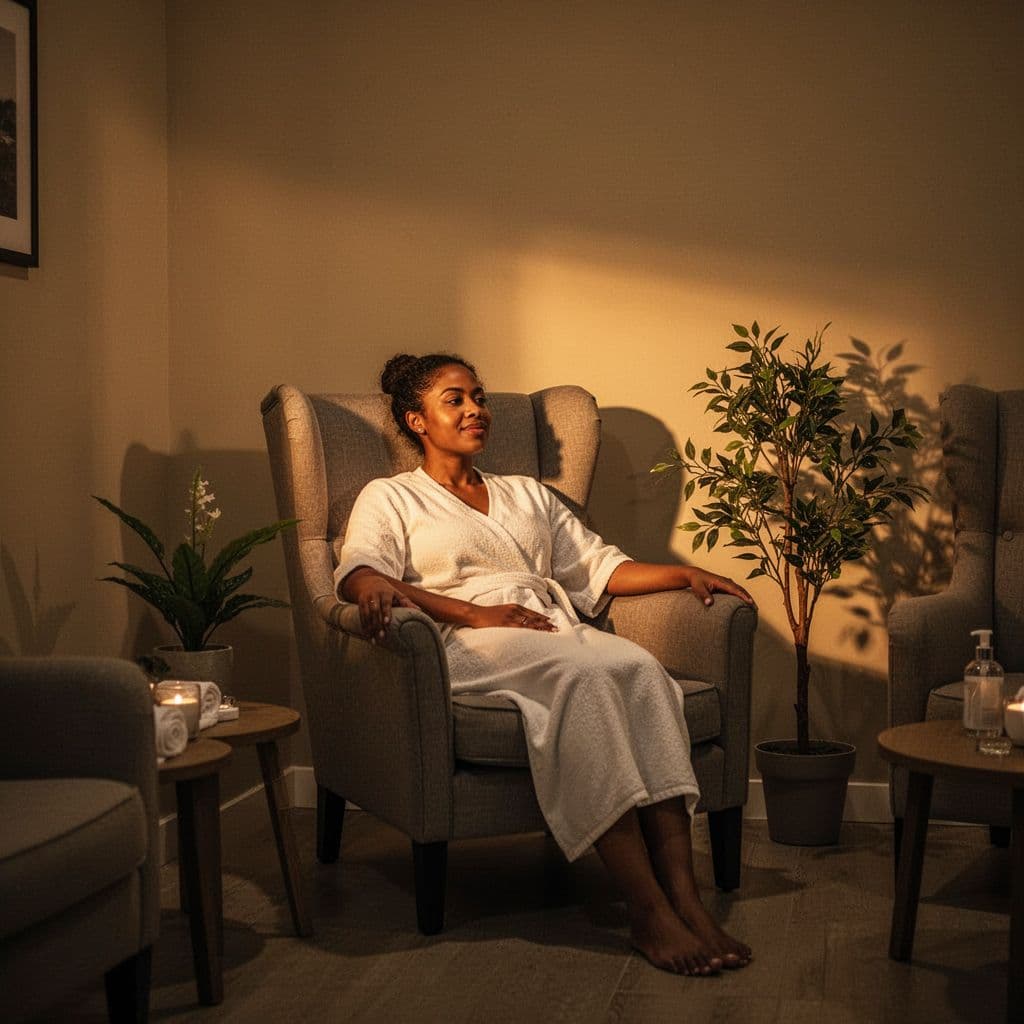
What to do before you arrive
Plan to arrive a few minutes early. That extra cushion gives you time to check in, breathe, and shift out of the day’s noise. Rushing in late can leave your shoulders tight before the first stone even touches your skin.
Wear something comfortable and easy to change out of. Loose clothes are best, since you may feel warmer than usual after the session. If you usually wear jewelry, leave it at home or keep it simple so nothing gets in the way.
Keep your meal light beforehand. A heavy lunch can make it harder to relax, especially when you’re lying still on the table. A light snack is fine if you’re hungry, but give your body some time to digest first. As Stark State College’s massage tips notes, it helps to avoid eating right before a massage session.
A calm arrival often leads to a calmer massage.
If possible, avoid coming straight from a stressful task. Give yourself a short buffer between the appointment and whatever came before it. Even five minutes of quiet in the car can help your body switch gears.
How to relax during the treatment
Once the session begins, let your breathing slow down. Long, easy breaths help your body settle and make the warmth feel more natural. If you catch yourself holding your breath, loosen your jaw and start again.
You do not need to keep talking. A few words at the start are enough, then let the therapist guide the pace. Too much conversation can keep your mind busy when the real goal is rest.
The stones often feel best when you stop trying to control every moment. Relax into the heat, and let it spread across the muscles. That warmth is part of the treatment, and it often works better when you stop bracing against it.
A few small habits help:
- Breathe slowly through your nose when the stones first touch your skin.
- Keep your hands soft instead of gripping the table.
- Speak up if the pressure or heat changes.
- Let your thoughts pass without chasing them.
That quiet surrender can feel like a door opening. The body softens, the room feels stiller, and the massage becomes more than pressure on the skin.
Simple aftercare that helps the benefits last
After the session, drink water. Heat, massage, and relaxation can leave you feeling a little depleted, and hydration helps you recover comfortably. You do not need anything fancy, just a glass or two over the next few hours.
If you feel sleepy or loose, rest a bit. That is normal, especially after a long day or a first hot stone massage. Give yourself a slower pace if you can, even if that means skipping a busy errand or taking it easy at home.
Later in the day, notice how your body feels. Do your shoulders stay soft? Does your neck move more easily? Paying attention helps you understand what worked well, and it makes your next session easier to plan.
A few simple aftercare habits go a long way:
- Drink water after the massage and keep sipping through the day.
- Move gently instead of jumping back into a rush.
- Notice any lingering tension, warmth, or soreness.
- Keep the evening calm if your body still feels tired.
If you want to read a plain-language overview of post-massage care, Viva Day Spa’s guide to before and after massage is a useful reference. The more you protect that calm afterward, the longer the benefits tend to last.
A hot stone massage works best when you arrive unhurried, stay relaxed on the table, and give your body a little care afterward. Those small choices keep the experience smooth from start to finish.
Conclusion
Hot stone massage brings together heat, steady pressure, and a slower pace in a way that feels easy on the body. It can help loosen tight muscles, soften stress, and give your mind a break from the noise of the day.
The strongest reason people return to this treatment is simple, it feels restorative without being harsh. When the stones are warmed well and the session is handled with care, the result is a calm, full-body release that many people remember long after they leave the table.
Safety still matters. A good experience depends on clear communication, honest feedback, and a therapist who adjusts the heat and pressure to fit your comfort. If you are considering a spa visit, choose a trusted therapist or spa that listens closely and treats your comfort as part of the service.
If you want a massage that feels warm, quiet, and steady, Hot Stone Massage may be the right fit for you.