
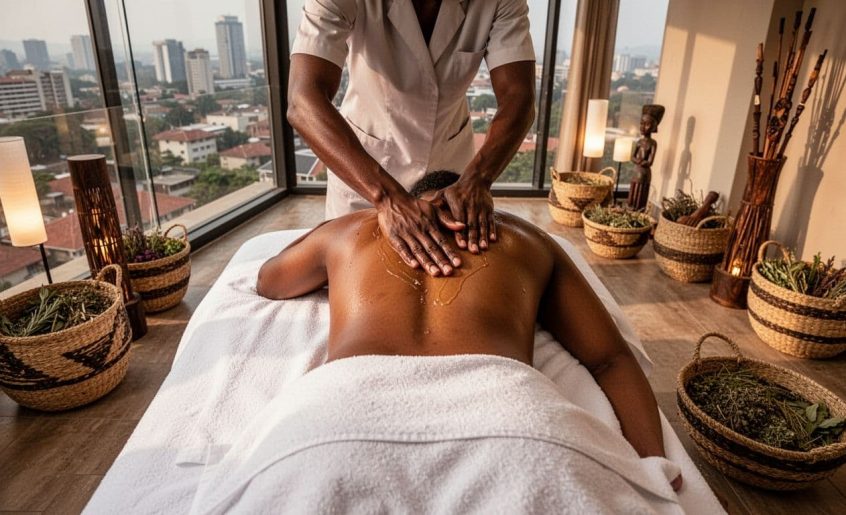
Full Body Massage: Benefits, What to Expect, and More
A full body massage can feel like a long exhale after a heavy day. As the pressure eases tight shoulders, sore legs, and a tense back, your mind starts to slow down too.
It’s a simple way to help stress soften, improve sleep, and leave your body feeling lighter. In a calm spa setting, that effect goes even further, which is why many people in Kilimani look for a quiet place like Aroma Spa when they want more than a quick fix. Before you book, it helps to know what the session feels like and what benefits you can expect, so the next section gets into that.
What a Full Body Massage Really Is
A full body massage covers more than one sore spot. It moves through the body in a calm, deliberate order, easing tension where it builds up most and helping the rest of the body settle too.
At Aroma Spa in Kilimani, that matters because a good session feels complete, not rushed. The pressure changes with each area, and the pace stays smooth so your body can unwind without feeling jolted.
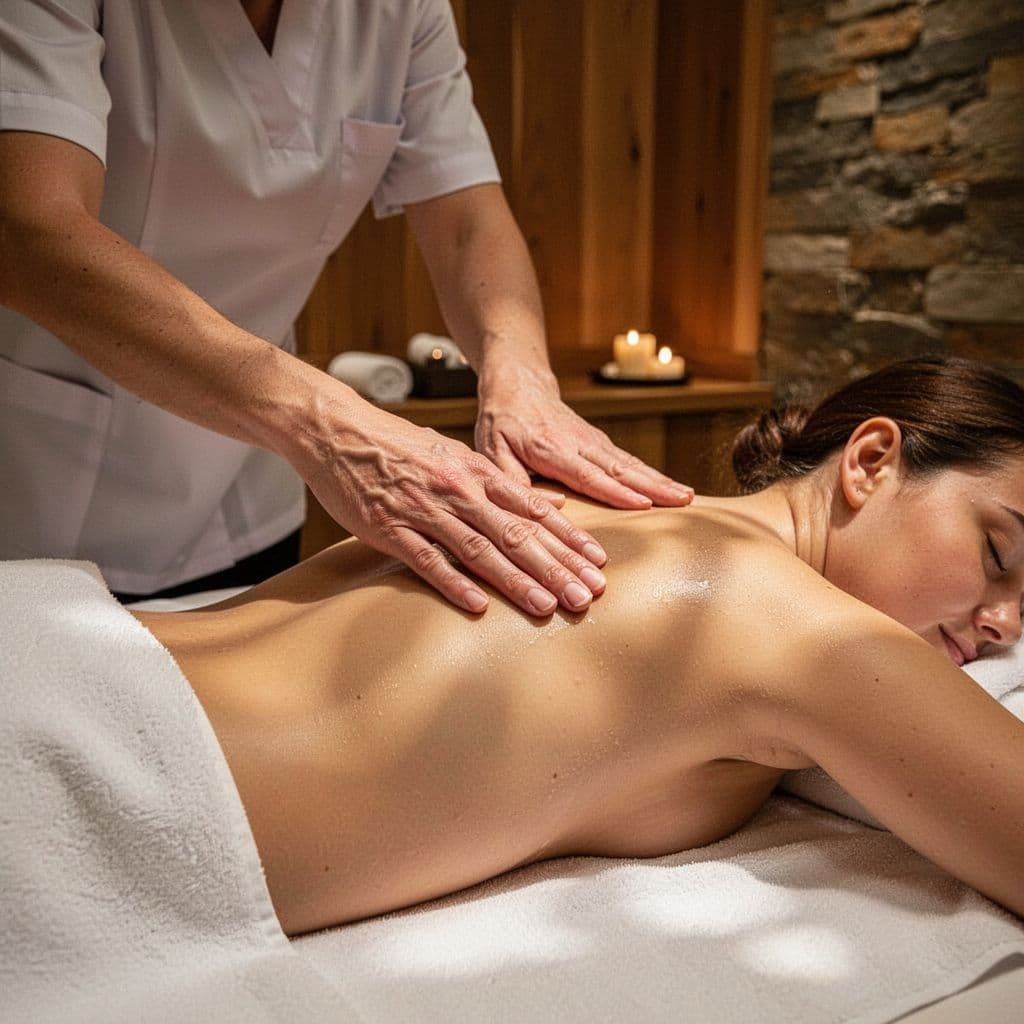
The main areas a therapist usually works on
A typical session starts with the back and shoulders, since those areas hold a lot of daily stress. Long hours at a desk, driving, and even phone use can load the upper back with tension, so loosening that area often brings fast relief.
Next comes the neck, which usually carries tightness from stress and posture. After that, a therapist may work on the arms and hands, especially if you type, lift, or repeat the same motions all day.
The lower back gets close attention too, because it supports the whole body and often feels tight when stress builds. From there, the session usually moves to the legs and feet, which help the body feel grounded again. That lower-body work can make the whole massage feel more complete, almost like the body is being reset from the ground up.
Some sessions also include the head and scalp, which can soften mental tension and make it easier to relax fully. According to Mayo Clinic Health System, massage may also support better sleep and less muscle stiffness, which fits the way these areas connect.
A full body massage often feels best when each area gets enough time, not just a quick pass.
How it differs from a partial or targeted massage
A partial massage focuses on one problem area, such as the neck, lower back, or shoulders. That can help when one spot is especially tight, but it keeps the treatment narrow.
A full body massage takes a wider view. By working through several muscle groups, the therapist helps the body relax in a more even way, so one tense area does not stay on high alert while another gets ignored.
That broader approach also feels more balanced for stress relief. When the back, legs, arms, and neck all get attention, the body often settles faster and stays relaxed longer. In a place like Aroma Spa, that full-body rhythm is part of what makes the experience feel special in Kilimani.
The biggest benefits people notice after a session
A good Full Body Massage does more than relax tired muscles. It changes the way the whole body feels once the session ends. Many people notice a lighter mood, softer muscles, and a calmer pace in their thoughts.
That is part of why a session at Aroma Spa in Kilimani feels memorable. The setting matters. So does the rhythm of the massage, the pressure, and the quiet that follows after you get off the table.
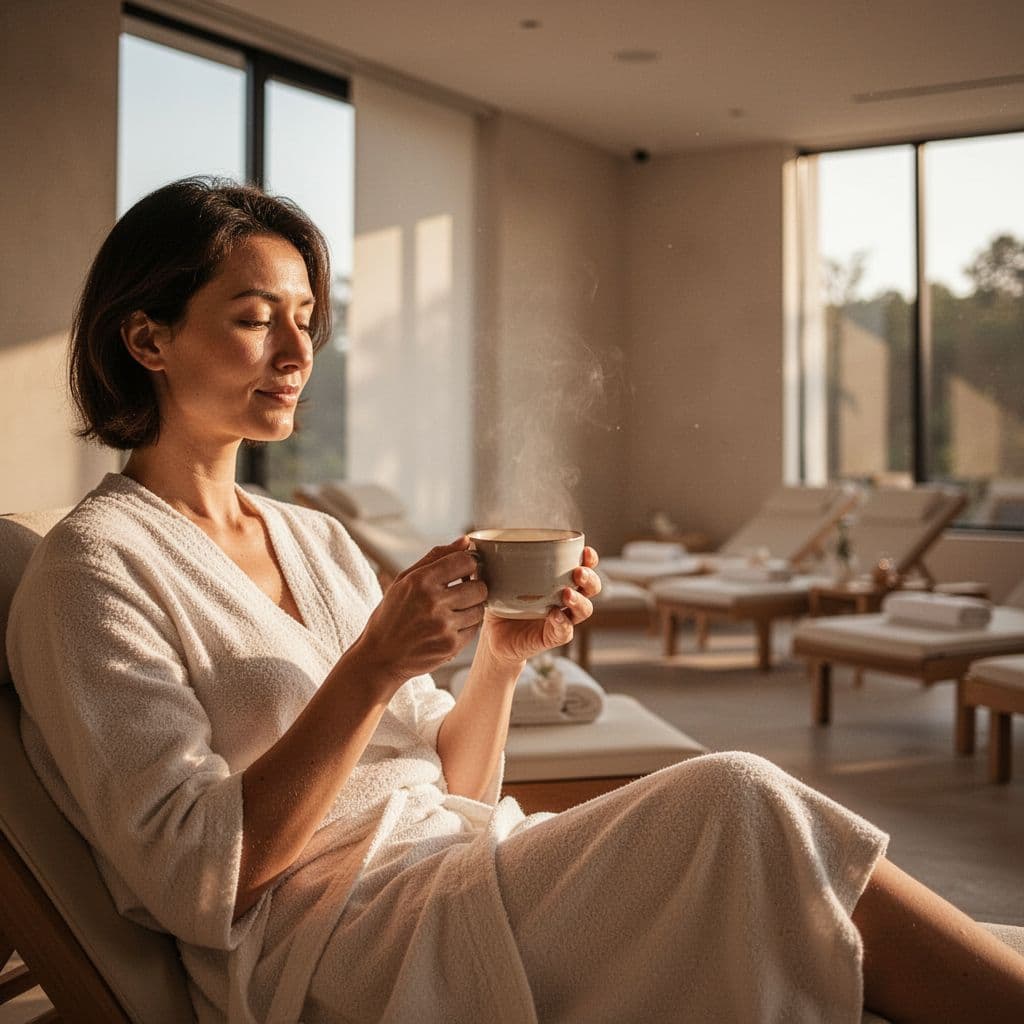
Less stress and a calmer mind
Massage helps the body move out of tension mode and into rest mode. Breathing slows down, the jaw loosens, and the shoulders stop holding everything so tightly. That shift can feel like a busy room going quiet all at once.
Many people leave a session feeling lighter in the head and less overloaded. The constant mental chatter often fades, at least for a while, and that break can feel just as valuable as the physical relief. According to the Mayo Clinic Health System, massage therapy may also support stress relief and better sleep, which fits the calm people often notice right away.
The first change is often not dramatic. It’s a slow, clear sense that the body has stopped bracing itself.
Looser muscles and less everyday soreness
A Full Body Massage also helps when muscles feel tight from work, workouts, or too much sitting. Stiff shoulders from a laptop, an aching lower back after a long commute, or tight calves after a heavy week can all ease up once the pressure starts to move through them.
That relief matters because tight muscles can make the rest of the body feel guarded. Once they loosen, movement feels smoother, and even simple actions like standing, walking, or turning your neck can feel easier. Regular massage is often linked with less stiffness and better mobility, which is why people return when soreness keeps building up.
Common spots people notice right away include:
- Shoulders that feel packed with desk-day tension
- Lower back discomfort after sitting too long
- Calves and feet that feel heavy or tight
- Neck muscles that stay stiff from stress or poor posture
At Aroma Spa, this is where the experience often stands out in Kilimani. The care feels focused, not rushed, so the body gets time to settle instead of just being treated in pieces.
Better sleep, better mood, and a refreshed feeling
The calm after a massage often carries into the night. When the body stays relaxed, it becomes easier to drift off, stay asleep, and wake up without that heavy, dragged-down feeling. That is why many people book a session before a demanding week or after days of poor rest.
The next day can feel different too. People often say they feel more patient, more balanced, and less likely to snap at small things. In other words, the massage does not just help in the moment, it can shape the rest of the day with a steadier mood.
A lot of the benefit comes down to this simple pattern:
- The body relaxes.
- The mind follows.
- Sleep gets easier.
- The next day feels more manageable.
That refreshed feeling is part of what makes a Full Body Massage worth repeating. It leaves room for the body to recover, and it gives the mind a break that lasts beyond the treatment room.
What happens during a full body massage at a spa
A full body massage usually follows a calm, simple flow. You talk with the therapist first, settle into the room, and then let the treatment build gradually across the body. The pace stays steady, so your muscles have time to soften instead of tightening up again.
At a spa like Aroma Spa in Kilimani, that rhythm matters. The setting is part of the experience, and the service menu is designed to give you options that match your needs, whether you want gentle relaxation or a more focused treatment. You can also explore our massage spa services if you want to compare what fits best before you book.
Before the massage starts
The session usually begins with a short consultation. The therapist asks about your pressure preference, any sore spots, and any areas you want them to avoid. If you have an injury, sensitive skin, or a spot that needs extra care, this is the time to say it clearly.
That conversation also helps set the tone for comfort and privacy. You can undress to your comfort level, and you’ll be covered with a sheet or towel during the massage. The room is kept quiet and warm, so you can settle in without feeling rushed.
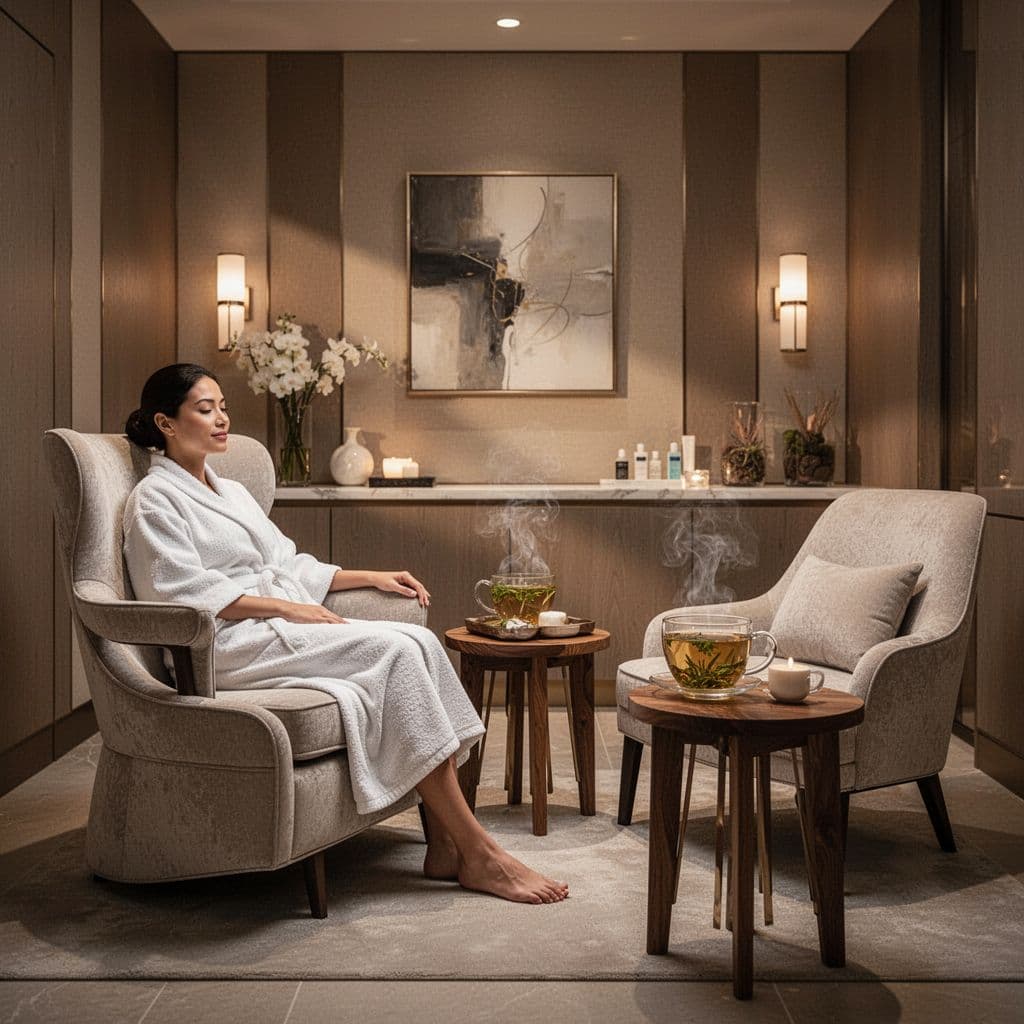
A good therapist also checks in on pressure before starting. That small step makes a big difference, because a massage should feel comfortable, not like a test of endurance. As the American Massage Therapy Association notes, the therapist will usually ask about your condition and comfort before the session begins.
Clear communication at the start keeps the whole massage smoother.
What the treatment room and techniques may include
Once the massage begins, the room usually feels soft and still. You may notice dim lighting, quiet music, warm oils, clean towels, and the steady rhythm of the therapist’s hands. Small details matter here, because they help your body stop bracing for the next thing.
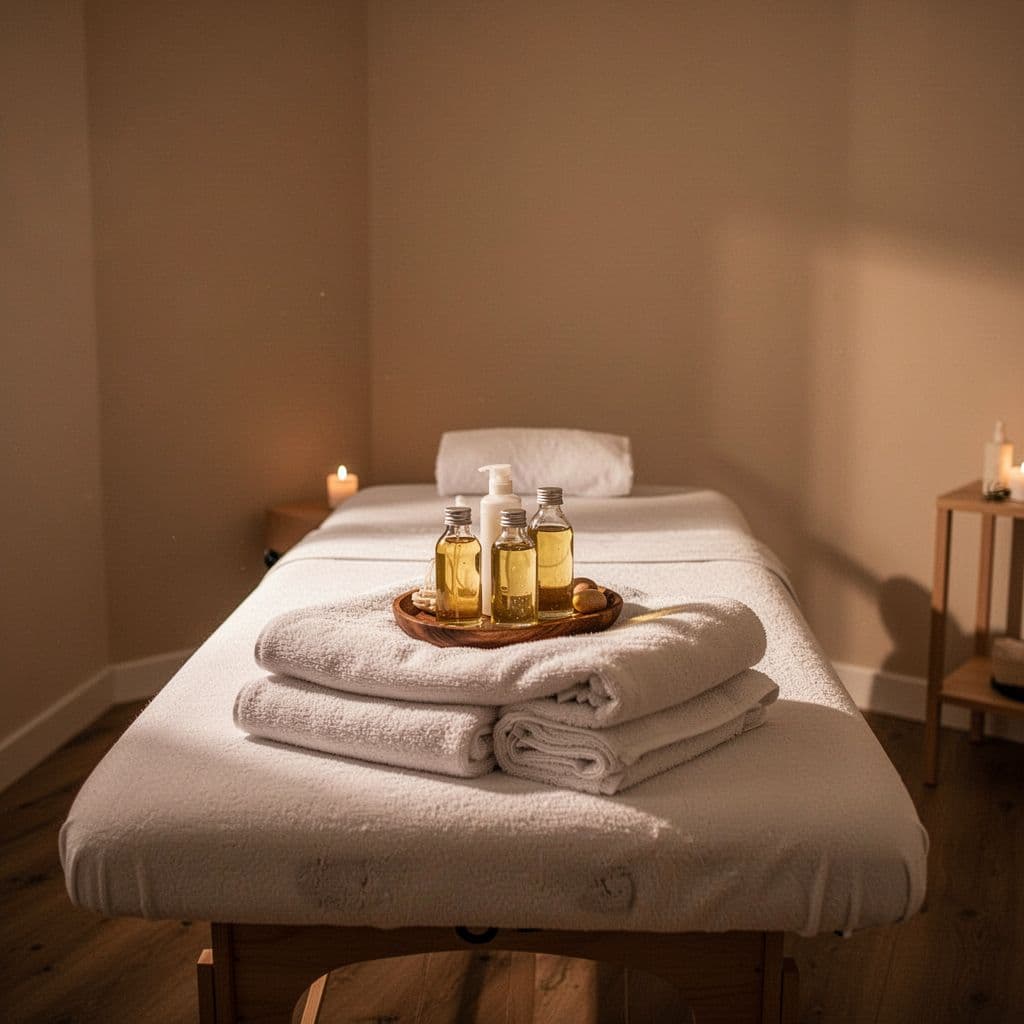
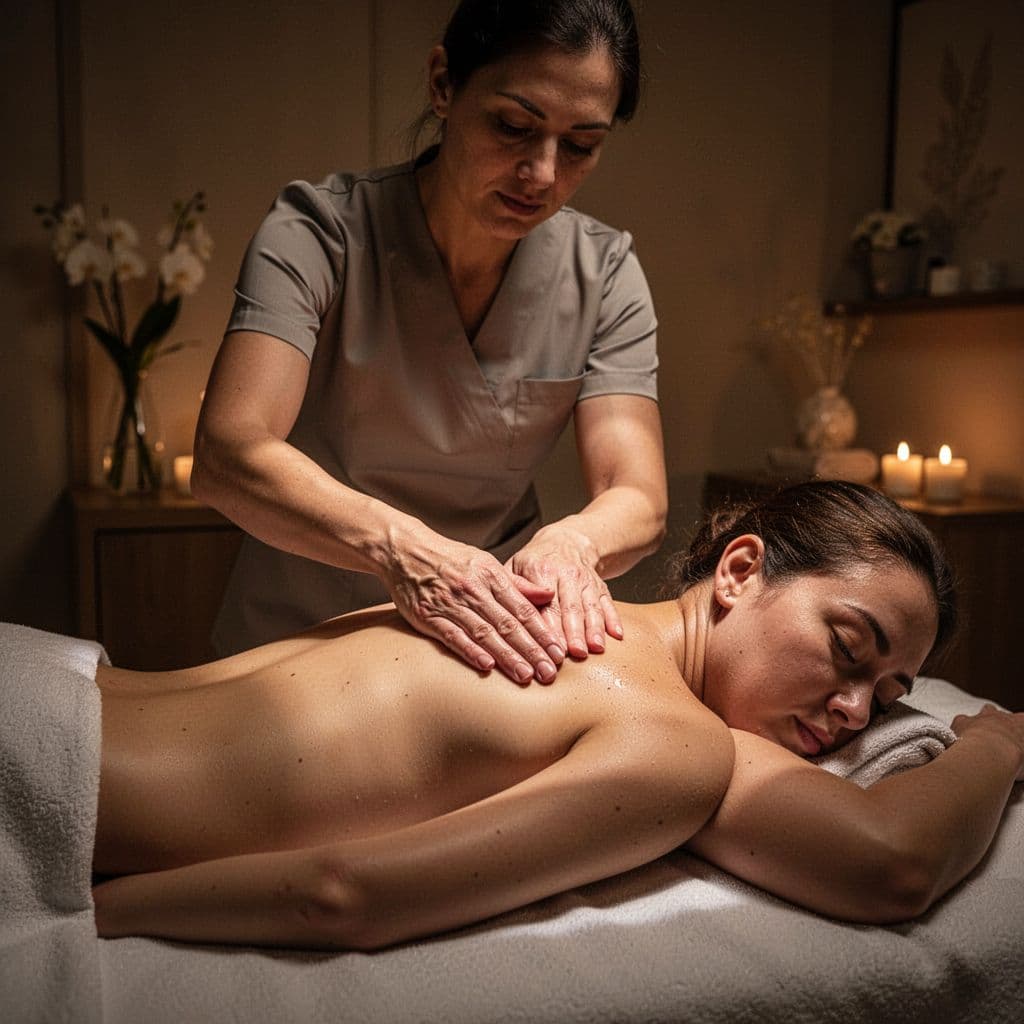
The therapist may use a mix of long strokes, kneading, and gentle pressure. Long strokes help spread warmth through larger muscle groups, while kneading can work deeper into tight spots. Gentle pressure is often used when an area needs care but not intensity.
Many sessions move in a clear order, so the body can relax step by step. The therapist may start with the back, then move to the shoulders, legs, arms, and feet. That flow helps the massage feel even, not scattered.
Depending on the spa and the treatment style, you may also hear soft guidance about breathing or position changes. The therapist may ask you to turn over or adjust your arms, then continue with the same smooth pace. At Aroma Spa, this kind of careful attention is part of what helps the experience feel polished and personal.
How to feel after the session ends
When the massage ends, many people feel calm, warm, and a little lighter than before. The body can feel loose in a good way, almost as if tension has been pressed out of the shoulders and legs. In some cases, you may also notice mild soreness, especially if the muscles were very tight before the session.
That after-feel is usually normal. It often fades within a day, especially when you treat your body gently afterward. Drink water, move slowly, and give yourself time to rest if you can.
A few simple habits help the benefits last longer:
- Drink water to support recovery and stay hydrated.
- Stand up slowly so you don’t feel dizzy or stiff.
- Keep activity light for the rest of the day if possible.
- Notice how your body feels, then mention anything unusual next time you book.
The best massage leaves you relaxed without making you feel wiped out. That balance is what turns a one-hour treatment into a real reset, especially when the spa setting is calm and the care feels personal.
How to choose the right massage style and pressure for your body
The best Full Body Massage is the one that matches how your body feels today. Some days call for a soft, slow touch. Other days need firmer work on stubborn knots and heavy muscles.
Pressure should never feel like a guessing game. A good spa listens, adjusts, and keeps the session in step with your comfort. That is one reason choosing the right massage style in Nairobi matters as much as the massage itself.
When a soft, relaxing touch makes the most sense
Lighter pressure is a smart choice when your goal is calm, not correction. If you feel stressed, tired, overstimulated, or new to massage, a gentle session can help your body ease in without resistance.
It also works well for first-time clients. A soft touch gives you room to relax, notice how your body responds, and build trust with the therapist. For many people, that first session should feel like a slow exhale, not a workout.
Light pressure can be the better fit if you want:
- Stress relief after a long week
- A gentle reset when your body feels drained
- A calming session before sleep or travel
- A first massage that feels easy and approachable
If your muscles are sore but sensitive, lighter pressure can still help. According to light versus deep massage guidance, gentle work is often better for relaxation and everyday tension, while stronger pressure is better saved for harder knots.
Aroma Spa stands out in Kilimani because the experience feels personal from the start. The room stays calm, the pace stays measured, and the therapist can shape the session around what your body needs most.
Gentle pressure should still feel effective. It just shouldn’t feel sharp, forced, or hard to tolerate.
When deeper pressure may be helpful
Deeper pressure helps when the problem sits lower in the muscle. Tight shoulders from desk work, sore legs after movement, and deep knots that keep returning often respond well to firmer work.
This style is often a better match if you like a massage that feels purposeful and grounding. It can help when your muscles feel dense, your back feels locked up, or your body has been carrying tension for days.
Deeper pressure may suit you if you deal with:
- Stubborn tension in the neck, shoulders, or lower back
- Tired muscles after workouts or long hours on your feet
- Recurring tight spots that never seem to loosen fully
- A preference for firm touch rather than a light, surface-level feel
Still, stronger pressure should never cross the line into pain. If it feels too intense, speak up right away. A good therapist can ease off, change the angle, or slow the stroke without breaking the flow of the session.
For a clearer comparison, massage pressure levels explained makes one thing obvious, medium to firm pressure often works best when you want relief without losing comfort. That balance matters, especially in a full body session where different areas may need different amounts of work.
Questions to ask before booking
A short conversation before your appointment can save you from a disappointing session. The right questions help you match the treatment to your body, your comfort level, and your goals.
Ask about:
- Session length, so you know how much time the therapist has to work on each area
- Pressure options, including whether the spa offers light, medium, or deep work
- Areas covered, since some full body massages include the head and feet while others focus on the back, arms, and legs
- Customization, especially if you want more time on one area and less on another
- Therapist communication, so you know how to ask for more or less pressure during the session
- Add-ons or special styles, if you want something more calming, more targeted, or more therapeutic
A simple question like, “Can you tailor the pressure during the session?” can tell you a lot. The answer should feel clear and confident, not vague.
When a spa is easy to talk to before you book, it usually feels easier to relax once you arrive. That is another reason Aroma Spa in Kilimani feels like a strong choice, because the experience starts with comfort and keeps that tone through the treatment.
Why a calm spa setting matters more than people think
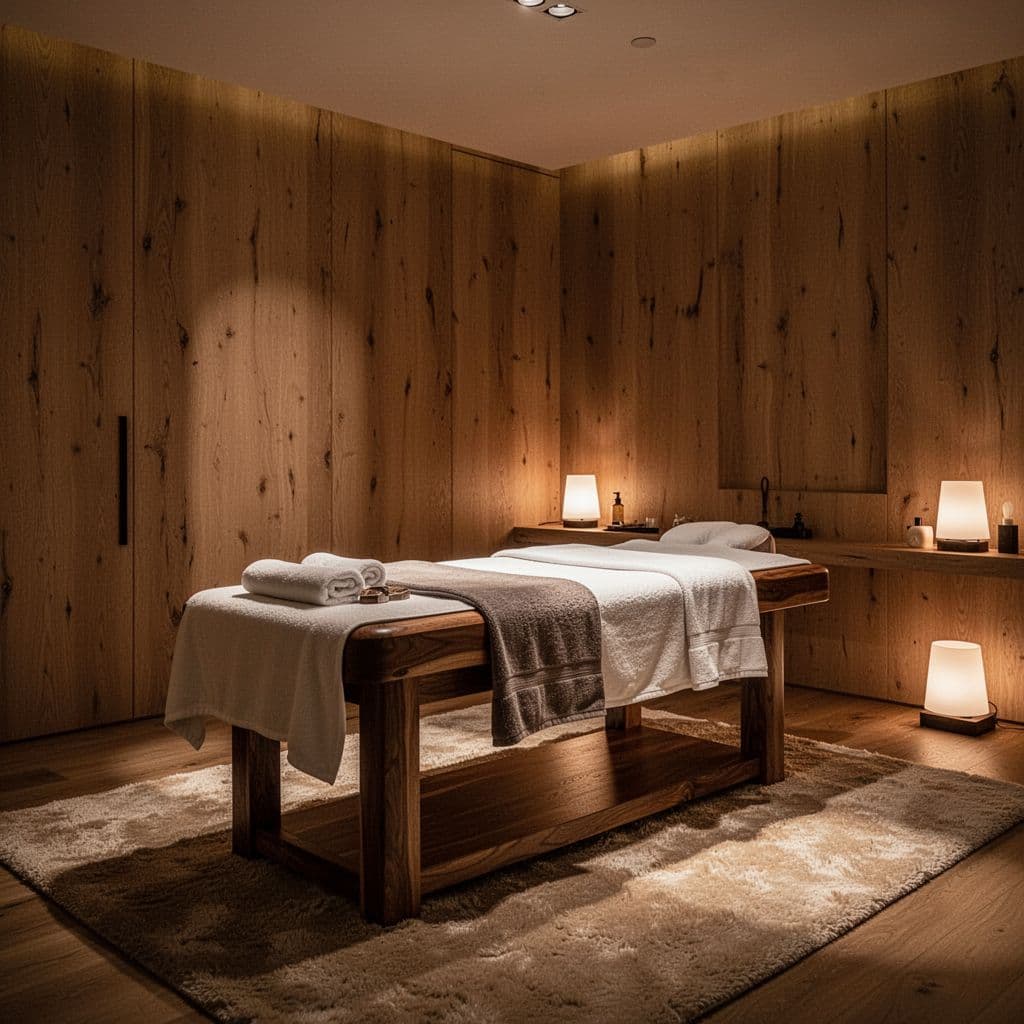
A Full Body Massage works best when the room feels safe, quiet, and uncluttered. Your muscles do not relax in a vacuum, they respond to every cue around them. Soft light, steady warmth, and a quiet voice can do as much as strong hands to help the body let go.
That is why the setting matters so much. When the space feels calm, the nervous system has less to guard against, and the massage can do its job more easily. In a busy city, that sense of pause can feel like a small but real reset.
How a peaceful room helps the body relax
Silence changes the pace of a session. When traffic, chatter, or phone buzzes fade out, the brain has fewer reasons to stay alert. That makes it easier for the body to shift out of tension and into rest.
Small details matter here. Soft lighting lowers the sense of urgency, while a warm room keeps muscles from tensing up against the air. Gentle scent, clean linens, and a comfortable table all tell the body the same thing, that it can settle down.
A calm spa room also supports the nervous system in a direct way. The body often responds to safety with slower breathing, looser shoulders, and a steadier heart rate. According to spa therapy research on sleep and mental health, a soothing setting can support relaxation and better rest, which fits the way many people feel after a good massage.
When the room feels peaceful, the body does not have to work so hard to relax.
That is why the best sessions often feel like more than treatment. They feel like permission to stop bracing for the next thing.
Why trained hands and good service build confidence
Good massage work is about skill, but it is also about trust. You should feel comfortable speaking up, asking for more or less pressure, and knowing the therapist will listen. That level of care makes the whole session feel smoother.
Professional service starts before the first touch. A therapist who checks in, explains the plan, and respects your limits gives you confidence right away. Consistency matters too, because when the pressure, pacing, and communication stay steady, your body relaxes faster.
A well-run spa also keeps things simple and clear. You know what the session covers, how long it lasts, and what kind of touch to expect. If you want to compare options before you arrive, you can view the massage pricing and choose the session that fits your needs.
That trust changes the experience in a subtle way. Instead of wondering what comes next, you can rest into the treatment and pay attention to how your body responds. The massage feels more personal because the service feels attentive.
Why Aroma Spa stands out in Kilimani
Aroma Spa fits well for readers who want a calm, wellness-focused place for a Full Body Massage in a busy part of Kilimani. The atmosphere is built around ease, which matters when you are trying to slow down after a full day of work, traffic, or errands.
The range of massage services also makes it easier to build a simple self-care habit. Some days call for a full-body reset, while other days call for a lighter treatment or a more focused session. That flexibility helps you choose what your body needs, instead of forcing every visit into the same pattern.
The space itself matters too. In a neighborhood that moves fast, a quiet spa gives you a break from constant noise and motion. That calm environment helps the treatment feel more restorative, because your body is not trying to relax while it still feels surrounded by activity.
Aroma Spa also makes it easier to keep self-care practical. When booking feels simple and the service feels consistent, you are more likely to return before tension builds up again. That regular rhythm is often what keeps massage helpful over time.
For readers who want a more tailored treatment, the spa’s wider massage services give you room to choose what fits best. That mix of comfort, variety, and calm is what many people look for when they want a massage that feels worth the trip.
Conclusion
A Full Body Massage brings the body back to center. It eases stress, loosens tight muscles, and gives the mind room to slow down after a long day.
It also works best when the setting feels calm and the pressure matches what your body needs. That is why a place like Aroma Spa in Kilimani matters, because the right room and the right touch turn a simple treatment into real rest.
For anyone who wants a peaceful reset close to home, regular massage can become a steady part of self-care. When the body gets that kind of care often enough, it feels easier to carry the week with less strain.