
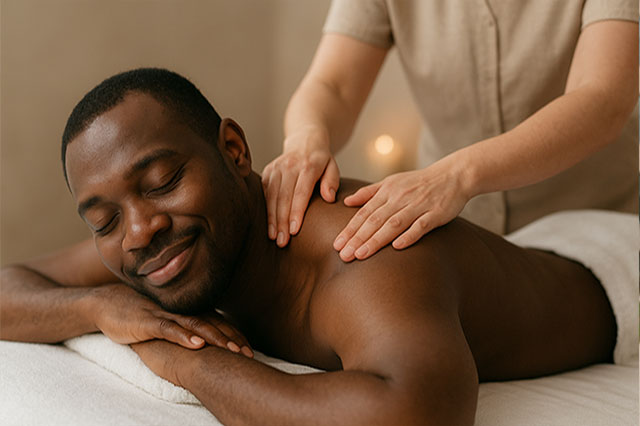
Deep Tissue Massage in Kilimani: What to Expect and Who It Helps
A stiff neck, tight shoulders, or a lower back that won’t settle can make even a normal day feel heavy and you need deep tissue massage Kilimani. For many people in Kilimani, Deep Tissue Massage is the choice when desk work, workouts, stress, or long traffic hours leave the body tense and sore. At Aroma Spa and Massage, this type of treatment fits people who want firm, focused pressure, not a soft, surface-level rub.
It can help ease stubborn knots and make movement feel easier, but it isn’t the best fit for everyone. If your body is inflamed, bruised, or extra sensitive, a gentler option may make more sense. The sections below explain how deep tissue massage works, who tends to benefit most, what a session feels like, and when it’s smarter to choose something else.
Understanding deep tissue massage and why it feels different
Deep tissue massage feels different because it works with slow, steady pressure instead of light, gliding strokes. The goal is to reach tight layers of muscle that hold stress, strain, or old tension, then encourage them to soften over time.
That’s why it often feels more focused than a relaxing massage. A therapist may pause on a tight spot, use a forearm or elbow, and work through areas that feel stiff or crowded. For a simple comparison with lighter techniques, see this massage therapy guide in Nairobi.
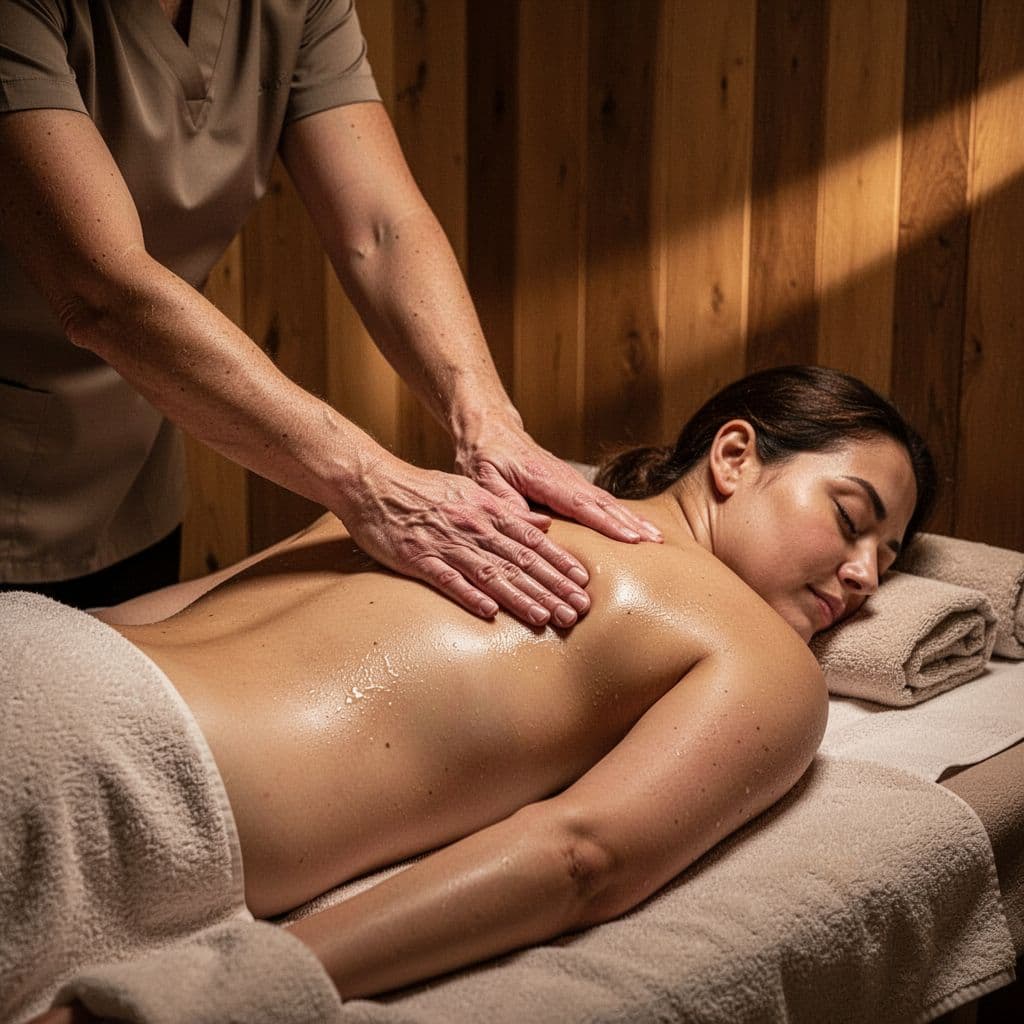
How deep pressure helps release stubborn tension
When muscles stay tight for too long, they can form hard bands that limit movement. Deep pressure helps by giving those areas time to soften, instead of forcing them to let go all at once.
Picture a stiff neck after hours at a laptop, or shoulders that stay lifted after a stressful week. Slow pressure can help reduce that protective tightening, so your body stops bracing as hard. As the muscle eases, movement often feels smoother and less restricted.
The pressure should feel firm and purposeful, not sharp or punishing.
This kind of work is useful when tension keeps returning in the same place. A tight lower back, for example, may need more than a quick rub, it may need steady attention to the same stubborn band of tissue.
What makes it different from Swedish or relaxing massage
Swedish massage usually feels lighter and more flowing. It is built for relaxation, circulation, and general stress relief, so it suits people who want to unwind or ease mild soreness.
Deep tissue massage goes after a different problem. It uses more pressure, slower pace, and more focused work to address deeper tightness and chronic tension. That can leave you feeling looser but also a little sore for a day, especially if the area was very tight.
The best choice depends on what your body needs right now:
| Massage style | Best for | Typical after-feel |
|---|---|---|
| Swedish massage | Stress relief, general relaxation, lighter tension | Calm, rested, soothed |
| Deep tissue massage | Stubborn tightness, chronic muscle strain, limited movement | Looser, sometimes tender, often relieved |
If you want comfort and rest, a lighter massage makes sense. If your body feels locked up, deep tissue is usually the better match.
Common myths people believe before their first session
One common myth is that deep tissue massage always has to hurt. It can feel intense, but good pressure should still feel manageable. If you hold your breath or tense up, the pressure is too much.
Another myth is that one session will erase every knot. Tight muscles often need more than a single visit, especially if the strain has built up over months. The first session may bring relief, but lasting change usually takes a bit of consistency.
Some people also think deep tissue is only for athletes. In reality, desk workers, drivers, parents, and anyone with repeat tension can benefit from it. If your shoulders stay tight or your neck feels stuck, this style may fit you well.
Before booking, it helps to read a professional massage services guide in Westlands or ask about pressure levels and comfort. That way, your first session feels clear instead of intimidating.
Signs your body may be asking for deep tissue work
When tension starts to feel stuck instead of temporary, your body usually gives clues. The tightness may show up after long hours at a desk, a hard workout, or weeks of stress that never fully leaves your system.
Deep Tissue Massage often makes sense when the discomfort feels layered, stubborn, or hard to shake. If you keep noticing the same sore spots, a firmer, more focused treatment may fit better than a light relaxation session.

Neck, shoulder, and upper back tension from daily stress
Stress often settles in the upper body first. Your shoulders creep upward, your neck feels heavy, and your upper back starts to feel like it’s carrying more than its share.
Headaches can show up too, especially when tight muscles around the neck stay clenched for hours. A lot of people describe the feeling as a weight resting across the shoulders, and that is often a sign the muscles need focused attention.
These areas usually respond well to Deep Tissue Massage because the problem is often held in small, stubborn bands of tension. Slow, steady pressure can help those muscles release without forcing them to let go all at once. For more context on how deeper pressure can help stiffness and soreness, see Healthline’s overview of deep tissue massage.
Lower back tightness, hip stiffness, and limited movement
Sitting for long stretches can leave the lower back and hips feeling locked. Repetitive movement can do the same, especially if your body keeps using the same muscles in the same way.
You may notice that bending feels harder than usual. Getting up from a chair can also feel stiff, and walking may come with a heavy, tight pull through the hips or lower back.
If your body feels less free with each step, the issue may be more than simple tiredness.
This kind of tension often benefits from focused massage because the work can stay close to the problem area. The lower back and hips are connected, so when one side tightens, the other often joins in. A careful, deeper session can help restore easier movement without pushing the body too fast.
When workout recovery could benefit from deeper work
After exercise or physical work, soreness is normal. Still, if a muscle feels overworked, dense, or slow to recover, deeper pressure may help it relax more fully.
Timing matters here. Right after a hard session, your body may need rest, fluids, or lighter touch instead. A few days later, when soreness settles into tightness, deeper work can help bring comfort back and support better movement.
The pressure should always match how your body feels that day. Some areas may welcome firmer work, while others need a gentler approach. If you want to read more about how deeper massage supports recovery and circulation, this review on muscle recovery and deep tissue massage offers useful context.
If you’re booking in Kilimani, it also helps to check the Google Business profile for Aroma Spa and Massage for current details before you plan your visit.
What to expect before, during, and after your session
A good Deep Tissue Massage feels much smoother when you know what the session will look like. The pace is calm, the pressure is intentional, and the experience should always stay within your comfort level.
A short consultation usually comes first, then the therapist works through tight areas with steady pressure. Afterward, your body may feel looser, warm, and a little tender in places that held a lot of tension. If you want to book or check current details, the Aroma Spa and Massage Google Business profile is a useful place to start.
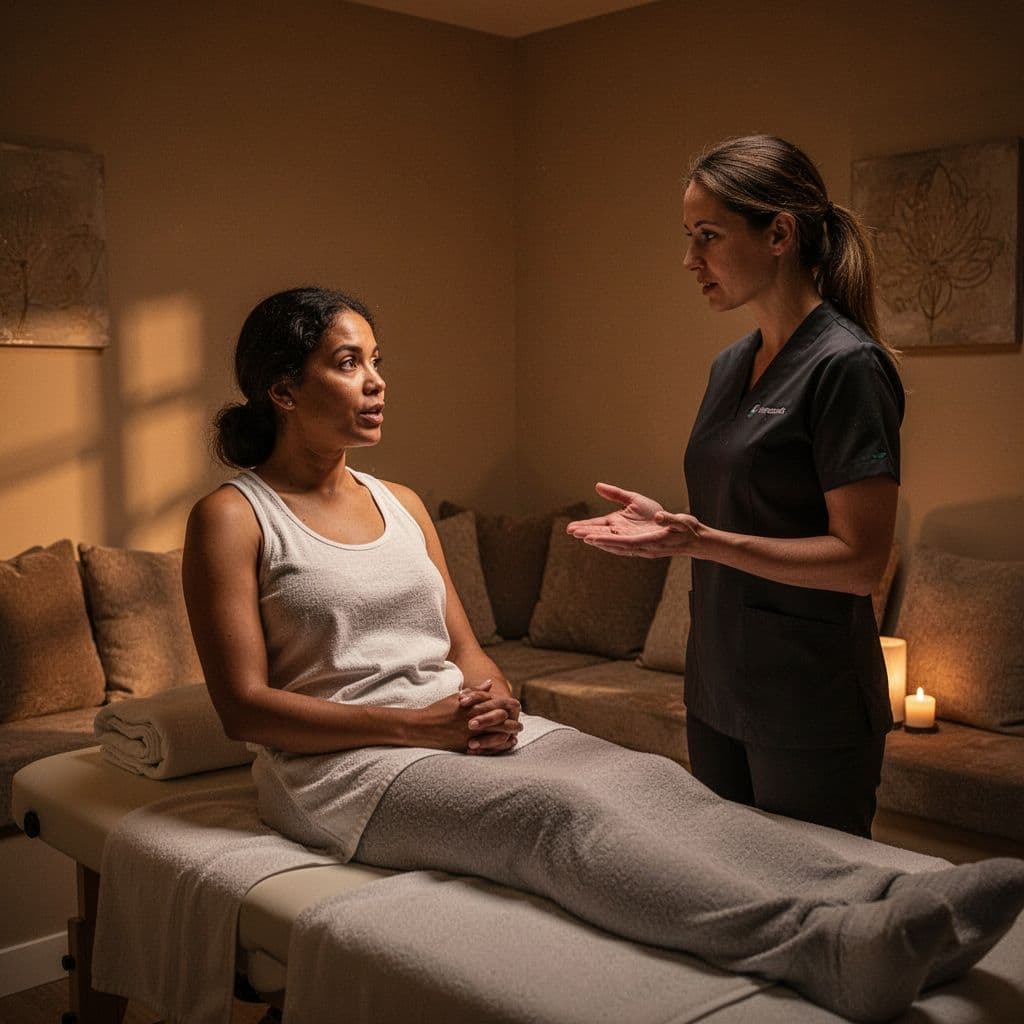
How a therapist checks pressure and problem areas first
Before the massage begins, a skilled therapist should ask a few direct questions. They may want to know where you feel pain, what kind of pressure you prefer, and whether you have any injury history or sensitive spots.
That conversation matters because your body is not a template. A sore shoulder from desk work needs different care than a lower back strain, and a therapist should adjust the session to match your comfort level. If you are tense, recovering, or unsure about pressure, say so early.
A brief check-in also helps the therapist avoid areas that should be treated carefully. Good communication makes the session better for both sides, and it helps the pressure stay firm without crossing into pain. If you want a sense of the treatment options available, the massage services in Nairobi page gives a helpful overview.
A good massage starts with listening, not pressure.
What the treatment may feel like on sore spots
Deep pressure can feel slow, focused, and intense in certain places. That is normal, especially when the therapist works over tight bands, old knots, or stubborn tension that has built up over time.
The key word is controlled. A skilled therapist should not force the muscle or ignore your response. If the pressure feels too sharp, too deep, or hard to breathe through, speak up right away. Breathing evenly often helps the body relax, and your therapist can use that feedback to adjust the work.
You may notice the sensation change as the area softens. At first, it can feel like a dull ache or a strong stretch, then it may ease as the muscle lets go. For a deeper look at what a first session can feel like, this overview of deep tissue massage preparation gives a clear outside perspective.
Why you may feel sore afterward and how to care for yourself
After a Deep Tissue Massage, mild soreness can happen, especially if the therapist worked on very tight areas. That soreness should feel manageable, more like post-exercise tenderness than an injury.
Water helps, so drink plenty after your session. Light stretching can also keep your body from tightening again, but keep it gentle. A hard workout right away is usually too much, so give your muscles time to settle.
Here are a few simple aftercare habits that help most people feel better:
- Drink water to support recovery and help your body feel less dry.
- Rest when you can, especially if the massage was intense.
- Stretch lightly so the muscles stay loose without getting strained.
- Skip hard workouts for a while, since your body may need recovery time.
Sharp pain is not expected. If something hurts in a sudden or stabbing way, that is a sign to stop and speak up. Mild tenderness can be part of the process, but your body should not feel injured. For more aftercare guidance, these massage recovery tips offer a practical reference.
Who should be careful, and when to ask first
Deep Tissue Massage can help a lot when muscles feel locked up, but it is not the right first move for every body. Some situations call for a gentler touch, and some need a quick conversation before you book.
If you are unsure, speak up early. A therapist can adjust pressure, suggest a lighter option, or tell you when it makes sense to wait. The right massage should calm the body, not put it under more strain. For booking details, you can also check the Aroma Spa and Massage Google Business page or review the massage therapy guide in Kilimani for a broader look at treatment options.
Times when deeper pressure may not be the best choice
Some conditions make firm pressure a bad fit, at least for now. Recent injuries, for example, often need rest, not heavy work over sore tissue. If you have a fresh sprain, pulled muscle, or swollen area, deep pressure can make it feel worse.
The same goes for inflammation, bruising, severe pain, or fever. These are signs that your body is already under stress. A massage should not press hard on tissue that is angry, hot, or tender to the touch.
Skin matters too. Open cuts, rashes, burns, or active skin infections need care and caution. If a spot feels irritated or looks unusual, tell the therapist before the session starts. In those cases, a different approach or a later appointment may be the safer choice.
If pain feels sharp, sudden, or out of proportion, pause and ask questions. That kind of pain is your body asking for attention, not more force.
Health conditions that need extra care
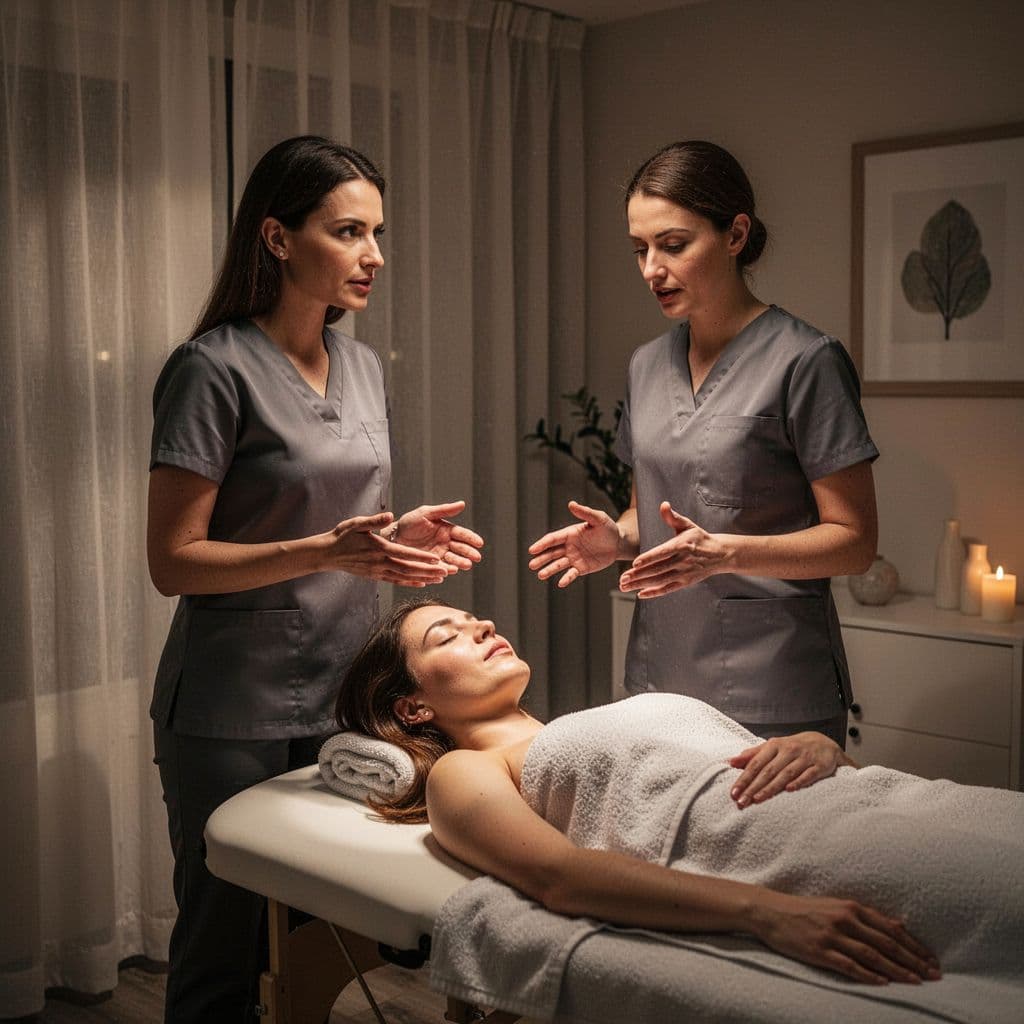
Some health conditions call for extra caution, even when you feel fine on the surface. If you have a blood clot risk, osteoporosis, pregnancy, or you are recovering from major surgery, it is wise to ask first. These situations may need a modified session or a different type of massage altogether.
People taking blood-thinning medicine should also speak up before booking. Strong pressure can cause more bruising or discomfort, so the therapist needs that information upfront. The same is true if you have a condition that affects healing, bone strength, or circulation.
Pregnancy deserves special care as well. Pressure points, body position, and treatment areas may need to change, depending on how far along you are and how you feel that day. If you are recovering from surgery, the body may still be healing under the skin, even when the outside looks fine.
A simple rule helps here, if a condition affects healing, circulation, bones, or clotting, ask before the session. When in doubt, your therapist should hear about it first, not after the massage starts. For more outside guidance on massage safety, this deep tissue massage safety guide gives a clear overview.
How to talk to your therapist about comfort and limits
Clear words make a better massage. Tell your therapist where you feel tight, where you feel sore, and where you want less pressure. If a spot feels too sensitive, say it right away instead of waiting it out.
You can keep it simple. Try phrases like, “That is too much pressure,” “Please stay lighter on my lower back,” or “This shoulder feels tender today.” Those small corrections help the therapist adjust without guessing.
It also helps to mention anything that could affect the session, such as old injuries, medication, recent exercise, or a sensitive skin area. The more your therapist knows, the better they can shape the treatment to your body that day.
A good session should feel like a steady conversation, even when no one is talking much. Your body gives feedback, the therapist responds, and the pressure stays useful instead of overwhelming. If you want to know what the therapist should already be prepared to discuss, the Aroma Spa and Massage Google Business page is a simple place to confirm current service details before you arrive.
How to get the most from a deep tissue massage in Kilimani
The best results usually come from a mix of good planning, clear communication, and simple follow-up care. A Deep Tissue Massage works best when you choose the right therapist, match the session to your body’s needs, and give your muscles a chance to settle afterward.
If you want a stronger experience in Kilimani, focus on comfort as much as pressure. The right spa should feel calm, clear, and easy to trust before a single stroke begins. You can also check the Aroma Spa and Massage Google Business page before you book, so you know what to expect.

How to choose the right spa and therapist
A good massage experience starts before you lie on the table. Look for a spa with a calm setting, clear service details, and a staff member who answers questions without rushing you. That first impression matters, because it tells you how seriously they treat comfort and care.
Good communication is one of the clearest signs of quality. The therapist should ask what hurts, what feels tight, and how much pressure you want. They should also listen when you say “lighter” or “stop there.” For a useful checklist on therapist selection, ASHLink’s massage therapist tips give a simple standard to compare against.
A few things are worth noticing before you book:
- The setting feels calm and clean, not noisy or rushed.
- Service descriptions are clear, so you know what the session includes.
- Questions get real answers, not vague promises.
- The therapist listens carefully and adjusts to your comfort level.
Trust your response in the room, too. If the space feels tense or the therapist brushes past your concerns, your body may not relax fully. A good Deep Tissue Massage should feel focused, respectful, and steady from start to finish.
Comfort is part of the treatment, not an extra.
How often you may want a session
How often you book depends on your lifestyle, stress level, posture, and how tight your muscles feel. Someone who sits at a desk all day may want sessions more often than someone with light, occasional tension. On the other hand, a person who trains hard or carries stress in the shoulders may also need regular care.
There is no single schedule that fits everyone. Some people feel best with a session every week or two when tension is high. Others do fine with a visit once a month, then come back when the body starts feeling stuck again.
Your own pattern matters most. If soreness returns quickly, your posture keeps pulling you forward, or your neck tightness never really leaves, a more regular rhythm may help. If you just need occasional release, a less frequent visit may be enough.
The goal is not to chase a fixed number. It is to notice how your body responds, then book in a way that matches real life. A Deep Tissue Massage should support your routine, not interrupt it.
Small habits that help results last longer
Massage can loosen tight muscles, but daily habits decide how long that ease lasts. A little care between sessions often makes a bigger difference than people expect. When your body keeps getting the same strain, the tension returns like a knot tied too tightly.
Start with movement. Gentle stretching, short walks, and posture breaks during the day help keep muscles from locking up again. If you sit for long periods, stand, roll your shoulders, and change position often.
Hydration and sleep matter too. Water supports recovery, while good sleep gives your muscles time to settle. Both work best when they happen consistently, not just after a massage.
A few simple habits help a lot:
- Stretch lightly after long sitting or exercise.
- Take posture breaks every hour when you can.
- Drink water through the day.
- Sleep enough so your body can recover.
- Keep moving with easy walks or light activity.
The best results come when massage and daily care work together. That combo keeps your body from sliding back into the same tight pattern, and it makes each session more useful the next time around.
Conclusion
Deep Tissue Massage is a strong choice for people whose bodies feel tight, overworked, or stuck in the same sore spots. It helps ease stubborn tension, supports easier movement, and gives relief that feels practical, not just pleasant.
It tends to help most when neck strain, shoulder tightness, lower back stiffness, or workout soreness keep coming back. When the pressure is matched well to your body, the session can leave you looser without feeling pushed too far.
If that sounds like what your body needs, booking with confidence is simple. Check the Aroma Spa and Massage Google Business page for current details, then choose the treatment that fits your comfort and recovery goals.