
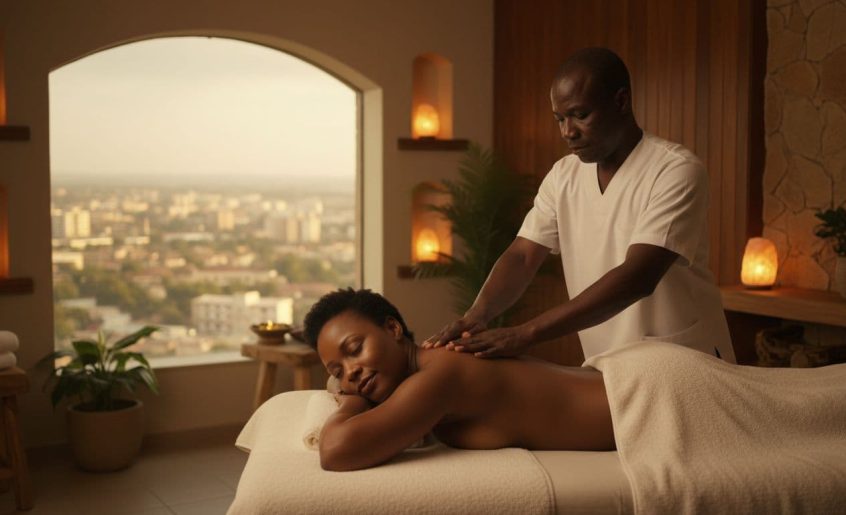
Massage in Nairobi: Benefits, Types, and What to Expect
A good massage does more than feel pleasant for an hour. It uses touch, pressure, and movement to help your body loosen up, settle down, and recover after strain.
When your shoulders stay tight, your back feels heavy, or stress keeps following you home, massage can offer real relief. It may help ease soreness, support blood flow, and leave your muscles less stiff, which is why many people book one for recovery, stress, or simple self-care. If you want to see the full range of options, you can also explore our professional massage services.
People often hear about Swedish massage, deep tissue work, hot stone therapy, aromatherapy, and other styles, but the right choice depends on what your body needs most. Some sessions focus on calm and comfort, while others go deeper into tight spots that have been building tension for days or weeks.
The best massage is the one that matches your reason for coming in, not just the one with the fanciest name.
A little planning makes the experience better too, because the length of the session, the pressure you prefer, and the area that needs attention all shape the result. If you’re unsure where to begin, the next section will make the main types and benefits easier to sort out.
What massage really does for the body and mind
Massage works on more than sore spots. It gives your body a clear signal to loosen up, slow down, and settle into a calmer state. That is why a good session can feel physical and mental at the same time.

Why touch, pressure, and rhythm matter
The hands behind a massage do a few simple things well. Gentle strokes help the body relax, steady pressure can ease tight muscle knots, and a smooth rhythm helps the whole system settle.
When muscles stay clenched for hours or days, they can feel short and stiff, almost like a rope pulled too tight. Massage helps those fibers soften, which can make movement easier and less painful. It also encourages blood flow, so fresh oxygen and nutrients reach the area more easily.
The nervous system matters too. When pressure feels safe and steady, the body often shifts away from stress mode and into a quieter state. In plain language, that means your breathing may slow, your shoulders may drop, and your mind may stop racing for a while.
Different techniques create different effects. Long, flowing strokes can calm. Firmer pressure can work on dense tension. A slower pace often helps the body stop bracing and start releasing.
For a closer look at session options and pricing, see our massage treatment rates.
Massage often works best when the body has been carrying tension for a long time, because it gives that tension a chance to let go.
Common benefits people notice after a session
Many people book massage for stress relief, and that is one of the first things they notice. The mind feels less crowded, the breath feels easier, and the body stops holding itself so tightly.
Other common changes include:
- Less stiffness in the neck, shoulders, back, or legs
- Better sleep after the body has had time to settle
- A calmer mood that can last beyond the session
- More ease in movement, especially after sitting too long
Some people feel lighter right away. Others need a few sessions before the full effect shows up. That difference is normal, because each body carries tension in its own way.
The Cleveland Clinic notes that massage can help with stress, sleep, and muscle tension, which matches what many people feel after regular care. You can also see the Mayo Clinic Health System’s overview of massage benefits for a simple medical summary.
When massage may support recovery
Massage can also help when your body feels worn down. After a hard workout, it may ease that tight, achy feeling that shows up the next day. After long hours at a desk, it can help release the neck, shoulders, and lower back.
It may also support general recovery when you feel heavy or drained from a busy week. That does not mean it fixes everything, but it can give your body a better chance to rest and reset.
A useful way to think about it is this: massage does not force the body to change, it gives the body better conditions to relax. That is why it often feels helpful for soreness, low energy, and mental strain at the same time.
If you want a treatment that matches how your body feels right now, start with the style and pressure that fits your comfort level, then adjust from there.
The most common types of massage and how they feel different
Different massage styles can look similar at first glance, but they feel very different on the table. Some are soft and steady, like a slow exhale. Others work with firmer pressure and slower strokes to reach deeper tension. A few add heat, scent, or focused touch in a way that changes the whole mood of the session.
If you’re choosing a massage for the first time, the main question is simple: do you want comfort, release, or a little of both? Once you know how each style feels, the choice becomes much easier.
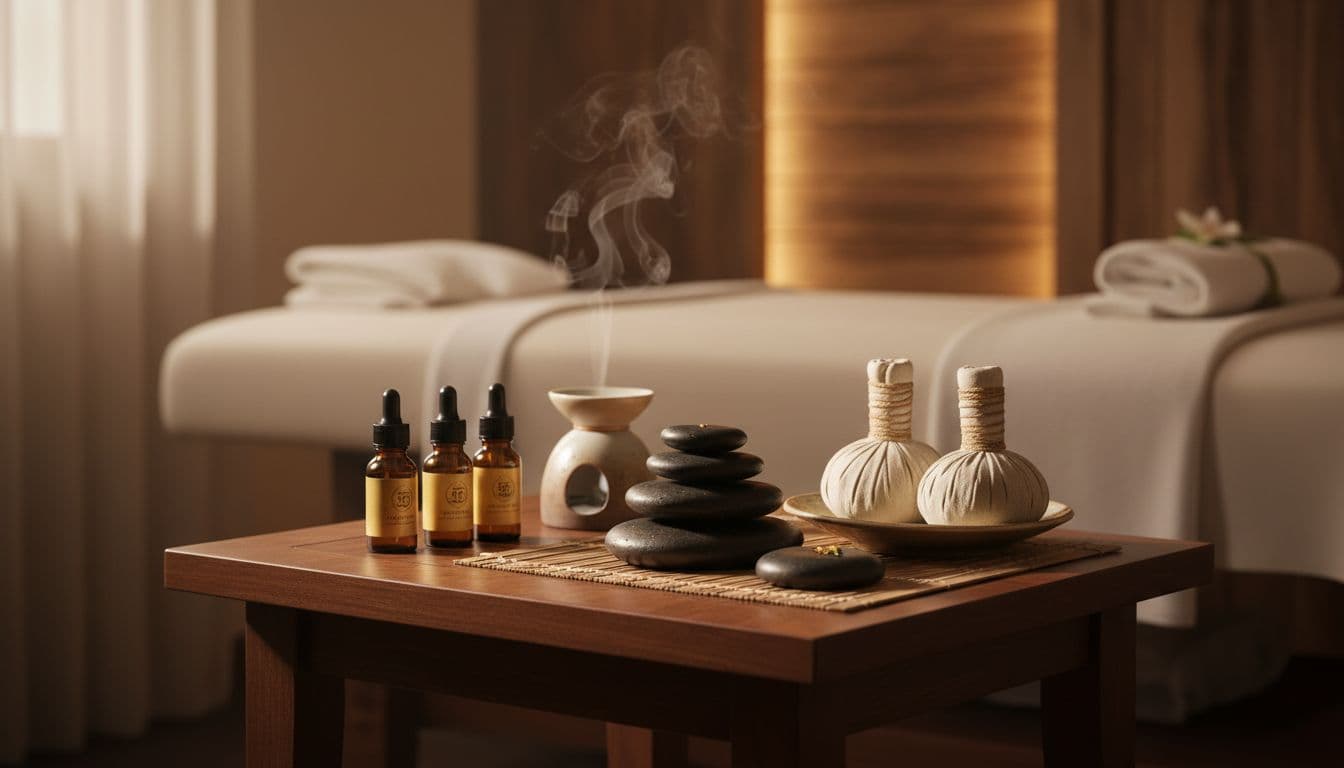
Relaxing massage for stress and tension
Relaxing massage is the soft landing many people need after a long week. It usually uses lighter to medium pressure, with smooth strokes that help the body settle and the mind slow down. The feeling is calm, steady, and unforced, like someone turning the volume down on your stress.
This style is a strong choice if you want general well-being, better rest, or relief from everyday tension. You may notice your breathing deepen, your shoulders drop, and your body stop bracing so hard. For many people, that alone makes the session worth it.
It also works well when you don’t want intense pressure. The touch stays comfortable, so you can enjoy the experience without tensing up against it. If your main goal is to feel restored rather than worked over, this is often the right place to start.
Deep tissue massage for tight, stubborn muscles
Deep tissue massage feels more focused and more intense. The therapist uses slower strokes and firmer pressure to work into tight areas that have built up over time, such as the neck, shoulders, lower back, or legs. It can feel satisfying when the pressure lands in the right place, but it may also feel sharp or demanding at moments.
This style is often chosen for stubborn muscle tightness, chronic stiffness, or soreness that keeps coming back. People who sit for long hours, train hard, or carry stress in the same spots often prefer it. The work goes deeper, so the sensation is more direct and less sleepy than a relaxation massage.
That said, deep tissue should still feel controlled. Good pressure feels strong, not punishing. If you like a massage that gets to the source of the knot, this is usually the most effective option.
For a simple comparison of general massage benefits, see the wellness benefits of massage services.
Foot massage and reflex-style work
Foot massage brings attention to the part of the body that carries you everywhere. After long days standing, walking, or moving around, it can feel grounding and comforting right away. The pressure often feels focused yet soothing, especially when tired feet need a break.
Reflex-style work usually centers on the feet, and sometimes the hands or ears as well. The touch can range from light to firm, but the experience stays local and concentrated. That makes it a good choice if you want relief without a full-body session.
Many people like foot massage because it feels practical and calming at the same time. It can ease that heavy, tired feeling in the feet, while also helping the whole body relax. When your legs feel worn out and your mind feels crowded, this kind of massage can bring you back to center.
Foot-focused massage is often the easiest style to enjoy if you want comfort without a lot of pressure.
Herbal, hot stone, and singing bowl style treatments
Some spa treatments add heat, scent, or sound, and that changes the experience in a gentle way. Herbal massage often uses warmed compresses or fragrant elements that bring a soft, soothing feel to the session. Hot stone massage adds warmth through smooth stones, which can help muscles loosen and make the treatment feel calmer from the start.
Singing bowl therapy is a little different. Instead of pressure alone, it uses sound and vibration to create a quiet, peaceful atmosphere. The effect is less about working into muscle and more about helping the whole body settle.
These treatments are often best for people who want a spa experience that feels calm and sensory-rich. The pressure is usually lighter than deep tissue work, and the mood is slower and more restful. If you want massage to feel like a warm room, a steady rhythm, and a clear break from the day, these specialty options fit well.
For a broader look at style differences, Healthline’s massage guide offers a clear breakdown of common options.
When you choose between these styles, think about the feeling you want most. Gentle massage soothes, deep tissue works through stubborn tightness, foot massage grounds tired legs, and specialty treatments add heat or sound for extra calm. The right choice is the one that matches your body on that day, not just the name on the menu.
How to choose the right massage for your body and mood
The right massage starts with a simple check-in. Notice how your body feels, then match that with the kind of relief you want most. A session for stress should feel different from one meant to untie sore shoulders or help you recover after training.
Mood matters too. On some days you want calm and softness. On others, you want firm work on a stubborn knot that has been pulling at your neck all week. The best choice is the one that fits both your body and your energy level.

A quick rule helps. If you want to relax, start gentle. If you want to release tight muscle work, choose firmer pressure. If you are unsure, begin with a balanced session and speak up during the massage so the therapist can adjust as needed.
A good massage should fit your body on that day, not force your body into the same pattern every time.
Questions to ask before you book
Before you book, get clear on a few details. That makes the session smoother, and it helps you avoid pressure that feels too light or too strong.
Ask about:
- Pressure level, whether the therapist offers light, medium, or deep work
- Session length, because 30, 60, and 90 minutes all feel different
- Areas of focus, such as the back, shoulders, feet, or full body
- Health concerns, including injuries, pregnancy, recent surgery, high blood pressure, or pain that needs care
If your neck is stiff but your legs feel fine, say that early. If you want relaxation rather than pain relief, say that too. A therapist can only match the treatment to your needs if you tell the full story first.
For a broader sense of what a session may include, the AMTA massage session guide gives a clear overview of what therapists usually ask about before treatment.
Signs you may need a gentle session instead of a deep one
Sometimes the body does not want heavy pressure. It wants rest. That is often true when you feel sore all over, tired from travel, or mentally drained after a long week.
A gentle session may be the better fit if:
- You are new to massage and want to ease in
- Your body feels tender or bruised
- You have a low pain tolerance
- You feel exhausted rather than tight
- You want comfort, calm, and a slower pace
Deep tissue work is useful, but it is not always the right first choice. If your muscles feel sensitive, firm pressure can make you tense up more instead of letting go. Gentle massage often opens the door first, then the body relaxes enough to accept more focused work later.
If you want a softer start, styles like Swedish massage or light aromatherapy can feel more welcoming. They help the body unwind without demanding too much from it.
How to tell your therapist what you want
Clear words make a better session. You do not need fancy language, just simple direction about pressure, comfort, and the spots that need attention.
Try phrases like:
- “Please start with medium pressure and check in with me.”
- “My shoulders are tight, but I want the rest of the session to stay relaxing.”
- “That area feels a little too strong, can you ease off?”
- “I like firmer pressure on my back, but lighter pressure on my legs.”
- “I have a sore lower back, so please stay gentle there.”
If you feel pain, say so right away. If something feels perfect, say that too. Silence can leave you with a massage that misses the mark, while a few honest words can turn a good session into exactly the right one.
When you speak clearly, the therapist can adjust the pace, pressure, and focus without guesswork. That gives you a session that feels personal, safe, and far more effective.
What a good massage visit should feel like from start to finish
A good massage visit feels calm before the first touch and steady long after you leave. You should know what will happen, feel respected at every step, and never feel rushed, cold, or unsure. The whole visit should move at a human pace, like a room that knows how to breathe.
Before the session starts
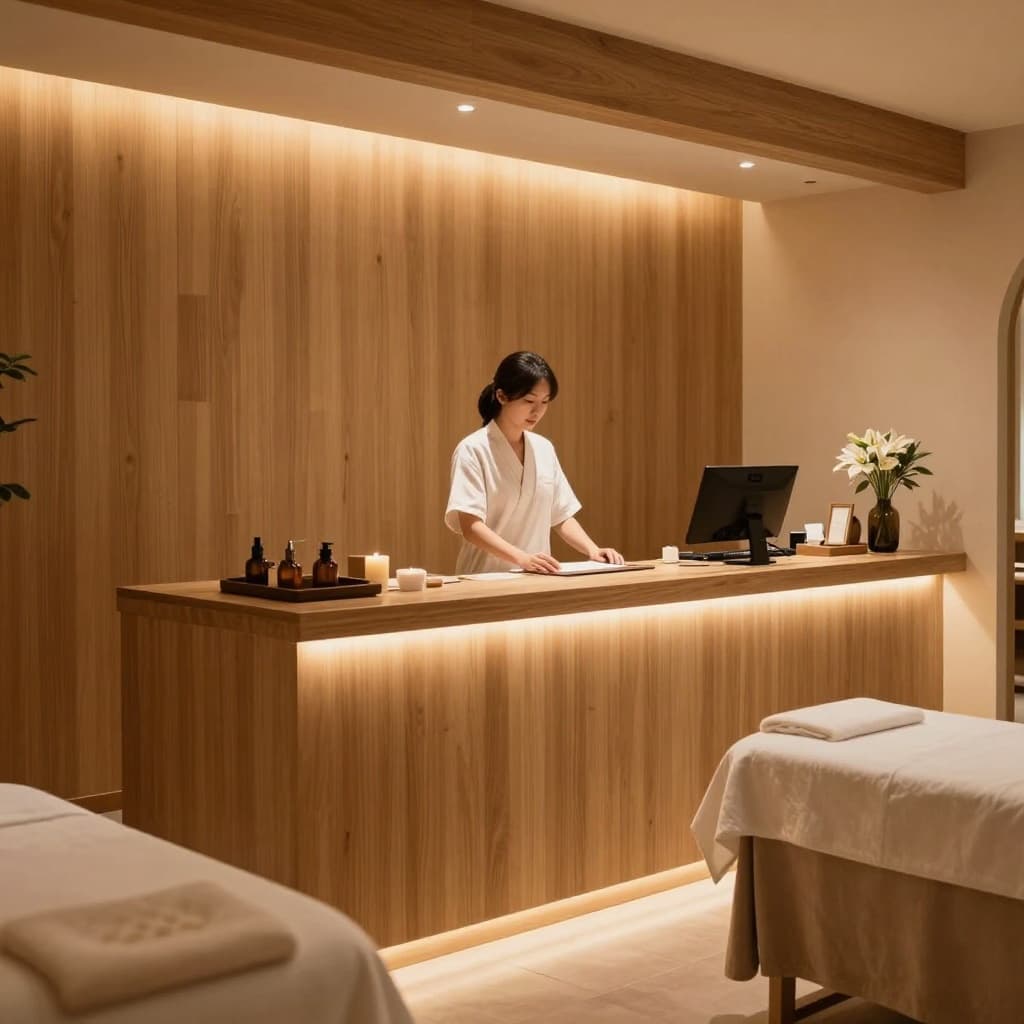
A smooth visit begins the moment you arrive. The front desk should feel welcoming, not rushed, and the check-in process should be simple. If there are forms, they should be clear and brief, usually covering your health history, pain areas, allergies, injuries, and any reason you want the massage.
This is also the time to speak up about anything that matters. A sore lower back, a recent workout, pregnancy, surgery, or a strong dislike for scent all belong in the conversation. If you want a gentle session, say so. If you want firmer work on one area, say that too. A good spa will treat that information like useful direction, not extra trouble.
You should also have a moment to set an intention. Maybe you want to relax, ease neck tension, or recover from a hard week. That small decision helps shape the session before you even step into the room. If booking ahead helps, a clear message like the massage booking tips on Aroma Spa can make the process less awkward.
A well-run massage visit starts with calm questions, clear answers, and enough time to settle in.
During the massage
Once you’re in the room, the atmosphere should get quieter and softer. The therapist should explain how to get on the table, how to cover yourself, and what to expect with draping. That means only the area being worked on is uncovered, while the rest of your body stays covered with a sheet or towel.
You should never feel exposed or confused. Good draping gives privacy and comfort, and it should stay consistent throughout the session. If you’re unsure about anything, ask before the massage begins. A short check-in can save you from tension later.
Communication should stay easy and respectful. You don’t need to talk the whole time, but you should feel free to mention pressure, temperature, or discomfort. If the pressure is too much, say it. If it feels too light, say that too. Therapists often prefer honest feedback because it helps them adjust the work instead of guessing.
The room itself should have a quiet rhythm. You may hear soft music, feel warm towels, or notice the slow pace of the therapist’s movements. That rhythm matters. It gives your body a chance to let go, one breath at a time. For a clear professional reference, the AMTA massage session guide explains many of these basics in simple terms.
After the session
A good massage does not end when you get off the table. Right after the session, you should have a few quiet moments to sit up slowly and gather yourself. Water is a good idea, because massage can leave you feeling a little warm, loose, or tired in a good way.
Mild soreness can happen, especially after deeper work. It usually feels like the body has had a proper stretch, not like something went wrong. If the session focused on tight muscles, that tender feeling may show up for a day or so, then ease off.
Later in the day, notice how your body feels. Your shoulders may sit lower. Your breathing may stay slower. Your back may feel less heavy when you stand up from a chair. Sometimes the effect is obvious right away, and sometimes it shows up after you’ve gone home and had time to rest.
A good massage visit leaves you clearer about what your body needs next. Maybe that means booking a gentler session next time, asking for more focus on one area, or simply giving yourself a quiet evening. The best sign is simple: you leave feeling cared for, not puzzled.
Safe massage habits, limits, and when to check with a doctor
Massage can do a lot of good, but it works best when your body is ready for it. A session should feel supportive, not risky, so it helps to know when to pause, when to speak up, and when to ask a doctor first. That small bit of caution can make the difference between comfort and a setback.
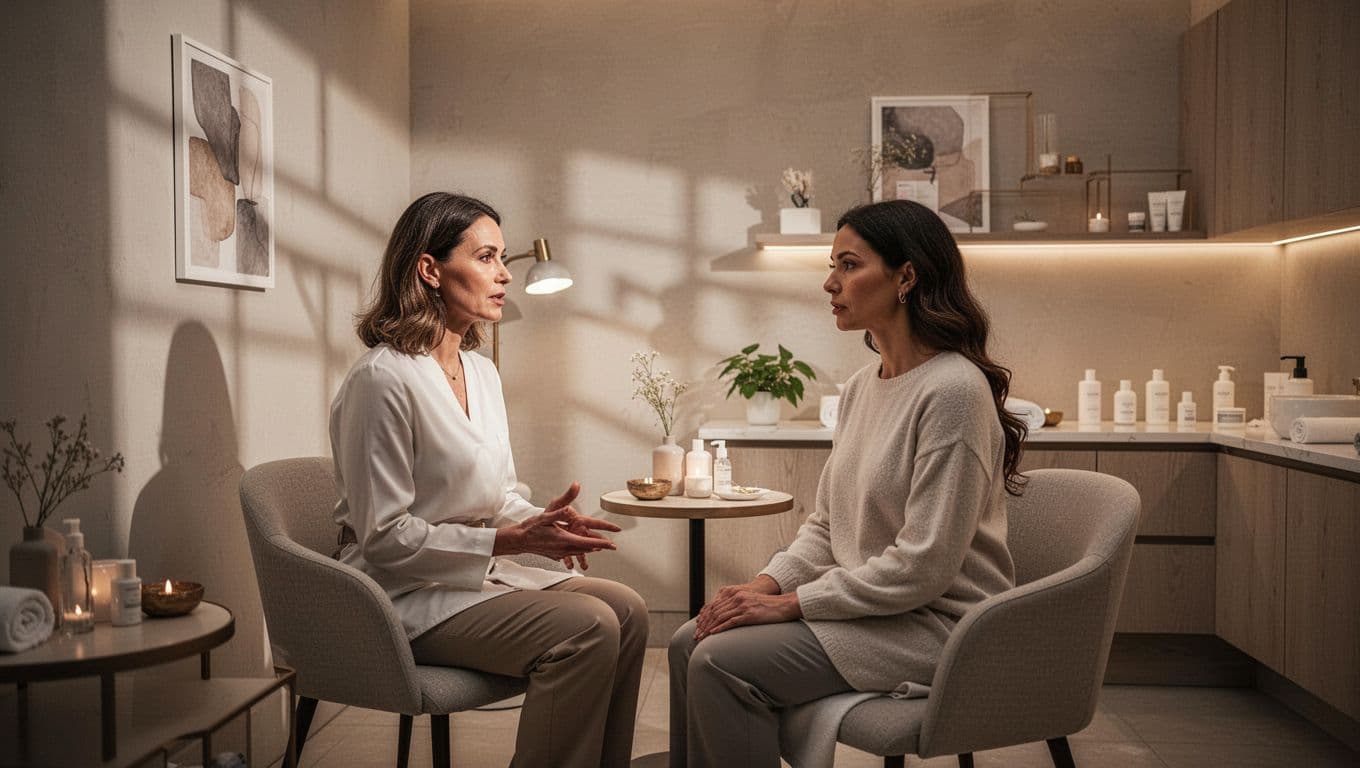
Times when massage should be postponed
Some days, the safest choice is to wait. If you have a fever, the flu, a cold, or another active infection, massage can add stress to a body that already needs rest. The same goes for contagious skin problems, open cuts, burns, or rashes in the area that would be treated.
Recent injury is another clear reason to hold off. A sprain, fracture, dislocation, fresh bruise, or recent surgery often needs healing time before massage makes sense. If you have strong, unexplained pain, swelling, or inflammation, that also deserves medical attention before any hands-on treatment.
Certain health concerns need extra care too, especially blood clot concerns, serious heart problems, uncontrolled high blood pressure, or complicated pregnancy. In these cases, a doctor should decide whether massage is safe and what kind, if any, is appropriate. The contraindications for massage list from the American Institute of Alternative Medicine gives a clear overview of situations where caution matters.
If you want a quick rule, use this one: when the body is fighting something, healing from something, or sending out pain signals you can’t explain, wait first and ask questions later.
How to keep the session comfortable and safe
A safe massage starts with honest communication. Tell the therapist about injuries, pregnancy, medications, skin sensitivity, or anything that feels off that day. If pressure starts to feel too strong, speak up right away. Good care should feel adjustable, like a chair with a backrest you can shift until it fits.
Pressure should work with your body, not against it. Deep work can help tight muscles, but it should never feel sharp, bruising, or overpowering. If your body tenses more as the therapist presses harder, that’s a sign to ease off. Comfort is not a bonus, it is part of the treatment.
Choosing a licensed or trained therapist also matters. A skilled therapist knows how to check for warning signs, modify the session, and respect your limits. When you’re booking a professional massage in Nairobi, look for clear communication, clean treatment space, and a therapist who asks about your health before the session begins.
A few simple habits make the whole experience safer:
- Share your health history before the massage starts
- Ask for lighter pressure if you feel tender or sore
- Stop the session if pain feels wrong or unusual
- Follow medical advice first if you are recovering from surgery or injury
Massage works best when it feels calm, clear, and well matched to your body. If something feels uncertain, trust that signal and get medical advice before you book.
Conclusion
Massage works best when it matches the reason you came in. A gentle session can settle a busy mind, while firmer work can ease the tight spots that build up in the neck, shoulders, and back. The real value is simple, good massage helps the body relax and gives the mind a break.
That is why the best session is never the same for everyone. Your pressure level, your comfort, and your goals all matter, and a skilled therapist should shape the treatment around them. When those pieces line up, massage feels less like a luxury and more like steady care for a tired body.
It also fits well into a healthier routine because the benefits can last beyond the table. Better rest, less tension, and a calmer mood make daily life feel lighter. If your body has been asking for relief, massage is a clear way to answer that need with care.
Consider making massage part of your regular self-care, especially when stress, stiffness, or fatigue start to build. A session that fits you well can bring real ease, and that kind of relief is worth returning to.