
Hot Oil Massage Benefits, What to Expect, and How It Helps
Warm oil on tense skin can feel like a slow exhale, especially when your shoulders are tight and your mind won’t settle. A Hot Oil Massage uses warmed oil and steady pressure to ease stiffness, soften dry skin, and help you relax in a way that feels calm, not rushed.
People often choose it when stress has built up, when muscles feel sore after a long week, or when they want a gentler massage with extra comfort. If you’re thinking about booking a session, this hot oil massage guide will help you understand the benefits, what the treatment feels like, and how to get the most from it.
What hot oil massage is and how it works
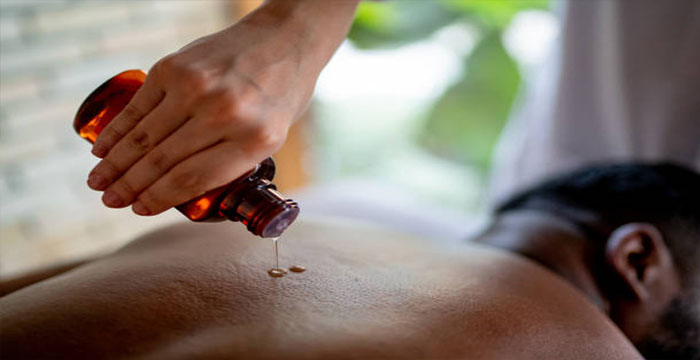
A hot oil massage uses warmed oil and steady hand pressure to ease tension across the body. The warmth helps the oil spread smoothly, so each stroke feels softer and more comforting on the skin.
That gentle heat does more than feel pleasant. It helps the muscles settle, encourages relaxation, and makes the massage easier to receive when you feel stiff, tired, or stressed. The result is a session that feels calm, slow, and deeply soothing.
The simple idea behind warmed oil and slow touch
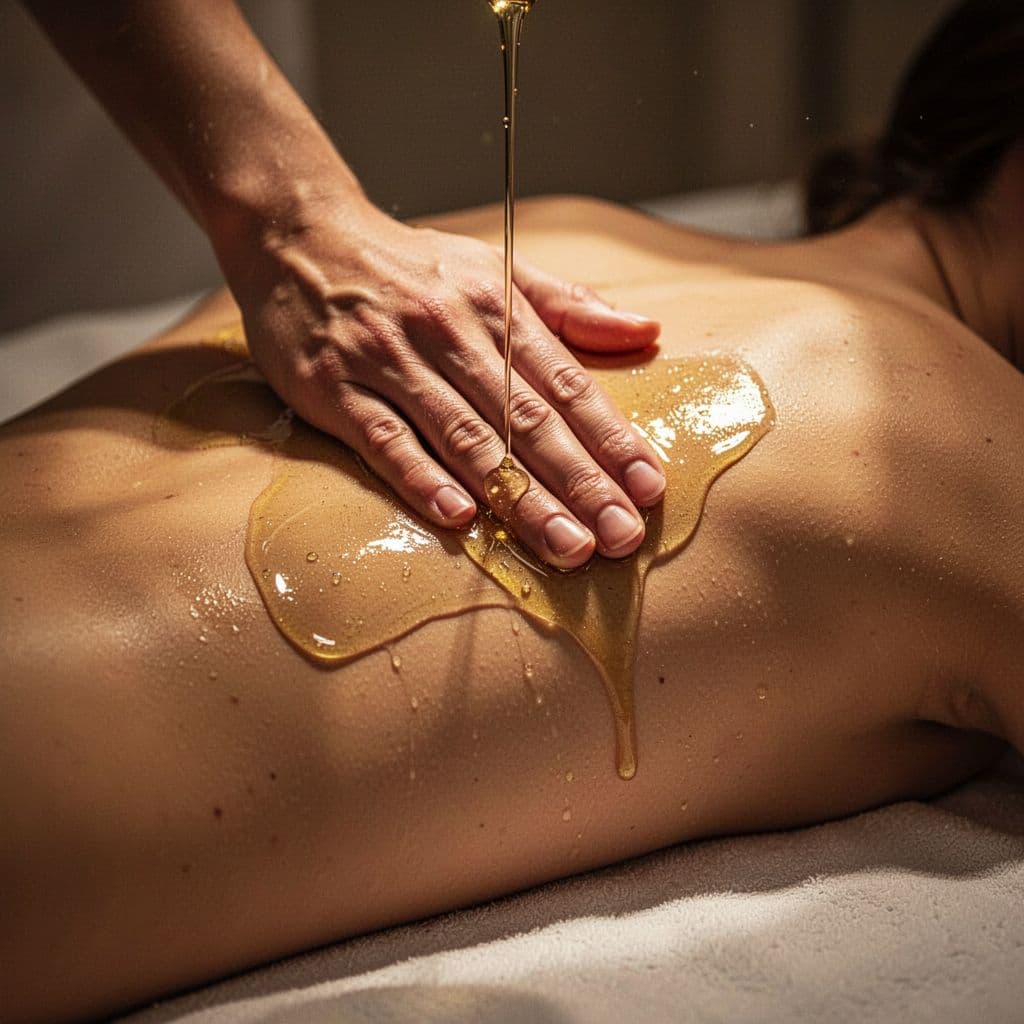
The idea is simple. Warm oil glides over the skin, and the heat helps your body relax before the pressure even begins. Your muscles usually respond better when they are not fighting against cold touch or dry friction.
As the therapist moves slowly, the warmth can help loosen tight spots and make the pressure feel more even. That matters when your shoulders feel knotted or your lower back has gone stiff after a long day.
The touch is usually gentle, steady, and unhurried. In other words, the session is designed to calm the body first, then work on the tension.
Warmth softens the start of the massage, so the body can settle instead of bracing.
That is part of why hot oil massage often feels more restful than a quick, firm rubdown. The heat acts like a soft opening note before the deeper work begins.
How hot oil massage is different from a standard massage
A standard massage may use dry hands, lotion, or regular oil at room temperature. Hot oil massage changes the feel right away because the oil is warmed before it touches the skin. That small shift can make the whole session feel richer and more nurturing.
The texture matters too. Warm oil tends to move more smoothly, so the therapist can use long strokes without dragging or pulling. For people who want relaxation, that softer glide can feel better than heavier pressure alone.
A regular massage often focuses on technique and muscle work. Hot oil massage adds a strong comfort element, which is why it appeals to people who want both relief and a calmer mood. If your body feels guarded, the warmth can help it loosen sooner.
For readers who want a broader look at massage options in the area, the massage services in Kilimani Nairobi page gives helpful local context.
What oils are commonly used and why they matter
The oil choice changes the experience more than many people expect. Some oils glide easily, some absorb faster, and some leave the skin feeling softer after the session. Scent also plays a part, since a light natural aroma can add to the sense of calm.
Common choices include:
- Coconut oil: Smooth, rich, and familiar. It often feels comforting on dry skin.
- Sesame oil: Traditional in many massage settings, with a warm feel and a slightly earthy scent.
- Almond oil: Light, silky, and easy to spread, which makes it a favorite for many massage sessions.
- Jojoba oil: Soft on the skin and less greasy, so it can work well for people who prefer a lighter finish.
The therapist may choose an oil based on your skin type, scent preference, and how much glide they want during the massage. That choice affects comfort in a practical way, because the right oil can make the touch feel smoother and more pleasant.
For a more detailed overview of the treatment itself, see the hot oil massage therapy benefits page, which explains how the technique is commonly used and what it aims to support.
When the oil, heat, and pressure work together, the session feels balanced. Your skin gets the softness of the oil, your muscles get the comfort of warmth, and your mind gets a chance to slow down.
The biggest benefits people notice after a hot oil massage
A hot oil massage feels simple at first, warm oil, steady hands, slow pressure. Still, the effects people notice most often go beyond comfort in the moment. Many leave feeling looser in the body, calmer in the head, and more at ease in their skin.
The best part is how practical the benefits feel. You may not walk out with a dramatic transformation, but you often notice small shifts that matter. Your shoulders sit lower. Your breathing feels easier. Your body feels less like a bundle of knots.
Why it can help tired muscles feel less tight
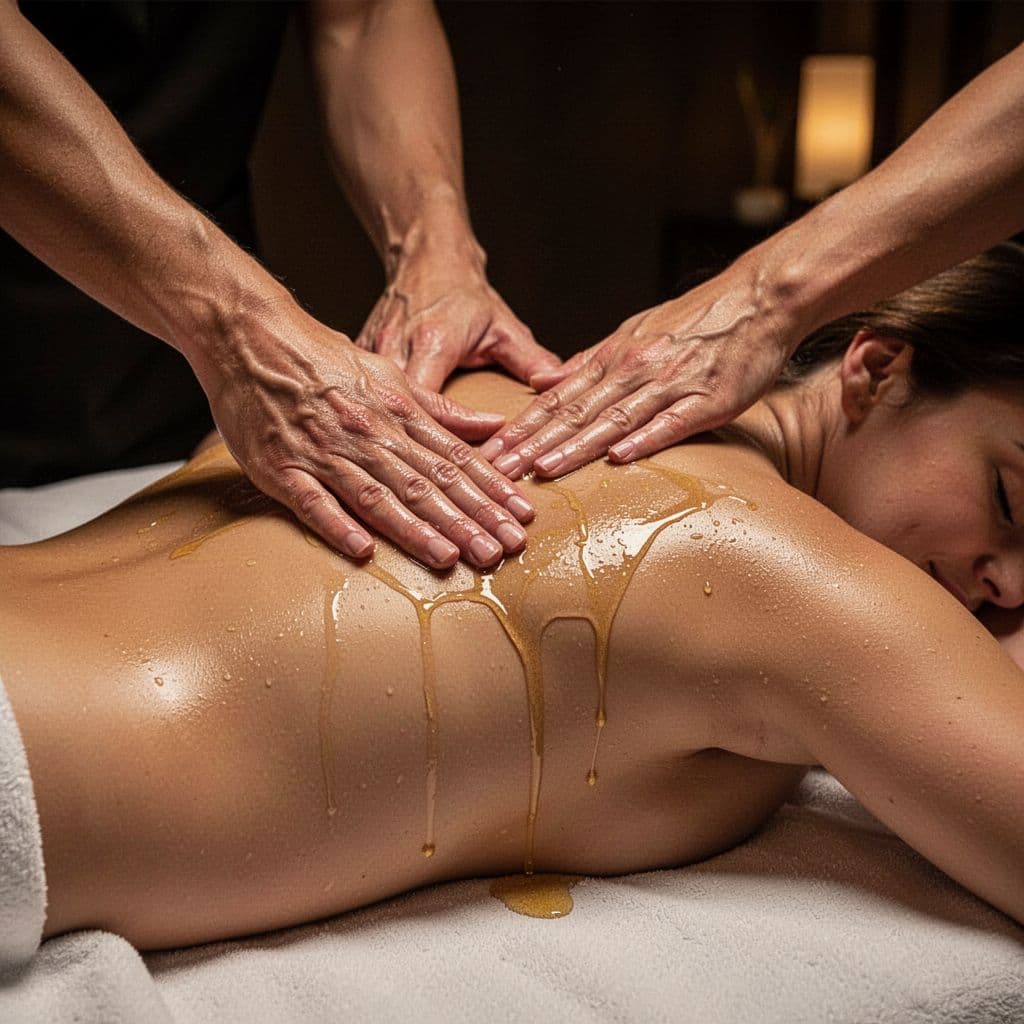
Warmth and massage work well together because they help the body stop bracing. When the oil is heated, the touch feels softer on contact, and that alone can make tight muscles settle more easily. Then the slow pressure can go to work on areas that feel stiff, sore, or overused.
This is one reason people often book a massage for sore muscles after a busy week or a long stretch of physical strain. The session can ease that heavy, cramped feeling that builds in the neck, shoulders, back, and legs. It may also help the body feel less weighed down, especially when tension has been sitting there for days.
The relief is usually gradual rather than sudden. A hot oil massage does not force muscles to change; it gives them a reason to let go.
Warm oil can soften the start of a session, so tight muscles do not feel attacked by the first touch.
How it may calm stress and quiet the mind
A hot oil massage often slows the whole pace of the day. The room feels warmer, the touch feels steadier, and the body starts to settle into the rhythm. That sense of being cared for can matter just as much as the physical work.
Stress has a way of staying in the body. Your jaw clenches, your shoulders lift, and your mind keeps running. A calm massage session gives you a break from that loop, which is why many people feel lighter and more grounded afterward. For some, it is the first time all week that they stop holding everything together.
A gentle, well-paced treatment can also make it easier to breathe slower and think less loudly. That is one reason many people enjoy aromatherapy massage benefits alongside warm oil work, since scent, heat, and touch can all support a calmer mood.
Common ways people describe the mental shift include:
- Less mental noise: The mind feels less crowded after a quiet session.
- More ease in the body: Comfort in the muscles often helps the mood soften too.
- A better pause point: The treatment creates space between a stressful day and the rest of the evening.
Ways it can support better sleep and deeper rest
A relaxing massage can leave you feeling settled in a way that makes rest come easier. After the session, the body often feels warm, calm, and less tense, which can help you ease into the night without carrying as much strain.
That calmer state matters because sleep often starts with how your body feels before bed. If your shoulders are tight and your mind is busy, settling down can take longer. A hot oil massage can help you arrive at that softer place sooner, with less physical restlessness and less mental clutter.
Many people notice they feel more peaceful after they shower, put on comfortable clothes, and slow down for the evening. The effect is not magic, but it is real enough to matter. A massage that relaxes the body can set the tone for a better night, especially when stress has been building for days.
Why skin often feels softer and more nourished afterward
The oils used during the massage do more than help the hands glide. They also leave a thin layer of moisture on the skin, which can make it feel smoother and less dry afterward. That softer finish is one of the easiest benefits to notice right away.
Depending on the oil used, your skin may feel more supple, less rough, and easier to care for after the session. Some oils absorb well and leave a light glow. Others feel richer and give dry skin a more cushioned, nourished feel. Either way, the skin often looks healthier because it is no longer as dry or tight.
That is part of the appeal of a hot oil massage, it supports comfort on both the inside and outside. The body gets the calm, and the skin gets the added softness.
People often notice:
- Less dryness
- A smoother feel
- A light, healthy-looking glow
For anyone who wants a treatment that feels good during the session and still leaves a pleasant finish afterward, that combination is hard to beat.
What to expect before, during, and after your session
A hot oil massage feels easier when you know the rhythm of the visit. The process is usually calm and unhurried, with space to settle in before the first stroke and time to rest after the last one. That steady pace is part of the comfort.
If this is your first visit, a little prep helps a lot. A simple plan keeps you relaxed, helps the therapist work with your body, and makes the session feel more personal.
How to prepare so you feel comfortable from the start
Start with a light meal a little before your appointment, not a heavy one. A full stomach can make it harder to lie face down and fully relax. Water helps too, so drink enough during the day without overdoing it right before you arrive.
Arriving early gives you time to breathe, use the restroom, and settle your thoughts. It also gives you a quiet moment to mention anything the therapist should know, such as skin sensitivity, recent injuries, sore spots, or areas you want left alone.
If you like a softer touch, say so. If you want firmer pressure, say that too. Clear communication helps the therapist adjust the session before discomfort starts. The same goes for scent preferences, oil choices, and whether you want a quiet room or light conversation.
A few small choices can make the visit smoother:
- Wear loose clothes that are easy to change in and out of.
- Leave jewelry and valuables at home or in a safe place.
- Mention any cuts, bruises, rashes, or allergies before the session begins.
- Speak up if you feel nervous, chilly, or unsure about the setup.
A good massage starts before the table, because comfort begins with clear communication.
If you want a broader look at first-visit etiquette, the massage preparation guide offers a helpful overview of what makes a session feel smooth from the start. For many people, that little bit of planning removes most of the stress.
What usually happens during the massage itself
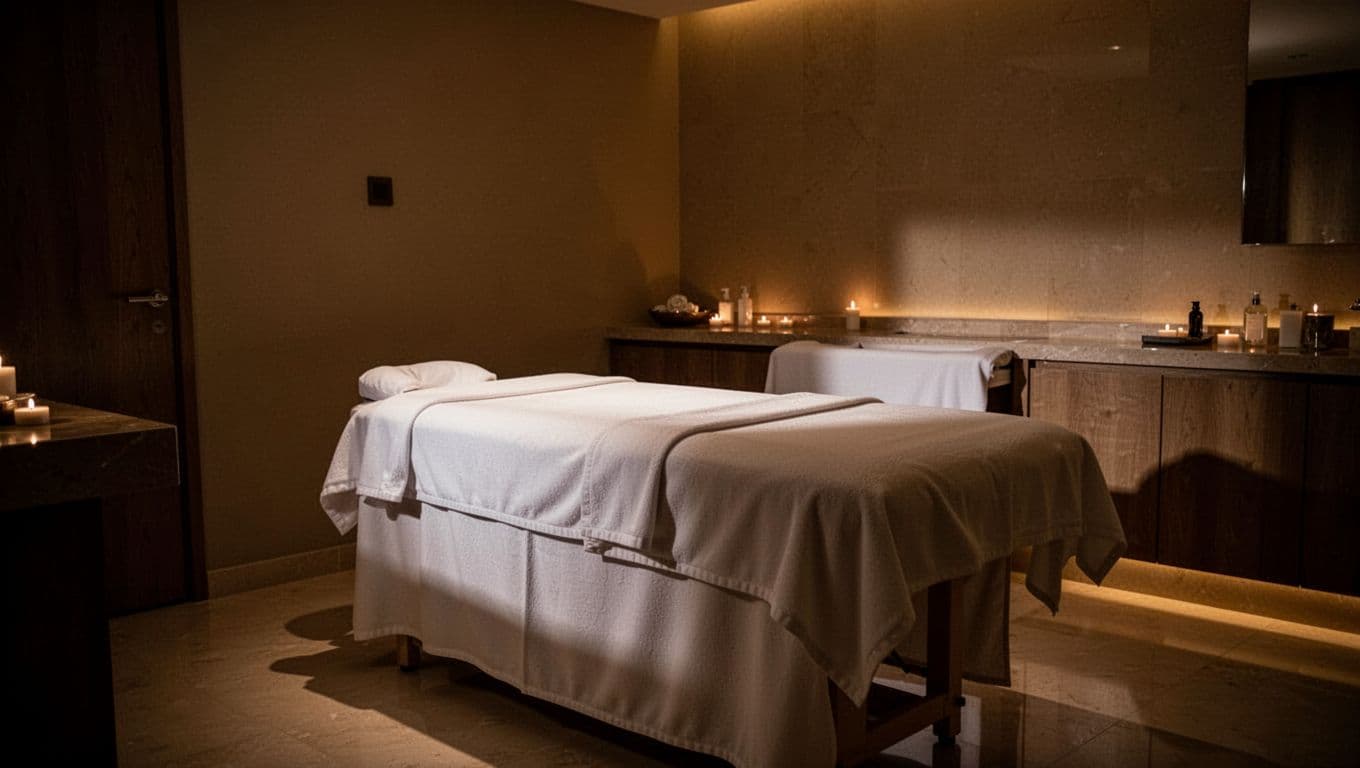
Once you’re ready, the therapist usually explains the flow of the session and steps out while you get settled. The room is often kept warm and quiet, with soft lighting and a calm pace that helps your body stop bracing. Warm oil may be tested first so it feels comfortable on the skin, not sharp or too hot.
The session often begins with long, smooth strokes across larger areas like the back, shoulders, and legs. Pressure may start light and then change based on how your muscles respond. Some parts feel like broad waves, while tighter spots get slower, more focused work. That rhythm helps the body loosen without feeling rushed.
During a hot oil massage, the therapist may spend extra time on the neck, upper back, lower back, calves, or feet, depending on what you need. The warmth lets the oil glide easily, so the touch feels fluid and even. If something feels too strong, too light, or too close to a sensitive area, you can say so right away.
The room itself matters more than people expect. A quiet space, steady hands, and warm oil all work together to create a sense of ease. If you enjoy the idea of a more personalized treatment, this local massage experience page explains how sessions are often tailored around comfort and pressure preferences.
What to do after the massage ends
When the massage ends, give yourself a few minutes before rushing back into your day. Sit up slowly, breathe, and let your body catch up. The shift from deep relaxation to movement can feel a little soft at first, and that is normal.
Hydration matters after the session because massage can leave you feeling warm and loose. A glass of water helps you settle, especially if the oil treatment made you feel extra relaxed. Some people also like to shower later, change into loose clothes, and keep the rest of the day calm.
That slower pace can help the effects last longer. A quiet evening, a gentle walk, or even a short nap can feel right after a hot oil massage. If your schedule allows it, taking it easy for the rest of the day gives your body time to fully absorb the benefit.
After the session, you may also want to notice how your body responds. Some areas may feel tender in a good way, while others feel surprisingly light. That settling period is part of the process, not a sign that anything is wrong.
Common feelings people notice right away
Many people feel warm almost immediately after the massage. The skin may feel soft, the muscles may feel less tight, and the whole body can seem slower in a good way. That warmth often lingers for a while, especially if the oil was rich and the room stayed cozy.
Another common feeling is heaviness turning into lightness. Shoulders that felt packed with weight can drop. Legs can feel easier to move. Breathing often becomes slower too, almost as if the body has finally stopped holding its breath.
Mood changes are common as well. You may feel quieter, calmer, and less keyed up than you were before the session. Some people leave with a clear head. Others feel gently sleepy, like the mind has been wrapped in a soft blanket.
Common right-away sensations include:
- Warmth on the skin
- A lighter, looser body
- Slower, easier breathing
- A calmer mood
These reactions are normal, and they usually fade into a steady, pleasant sense of ease. The best way to support that feeling is simple: drink water, keep the rest of the day calm, and let the body enjoy the pause a little longer.
Choosing the right hot oil massage for your needs
The best hot oil massage is the one that matches your body, your mood, and your comfort level. Some sessions should feel slow and deeply restful. Others should focus on tight shoulders, stiff legs, or a simple break from a busy week.
A little clarity before you book makes a big difference. When you know what you want, you can choose the pressure, oil, and setting that fit your day instead of guessing once you are already on the table.
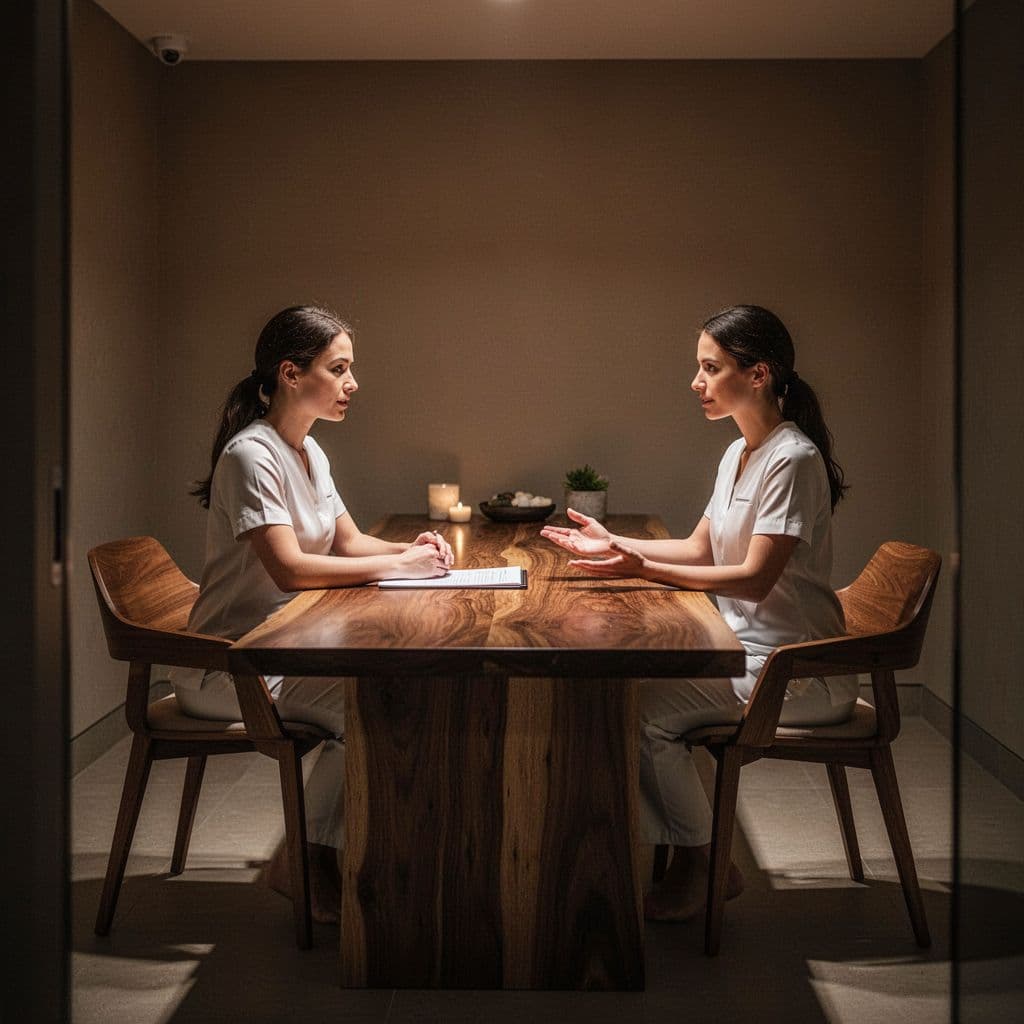
How to match the massage to your goal, relaxation, tension relief, or pampering
Start with the reason you want the session. If your goal is pure relaxation, ask for long, flowing strokes, lighter pressure, and a slower pace. That kind of session helps your body settle, which makes it easier to let go of mental noise too.
If you want tension relief, be direct about the areas that feel tight. A massage for locked-up shoulders or a stiff lower back usually needs more focused work, even if the overall style stays soothing. The therapist can spend extra time on those spots without turning the whole session into a heavy treatment.
Pampering asks for a different tone. You may want warmth, scent, and a softer touch that feels luxurious rather than corrective. In that case, the treatment should feel like a calm pause, with less focus on problem areas and more attention to comfort.
A simple way to choose is to think in terms of outcome:
- Relaxation works best with gentle pressure and a quiet room.
- Tension relief needs clearer communication about sore areas and preferred pressure.
- Pampering calls for warmth, scent, and a slower, more indulgent pace.
If you want a broader spa experience, the relaxing massage services page can help you compare options that fit different wellness goals.
The right session feels matched to your body, not copied from someone else’s idea of a good massage.
What to ask about pressure, temperature, and oil choice
A good booking starts with a few simple questions. Ask how much pressure the therapist can use and whether they can adjust it during the session. A hot oil massage should never feel too strong or too light for your body, so say what feels best before the treatment begins.
Temperature matters too. Warm oil should feel soothing, not hot on the skin. If you run warm, or if you dislike heat, mention that early so the therapist can keep the oil at a comfortable level. The same goes for the room itself, because a chilled room can make it hard to relax.
Oil choice deserves attention as well. Some people like lighter oils that absorb quickly. Others prefer richer oils that leave the skin feeling more cushioned afterward. If you have sensitive skin, ask what oil they use and whether it contains added fragrance.
Before you book, you can ask:
- What pressure levels do you offer for hot oil massage?
- How warm is the oil, and can it be adjusted?
- What oils do you use most often?
- Do you have lighter options for sensitive or oily skin?
- Can I mention allergies or skin concerns before the session?
For more on choosing oil texture and glide, this guide to professional massage oils explains why lighter and richer oils feel so different on the skin.
When a professional spa setting may be the better choice
A calm spa setting can lift the whole experience. Trained hands help, but the room matters too. Clean linens, warm lighting, quiet music, and a steady pace all make it easier to relax from the moment you arrive.
That matters even more if you want to fully switch off. At home, small distractions get in the way, like noise, cold air, or a rushed schedule. In a professional spa, the space is already prepared for comfort, so you can focus on how your body feels instead of managing the environment.
A spa setting can also be the better choice if you want guidance. A good therapist will listen, adjust pressure, and choose an oil that suits your skin and comfort level. That personal attention makes the session feel tailored, which is especially helpful if this is your first hot oil massage or you are unsure about pressure.
A spa visit also adds a small but important layer of care. You step into a room that feels separate from the rest of the day, and that change helps your body ease into rest faster. If you want a fuller wellness experience, Aroma Spa offers treatments that fit different levels of relaxation and body care, including Swedish massage in Kilimani for clients who prefer a classic, soothing style.
For a smoother choice, keep this in mind:
- Book a spa when you want a quiet, polished setting.
- Choose a home massage only if the setup is already calm and safe.
- Go professional if you want pressure adjustments, warm oil control, and a cleaner reset.
The right hot oil massage should leave you feeling cared for, not second-guessing the details. When the goal, pressure, oil, and setting all line up, the session feels natural from the first touch to the last breath.
Safety, skin comfort, and when to be careful
Hot oil massage should feel soothing, not uncertain. Most people tolerate it well, but a few health and skin issues call for a pause, a question, or a different treatment altogether. A little caution keeps the session comfortable and helps the therapist work with your body, not against it.
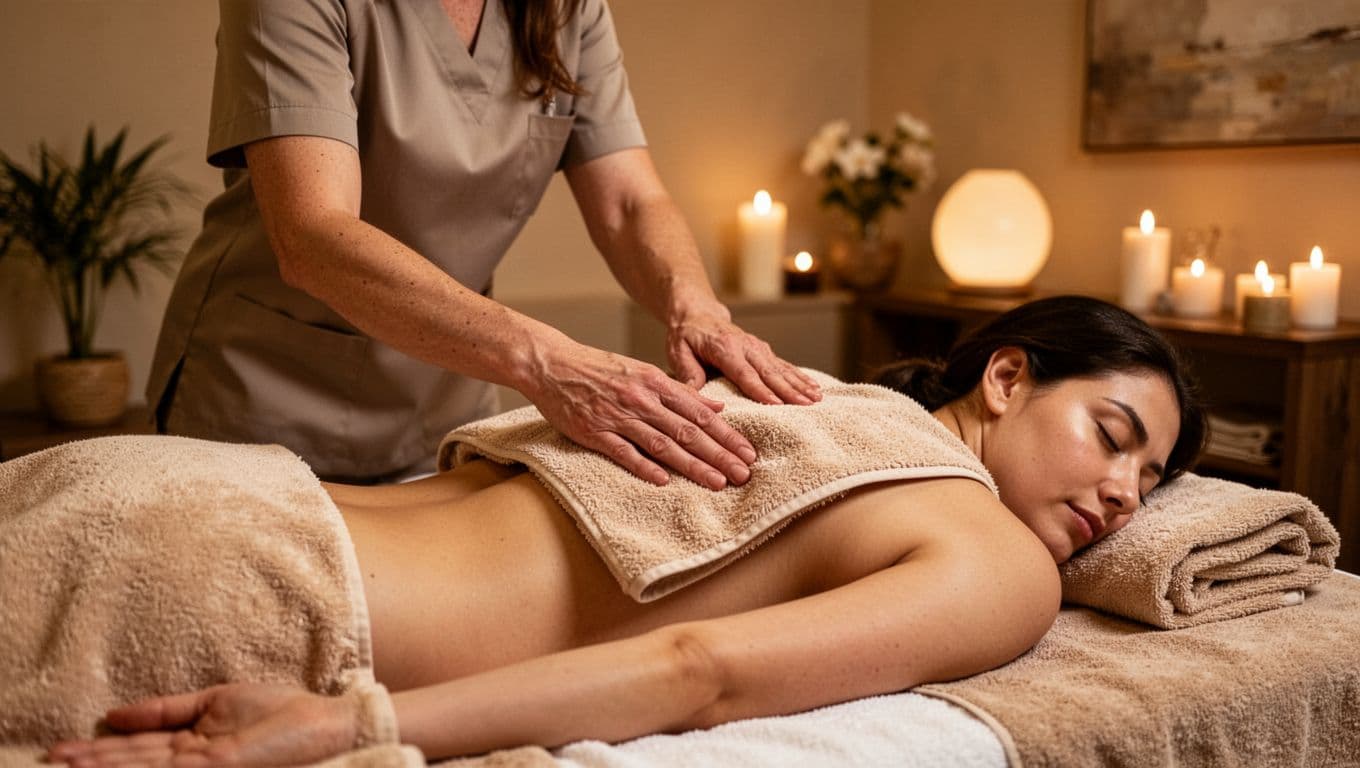
Who may need to check with a professional first
If your skin is sensitive, speak up before the massage starts. Warm oil can feel lovely on dry skin, but it may also trigger redness, itching, or a burning feeling if your skin reacts easily. The same caution applies if you have eczema, psoriasis, hives, open cuts, sunburn, or a fresh rash.
Recent injuries deserve extra care too. A sore ankle, a strained back, a bruise, or a swollen joint may need a gentler approach, or no massage over that area at all. In those cases, a therapist should avoid direct pressure and adjust the session to keep the body safe. The New York State massage precautions guide gives a clear example of why injury sites need special handling.
Pregnancy is another time to ask first. Many people enjoy massage during pregnancy, but the timing, position, pressure, and oil choice should fit the stage of pregnancy and any medical advice already given. If you have fever, feel unwell, or are fighting an infection, it’s best to wait until you feel well again.
You should also check with a medical professional if you have:
- A skin condition that flares easily
- A recent surgery or major injury
- A blood clotting issue
- Unexplained swelling, pain, or numbness
- Any concern that makes touch uncomfortable or risky
If anything feels off, don’t guess. A short conversation before the massage can prevent a lot of discomfort later.
How to avoid irritation or discomfort
A good hot oil massage starts with a small test, not a full commitment. Ask for a patch test if you have sensitive skin or if you’re trying a new oil. A drop on the inner arm or wrist can show how your skin reacts before the therapist uses it more widely.
Temperature matters just as much as the oil itself. Tell the therapist if the oil feels too warm, too cool, or if you’d like them to check the heat again. Warm should mean comforting, not sharp or stinging. If your body tends to run hot, mention that early so the room and oil stay balanced.
Pressure needs the same kind of honesty. If the massage starts to feel too firm, say so right away. You don’t need to wait until it becomes painful. The best sessions feel like a steady wave, not a tug-of-war.
Be clear if the oil feels heavy on your skin, especially if you dislike a greasy finish or want something lighter. Some oils sink in well, while others stay on the surface longer. That difference changes how the skin feels after the session.
A few simple habits make the whole experience smoother:
- Speak up before discomfort builds.
- Ask for gentler pressure on sore or sensitive spots.
- Mention allergies, fragrance dislikes, or skin flare-ups.
- Tell the therapist if you want more or less heat.
Comfort is easier to protect when you speak early, not after the body has started to tense up again.
When the therapist knows your limits, the massage can stay calm, safe, and pleasant. That’s the real goal, relaxed muscles, happy skin, and no surprises.
Conclusion
Hot oil massage brings the whole experience back to simple comfort: warm oil, gentle touch, and a body that slowly lets go. When the pressure, temperature, and setting match your needs, the session feels steady, restful, and restoring.
That is what makes it worth choosing with care. The right treatment supports sore muscles, soft skin, and a calmer mind without feeling rushed or harsh. If you want to see the options that fit your pace and comfort, explore our massage therapy treatments.
When you are ready for that warm, easing pause, let the session meet you where you are.