
Thai Massage in Nairobi: What It Is and Why It Helps
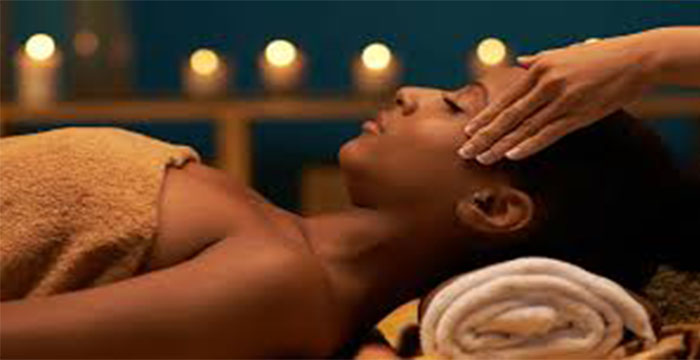
A calm room, warm light, steady hands, and pressure that eases into tight muscles, that’s the feeling many people want when they book Thai Massage. In a city like Nairobi, where long workdays, traffic, and screen time pile up fast, that kind of reset can feel less like a luxury and more like relief.
Thai massage is a hands-on treatment that uses stretching, pressure, and guided movement to loosen the body. Unlike a typical massage on a table with oil, it’s often done on a mat, with the client fully clothed, and the therapist uses hands, thumbs, elbows, forearms, knees, and sometimes feet to work through tension. The result is a treatment that feels part stretch, part pressure work, and part calm release.
That difference matters if your body feels stiff, your shoulders stay lifted, or your back carries the weight of a busy week. Thai massage can help with flexibility, muscle tightness, and general fatigue, while also giving you that slow, grounded feeling many people look for after a stressful stretch of days. If you want to compare it with other treatments, you can also explore professional massage services in Nairobi to see what fits your needs best.
The right massage should match both your body and your day. Thai massage often suits people who want movement as much as relaxation.
What follows will help you understand how Thai massage works, what it can help with, and how to choose it wisely so you get more than a short-lived sense of ease. You’ll also get a clearer picture of when this style of bodywork makes sense, and when another treatment might be a better fit.
What Thai Massage Is, in Plain Language
Thai massage is a traditional body treatment from Thailand that uses pressure, assisted stretching, and guided movement. Instead of lying still while someone works on one sore spot, you move through a series of stretches that feel organized and purposeful. It is often done on a mat, with the client fully clothed, and it usually uses no oil, so the experience feels different right away.
The pace is steady and hands-on. A therapist may press along the legs, hips, back, shoulders, and arms, then guide you into a stretch that opens the body a little more. For many people, that mix of pressure and movement feels active, but not harsh.
If you want a broader look at treatment options, massage pricing and session lengths can help you compare what fits your time and comfort level.
How it is different from a regular massage
Thai massage feels different from Swedish, deep tissue, and most common spa treatments because the setup changes the whole rhythm. Swedish massage usually happens on a table, with oil, smooth strokes, and light to medium pressure. Deep tissue often uses firmer, slower work on tight muscles, but it still stays focused on the table and on direct muscle pressure.
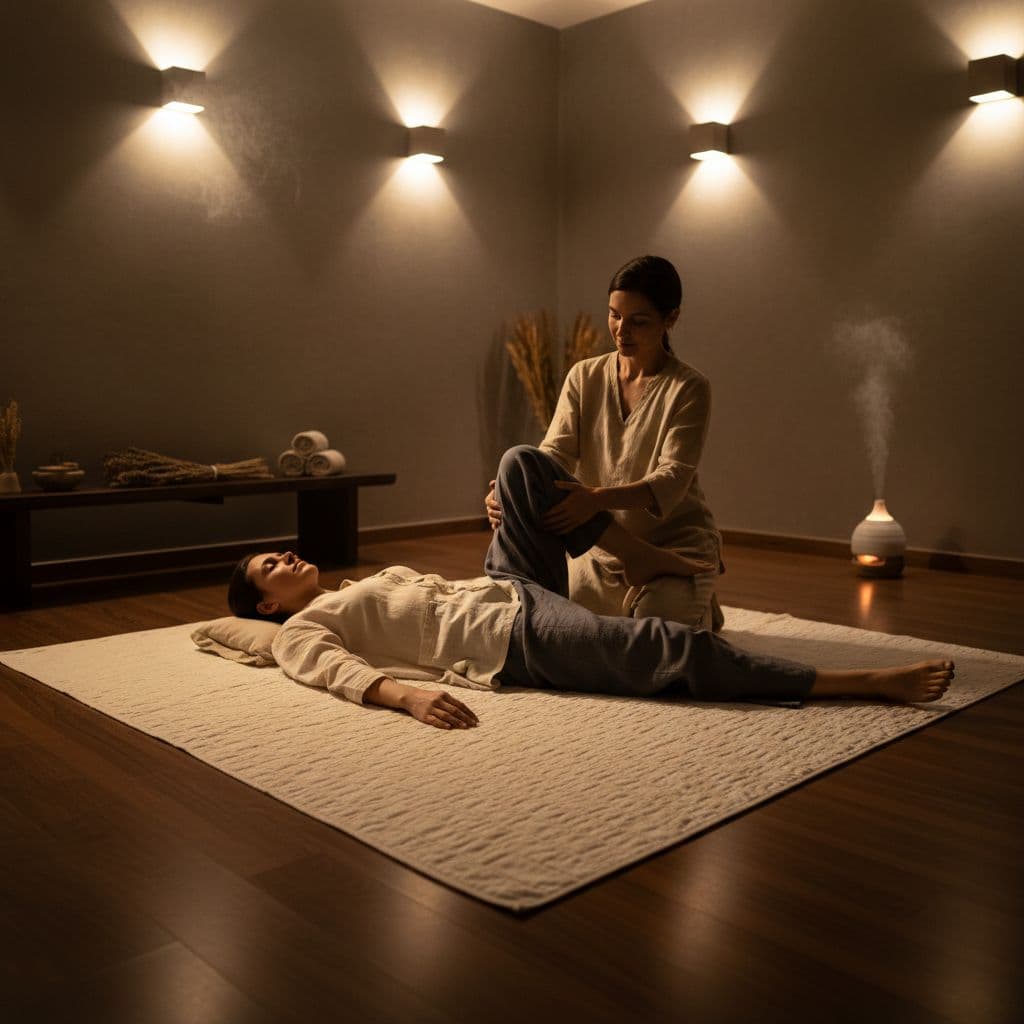
Thai massage asks more of the body. You stay dressed in loose clothes, the therapist works on a mat or floor surface, and the session includes more movement. Instead of long gliding strokes, you get compression, joint movement, and stretches that open the body like a folded map.
That is why many people leave a Thai massage feeling refreshed rather than sleepy. The body has been moved, lengthened, and pressed in a way that wakes up stiff areas. If you usually picture spa massage as quiet and passive, this style feels more like a guided reset. For a general sense of what a calm session can look like, the Cleveland Clinic’s overview of Thai massage also explains the basics clearly.
Why people call it assisted yoga
The phrase makes sense because the therapist helps your body move through stretches you would not do alone. Your legs may be guided into a wider shape, your shoulders may be opened gently, or your back may be lengthened with support. You stay relaxed while the therapist does the work of holding, guiding, and adjusting.
That flow is what gives Thai massage its distinct feel. One part is pressure, one part is stretch, and one part is rhythm. The body moves in a slow sequence, almost like a quiet class where someone else is spotting you and leading each position.
Thai massage feels active because the therapist is not only pressing muscles, they are helping the body move through them.
This is why the treatment often appeals to people who feel stiff after long hours at a desk or in traffic. It gives the muscles room to lengthen while the joints get a gentle pass through their range of motion. In plain terms, it feels like your body gets a careful reset instead of a simple rubdown.
The Main Benefits You Can Expect From Thai Massage
Thai massage is popular for a reason. It gives your body room to move, your muscles time to soften, and your mind a chance to slow down. For many people, that mix is what makes it feel so useful after long workdays, workouts, or weeks of sitting too much.
The benefits are practical rather than dramatic. You may leave feeling looser, lighter, and less drained. If you want a fuller breakdown of the treatment itself, the Thai massage guide explains the method in more detail.
Better flexibility and easier movement
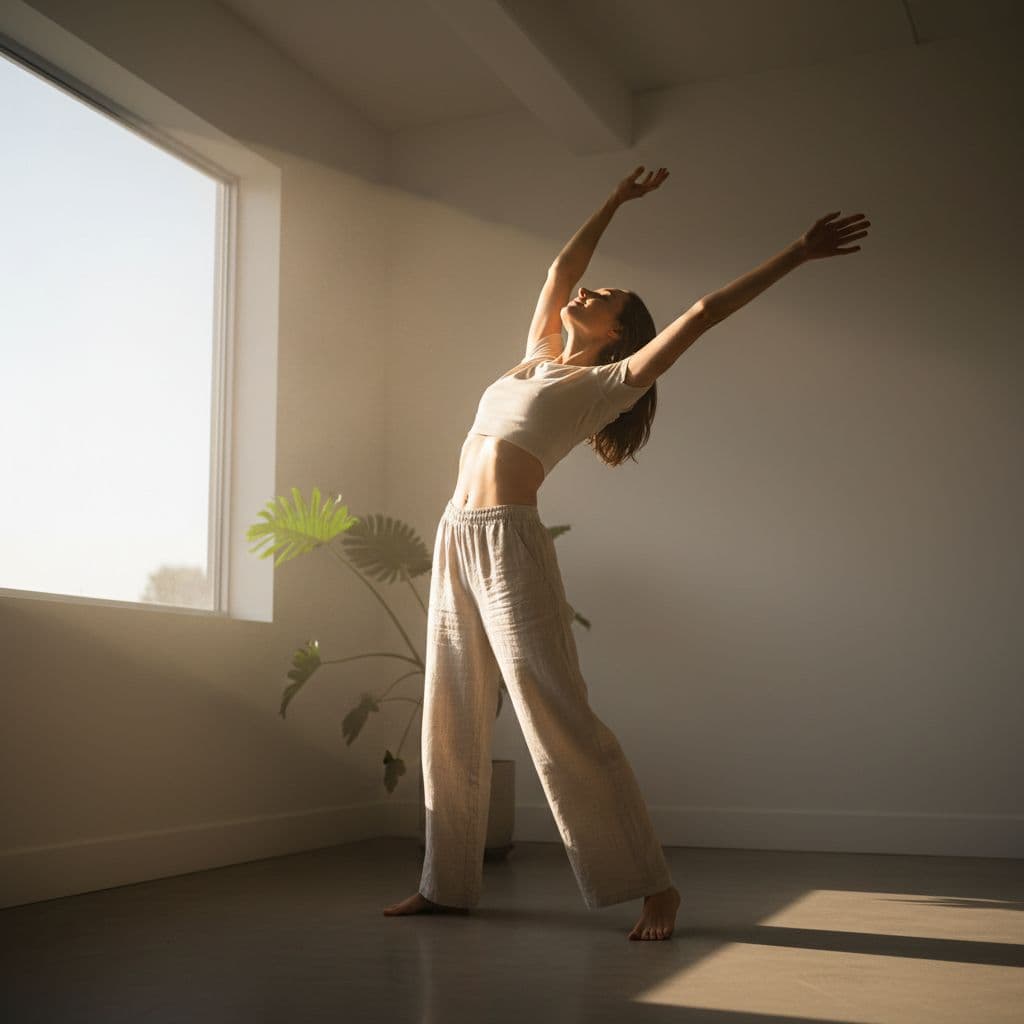
One of the clearest benefits of Thai massage is better flexibility. The guided stretches help loosen tight muscles, and that can make everyday movement feel smoother. If your shoulders stay hunched over a desk, or your hips tighten after sitting in traffic, those stretches can bring back some ease.
This also helps after exercise, when muscles feel short and stiff. Thai massage works through the body in a way that supports range of motion, so bending, reaching, and twisting can feel less restricted. It doesn’t force the body, it invites it to open.
Less stress, tension, and mental fatigue
Thai massage can also help your nervous system settle. The slow rhythm, steady pressure, and guided movement create a pace your body can follow without fighting back. As the session goes on, many people feel their breathing slow and their jaw unclench.
That mental shift matters. When the body stops bracing, the mind often feels less crowded too. The result is a lighter, calmer feeling that can last beyond the session itself.
For a research-based look at these effects, this review on Thai massage and pain relief shows how bodywork can support short-term relief and movement comfort.
Support for sore muscles, poor sleep, and low energy
People often book Thai massage because something feels off in a very ordinary way. A stiff back, tight neck, tension headaches, restless sleep, or a heavy, run-down feeling can all push someone toward treatment.
Here are the most common reasons people look for it:
- Back and neck stiffness: Long hours at a desk can leave the upper body tight.
- Tension headaches: Pressure in the shoulders and neck can build into head pain.
- Poor sleep: A calmer body can make it easier to wind down at night.
- Low energy: Feeling physically stuck can make the whole day feel slower.
Thai massage may help with these concerns, but results vary from person to person. Some people feel better right away, while others notice changes after a few sessions. Even then, the goal is usually simple, less strain, less tightness, and a body that feels easier to live in.
For a broader look at how massage can affect sleep, stress, and muscle tension, Medical News Today’s overview offers a helpful summary.
What Usually Happens During a Thai Massage Session
A Thai Massage session follows a calm rhythm. You arrive, settle in, talk briefly with the therapist, and then move through pressure and stretches that are guided, steady, and controlled. For first-time clients, that clear flow matters because it removes much of the guesswork.
The experience is usually more interactive than a standard spa massage. You stay clothed, you communicate as the session begins, and the therapist adjusts the treatment to match your body that day. If you want a broader sense of the intake process, the beginner’s guide to massage therapy in Nairobi gives helpful background before you book.
Getting ready before the session starts
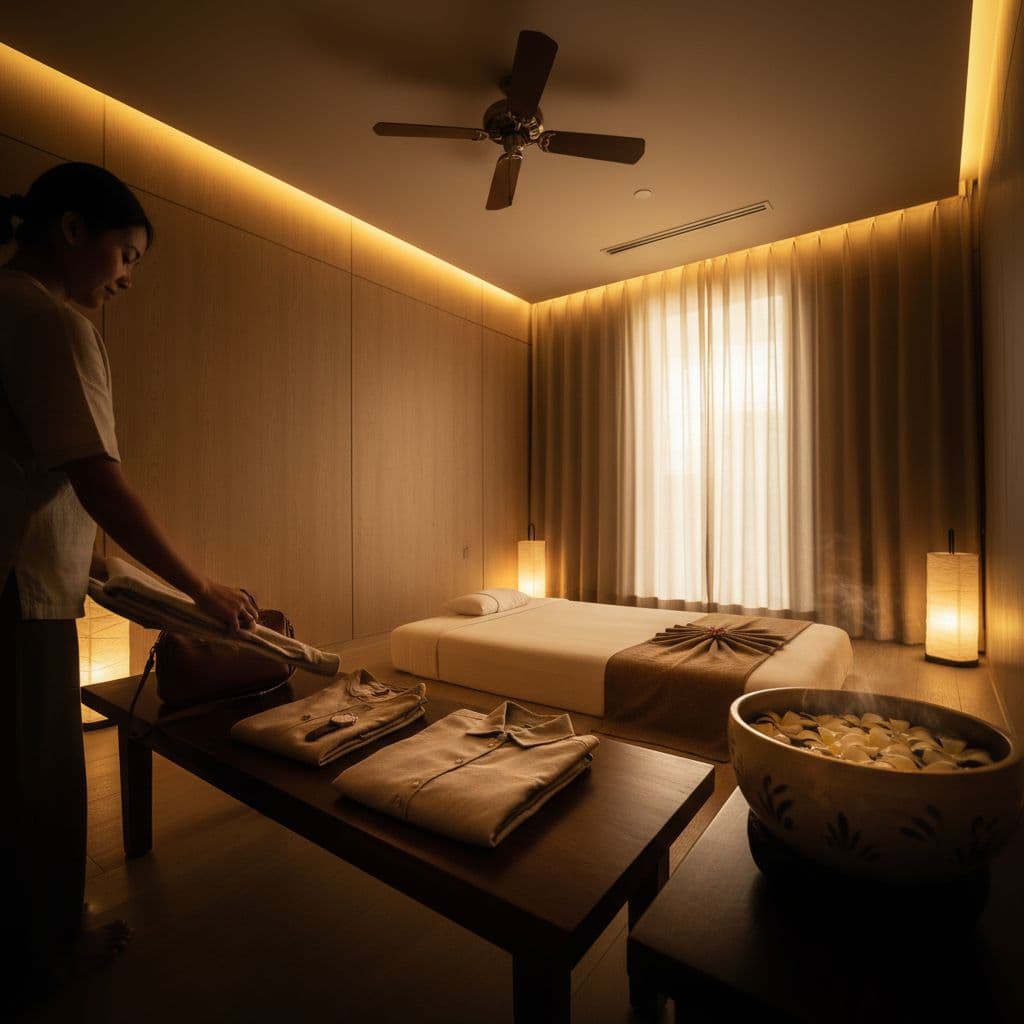
For Thai Massage, loose clothing works best. Think soft leggings, sweatpants, a roomy T-shirt, or any outfit that lets your body bend without resistance. Most people stay fully dressed, so there is no need to worry about oil or undressing.
The room is usually quiet, warm, and simple. You may see a mat, cushions, folded towels, or a low massage setup instead of a high table. Before the work begins, the therapist may ask about your comfort level, pain points, injuries, pregnancy, or any health concerns that could change the session.
That short conversation matters. If a stretch feels too strong or a joint feels sensitive, speak up early. Clear communication helps the therapist adjust pressure and movement before discomfort builds.
The pressure, stretches, and body movements

During the session, the therapist may use hands, thumbs, elbows, knees, forearms, or feet, depending on training and style. The pressure can feel light, medium, or firm, and it often moves in a steady pattern across the body.
A Thai Massage session also includes guided stretches. Your legs, back, shoulders, and arms may be moved carefully into new positions, almost like assisted yoga without any effort from you. The therapist controls the pace, so the body opens gradually instead of being pushed.
Good Thai Massage should feel controlled, not forced. The stretch should open space in the body, not create strain.
The session often moves along the whole body in sections. First the lower body may be worked on, then the hips and back, followed by the shoulders, arms, neck, and head area if the therapist includes it. For more on techniques and bodywork styles, Thai massage techniques explained breaks down the movement in a clear way.
How the session ends and what you may feel afterward
The finish is usually slow and calm. The therapist eases out of the final stretches, reduces pressure, and lets the body settle before the session ends. That last few minutes often feel soft and quiet, almost like waking up after a good rest.
Afterward, many people notice warmth, lightness, or a looser feeling in the muscles. Others feel deeply relaxed and ready to rest. Some feel alert and energized, especially if the session focused on mobility and circulation. Both responses are normal.
A little care after the massage helps the body settle. Drink water, rest for a short while if you can, and avoid rushing into a heavy schedule right away. If you want to understand why clients describe the treatment this way, what to expect from your first Thai massage session offers a useful outside perspective.
In short, Thai Massage feels smooth when the whole session flows well, from arrival to the final stretch. When you know what happens, it becomes much easier to relax and enjoy the treatment.
Who Thai Massage Is Best For, and When to Be Careful
Thai Massage fits some bodies and schedules better than others. It works well when you want movement, pressure, and stretching in one session, but it also asks you to be honest about your health and comfort level. That balance matters, especially if you live with a busy routine and your body carries the strain.
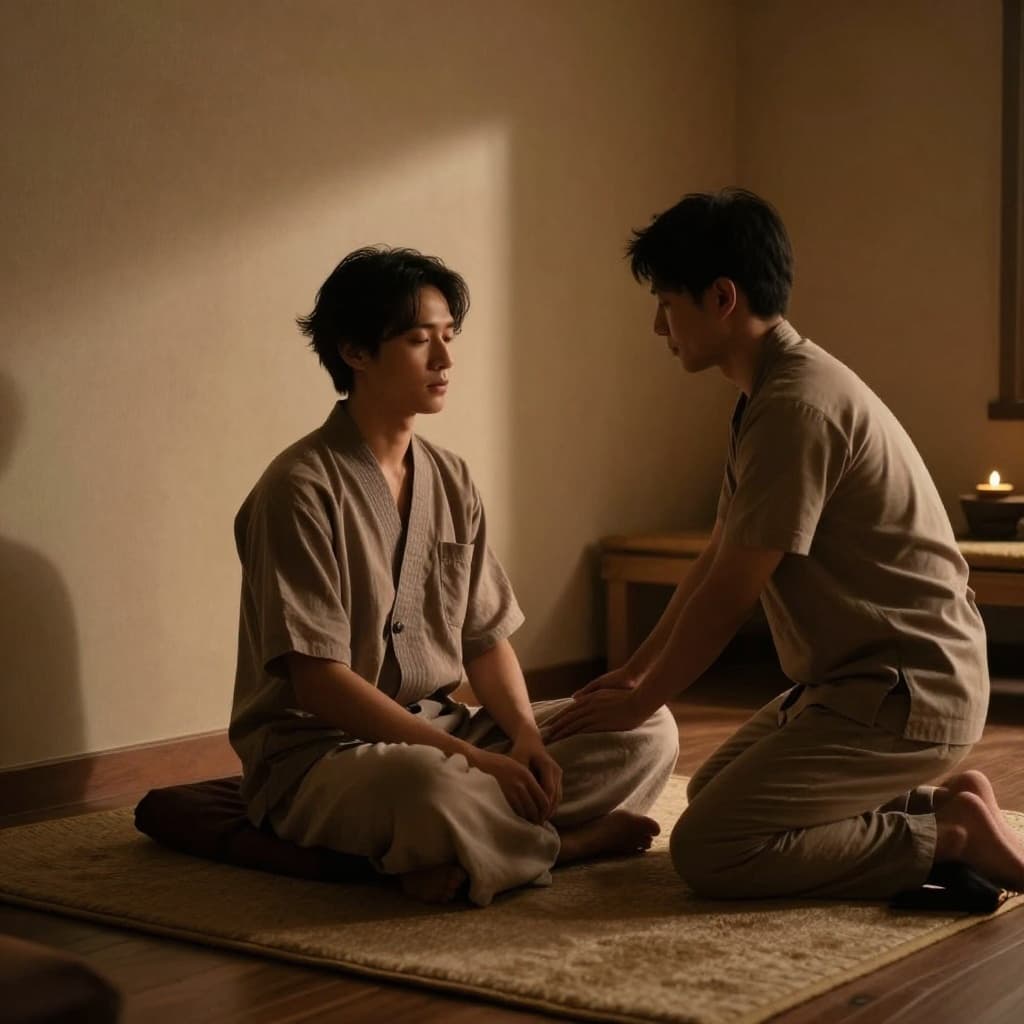
People who may benefit most
Office workers often feel Thai Massage in the right places first. Tight shoulders, a stiff neck, and a lower back that feels locked after hours at a desk can all respond well to slow stretching and steady pressure. If your day starts with email, moves through meetings, and ends in traffic, your body may be asking for space.
Active people can also get a lot from it. Runners, gym-goers, dancers, and people who spend long hours on their feet may enjoy the way Thai Massage helps muscles feel less short and joints feel easier to move. The session can feel like a reset after repeated strain.
Travelers and anyone running on low battery may notice the difference too. Long flights, road trips, heavy bags, and irregular sleep can leave the body flat and the mind crowded. Thai Massage gives you a chance to slow down, breathe, and let the tension ease out of the system.
For many people in Nairobi, that matters after a full day of work, errands, and long commutes. If your body feels tight, tired, or mentally overloaded, a regular massage routine may help you stay ahead of that buildup instead of waiting until everything aches at once.
Cases where you should ask first
Some people should check with a health professional before booking. That includes anyone who is pregnant, recovering from surgery, or healing from a recent injury. It also includes people with heart concerns, blood pressure issues, joint problems, weak bones, or other conditions that make firm pressure or deep stretches a bad fit.
If you have sciatica, a herniated disc, blood clots, a skin infection, or a fever, it is better to pause and get advice first. The same goes for anyone in cancer treatment or living with a condition that affects nerves, bones, or circulation. A careful massage can still be possible in some cases, but it should match medical guidance and the therapist’s training.
When in doubt, ask before you book. A good session should help your body feel safer, not more strained.
A trusted spa will welcome that conversation and adjust the treatment if needed. For a broader look at gentle options, the American Massage Therapy Association explains how massage can be adapted for different needs, while this Thai massage precautions guide gives a clear overview of common safety concerns.
How to speak up if something feels wrong
Thai Massage should feel firm at times, but it should never feel sharp or unsafe. If the pressure is too strong, say so right away. If a stretch pulls in a bad way, let the therapist know before it turns into pain.
You can also ask for a slower pace, smaller movement, or less work in one area. A simple sentence like “that feels too intense” or “please go easier on my shoulder” is enough. Clear words help the therapist adjust fast.
Comfort and consent matter throughout the session. Your body should stay relaxed enough to breathe, soften, and follow the work. If something feels off, speaking up is part of getting the benefit you came for.
Many people also like to mention old injuries, sensitive joints, or a spot that flares up under pressure before the session begins. That small step helps the therapist avoid mistakes and shape the treatment around your body, not the other way around.
How to Choose a Good Thai Massage in Nairobi
A good Thai Massage should feel steady from the first greeting to the final stretch. In Nairobi, that means looking for more than a pretty room or a low price, because the real difference shows up in the therapist’s hands, the spa’s hygiene, and the way the session is adjusted to your body.
The best treatment feels controlled, calm, and personal. It should give you room to breathe, not a routine that feels copied and pasted on everyone who walks in.
Signs of a skilled therapist
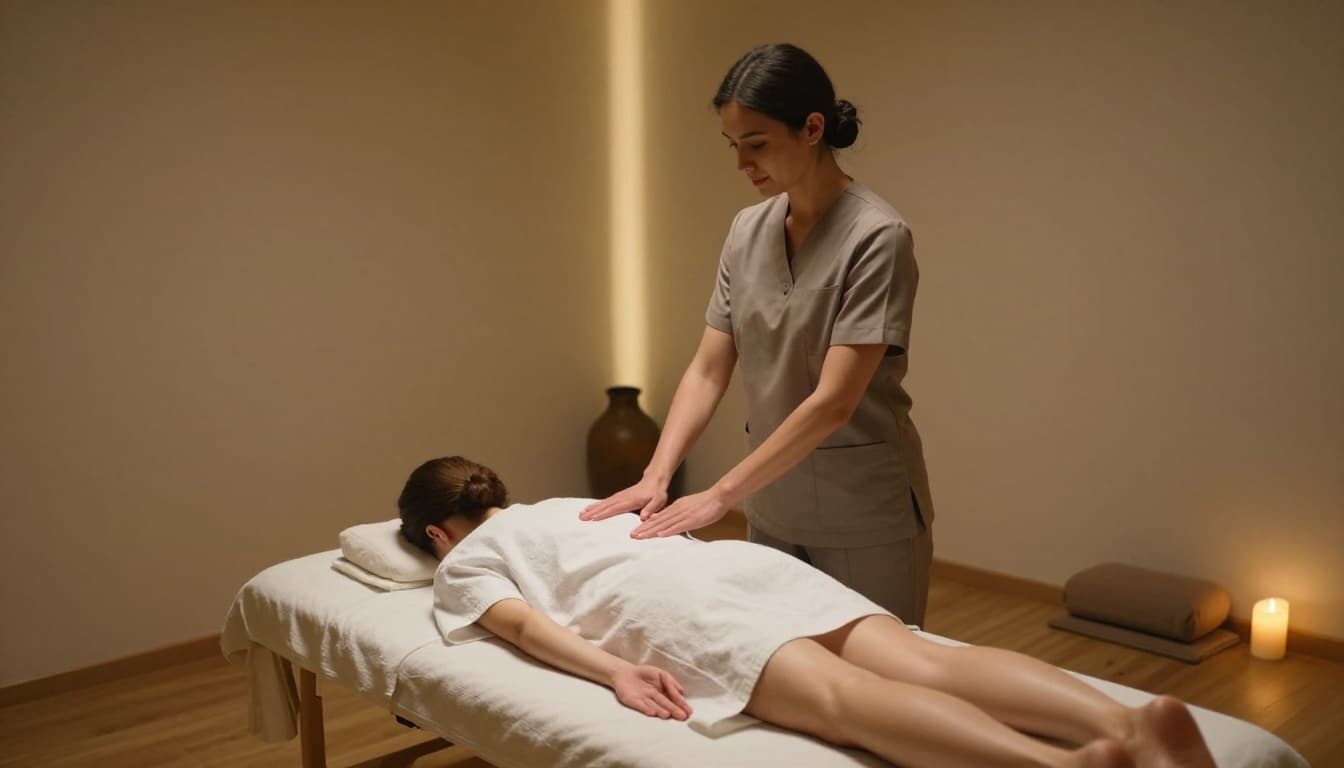
A skilled Thai Massage therapist moves with confidence, but never with force. Their touch feels firm and controlled, and their pace stays calm even when the work gets intense. You should feel that they know where they’re going and why.
Good communication is another clear sign. A capable therapist asks about sore areas, injuries, recent strain, or anything that needs care before they begin. They listen, then adjust the session instead of pushing ahead with the same sequence for every client.
Pay attention to hygiene too. Clean hands, trimmed nails, fresh linens, and neat clothing all matter. These details may look small, but they tell you a lot about the standard of care inside the room.
A strong session also feels responsive. The therapist should ease up when you need less pressure and work more slowly when a stretch feels tight. If the treatment feels rigid or rushed, that is a warning sign. A good therapist treats your body like a map, not a checklist.
For more on what a full-body massage experience should support, the health benefits of professional massage therapy are a useful reference point.
Good Thai Massage should feel guided, not forced. The therapist should shape the session around your body, not push your body around the session.
What a clean and peaceful spa should feel like
A clean spa gives you confidence before the massage even starts. Fresh linens, tidy floors, folded towels, and a room that smells clean all help set the tone. When the space feels cared for, the treatment usually follows that same standard.
Order matters here. You should not see clutter, old products lying around, or signs that the room was rushed between clients. A quiet space, a welcoming staff member, and a calm voice at check-in all help your body relax before anyone touches it.
Temperature and sound also shape the experience. The room should feel comfortable, not too hot or too cold. Meanwhile, the atmosphere should stay peaceful enough that you can settle in without distraction.
In Nairobi, where the day can feel loud and crowded, that kind of room matters even more. It gives the massage a clear edge over a casual rubdown. A clean, peaceful spa helps the body switch out of alert mode and into recovery mode.
A good spa also respects privacy and time. You should not feel hurried, exposed, or ignored. The best spaces feel organized in a simple way, like everything has its place and nothing is left to chance.
Questions to ask before you book
A few short questions can save you from a poor session. Ask them before you confirm the booking, especially if it is your first time with Thai Massage.
A simple booking call or message should cover the basics:
- How long is the session?
Short sessions can be good for a quick reset, while longer ones allow more work on tight areas. - What pressure style do you use?
Some therapists work gently, while others use firmer compression and deeper stretches. - What should I wear?
Most Thai Massage sessions use loose, comfortable clothing, so it helps to know what the spa expects. - Can the treatment be adjusted for sore areas?
This matters if your back, neck, hips, or shoulders need special care. - Do you have experience with injuries or sensitive joints?
A good therapist will answer clearly and tell you if the session needs to be modified.
If you want a broader sense of what to expect before booking, massage pricing and session lengths can help you compare your options more easily.
A good spa should answer these questions without irritation or vague replies. Clear answers usually point to clear service, and that is exactly what you want when choosing Thai Massage in Nairobi.
Conclusion
Thai massage leaves its mark because it works on two levels at once. The body gets stretched, pressed, and loosened, while the mind gets space to slow down. That mix is what makes it feel active and restorative in the same session.
For people in Nairobi who carry tension in their neck, back, hips, or shoulders, that matters. A good session can ease stiffness, support movement, and leave you feeling lighter without losing the calm people come to spa treatment for. If you are comparing places, top-rated massage spas in Nairobi can help you start with a trusted option.
The best results come from a therapist who listens, adjusts, and knows how to work with your body instead of against it. Ask clear questions, mention old injuries, and choose a place that feels clean, calm, and careful from the start. When those pieces line up, Thai massage feels less like a quick escape and more like a steady reset you can trust.