
Swedish Massage: Benefits, What to Expect, and Who It Fits
A Swedish massage is the classic choice when you want to slow down, loosen tight muscles, and leave the table feeling lighter. At Aroma Spa, many clients look for it first because it fits those moments when stress has built up, sleep feels off, or your body needs a calmer touch.
This style uses long, smooth strokes, kneading, and gentle pressure to help the body relax without feeling too intense. If you’re wondering what it feels like, why people keep coming back for it, or whether it suits your needs, this guide keeps it simple and clear.
You can also check Aroma Spa’s Google Business page for service details, then keep reading to see what Swedish massage does, how it helps, and when it’s the right fit for you.
What Swedish massage really is, and why so many people love it
Swedish massage is the style most people picture when they think of a classic spa session. It uses steady pressure, flowing strokes, and a calm rhythm that helps your body settle down instead of bracing up.
That’s a big reason people return to it again and again. It feels familiar, approachable, and comforting, which matters when you want relief without a hard push.
If you want to compare options or check what fits your budget, Aroma Spa’s massage session rates give you a simple place to start. You can also find updates and service details on the Aroma Spa Google Business page.
The main strokes you will feel during a session
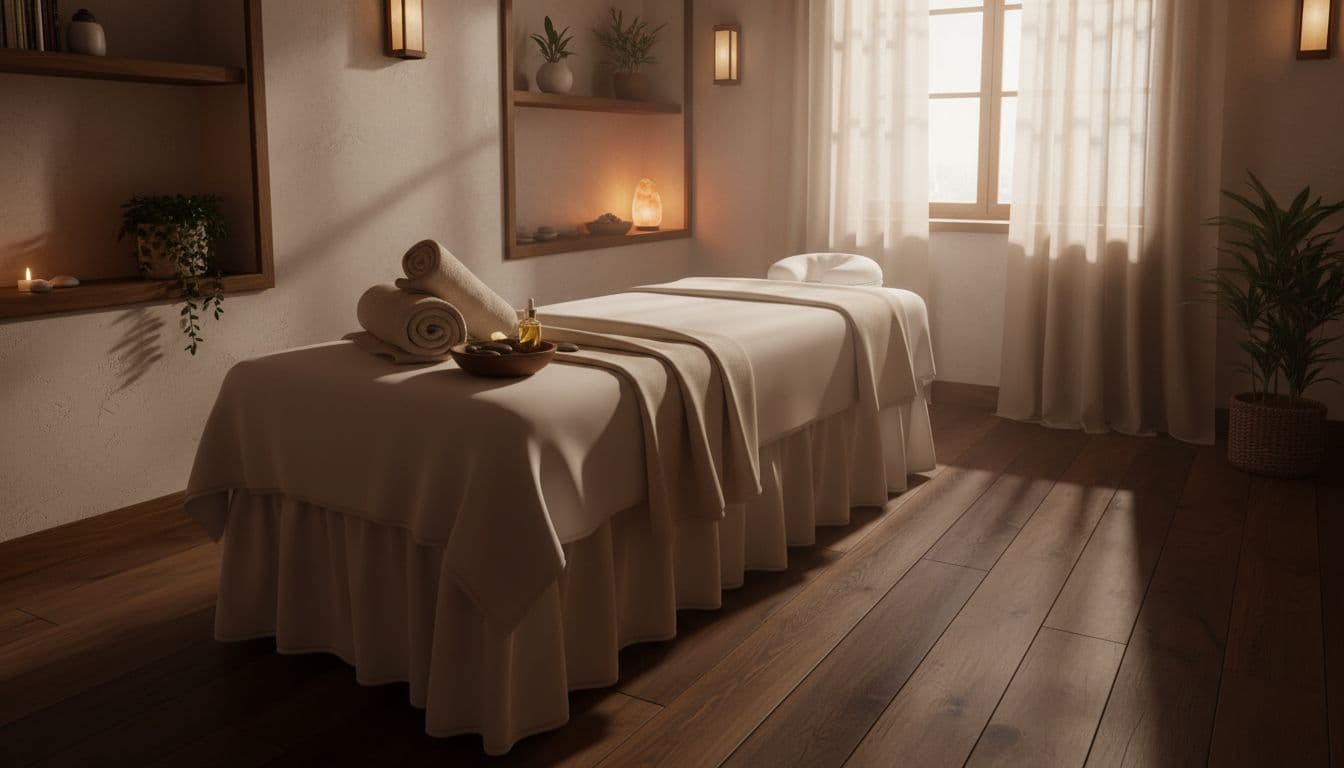
A Swedish massage usually combines a few basic strokes, and each one has its own feel on the body. The therapist moves with a steady flow, so the work feels connected rather than choppy.
The first stroke you’ll notice is effleurage, which uses long, gliding movements. It feels smooth and warm, almost like a slow wave moving over the skin, and it helps the body relax at the start and end of the session.
Next comes petrissage, which is the kneading and lifting motion. This feels a little deeper, like muscles are being gently worked loose, and therapists use it to ease tension in fuller areas such as the shoulders, back, and legs.
You may also feel tapping, sometimes called tapotement. It uses light, rhythmic taps that feel brisk and energizing, which can wake up sleepy muscles and improve circulation.
Finally, circular rubbing or friction adds focused pressure in small circles. It feels firmer and more targeted, so it helps when one spot needs extra attention.
Therapists mix these strokes because the body responds best to variety. Smooth strokes calm the nervous system, while deeper and faster motions help release tightness in a controlled way.
How Swedish massage differs from deep tissue massage
Swedish massage is usually gentler, with lighter to medium pressure and a strong focus on relaxation. Deep tissue massage uses firmer pressure and slower work, especially when a therapist needs to reach stubborn knots or long-term tension.
The sensation is different, too. Swedish massage feels soothing and flowing, while deep tissue can feel intense, sometimes even tender in tight areas. That intensity is useful for some people, but it’s not what everyone wants on the table.
A simple way to compare them is this:
| Swedish massage | Deep tissue massage |
|---|---|
| Softer pressure | Firmer pressure |
| Best for relaxation | Best for stubborn tightness |
| Smooth, flowing feel | Slow, focused pressure |
| Easier for first-time clients | Better for people who want intense work |
For many readers, the choice comes down to mood and goal. If you want to unwind, breathe easier, and leave feeling lighter, Swedish massage is usually the better fit. If you want more aggressive work on knots or deep muscle tension, deep tissue may be the better match. For a plain-language comparison, Healthline’s guide to Swedish vs deep tissue massage explains the difference well.
Why it is often the first massage people try
Swedish massage is a common first choice because it feels safe and easy to understand. The pressure is usually manageable, the pace is calm, and the session often feels more like a reset than a challenge.
That comfort matters for beginners. If you’ve never had a massage before, you may worry about pressure, pain, or not knowing what to expect. Swedish massage lowers that stress because it focuses on ease, not intensity.
It also works well for stressed adults who want a quiet break from busy days. The room is still, the strokes are slow, and the body gets a chance to settle. For many people, that is exactly what they need after a long week.
A calm spa setting helps too. The experience feels accessible, whether you want to book a short session or spend a full hour resting on the table. That’s one reason many guests start here, then decide later if they want something firmer.
If your main goal is comfort, gentle muscle relief, and a peaceful first experience, Swedish massage is an easy place to begin.
What happens before, during, and after your appointment
A Swedish massage feels easier when you know the flow ahead of time. The session usually starts with a few simple questions, moves into slow, steady bodywork, then ends with that loose, floaty feeling people chase when they book a spa visit.
At Aroma Spa, you can also check the Google Business page for Aroma Spa for the latest service details and visit info before you go. A little planning makes the whole experience smoother.
How to prepare so you feel comfortable
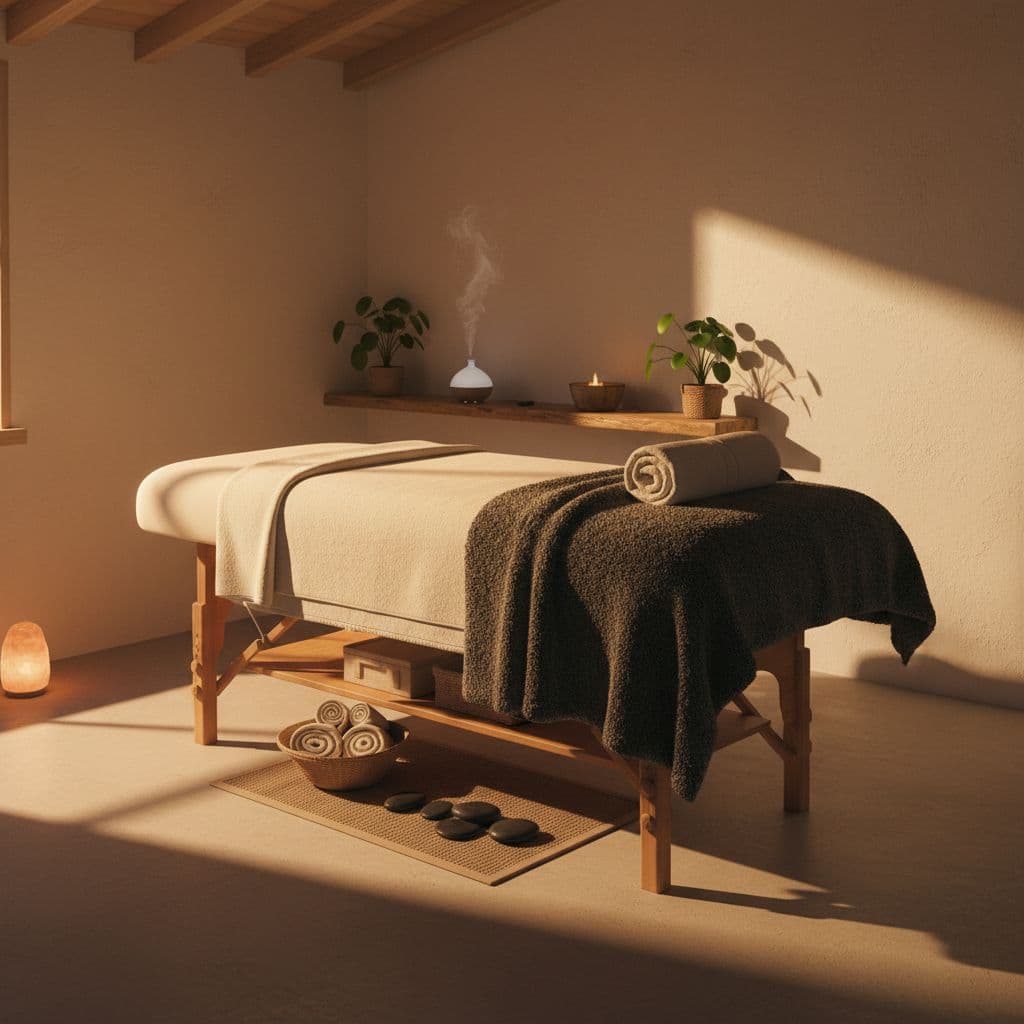
Keep the prep simple. Arrive a little early so you can check in without rushing, use the restroom if you need to, and give your body a few quiet minutes before the massage starts.
It also helps to drink water ahead of time and skip a heavy meal right before your appointment. A light snack is fine if you need one, but a full stomach can make it harder to relax on the table.
Wear loose, easy-to-change clothes so the start and end of the visit feel effortless. If you have a preference for pressure, say so right away. Clear feedback helps the therapist adjust the session to your comfort level.
A good Swedish massage starts before the first stroke. The calmer you feel walking in, the easier it is to relax once the session begins.
What your therapist may ask before the massage starts
Before the massage starts, your therapist may ask about your health history, current pain, injuries, and any areas that need attention. They may also ask about your pressure preference, since some people want feather-light work while others want a firmer touch.
That short conversation helps shape the session. For example, a sore lower back, tight shoulders, or a recent strain can change how the therapist works and which areas they avoid.
You may also hear questions about your goals for the appointment. Maybe you want stress relief, maybe you want help with stiff legs, or maybe you just want to sleep better that night. If you want a plain explanation of massage benefits, Aroma Spa’s massage therapy benefits page is a helpful place to look.
For a clear outside reference on pre-massage prep, this Swedish massage guide also covers simple before-session basics like hydration and light meals.
What you may feel after the massage ends
Right after a Swedish massage, many people feel calm, warm, and a little sleepy. Some feel light on their feet, almost as if their shoulders dropped an inch or two.
A little soreness can happen too, especially if the therapist worked on tight spots. That feeling usually fades fast, and drinking water can help your body settle afterward. Rest for a bit if you can, and avoid hard exercise right away.
A few common after-effects include:
- Relaxed muscles that feel less guarded
- Sleepiness or a slower, softer pace
- Warmth in the body after improved circulation
- Mild soreness in tight areas for a short time
If soreness lasts too long or feels sharp, that is different. Most of the time, though, post-massage tenderness is brief and fades with rest and hydration.
The biggest benefits people notice from Swedish massage
The best thing about Swedish massage is how quickly people feel the difference. The session starts with slow, flowing pressure, and that pace tells the body to stop bracing and start softening. For many clients, the change shows up in their mood first, then in their muscles, then in the way they sleep that night.
At Aroma Spa, people often notice these benefits after a long work week, a heavy workout, or a stretch of poor sleep. If you want to check service details before booking, the Aroma Spa Google Business page is a simple place to start.
How it helps calm stress and quiet the mind
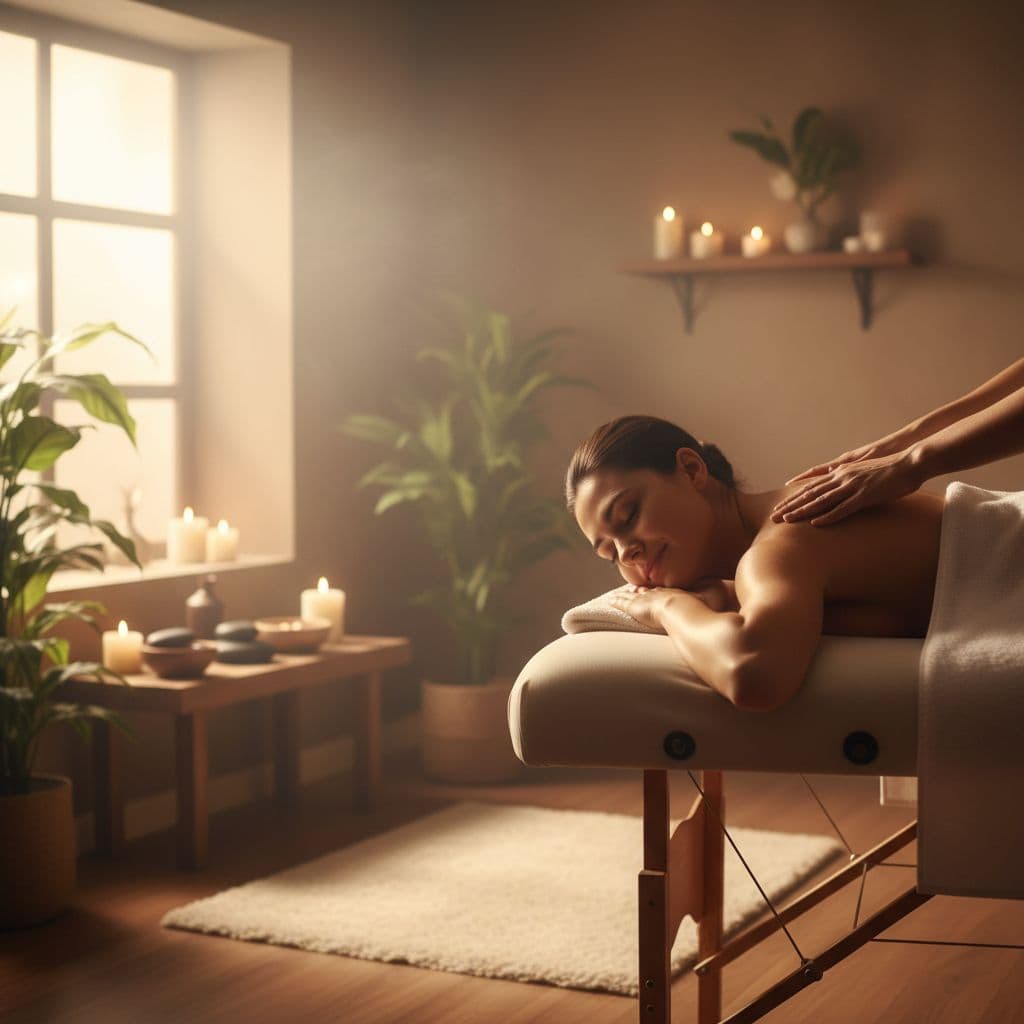
Swedish massage often feels like a pause button for a busy day. The long, slower strokes create a steady rhythm that helps the body settle, while the peaceful setting gives your mind space to stop jumping from one thought to the next.
That matters because stress lives in the body as much as the mind. Tight shoulders, a clenched jaw, and shallow breathing can all soften during a session, so you leave feeling less rushed and more balanced. The room gets quieter, your breathing slows, and the whole experience feels like your nervous system finally gets a break.
Many people also like the predictability of it. The motions feel smooth, the pressure stays comfortable, and nothing feels abrupt. That gentle pace can be enough to take the edge off a hard week and replace that wired feeling with something calmer.
A good Swedish massage does more than relax the body. It gives your mind a stretch, too.
Why it can help tired muscles and everyday aches
Swedish massage is also popular because it eases the kind of tension most people carry every day. Gentle pressure can loosen tight spots in the neck, back, shoulders, and legs, which helps reduce stiffness without feeling too intense.
That makes it useful after long hours at a desk, a road trip, a workout, or even a day spent standing. Muscles that stay tight for too long start to feel heavy and sore, and massage can help them release that built-up strain. If you want a simple outside overview of the technique, Healthline’s guide to Swedish massage explains the core benefits well.
People often notice relief in a few common ways:
- Less tightness in overworked muscles
- Easier movement after sitting too long
- Reduced soreness after exercise or travel
- A lighter feel in the shoulders, neck, and lower back
The effect is usually subtle at first, then more obvious once you stand up and move around. Your body feels less locked up, and normal movements start to feel easier again.
The link between better circulation, sleep, and recovery
Swedish massage uses long strokes that help move blood through the muscles more smoothly. In simple terms, better circulation can help tissues get more oxygen and nutrients, which supports recovery after strain or fatigue. It won’t replace rest, but it can help the body feel more ready to recover.
That better flow is also one reason many people feel sleepy after a session. Once the body leaves “go mode,” the mind often follows. The room feels warmer, the muscles loosen, and it becomes easier to drift into rest later that day.
Sleep often improves for the same reason. When stress drops and the body feels calmer, bedtime can feel less restless. Some people even notice they fall asleep faster or sleep more soundly after a massage, especially when they book it near the end of a long week.
For a broader look at circulation and recovery, WebMD’s Swedish massage overview offers a clear summary.
Who Swedish massage is best for, and when to be cautious
Swedish massage fits people who want relief without a heavy hand. It feels especially right when your body is tired, your mind is busy, or you want a softer session that still leaves you feeling worked on. At Aroma Spa, many guests also check the Google Business page for Aroma Spa before booking so they know what to expect.
People who may benefit most from this gentle style
Swedish massage is a strong choice for office workers who sit for long hours with tight shoulders and a stiff neck. The smooth strokes help the body unwind without pushing sore spots too hard.
It also works well for busy parents who carry stress in their back, jaw, and upper body. A calm session can feel like a reset after days that never slow down.
Athletes in recovery often like it after lighter training or between harder sessions, when they want circulation support and muscle release without intense pressure. Older adults may also prefer it because the gentler pace feels more comfortable on joints and muscles.
If you’re new to massage, Swedish massage is often the easiest place to start. The pressure is usually softer, the rhythm is predictable, and the whole experience feels less intimidating.
For a broader look at service options, Aroma Spa’s massage therapy guide in Nairobi can help you compare what fits your goals.
When you should get medical advice before booking
Some situations call for a quick check with a doctor before any massage. That matters more than forcing a session when your body needs medical care first.
Be cautious if you have:
- A recent injury, fracture, or surgery
- A history of blood clots
- A bleeding disorder or blood-thinning medication
- A fever, infection, or contagious skin issue
- Severe osteoporosis or unstable health conditions
- Unexplained pain, swelling, or numbness
Pregnancy also needs extra care, so it’s smart to ask a healthcare professional first if you’re unsure. A gentle massage may still be fine for some people, but the timing and pressure should match your health status.
For a plain-language breakdown of massage precautions, this guide to contraindications explains common reasons to wait or modify treatment.
Signs the pressure is too much for you
Swedish massage should feel comforting, not like you’re bracing for impact. If the touch feels painful, too fast, too strong, or emotionally overwhelming, speak up right away.
Say it clearly and early. Simple phrases work best, like:
- “That pressure is too much.”
- “Please slow down.”
- “Can you use a lighter touch?”
- “I need a break on that area.”
The sooner you say something, the easier it is for the therapist to adjust. Pain should not be part of the goal, and you should never stay silent just to get through the session.
A good massage therapist wants your feedback. Your comfort is part of the treatment, not an interruption.
If you want a gentler session, ask for lighter pressure at the start and check in again if anything changes. That small habit keeps Swedish massage relaxing, safe, and worth coming back for.
How to choose the right Swedish massage experience
The best Swedish massage feels personal from the start. One person may want a quick reset after work, while another wants a slow hour of quiet and full-body release. The right choice comes down to time, pressure, and the kind of place that makes you feel at ease.
A good spa visit should feel simple before you even lie down. Check the session options, look at the therapist’s approach, and make sure the spa feels clean, calm, and easy to find. The Aroma Spa Google Business page is a smart place to confirm hours, location, and recent client feedback before you book.
Picking the right session length for your needs
Session length shapes the whole experience. A shorter Swedish massage works well when you want a fast reset, while a longer one gives the therapist more room to soften tight spots and slow everything down.
A 30- to 45-minute session is usually best when you need a focused break. It can ease neck, shoulder, or back tension, and it fits neatly into a busy day. Still, it leaves less time for full-body work, so it feels more like a tune-up than a full escape.
A 60-minute session is the classic middle ground. It gives you enough time for a full-body massage with steady rhythm, which is ideal if you want to relax without feeling rushed. If you want a simple guide to session timing, Aroma Spa’s Swedish massage time guide for first timers is helpful, especially when you’re choosing between shorter and longer appointments.
A 90-minute session feels more unhurried. The therapist can cover the whole body and spend extra time on areas that hold stress, like the shoulders, lower back, or legs. For many people, this is the best choice when the goal is deep comfort rather than a quick pause.
Shorter sessions fit a reset. Longer sessions fit real rest.
If you are unsure, start with 60 minutes. It gives you enough time to relax, and you can always book longer next time.
What to look for in a good therapist or spa
A good Swedish massage depends on more than technique. The therapist should have proper training, speak clearly, and make you feel comfortable before the session starts. That first conversation matters because it tells you whether they listen well and adjust to your needs.
Clean treatment rooms matter just as much. Fresh linens, tidy surfaces, and a calm layout help your body relax faster. A spa should also use respectful draping, which means you stay covered except for the area being worked on.
The environment should feel welcoming without being loud or rushed. Small details matter here, such as a quiet reception area, soft lighting, and staff who explain the process without pressure. If you want a broader look at what to expect from a skilled professional, this guide to choosing a safe massage therapist is a useful outside reference.
A quality spa usually gets these basics right:
- Training and skill that match the service offered
- Clear communication about pressure, comfort, and goals
- Clean, calm rooms that feel cared for
- Respectful draping throughout the session
- A warm reception that puts you at ease
When those pieces are in place, the massage feels smoother from start to finish. You can relax faster because the setting supports the treatment instead of distracting from it.
Why reviews, directions, and business details matter before you go
A spa can sound perfect online and still be awkward to visit if the details are off. That is why checking the spa’s Google Business page before you go can save time and stress. It helps you confirm the location, opening hours, and recent client feedback in one place.
That quick check can also tell you whether the spa looks current and active. Photos can show the space, reviews can reveal how guests felt about the service, and hours can prevent an unnecessary trip. In simple terms, you get fewer surprises and a smoother arrival.
It helps to verify a few things before you leave:
- Exact location so you know where you are heading.
- Opening hours so you do not arrive too early or too late.
- Recent reviews so you can see how other clients describe the experience.
- Phone or booking details so it is easy to reach the spa if plans change.
That small step also helps you compare options more confidently. Aroma Spa’s massage service reviews and testimonials can give you a feel for client experiences before you book.
A little checking goes a long way. When the address is clear, the hours match your schedule, and the feedback feels reassuring, your Swedish massage starts with less friction and more peace of mind.
Conclusion
Swedish massage stays popular for a simple reason, it gives the body a calm reset without asking too much from it. It eases everyday tension, softens stress, and leaves many people feeling lighter, looser, and more settled.
That gentle, classic style works best when the therapist listens well and matches the pressure to your comfort level. If you want to keep exploring your options, you can also review Swedish massage details and compare what feels right for your body.
Before you book, check Aroma Spa’s Google Business page for the latest hours, location, and service details. Then choose the session that fits your day, and let the massage do what it does best, help you slow down and feel human again.