
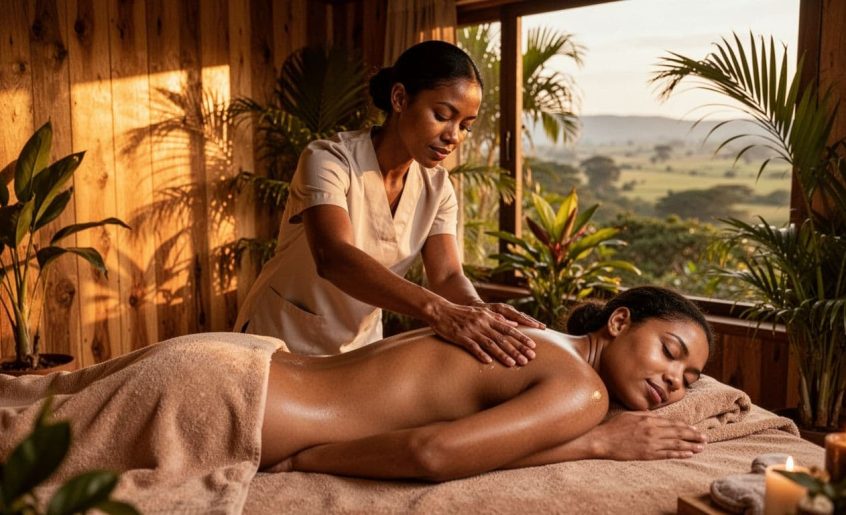
Thai Massage in Kilimani: Thai Massage in Kilimani and Why It Helps
Thai massage is a hands-on body treatment that mixes pressure, stretching, and guided movement, so it feels different from the kind of massage that uses only oil and long strokes. When looking for a high-quality massage in Kilimani, many people seek out this technique when their back feels tight, their shoulders stay tense, or they want something that leaves them feeling more loose and alert at the same time.
Unlike a typical table massage, Thai Massage is usually done with you fully clothed, and the therapist works on a mat using palms, thumbs, elbows, and assisted stretches. That makes it a strong choice if you want relief from stiffness, better flexibility, and a session that feels active instead of passive, which is why many people compare it with traditional Thai bodywork sessions before they book.
It also helps to know what a good session should feel like. A skilled therapist should apply firm but controlled pressure, adjust to your comfort level, and keep the room clean, calm, and private, because the right setup matters as much as the technique itself.
If you are trying to choose a spa in Kilimani, the details matter, from how the therapist explains the treatment to whether the space feels professional and welcoming. A little care at the start can help you avoid a rushed session and find the kind of bodywork that actually leaves you feeling better, so the next step is knowing what Thai massage can do for your body and how to spot the right place for it.
Key Takeaways
- Active Relief: Unlike traditional oil-based massages, Thai massage uses guided movement, assisted stretching, and firm pressure to improve flexibility and release deep muscle tension.
- Full-Body Benefits: This technique is especially effective for office workers and active individuals, helping to alleviate stiffness caused by long hours of sitting or intense physical training.
- Professional Communication: Achieving the best results requires open communication with your therapist; always state your comfort levels and provide feedback on pressure to ensure the session remains safe and effective.
- The Right Setting: A high-quality massage experience relies on a clean, professional, and quiet environment where the therapist uses proper body mechanics to provide controlled, restorative care.
What Thai Massage Really Is and How It Works
Thai massage is a traditional healing practice from Thailand that blends pressure, stretching, and guided movement. It has a different feel from a standard spa massage because the therapist works with your body in a more active way, almost like assisted stretching with targeted pressure.
The goal is simple. The therapist helps loosen tight muscles, ease stiffness, and improve how your body moves. If you want a clear side-by-side look at the style, the Thai massage guide in Nairobi gives a helpful overview of the experience.
### The basic techniques behind Thai massage
Thai massage uses more than just hands. A therapist may use palms, thumbs, elbows, forearms, knees, and sometimes feet to apply pressure along the body. This unique massage technique relies on steady and controlled force rather than fast or rough motions.
Instead of long rubbing strokes, the therapist works in holds and presses. They may pause on a tight shoulder, guide your legs into a stretch, then move to another area with the same calm rhythm. In traditional Thai bodywork, this pattern follows energy lines known as sen, where the therapist focuses on specific pressure points to ensure the treatment feels intentional and restorative.
The stretching is part of what makes it stand out. Your body is moved into gentle positions while the therapist supports you, so the stretch feels deeper than what most people do on their own. According to Cleveland Clinic’s overview of Thai massage, the method combines acupressure and assisted stretching to help with flexibility and tension.
You may notice a session includes:
- Firm palm pressure across the back or legs
- Thumb work around tense areas
- Elbow pressure for deeper spots
- Guided stretches for the hips, hamstrings, and shoulders
Thai massage feels less like being rubbed and more like being carefully guided through a series of loosening moves.
How Thai massage differs from Swedish or deep tissue massage
Thai massage feels different before the session even starts. You usually stay fully clothed, and the therapist works on a mat on the floor. While a traditional Swedish or deep tissue body massage is more often done on a table with oil or lotion, Thai massage offers a distinct, dry experience.
The level of movement is different too. Swedish massage is gentle and flowing, while deep tissue focuses on slow pressure into tight muscles. Thai massage includes both pressure and movement, so your body stays more involved the whole time. The therapist may shift your arms, bend your knees, or guide your hips into position as part of the treatment.
That makes Thai massage a better fit when you want:
- More stretching and joint movement
- A session without oils
- A treatment that feels active instead of passive
- Relief from stiffness linked to sitting or poor posture
The overall feel is also more wakeful. Many people leave a Thai session feeling loose but alert, rather than sleepy and heavy. That makes it a strong choice when your body feels stuck and you want space back in your muscles.
Why the mat-on-the-floor setup matters
The floor mat is not just a small detail. It changes how the whole session works. Because the therapist can move around you from many angles, they can use their body weight more effectively and guide stretches with better control.
A mat also gives your body more room to open up. On a table, movement can feel limited. On the floor, the therapist can work with your legs, hips, and spine in a wider range of positions, which supports deeper stretching and smoother transitions.
That setup helps the session feel more active. The therapist is not just working on one spot at a time. Instead, they are using pressure, balance, and movement together, almost like a slow physical reset.
A floor-based session also suits the style of Thai bodywork because it keeps the rhythm steady. The therapist can shift from pressing to stretching without breaking the flow, and that makes the treatment feel connected from start to finish.
The Main Benefits People Notice After a Thai Massage
Most people book a Thai massage for one reason, then notice several benefits at once. A session can leave the body feeling looser, the mind calmer, and the whole system more balanced.
That mix is what makes Thai massage so appealing. You may come in with tight shoulders or a sore lower back, then leave feeling lighter, more mobile, and more settled. Many people also notice a mild energy lift afterward, which is one reason it fits both busy workdays and slow recovery days.
### How stretching can improve flexibility and movement
Thai massage is well known for its assisted stretches, and that is where many people feel the first clear change. Gentle stretching can help loosen muscle tension that has built up from sitting, exercise, or everyday stress. It also gives joints a little more room to move, which can make simple actions like reaching, bending, or walking feel easier.
The therapist guides your body through supported positions, so the stretch feels controlled instead of forced. That matters because tight areas often need pressure and movement together. A slow, steady stretch can wake up the hips, open the shoulders, and reduce that stuck feeling that builds up after long hours at a desk.
Over time, regular sessions may help you feel less stiff when you start the day. For readers who want a broader look at massage styles and body benefits, the massage benefits guide in Nairobi is a helpful place to compare options.
Why many people use Thai massage for stress and sleep
Thai massage has a calming rhythm that helps the mind slow down. The pressure is measured, the pace is steady, and the work often follows a natural flow across the body. That kind of touch can help the nervous system settle, which is why many people leave feeling mentally quieter and experience a state of full body relaxation.
Stress often shows up in the body before it shows up anywhere else. Tight jaws, raised shoulders, and shallow breathing can make rest harder. Thai massage does not erase stress, but it can create a pause that helps you breathe more easily and feel less wound up.
Sleep is part of that picture too. When the body feels less tense, it can be easier to relax at night. Some people also feel pleasantly tired after a session, while others feel calm and more alert. Both reactions are normal, and results can vary. For a deeper look at the connection between Thai massage and relaxation, Cleveland Clinic explains the basics well.
Many people leave a Thai massage feeling both relaxed and more energized, which is one of its most useful surprises.
Common reasons people book Thai massage for pain relief
People often turn to Aroma Spa for therapeutic massage when certain areas feel tight or overworked. The back, neck, shoulders, hips, and legs are the most common spots. These areas carry a lot of tension, especially if you sit often, train hard, or spend hours in one position.
The treatment may help ease discomfort by working pressure into tight muscle groups and adding movement where the body feels restricted. That can create relief without making big promises. Thai massage is not a cure, but it can support comfort and mobility when soreness keeps building in the same places.
Here are the areas people mention most often:
- Back pain, especially from long sitting or poor posture
- Neck and shoulder tightness, often linked to stress or computer work
- Hip stiffness, which can make standing or walking feel awkward
- Leg fatigue, especially after workouts or long days on your feet
If you want to compare what Thai bodywork may help with, Healthline’s overview of Thai massage benefits gives a simple breakdown.
Who may feel the biggest difference after regular sessions
Regular Thai massage often feels most helpful for people whose bodies stay under the same strain every day. Office workers are a big example. Hours of typing, driving, or sitting can pull the body into one shape, and that shape gets hard to shake.
Active clients also tend to notice a difference. Runners, gym-goers, and people who move a lot during the week often carry tightness in the hips, hamstrings, calves, or shoulders. Thai massage can help those areas feel less compressed, so recovery feels smoother.
People with generally tight muscles may benefit too, especially if they want a full-body reset without oil or a table massage. The same goes for anyone who sits for long hours and wants to feel more open through the spine and legs. If you want a clearer sense of how these sessions work in practice, traditional Thai bodywork sessions give useful context before you book.
A consistent routine matters more than one dramatic session. Over time, many people notice better movement, less daily stiffness, and a calmer baseline in both body and mind.
What Your Thai Massage Session Will Feel Like From Start to Finish
A Thai Massage session has a clear rhythm. It usually starts with a short conversation, moves into pressure and assisted stretches, then ends with a calmer, looser feeling in the body. If you know that flow ahead of time, the whole visit feels easier and less mysterious.
The experience is active, but it should still feel comfortable. A professional massage therapist checks in, adjusts the pressure, and keeps the pace steady so your body can relax into the work instead of bracing against it.
How to prepare before you arrive
A little preparation helps the session feel smoother right away. Eat a light meal before you go, not a heavy one, so you do not feel full when the therapist starts working on your stomach and back. Drink water earlier in the day too, because staying hydrated can make the body feel more responsive during the stretches.
It also helps to avoid rushing. Give yourself enough time to get there, settle in, and switch out of busy mode before the treatment begins. Arriving a little early is smart, since it gives you space to speak about any sore spots, injuries, or comfort concerns before the session starts.
Wear loose, comfortable clothes such as yoga pants, a soft T-shirt, or lightweight loungewear. Thai massage usually keeps you clothed, so your outfit should let you move easily without feeling tight or restrictive.
If you’re choosing a place for your session, it helps to look at the full menu of spa services so you know what kind of treatment style fits your needs.
What happens during the treatment
Once you are settled, the therapist usually begins with gentle pressure before moving into deeper work. They may start at the feet and lower legs, then move upward through the calves, thighs, hips, back, shoulders, arms, neck, and head. That order helps the body ease in gradually, rather than jumping straight into the tightest spots.
The work often alternates between pressure and stretch as part of a relaxing massage flow. One moment, the therapist may press along a muscle line with steady hands or forearms. Next, they may guide your leg, arm, or torso into a slow stretch that opens the area a little more. The pace is calm, but the movements can feel strong in a good way.
Professional massage communication matters the whole time. If the pressure feels too intense, say so. A skilled therapist will adjust quickly and keep the session within your comfort zone. That back and forth is part of what makes Thai Massage feel tailored instead of one-size-fits-all.
The best sessions feel controlled, not forced. You should feel challenged, but still able to breathe normally and relax your muscles.
The therapist may also work in short holds, pauses, and flowing transitions between areas. That gives the body time to settle before the next stretch, which often makes the treatment feel more complete.
What you may feel afterward
After the session, many people notice a sense of lightness first. Tight areas may feel more open, and simple movements like turning your head or reaching overhead can feel easier. That loose, roomy feeling is one of the main reasons people return for Thai Massage.
Deep relaxation is also common. Some clients feel calm and quiet right away, while others feel pleasantly alert. A mild sense of soreness can happen too, especially if the therapist worked on very tight areas or used stronger pressure. That usually settles after a short while. For those who want to keep the results going during future visits, incorporating a targeted foot massage can be an excellent way to maintain that open, relaxed feeling.
A few things can help after the session:
- Rest for a little while instead of jumping straight into a packed schedule
- Drink water to support recovery and hydration
- Move gently, especially if you feel extra loose or sleepy
- Give sore muscles time to adjust before hard exercise
The body often responds best when you let the effects settle in. For a closer look at the therapy style itself, Thai massage basics explain how stretching and pressure work together during treatment.
When the session ends well, you should feel more open through the body, calmer in your mind, and aware of areas that still need care. That post-treatment feeling is often the clearest sign that the massage did its job.
Is Thai Massage Safe for Everyone?
Thai massage is a wonderful addition to your health and wellness routine, but it is not the right choice for every body in every situation. The pressure, stretching, and joint movement can feel great when your muscles are healthy and you speak up about your comfort levels. However, these techniques can feel like too much if you have certain medical concerns or recent injuries.
The safest approach is simple. Share your health history, start with a lighter session if needed, and treat any pain, dizziness, or sharp pulling as a signal to stop. A careful therapist will want that information before they begin.
### When to skip or modify a session
Some situations call for extra caution, and some call for a full pause. Pregnancy, especially the first trimester, is one of them. Recent surgery is another, because the body may still be healing and the work can place stress on tender tissue.
You should also be careful if you have an injury, a sprain, a disc issue, or any sharp pain that has not been checked yet. Thai massage uses stretching and pressure together, so it can aggravate an area that already feels unstable. The same goes for heart concerns, unmedicated high blood pressure, blood clots, brittle bones, fever, skin infections, or severe nerve pain.
If you are unsure, check with a doctor first. That step matters more than pushing through discomfort. A few minutes of caution can prevent a much bigger problem later.
For a useful reference on screening and safe intake, see this guide to finding safe massage services. It covers the kind of health questions a professional therapist should ask before treatment.
When the body is already under stress, a massage session should adapt to you, not the other way around.
A lighter session may still be possible in some cases, but only with clear consent and a careful plan. That might mean less stretching, softer pressure, or avoiding certain areas entirely. If your condition is more serious, skipping the session is the smarter move.
How to speak up about pressure and comfort
Good Thai massage depends on clear feedback. If a stretch feels too deep, say so right away. A qualified massage therapist will always prioritize client safety and will be happy to adjust the intensity. If a sore spot feels tender in a bad way, mention it before the practitioner adds more pressure.
You do not need to wait until something hurts. You can ask for a slower stretch, a smaller range of motion, or a pause between movements. Simple phrases work best, such as “that is enough,” “a little lighter,” or “please avoid that area.”
It also helps to point out any movement that feels wrong, even if it is not painful yet. A knee that twists oddly, a hip that pinches, or a neck position that feels strained should all be adjusted. This is your session, and comfort should stay in the center of it.
A skilled practitioner will welcome that feedback. In fact, the safest sessions often sound like a short conversation. If you want more context on how a professional should handle health concerns, massage safety considerations for medical conditions is a useful read.
Why a skilled therapist matters
Training changes everything. Professional massage requires a deep understanding of how to control pressure, support joints, and move the body without forcing it into unsafe positions. That kind of expertise lowers the chance of soreness that feels excessive, bruising, or a strain that lingers after the session.
Body mechanics matter too. When a practitioner uses their own weight well, they can apply pressure in a steady way instead of pushing hard with strain. That makes the work more precise and less likely to jar your body. Poor mechanics, on the other hand, can turn a helpful stretch into a rough one.
A good professional also knows when to stop, when to soften the pressure, and when to refer you to medical care instead of continuing. That judgment is part of safe bodywork.
If you want Thai massage to feel helpful instead of risky, choose a place that asks questions, explains the treatment, and respects your limits. When your massage therapist has the right training, the session feels more controlled, more comfortable, and far safer for your body.
Why Aroma Spa Is the Best Massage in Kilimani
If you are looking for a high-quality Thai massage in Kilimani, the ideal choice is a location that provides a seamless experience from the moment you arrive. Aroma Spa, conveniently located on Kindaruma Road, fits this need perfectly. It combines a calm wellness setting with a central location and an effortless booking process. As a premier Kilimani massage parlour, we understand that a great treatment should start with minimal friction. When your chosen spa is nearby, clean, professional, and easy to contact, you can focus entirely on your recovery instead of the logistics.
### What local clients usually want from a good spa experience
Most residents seeking a spa in Kilimani want a facility that is easy to trust. They prefer a location that is accessible, simple to book, and relaxing the moment they walk through the doors. Convenience is key, because a long commute or a confusing check-in process can ruin your mood before the massage even begins.
Cleanliness is our next priority. Fresh linens, spotless treatment rooms, and an organized reception area reflect our commitment to your wellness. Furthermore, Aroma Spa provides a comprehensive environment for our clients, including a sauna in Kilimani for those who enjoy the added benefits of heat therapy before their bodywork session.
Polite service also makes a significant difference. Our staff is trained to greet you warmly, explain the session clearly, and answer any questions without rushing. Clear communication ensures you feel confident about pressure levels, session length, and what to expect during your massage in Kilimani. A peaceful atmosphere ties everything together; soft lighting, low noise, and a steady, professional pace help your body settle down quickly.
How to choose the right treatment length
The best treatment length depends on your body’s specific needs that day. If you want quick relief from tight shoulders, a shorter session works well. It gives the therapist enough time to focus on problem areas without consuming your entire schedule.
Longer sessions suit people who want more than surface-level relief. They allow extra time for full-body stretching and slower, more deliberate pressure. If your muscles feel stiff all over, that extra time usually makes the experience feel much more complete.
A simple way to think about it is this:
- Shorter sessions work best when you need a quick reset during a busy day.
- Longer sessions work better when you want broader bodywork and deeper relaxation.
- Regular sessions help if stiffness keeps returning in the same areas.
If you are unsure, speak with our team before you book. We can help you match the session length to your goals, whether you want pain relief, increased flexibility, or a calmer state of mind.
Questions worth asking before you reserve
A few simple questions can help you get the most out of your visit. Before you reserve, ask about the therapist’s experience with Thai techniques, as skill level affects both pressure and the quality of the stretching. You want someone who understands how to work with the body, not against it.
It also helps to ask what specific services are available. Some clients prefer a lighter, relaxing treatment, while others require firmer pressure. If you have a sore area, limited mobility, or a low tolerance for strong pressure, let us know before you arrive.
A few useful questions include:
- How much experience does the therapist have with these specific techniques?
- Which session length do you recommend for my personal goals?
- Can the pressure be adjusted during the treatment?
- What should I wear or bring to the appointment?
- What is the best way to confirm my visit?
If you want to ask these questions directly, you can book your visit and speak with our staff before you come in. Choosing a trusted, local provider ensures that your visit is calm, clear, and convenient. When you are looking for the best massage in Kilimani, familiarity and quality care make all the difference.
How to Get the Best Results From Your Thai Massage
A good Thai Massage does more than feel good in the moment. The real payoff comes after the session, when you support your body the right way and give the effects time to settle in. A few simple choices can make the difference between a short-lived release and a result that lasts. For those searching for a massage near me, choosing Aroma Spa ensures you receive expert guidance on how to maximize your relaxation and well-being.
Simple aftercare that supports recovery
Start with water. Thai Massage can leave you feeling loose, warm, and a little drained, so hydration helps your body settle. Drink a glass soon after your session, then keep sipping through the day.
Take it easy next. You do not need to cancel your whole day, but give your body a break from hard workouts or heavy lifting. A short walk, a calm errand, or a quiet evening is usually better than pushing straight into intensity.
Gentle stretching can also help, as long as you keep it soft. Focus on easy movements for the neck, shoulders, hips, and legs, and stop before anything feels sharp. The goal is to keep the body open, not to force a deeper stretch.
A warm shower later in the day can feel great, too. Keep it comfortable rather than very hot, since heat should soothe tired muscles, not strain them. If you want more room to stay relaxed after your visit, a peaceful setting helps as well, and ideas for a calming massage room can give you a better sense of the atmosphere that supports recovery.
The best aftercare is simple, light, and calm. Your body usually responds well when you stop asking it to do too much.
If you want a broader look at what a careful post-session routine can include, this guide to post-massage self-care tips covers the same basics clearly.
How often people book Thai massage
How often you book depends on what your body is telling you. Stress level, activity level, and your personal goals all matter. Someone with a desk job and tight shoulders may need sessions more often than someone who just wants an occasional reset.
Weekly visits can work well if you carry a lot of tension, train often, or want steady support for flexibility. Biweekly sessions are a solid middle ground for people who need regular relief but do not want a tight schedule. Monthly visits often suit maintenance, especially if you already move well and just want to stay ahead of stiffness.
A simple rule helps here. If tightness keeps coming back fast, book sooner. If you feel good for weeks after a session, you can space things out more.
Think of frequency as a fit, not a fixed rule. Your body may need more care during stressful months, after long travel, or during heavy work periods. Then it may need less once things calm down.
Small habits that make each session work better
What you do between sessions matters just as much as what happens on the mat. Good posture during the day can reduce the strain that builds up in your neck, back, and hips. Even small changes, like keeping your screen at eye level or sitting with both feet on the floor, can help.
Movement breaks also make a difference. If you sit for long periods, stand up every hour, roll your shoulders, and walk for a minute or two. That keeps muscles from locking into the same shape all day.
Sleep matters, too. A tired body holds tension more easily, so better rest can make your relaxing massage feel more effective. When you sleep well, your muscles are more likely to recover and respond to stretching. If you find you need more variety in your routine, you might consider alternating your Thai Massage with a soothing herbal massage or a traditional body massage to target different muscle groups.
Before your next visit, speak up about problem areas. If your lower back, neck, or hips stayed tight after the last session, tell the therapist. Clear feedback helps them adjust pressure and focus, which gives you a better result the next time.
A few habits make the biggest difference:
- Better posture helps reduce daily strain on the same muscles.
- Movement breaks keep stiffness from piling up.
- Good sleep helps your body recover between visits.
- Clear feedback helps your therapist tailor the session to what you need most.
For people who want Thai Massage in Kilimani, the best results usually come from a mix of good aftercare, regular sessions, and honest communication. When you hydrate, rest, move gently, and book your massage in Kilimani based on your real level of stress or tightness, each session works harder for you.
Why Aroma Spa Stands Out in Kilimani
Aroma Spa stands out as a premier destination in Kilimani because it keeps the experience simple, calm, and focused on the client. Choosing Aroma Spa matters when you want a high-quality Thai Massage, since the atmosphere of the room, the expertise of the therapist, and the efficiency of the booking process all shape how well the session goes.
In a busy part of Nairobi, people want a spa in Kilimani that feels easy to trust. Aroma Spa fits that need with a quiet setting, clear service options, and a relaxed pace that lets you settle in before the treatment even starts.
### A calm setup that helps you relax faster
The first thing many clients notice is the atmosphere. Clean rooms, soft lighting, and a quiet layout make it easier to leave city stress at the door. That kind of setting matters, because Thai Massage works best when your body can ease in instead of staying tense.
Aroma Spa also appeals to people who want privacy and comfort without fuss. As a leading spa in Kilimani, the space feels designed for rest, not noise, and that is exactly what many local clients are looking for after a long workday.
Service choices that match real needs
Another reason Aroma Spa stands out is the range of treatment options. If you want a full-body reset, a focused session for tight shoulders, or something gentler after a stressful week, you can find a service that fits.
You can also review the full menu of spa services before you book, which makes it easier to choose the right session without guesswork. For Thai Massage in particular, that clarity helps you match the treatment to your body instead of picking blindly.
Easy booking and local convenience
Location matters more than people expect. A Kilimani massage parlour should be easy to reach, easy to contact, and simple to book. Aroma Spa keeps that process straightforward, which saves time and lowers friction before your visit.
If you want to check availability or ask about the right session length for your Massage in Kilimani, you can book your visit directly. That kind of convenience turns a good treatment into a smooth experience from start to finish.
Frequently Asked Questions
Do I need to be flexible to have a Thai massage?
No, you do not need to be flexible to enjoy a session. A skilled therapist will adapt the stretches to your current range of motion and comfort level, ensuring the experience is restorative rather than forced.
Should I wear specific clothing for the session?
Yes, it is best to wear loose, comfortable clothing such as yoga pants or a soft T-shirt. Since Thai massage is performed fully clothed, your outfit should allow for free movement without feeling restrictive or tight.
How often should I get a Thai massage?
Frequency depends on your body’s needs and activity level. Many people find that a weekly or biweekly session works well for managing chronic tension, while others prefer monthly visits for general maintenance and stress relief.
Is Thai massage painful?
While you may feel the intensity of the pressure or the depth of a stretch, it should never be painful or sharp. If any part of the treatment feels too intense, you should immediately ask the therapist to adjust the pressure or technique to keep you within your comfort zone.
Conclusion
Thai massage works because it brings pressure, stretching, and calm movement together in one session. That combination helps the body feel looser and gives the mind a chance to slow down, which is why so many people return to it when stiffness, stress, or long hours at a desk start to build up.
The best results come from a session that feels supportive, not rushed. A skilled therapist should listen to your body, adjust the pressure, and give you space to relax through each stretch instead of forcing the work. When that happens, the treatment feels comfortable, steady, and effective.
If you are looking for professional massage in Kilimani, it is important to choose a spa that feels peaceful and easy to trust. While many residents and Tranquility Spa enthusiasts explore different options in the area, they often find a home at Aroma Spa for consistent quality. A good fit provides more than just a single treatment, as it gives you the confidence that your body is in the right hands.