
Swedish Massage in Kilimani: What to Expect
A good Swedish Massage in Kilimani feels like a long exhale, a calm room, soft hands, slow breathing, and the kind of relief that starts in your shoulders and spreads through the rest of your body. If your days in Kilimani Nairobi are packed with long work hours, traffic, gym soreness, or the steady strain of everyday tension, this is the style people often turn to for relaxation and wellbeing because it helps the body settle down without feeling harsh.
It is also easy to see why it stays popular: the pressure is smooth, the rhythm is steady, and the focus is on relaxation as well as comfort. If you are comparing options, massage spa in Kilimani can help you narrow down what feels right, and this guide will walk you through how Swedish massage works, who it suits best, what a session feels like, and how to choose a spa you can trust.
Key Takeaways
- Gentle Relaxation: Swedish Massage is the ideal choice for those seeking stress relief, using smooth, rhythmic strokes and light-to-medium pressure to calm the body and mind.
- Customizable Experience: This style is highly accessible for beginners, as therapists can easily adjust pressure and technique based on your specific comfort levels and muscle tension.
- Health and Wellness Benefits: Regular sessions help alleviate posture-related stiffness, improve circulation, and support better sleep, making it a practical wellness maintenance habit for busy city professionals.
- Focus on Communication: To ensure the best outcome, always communicate your sore spots, injury history, and pressure preferences to your therapist before the session begins.
What Swedish massage in Kilimani really is and how it works
Swedish massage in Kilimani is the classic full-body massage style most people picture when they think of a calming spa session. It uses light to medium pressure, smooth strokes, and a steady rhythm to help the body loosen up, allowing clients to enjoy significant therapeutic benefits without feeling pushed too hard.
That gentle pace is the point. Your muscles get warm, blood circulation picks up, and tense spots start to soften while your mind settles at the same time. If you want a treatment that feels soothing, familiar, and easy to enjoy, this is usually the first massage style to know.
### The main techniques used in a Swedish Massage
A Swedish session usually moves in long, flowing patterns across the back, shoulders, legs, arms, and neck. The therapist combines several specialized techniques, each with a different feel on the body.
- Effleurage uses long, gliding strokes with the palms or forearms. It feels smooth and warm, almost like a wave moving across tired skin.
- Petrissage means kneading and lifting the muscles. This feels more like a soft squeeze and release, helpful for areas that feel tight or heavy.
- Friction uses small, focused circular or rubbing movements. It can feel firmer in one spot, like a thumb warming up a knot until it softens.
- Tapotement is a light tapping or rhythmic percussion. It feels brisk and lively, like a quick wake-up for the muscles.
- Gentle stretching lengthens the limbs and eases stiffness. It feels open and freeing, especially after long hours at a desk or in traffic.
Together, these strokes create a balanced session. The massage keeps moving, so the body stays relaxed instead of bracing against sudden pressure.
For a broader look at the method and its effects, WebMD’s overview of Swedish massage gives a clear, basic breakdown.
How Swedish Massage is different from deep tissue massage
Swedish Massage and deep tissue massage are both useful, but they do different jobs. Swedish massage stays lighter and smoother, while a deep tissue massage works more slowly into stubborn muscle knots and deeper layers.
That difference matters when you book. If you want to unwind, calm your nervous system, and leave feeling refreshed, Swedish is the better match. If you have thick, stubborn upper body tension in your shoulders, lower back, or legs, a deep tissue massage may fit better because it goes after tight spots with more force.
A simple way to choose is to think about your goal:
- Choose Swedish Massage if you want relaxation, stress relief, and a softer touch.
- Choose deep tissue if you want focused work on long-lasting tightness or muscle strain.
- Start with Swedish if you are unsure, then adjust pressure later based on how your body responds.
Swedish massage is easier for most first-timers to enjoy because it feels steady, calm, and familiar. Deep tissue can be useful, but it often feels more intense during and after the session.
Why this massage style is a favorite for first-time spa visitors
First-time clients often feel more comfortable with Swedish Massage because it does not rush the body. The pressure stays gentle enough to relax, and the movement stays smooth enough to feel reassuring instead of sharp.
That makes it a good starting point if you want to test the waters. You can enjoy the benefits of a full-body massage, ease tension, and still feel like yourself when you stand up from the table.
It also appeals to a wide range of people. Some book it after a stressful week, while others want a calm reset before a busy weekend. In both cases, the session feels approachable, and soreness afterward is usually minimal when the pressure stays light to medium.
If your main goal is to feel relaxed, not worked over, Swedish Massage is often the safest first choice.
If you want a spa treatment that eases stress without crossing into heavy pressure, this style delivers that balance well. It gives the body room to soften, which is often exactly what a first visit should do.
The health and wellness benefits people notice most
A good Swedish Massage does more than feel pleasant for an hour. Many people leave the table with looser muscles, a calmer mind, and a body that feels less weighed down by persistent muscle tension.
That mix matters in a place like Kilimani, where long workdays, traffic, errands, and screen time can stack strain fast. The benefits people notice most are usually practical, clear, and easy to feel right away.
### How it helps the body relax and recover
Swedish Massage uses slower strokes and steady pressure to help tense muscles let go. After long hours sitting at a desk, standing on your feet, or moving through Kilimani traffic, your shoulders and lower back often carry the strain first. This technique offers effective pain relief and can be particularly helpful for those dealing with posture-related pain. The massage works on those tight areas in a way that feels smooth, warm, and easy to accept.
That steady rhythm can also ease stiffness. Muscles often soften when they are given time to relax, not forced to change all at once. As a result, many people stand up from the table feeling lighter through the neck, back, and legs.
For many clients, the relief is simple but real. The body feels less clenched, breathing feels easier, and movement can feel freer for the rest of the day. For a closer look at the wider benefits, see the health benefits of regular massage.
The biggest payoff is often not dramatic. It is the small change from tight and tired to loose and settled.
Why it can support better sleep and a calmer mind
Massage and stress often move in opposite directions. When your body relaxes, your mind usually follows. That is why many people feel quieter in the head after a therapeutic massage, almost as if the noise in the background has been turned down.
This calm state can help support better rest later in the day. When stress eases, sleep often comes more easily because the body is no longer stuck in that alert, restless mode. The Mayo Clinic Health System notes that massage therapy can help with muscle stiffness and sleep quality, which matches what many people notice in real life.
You may leave a session feeling:
- Lighter in the body, especially after a tense week
- Quieter in the mind, with less mental clutter
- More ready for sleep, especially if the day has been demanding
That calm can carry into the evening. A relaxed body often makes it easier to unwind, read, or fall asleep without tossing and turning.
Who may benefit most from regular sessions
Regular Swedish Massage fits a lot of everyday routines. It is especially helpful for people whose days put steady pressure on the body and mind.
These groups often notice the most value:
- Office workers who sit for long stretches and feel it in the neck, shoulders, or lower back.
- Busy parents who carry children, bags, and mental load all day.
- Gym-goers who want gentle muscle recovery after workouts or tight training weeks.
- People under stress who feel tense, drained, or on edge.
- Anyone who wants gentle body care without heavy pressure or sore after effects.
In a busy city setting like Kilimani Nairobi, that kind of care can feel less like a luxury and more like maintenance. Swedish Massage gives the body a chance to reset before tension turns into a constant pattern.
For a broader look at how massage supports stress relief and rest, the science of stress and massage is worth reading.
What happens during a Swedish Massage session in Kilimani
A professional massage in Kilimani usually feels calm from the moment you step inside. The pace is slow, the pressure is adjustable, and the therapist guides you through each step so you never feel rushed or unsure.
Most people want two things from a first visit: comfort and clarity. That starts before the massage even begins, continues through the treatment itself, and ends with a few simple aftercare habits that help your body settle.
How to prepare before you arrive
A little prep makes the session smoother. Arrive 10 to 15 minutes early so you have time to check in, settle your breathing, and speak with the massage therapists without feeling hurried.
Drink water before you come, but skip a heavy meal right before the appointment. A light snack is fine, yet a full stomach can make it harder to relax on the table. If you shower beforehand, you may also feel fresher and more at ease.
Just as important, speak up about any pain points, health concerns, or past sports injuries. Tell the therapist where your shoulders feel tight, where your lower back bothers you, or if you prefer light pressure. That short conversation helps shape the whole session.
For a quick reference on what affects session length and pricing, you can also check massage therapy rates.
A simple prep checklist helps:
- Arrive a little early so you can relax before treatment.
- Drink water, but avoid overfilling your stomach.
- Mention sore spots, sports injuries, or pregnancy.
- Share your pressure preference and session length clearly.
- Remove jewelry and keep personal items easy to store.
Clear communication before the massage often leads to a better session than trying to adjust halfway through.
For more general pre-appointment advice, Viva Day Spa’s guide to before and after massage covers the basics well.
What the treatment room usually feels like
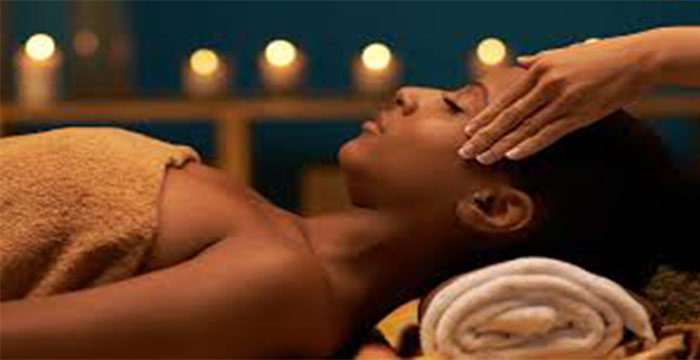
The treatment room in a good spa feels hushed and unhurried. Soft lighting, fresh towels, and a warm table set the tone before the first stroke begins.
You may notice a light scent in the air, often something clean, herbal, or floral. The room stays still and quiet, with only small sounds like soft music or the therapist moving fresh linens into place. That calm atmosphere matters because your body relaxes faster when the setting feels safe and peaceful.
The massage itself usually starts slowly. The therapist may begin with light strokes to warm the muscles, then increase pressure to relieve knots where your body needs it most. Oils or lotions help the hands glide without pulling the skin, and they usually leave your body feeling smooth rather than sticky.
Clothing and draping are handled with care. You normally undress to your comfort level, lie under a sheet or towel, and stay covered except for the area being worked on. That keeps the session professional and helps you relax, which is especially reassuring for first-time visitors looking for a spa in Kilimani.
What to expect after the massage ends
When the massage ends, the room may feel a little brighter and your body a little heavier in the best way. Many people feel loose, sleepy, or pleasantly quiet inside, as if the tension has finally loosened its grip.
Some tight spots may feel mildly tender, especially if you carried a lot of stress in your neck, back, or shoulders. That usually fades quickly, but it helps to move slowly when you sit up, stand, and walk out of the room.
Drink water after the session, since hydration supports your body as it settles. Give yourself a few calm minutes before jumping back into traffic, errands, or screen time. If you can, keep the rest of the day easy.
A few things are common after a Swedish Massage:
- Relaxed muscles, especially across the shoulders and back
- Sleepiness, because your body has shifted into rest mode
- Mild soreness, mostly in tight areas that were worked on
- A slower pace, since your body may need time to reset
The best aftercare is simple. Sip water, stretch gently later if needed, and pay attention to how your body feels over the next few hours.
Choosing the right Swedish Massage spa for your needs
The best Swedish Massage experience starts with the spa itself. A calm room helps, but trust, clean habits, and clear communication matter just as much. When you book in Kilimani, you want a place that feels organized, listens well, and gives you a session that fits your body.
A good spa does not try to push every client into the same treatment. It asks questions, explains options, and makes the visit feel easy from the start. That is the difference between a nice outing and a massage that actually leaves you feeling better.
### Questions worth asking before you book
A short phone call or booking message can tell you a lot. Ask how the therapist handles pressure levels, because Swedish Massage should feel soothing, not uncomfortable. If you want something lighter or a bit firmer, the spa should be able to adjust without making it awkward. You should also feel comfortable inquiring about massage prices to ensure they align with your budget. Finding a highly rated massage provider often means you can expect transparency regarding costs and service expectations.
It also helps to ask about the therapist’s experience, especially with full-body relaxation work. A skilled therapist knows how to read your response, check in during the session, and change pressure when needed. If you want a sense of what to ask and how a professional session should feel, this Swedish massage guide in Kilimani is a useful place to start.
Before you confirm, ask about these points:
- Session length so you know if you are booking 60, 90, or another option.
- Hygiene and linen changes so you know fresh towels and clean surfaces are standard.
- Oils or lotions used in case you have sensitive skin or scent preferences.
- Pressure adjustments if you want lighter work on your back, neck, or legs.
- Specific needs such as pregnancy, soreness, injuries, or stress-related tension.
A spa that answers clearly before you book usually handles the treatment with the same care.
A trusted spa should make these questions feel normal. If the reply is vague, rushed, or defensive, keep looking.
Signs of a good spa experience
A strong spa experience is easy to spot once you walk in. The space should feel clean, the staff should greet you with ease, and the pricing should be clear before the massage begins. You should not have to guess what you are paying for or wonder if the therapist understands your needs.
Timing matters too. When a spa respects your appointment time, it shows respect for your schedule. That small detail matters in a busy area like Kilimani, where many people squeeze self-care between work, errands, and traffic.
Look for these signs:
- A clean, fresh space with tidy rooms, clean linens, and no stale smells.
- Friendly staff who speak calmly and answer questions without pressure.
- Clear pricing with no surprise fees at the end.
- On-time service that starts close to your appointment time.
- A calm environment where the room feels private and quiet.
Most importantly, you should feel safe and listened to. A good therapist checks in, respects boundaries, and adjusts the session when you say something feels too light or too firm. That kind of care builds trust fast. Furthermore, a highly rated massage center will typically provide an easy way to book online, allowing you to manage your appointments efficiently.
For a deeper look at what to expect from a qualified therapist, Serenity Zen’s guide to choosing the right massage therapist has helpful points on hygiene and professionalism.
Why location and convenience matter in Kilimani
A spa can have a nice menu and still be hard to keep visiting if getting there feels like a project. In Kilimani Nairobi, convenience makes a big difference because regular self-care only works when it fits into your real routine. If you choose a location near the junction of Chania Avenue and Ring Road, you are well placed to access quality care easily. If the spa is close to home or work, you are far more likely to keep the habit going.
Parking also matters more than people expect. If you have to circle the block or arrive stressed, your body starts tense before the massage even begins. Easy access, simple parking, and flexible booking all help the visit feel smooth instead of rushed. It is also worth checking for Saturday availability, as this is a common feature for a busy spa in Kilimani that aims to accommodate professionals with tight weekday schedules.
That matters for repeat visits too. A Swedish Massage works best when you can return at a rhythm that suits your body, whether that means once a month or after a heavy work stretch. A spa that makes booking simple and the trip manageable gives you fewer excuses to skip the care you need.
In Kilimani, the right choice is often the one that fits your day as well as your body. When the spa is nearby, welcoming, and easy to book, relaxation stops feeling like a special event and starts feeling practical.
Aroma Spa and the Swedish Massage experience
A Swedish Massage feels different when the space around it feels calm, clean, and cared for. At Aroma Spa, the experience can begin with that first quiet greeting, then continue through a room that feels soft on the eyes and easy on the nerves.
That matters more than many people expect. The same massage style can feel ordinary in one place and restorative in another, depending on how the spa handles comfort, privacy, and attention to detail. If you are comparing options in Kilimani, the setting should feel as relaxing as the treatment itself.
How a wellness-focused spa shapes the experience
A wellness-focused spa changes the mood before the treatment even starts. The lighting is softer, the room is cleaner, and the pace feels unhurried, so your body does not have to fight the space around it.
A place like Aroma Spa fits that kind of experience well because the focus stays on calm, care, and simple comfort. That can make a therapeutic massage feel more personal, since the therapist has time to check in, adjust pressure, and guide the session without rushing. The result is a smoother flow from the first hello to the final step out the door.
The last moments matter too. A warm towel, a quiet pause, and a clear exit can leave you feeling settled instead of hurried, which is exactly what a restorative massage should do.
Why service quality matters as much as technique
Good technique matters, but service quality can change the whole visit. Skilled hands help, yet so do clear instructions, a calm voice, and a therapist who listens when you mention tight shoulders or a sensitive lower back.
That is why two Swedish Massage sessions can feel very different, even when the strokes are similar. One therapist may move with care, check your comfort, and keep the pressure steady, while another may rush through the same routine. The better experience usually feels more balanced because the professional massage service supports the touch.
According to The Powerful Connection Between Spa Treatments and Mental Well-Being, the atmosphere around a treatment can support comfort and calm. That idea shows up clearly in massage, where the right communication and setting can make relaxation feel easier to reach.
What to look for in a local spa before you book
A few practical checks can save you from a disappointing appointment. Before you book, look at the spa’s cleanliness, how easy it is to reach, and whether the service menu matches what you want.
It also helps to judge the booking process. If a spa makes it easy to ask questions, choose a time, and understand the service options, that usually points to a more organized experience. Aroma Spa massage services may be worth exploring if you want a wellness-focused place with a simple approach and a range of treatment choices.
Use this quick checklist before you commit:
- Cleanliness that feels obvious the moment you walk in.
- Reputation built on real client feedback and consistent service.
- Service menu that includes the type of massage you want.
- Easy booking through a clear, simple process.
- Finding the right spa in Kilimani that meets your specific needs and pressure preferences.
- Comfort fit that matches your privacy requirements.
When those pieces line up, you can relax faster and worry less. That is the kind of spa experience that makes a Swedish Massage feel worth booking again.
Frequently Asked Questions
How is a Swedish massage different from other types of massage?
Unlike deep tissue massage, which focuses on intense work to release stubborn muscle knots, Swedish massage uses lighter, flowing strokes. Its primary goal is to promote overall relaxation, improve blood circulation, and soothe the nervous system rather than performing heavy muscle work.
Should I expect to feel sore after a session?
Generally, post-massage soreness is minimal to non-existent with Swedish massage because the pressure is gentle and steady. While you might feel mild tenderness in areas where you carried significant tension, you should leave the spa feeling relaxed rather than physically exhausted.
How often should I get a Swedish massage in Kilimani?
Frequency depends entirely on your lifestyle and stress levels, but many find that once or twice a month helps maintain a balanced state. If you have a particularly demanding week or long work hours, you can book sessions more frequently to prevent tension from becoming a chronic issue.
Do I need to bring anything to my appointment?
Most spas provide everything you need, including towels, robes, and oils. You simply need to arrive a few minutes early to settle in, bring an open mind, and be prepared to communicate any specific health concerns or areas of discomfort to your therapist.
Conclusion