
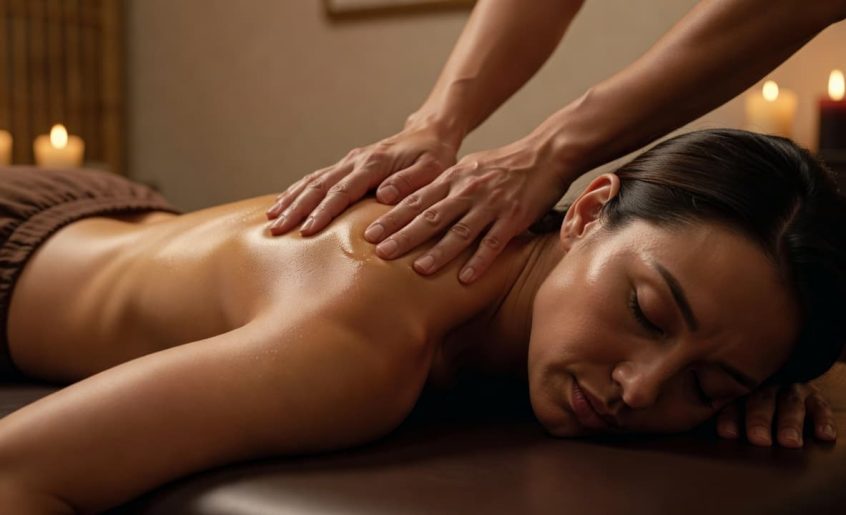
Deep Tissue Massage in Kilimani for Real Muscle Relief
Your shoulders can hold a whole workweek, your lower back can keep the tension from long traffic hours in Nairobi, and your neck can feel the impact after another day at a desk. For residents in Kilimani and nearby Lavington who want real relief, a deep tissue massage in Kilimani offers slow, firm pressure that reaches the deeper muscle layers where chronic muscle tension tends to settle.
It is not about pain for the sake of pain, but rather about working stubborn knots, easing stiffness, and helping your body move with less effort. At Aroma Spa, that kind of focused care fits people who want a massage that feels purposeful, not superficial. If you are weighing your options for this treatment, the following sections will help you understand the benefits, what the session feels like, who it helps most, and when you should skip it.
Key Takeaways
- Targets Chronic Tension: Deep tissue massage uses slow, firm pressure to reach underlying muscle layers, effectively addressing stubborn knots and stiffness that accumulate from desk work, heavy lifting, or poor posture.
- Improves Mobility and Comfort: By releasing adhesions and working through connective tissue, this treatment helps restore a better range of motion, making everyday movements like walking or reaching feel more fluid and less restricted.
- Supports Muscle Recovery: This therapy encourages blood circulation to tight areas, aiding in the recovery process for athletes or anyone experiencing soreness from long, demanding days.
- Promotes Overall Wellness: Beyond physical relief, the focused pressure helps shift the nervous system out of high alert, often leading to improved sleep, reduced stress, and a better mood.
How Deep Tissue Massage Kilimani Works on Chronic Muscle Tension
Chronic muscle tension rarely appears all at once. It builds in layers, often resulting from long hours at a desk, repeated heavy lifting, lingering stress, or poor posture. Deep Tissue Massage works by meeting that tension exactly where it sits, then slowly easing the tissues around it until the muscle can finally let go.
The process feels distinct from a standard therapeutic massage because the goal is different. A soothing session helps you reset, while deep pressure looks for the stubborn spots that remain tight regardless of how much you stretch at home. This is why it focuses on the neck, shoulders, back, glutes, and hips, where stiffness tends to hide. When you seek a more focused treatment, a massage spa in Kilimani offers sessions that are calm but purposeful. The firm pressure is applied at a slower pace, and the work stays centered on specific problem areas.
The mechanics of deep tissue techniques and muscle release
Deep tissue work relies on a few key methods that perform the heavy lifting. Each technique influences the muscle layers differently, and therapists often mix them based on what your body requires. Slow, deliberate strokes allow the therapist to sink into the body without shocking the nervous system. By working with patience, the therapist ensures the muscle has sufficient time to soften.
When addressing specific muscle knots, therapists use trigger point release to target sensitive nodes. By applying steady, focused pressure, they help the tissue ease, which often provides significant pain relief. During this process, the therapist may also address adhesions, which are the sticky, fibrous bands that prevent muscles from moving smoothly. By working carefully through the fascia and connective tissue, the therapist helps restore mobility and comfort.
Some sessions also incorporate stretching to lengthen the muscle once it has been sufficiently worked. Because a muscle needs space to move well, these deep tissue techniques go beyond simple compression to ensure your body feels open and fluid. For a closer look at session options, you can also compare current massage service rates before booking.
What to expect during your session and the sensations of recovery
Deep pressure should feel intense, but it should remain controlled. A successful session often brings a mix of discomfort and release, especially when working on a spot that has been neglected for a long time. That sensation can feel like a deep stretch, a hot spot, or a dull ache that fades as the tissue releases.
However, too much pain is counterproductive. It can cause your body to tense up and your breath to shorten, which prevents the muscles from relaxing. Communication is key; a skilled therapist adjusts their pressure based on how your body responds. If a spot feels too sharp, they can soften the angle or move to a nearby area.
A typical session follows this progression:
- The therapist warms the area with lighter contact.
- Pressure increases slowly on the tight spot.
- The muscle begins to soften or lengthen.
- The therapist checks in and adjusts as needed.
- The area feels freer, less rigid, and easier to move.
After your session, you may feel looser, warmer, or slightly tender for a short time. This is common when the work reaches into deep, stubborn tension. The primary goal is to help your muscles let go so that daily movement feels easier and more natural.
## The Health Benefits People Notice Most After Deep Tissue Massage
When your muscles stay tight for days or weeks, relief has a way of showing up in small but welcome moments. You turn your neck without wincing. You sit longer without fidgeting. You wake up with less heaviness in your shoulders.
That is why many people choose Deep Tissue Massage. The benefits are usually practical, not flashy. People feel less pain, move with more ease, and walk away with a calmer body that feels less on guard.
### Why it can ease chronic pain and stubborn muscle knots
Long-term tension often settles into the same places again and again, especially the lower back, shoulders, and neck. That is where deep pressure can help most. It works on tight bands of muscle and the tissue around them, which is why people often reach for it when stretching alone does not seem to touch the problem.
The pressure is firm and focused, so it can help calm areas that feel knotted, ropey, or always half-tight. Over time, that may make chronic pain feel less constant. The goal is not to erase pain in one visit, but to help the body stop bracing in the same spots every day.
Many people book deep work because they know the pattern already. A desk day leaves the neck stiff. A long drive makes the lower back ache. Stress rides into the shoulders and stays there. A session gives those muscles a chance to let go instead of staying locked in place.
Relief often starts with pressure, but it lasts longer when the muscle stops guarding itself.
For readers who want a closer look at how this style of massage is used, the benefits of deep tissue massage are tied closely to this slow, focused approach. It is also why people compare options before booking a massage in Kilimani Nairobi, especially when the same tight spots keep coming back.
How it may help you move more freely
Stiff tissue can make ordinary movement feel clumsy. Bending to tie a shoe takes more effort. Reaching into a cabinet feels tighter than it should. Even walking can feel shortened when the hips or lower back are not moving well.
Deep tissue work can help loosen those held areas, which may improve your range of motion. As the muscle softens, joints often feel less restricted too. By improving flexibility and mobility, regular sessions can make everyday movement feel smoother, not just in the gym, but in normal life.
A looser body often shows up in simple moments:
- Walking feels less heavy when the hips and legs are not braced.
- Bending feels easier when the lower back is not pulling tight.
- Sitting feels less draining when the shoulders and spine can settle.
- Reaching feels more natural when the neck and upper back move with less resistance.
These changes may be modest at first, but they add up. A body that moves with less stiffness usually feels less tired by the end of the day. For active people, that can also mean better form during exercise and less strain from repeated motion.
Why many people feel calmer and sleep better afterward
Tension is not just physical. It sits in the breath, the jaw, the shoulders, and the way you hold your day. When deep pressure starts to ease those tight spots, the whole body often settles down with it.
That calm feeling is one of the biggest reasons people keep booking this massage for wellness and relaxation. As the pressure works through stubborn muscle, the nervous system often shifts out of high alert. Breathing slows. The mind gets quieter. The body stops acting like it has to stay ready for the next problem.
Better sleep is a common result, too. When pain drops and the body feels less wound up, it can be easier to fall asleep and stay asleep. Many people also notice effective stress relief and a better mood the next day, since they wake up less tense and less drained.
According to WebMD’s overview of deep tissue massage, people often notice stress relief, pain reduction, and better sleep after treatment. That matches what many clients feel in real life, whether they live in Kilimani or commute from Lavington.
The recovery support it can offer after workouts or long days
After a hard workout, your muscles may feel sore, heavy, or slow to bounce back. After a long workday, the same thing can happen for different reasons, often from sitting, standing, lifting, or repeating the same motion for hours. Deep tissue massage can support muscle recovery in both cases.
The main benefit is that it encourages better blood circulation to tight areas. That helps bring oxygen and nutrients to muscles that have been worked hard. As a result, soreness may ease faster, and the body can feel less stiff the next day.
For active people, this can be useful after:
- Strength training that leaves the legs or back tight.
- Long runs or sports that load the same muscles again and again.
- Heavy workdays that keep the body under strain.
- Travel or desk time that leaves you feeling compressed and worn out.
The help it gives is real, but it is not magic. Deep tissue massage is a support tool, not a cure-all. It can make recovery easier, yet it still works best alongside sleep, hydration, movement, and smart training habits.
A useful way to think about it is this: the massage helps the body recover more smoothly, so the next step feels less difficult. That is why many busy professionals and active people use it as part of a regular care routine, not just when pain gets bad.
For those comparing treatment options and session lengths, a massage spa in Kilimani can be a practical place to start. The right session can help you feel less beaten up, more mobile, and better prepared for the next day.
Who Should Consider Deep Tissue Massage, and Who Should Be Careful
Deep Tissue Massage is a strong fit for people whose bodies feel stuck in the same places again and again. It helps when tension is built into your posture, your workday, or your training routine. It also asks for honest self-checks, because firm pressure is useful only when your body is ready for it.
For many people in Kilimani, the decision comes down to one simple question: do you want focused muscle relief, or do you need something lighter and more soothing? If your answer points toward treatment, deep tissue may be the right choice. If your body feels fragile, extra sensitive, or medically complex, a gentler option or medical advice may be wiser first.
### Signs this massage may be a good match for your body
Deep tissue work often makes sense when your muscles feel like they never fully reset. Maybe your shoulders ride high after a week at the office. Maybe your lower back complains after long hours in traffic or long spells at a desk. In those cases, the massage is not a luxury, it is a practical way to address the posture-related pain that keeps returning.
You may be a good fit if you recognize yourself in these patterns:
- Tight shoulders that stay raised, even when you try to relax.
- Desk posture that leaves your neck stiff and your upper back rounded.
- Recurring back pain that returns after sitting, lifting, or long commutes.
- Exercise soreness that lingers longer than usual after workouts.
- Muscle stiffness from stress that shows up in your jaw, neck, or lower back.
People with active routines also tend to benefit. A gym session, a long run, or repeated lifting can lead to significant physical strain, leaving muscle groups dense and sore. Deep tissue massage can help those areas soften again, especially when stretching alone is not enough. If you are dealing with chronic stiffness and soreness, this technique is an effective way to restore your range of motion.
For Kilimani readers, the signs are often very familiar. You may leave your office with a hard neck. You may wake up feeling compressed after a poor night’s sleep. You may carry stress in your shoulders without noticing until someone presses on the exact spot. When that happens, a focused session can feel like opening a stuck hinge.
If you want to explore local options, the best massage spa in Kilimani can be a good starting point for comparing services and finding the right pressure level for your body.
When a gentler massage may be the better choice
Deep tissue is not the best match for everyone. Some bodies prefer slow, light pressure that calms the nervous system without pressing into deeper layers. If you are highly sensitive, bruise easily, or just want rest instead of treatment, a gentler therapeutic massage may suit you better.
That does not mean your needs are any less real. It only means your body may respond better to a softer touch. Relaxation massage, Swedish-style work, or another lighter approach can still ease stress and help you unwind without the intensity of deep pressure.
A gentler session is often the better pick when:
- You feel sore but not especially tight.
- You bruise easily or dislike strong pressure.
- You want to sleep, relax, and switch off.
- Your body feels tender after a long week and you do not want intense work.
A good massage should match your body, not test your tolerance.
It also helps to be honest about your goal before you book. If you want to sink into a calm room and leave feeling refreshed, a softer treatment may give you exactly that. If you want the therapist to work through stubborn knots, deep tissue is the stronger tool. The right choice depends on what your muscles need today, not on what sounds impressive.
When to check with a doctor before booking
Some situations call for medical advice before any deep pressure is used. That step matters because firm massage can aggravate certain conditions or complicate healing. When in doubt, pause and ask first.
You should check with a doctor if you have a recent injury, recent surgery, a history of blood clots, pregnancy, or a major health condition. Deep tissue massage can be unsafe if it is used over fresh wounds, active inflammation, or fragile tissue. It can also be a poor choice when someone takes blood-thinning medication or has a condition that affects circulation, bones, or nerves.
According to WebMD’s overview of deep tissue massage, people with open wounds, fractures, clotting concerns, or certain heart and blood pressure issues should avoid this kind of treatment unless a clinician approves it. That advice is worth following, because strong pressure should never be used blindly.
Be extra careful if you have:
- A recent sprain, strain, or tear
- Surgery within the last few weeks
- Blood clot concerns, such as a history of DVT
- Pregnancy, especially early pregnancy
- Severe osteoporosis or bone fragility
- Uncontrolled blood pressure or serious heart issues
- A fever, infection, or active skin flare-up
- Major nerve pain, unexplained swelling, or severe internal pain
If something feels off in your body, listen to it. A massage should not be used to push through warning signs. It should support recovery, not compete with it.
A calm conversation before the session helps too. If you mention your medical history, a therapist can suggest a lighter pressure or direct you to get clearance first. That small step protects your body and makes the whole experience safer.
The best rule is simple. Choose deep tissue when your body is tense but stable. Choose a gentler massage when you want comfort over correction. Check with a doctor when pain, injury, or health concerns make the picture less clear.
What to Expect During Your Deep Tissue Massage at Aroma Spa in Kilimani
A first deep tissue session feels easier when you know the rhythm ahead of time. At Aroma Spa in Kilimani, the visit usually starts calm and stays focused on the areas that need real attention, whether that is a tight neck, a stiff lower back, or shoulders that have been carrying too much for too long. Pricing for a deep tissue massage Kilimani at Aroma Spa typically ranges from KES 3,500 to KES 6,000 depending on the duration.
The experience is built to help your body settle before the pressure work begins. That means a short chat, steady hands, and a pace that gives sore muscles time to respond. When you walk in prepared, the whole session feels more comfortable and more useful.
How to prepare before your appointment
A little preparation goes a long way before deep tissue massage. Start by drinking water through the day, since hydrated muscles often respond better to firm work. A heavy meal is a bad idea, though, because lying face-down with a full stomach can feel uncomfortable.
Comfort matters too. Wear loose clothes that are easy to change out of, and skip strong perfume or cologne so the room stays fresh and calm. It also helps to think about your pain points before you arrive, because clear direction helps the therapist focus where you need it most. If you prefer a more comprehensive approach, you might also consider a full body massage to address tension across your entire frame.
A simple prep checklist can keep things easy:
- Arrive hydrated so your body feels less dry and tight.
- Eat lightly instead of coming in overly full.
- Wear comfortable clothing that won’t cling after the session.
- Share problem areas right away, even if the pain feels minor.
- Arrive early so you can slow down before the treatment begins.
If you want a broader sense of what the service includes, Aroma Spa also offers deep tissue massage in Kilimani alongside other body care options. That makes it easier to choose the style that fits your day and your body.
How a session usually flows from start to finish
Most visits begin with a brief conversation about your goals, your tension points, and any areas that need care. That talk is short, but it matters, because it helps the therapist avoid guesswork. If your lower back has been acting up or your shoulders feel locked, say so early. By discussing your history, your therapist can craft a personalized treatment plan designed to address your specific needs within Nairobi.
Once the massage starts, the work usually moves slowly across the muscle groups that need the most help. The therapist may begin with lighter contact to warm the tissue, then apply firmer pressure to provide targeted pain relief where knots or stiffness sit. The room stays quiet, warm, and steady, so your body can relax into the work instead of bracing against it.
During the session, you may notice a pattern like this:
- A short check-in about pressure and problem areas.
- Slow, focused work on tight muscles.
- Occasional stretching or joint movement if it helps release tension.
- A final pass over the areas that still feel dense.
- A few quiet minutes to settle before you get up.
Some clients feel a little sleepy near the end, and that’s normal. Others feel warm, loose, and slightly tender in the worked areas. According to Centennial Physical Therapy’s guide to a first deep tissue session, the first part of the appointment often begins with a conversation about discomfort, activity level, and health history, which matches the kind of careful start that makes the rest of the treatment smoother.
After the massage, don’t rush off right away. Sit for a minute, drink water, and let your body adjust. That small pause helps the session land better, especially if the work reached deep knots or stubborn tension.
Why speaking up about pressure matters
Deep tissue work should feel strong, but it should still feel manageable. If a spot feels too sharp, too fast, or too intense, speak up right then. Your therapist can adjust the angle, slow the pace, or shift to nearby tissue so the area has a better chance to release.
Clear communication improves the result. A muscle that is guarded will not soften well, and that usually happens when the pressure is more forceful than your body wants. On the other hand, when you tell the therapist what feels right, the session becomes more precise and more effective.
A few simple phrases are enough:
- “That’s a little too much.”
- “Can you stay on that shoulder a bit longer?”
- “A little lighter there, please.”
- “This area feels tender today.”
Good deep tissue work feels intense, but it should never make you tense up or hold your breath.
That kind of honesty is part of the process, not a complaint. At Aroma Spa, the goal is to help your muscles release, not to push through discomfort for its own sake. The more clearly you speak, the better the therapist can match the treatment to your body that day.
Other wellness services that can complement your visit
A deep tissue session can stand on its own, but it can also fit into a fuller self-care routine. Aroma Spa offers other calming options, including Swedish massage, herbal massage, foot massage, and additional relaxation-focused treatments. These choices are useful when your body needs a gentler day between stronger sessions.
For example, Swedish massage can be a good follow-up when you want light recovery and less intensity. Foot massage can help if you spend long hours on your feet, while herbal treatments can add a softer, more soothing touch to your routine. The point is to choose what your body needs most, not just what sounds most familiar.
That mix of options matters because tension rarely lives in one place for long. Some days, your back needs focused work. Other days, you just need to breathe easier and let the whole body unwind. Having more than one treatment style under the same roof makes that decision simpler.
If you are building a regular wellness habit in Kilimani, Aroma Spa gives you room to do that without overcomplicating the process. You can book deep work when the knots are stubborn, then return for lighter care when your body needs rest instead of pressure.
Why Aroma Spa in Kilimani Feels Like the Better Choice
Aroma Spa earns its reputation because it prioritizes the essentials, delivering a private and professional spa experience that residents in Nairobi trust. When searching for a Deep Tissue Massage in Kilimani, those foundational elements matter more than flashy extras. By relying on our professional massage therapists, who understand exactly when to apply firm pressure and when to ease off, you receive a treatment tailored to your specific needs.
The difference is apparent the moment you arrive. A top-tier facility should feel organized, pristine, and unhurried. Aroma Spa upholds this standard by maintaining a sharp focus on comfort, privacy, and personal care that never feels rushed.
Skilled pressure that targets the right muscles
Deep tissue work is only effective when the pressure is applied accurately. This requires a therapist to read your body cues, move with intention, and remain patient with stubborn tension that needs time to release.
At Aroma Spa, this focused care makes every session feel effective. Our therapists do not rush across your body to fill time; instead, the session remains centered on areas that hold the most tension, such as the neck, shoulders, lower back, and hips.
This approach is vital because deep-seated knots require more than just force. They need control, rhythm, and a steady hand. When these elements align, your body responds more favorably, and the resulting relief feels authentic.
If you want to compare your options before booking, the spa services menu provides a clear view of the treatments available to you.
A calm setting that helps your body settle
The environment is just as important as the massage itself. If the space feels noisy or crowded, your body remains alert. Conversely, a quiet and clean space allows your muscles to let go much faster.
This is one reason why clients from Kilimani and even nearby Lavington consider Aroma Spa a premier choice. The setting is designed for total rest. Soft lighting, tidy spaces, and a peaceful pace help your body shift out of stress mode before the deep tissue work even begins.
A good massage room should feel like a pause button for the day.
That calm atmosphere also facilitates a smooth transition after your treatment. You do not leave feeling flustered or hurried; instead, you leave with a sense of stillness that allows you to fully appreciate the improvements in your muscle comfort.
Personalized care that matches what your body needs today
No two tense backs feel the same. One person might need shoulder release after extensive desk work, while another requires targeted hip work after spending long hours in Nairobi traffic. Aroma Spa operates on the principle that the treatment must fit the person, not the other way around.
That level of service starts with active listening. A therapist who takes the time to ask about your specific pain points, preferred pressure levels, and tension areas can craft a session that addresses your unique anatomy. This customization is what gives our deep tissue massage its true value.
The flexibility of our service is a major benefit. Some days, you may want a stronger, more intense session, while other times you might prefer a lighter touch or a shorter duration. We make those choices easy.
For readers who want a broader look at our full service offerings and booking options, the Aroma Massage Spa Kilimani services page is an excellent place to start.
The kind of spa people return to after one visit
People do not return to a spa simply because the decor is beautiful. They return because the treatment provided genuine relief, the environment felt safe, and the entire process was seamless. Aroma Spa earns this long-term trust by keeping the focus on effective muscle care.
We believe that three factors are most important:
- Consistent technique that reaches tense muscles without feeling abrasive
- Clean, private rooms that encourage deep relaxation
- Clear communication so that pressure always remains within your comfort zone
While these details may seem simple, they shape the entire experience. A facility that manages them with care often becomes the first choice for those seeking regular muscle therapy rather than just an occasional treat.
If you want a deeper look at how this style of care compares with other trusted options, WebMD’s overview of deep tissue massage provides a useful reminder of why technique and recovery are so critical. Aroma Spa applies those same practical principles within a local setting that is both calming and easy to return to.
Frequently Asked Questions
How does deep tissue massage differ from a regular, soothing massage?
While a standard therapeutic massage focuses on surface-level relaxation to help you reset, deep tissue massage is purposeful and targeted. It specifically works on the deeper muscle fibers and stubborn knots that remain tight regardless of how much you stretch at home.
Will the massage be painful?
It should feel intense but always remain within a controlled, manageable range. A successful session brings a mix of discomfort and release, but it should never cause you to tense up or hold your breath; you should always communicate with your therapist to adjust the pressure if it feels too sharp.
How often should I get a deep tissue massage?
Frequency depends on your personal tension levels and activity routine. Many professionals find that regular, consistent sessions help prevent the buildup of chronic tightness, while others may book a session specifically when they feel stiffness returning to their back, neck, or shoulders.
Are there any reasons I should avoid this treatment?
Yes, you should check with a doctor if you have recent injuries, surgeries, blood clotting history, or specific medical conditions like osteoporosis or pregnancy. Firm pressure can sometimes aggravate these issues, so it is safer to get professional clearance before booking if you are unsure about your health status.
Conclusion
Deep tissue massage works best when your body has stopped asking for a light touch and started asking for real help. It eases built-up tension, softens stubborn knots, and gives tight muscles room to move again. By focusing on a personalized treatment plan tailored to your specific needs, you can achieve lasting relief that helps you stay active and pain-free.
For people in Kilimani, this therapy is a strong choice when the goal is more than surface-level relief. A skilled therapist, clear communication, and the right pressure can turn a sore, locked-up body into one that feels easier to carry through the day.
When your body keeps sending the same signals, listen to them. If you are looking for the premier deep tissue massage Kilimani has to offer, Aroma Spa is your destination for professional care in Nairobi. Choose a therapist who knows how to work with care, ask the questions that matter, and book your session today when you are ready for relief that lasts beyond the table. To book your deep tissue massage Kilimani, contact Aroma Spa via WhatsApp or call us at +254 791976318