
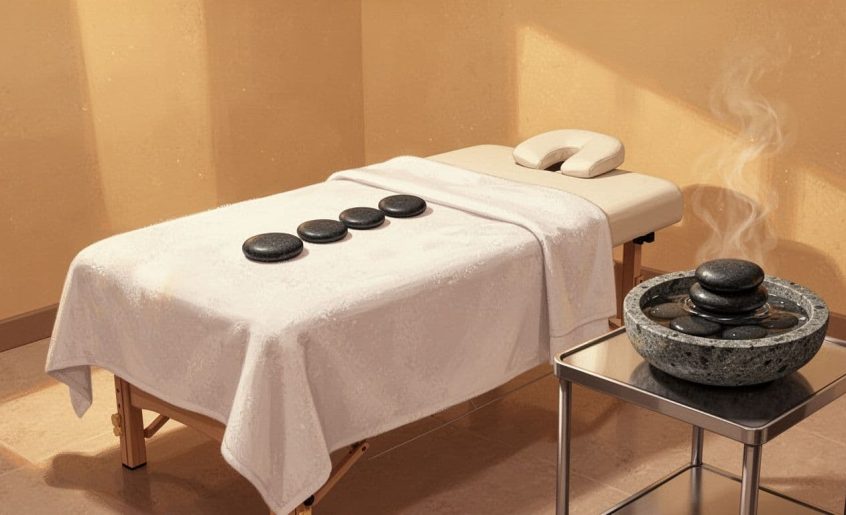
Hot Stone Massage Benefits, Safety, and What to Expect
Warm stones, slow hands, and steady heat can change the whole feel of a massage. When considering the hot stone massage benefits, you will find that these sessions offer far more than just surface-level warmth. Smooth heated stones rest on key areas of your body while your massage therapist works tight muscles with calm, measured pressure, allowing tension to ease without the strain of deep force.
This treatment is a perfect fit if you want relief and a quieter kind of reset, as it is highly effective for easing muscle tension and promoting deep relaxation, especially when stress, stiffness, or poor sleep have been catching up with you. If you are comparing options before you book, you can also take a look at current massage therapy pricing as you plan your session. Ahead, you will see how hot stone massage works, who it helps most, and what to expect before and after your appointment.
Key Takeaways
- Soothing Muscle Relief: The heat from volcanic basalt stones helps muscle fibers soften, allowing the therapist to release tension and stiffness without needing heavy, painful pressure.
- Improved Circulation and Flexibility: By warming the tissue and promoting blood flow, the treatment helps muscles move more freely and reduces that ‘creaky’ feeling caused by daily strain or inactivity.
- Deep Nervous System Reset: The combination of steady heat and rhythmic, slow massage helps calm the nervous system, making it highly effective for reducing stress and improving sleep quality.
- Customized Comfort: Unlike a standard massage, hot stone therapy is highly adaptable; therapists can adjust the placement and temperature of the stones to suit individual sensitivity and specific pain points.
Hot Stone Massage explained in simple words
Hot stone massage is a calm, body-soothing treatment that uses smooth stones to help muscles loosen up. These stones are typically made of basalt, a dark volcanic rock that holds heat well and releases it slowly, making it an excellent fit for this type of therapeutic work. In some instances, practitioners may also use smooth river stones, which offer a similar ability to glide across the skin comfortably.
The therapist places the stones on specific points and may also use them as massage tools. Warmth, steady pressure, and slow strokes work together to soften tight areas and help the body settle.
### How the stones are heated and used
The heated stones are warmed in a controlled heater or water bath before the session begins. They are not thrown onto the skin straight from the heat source. Instead, the therapist checks the temperature carefully, because the goal is comfort, not a burn.
Most sessions use stones that are warm enough to relax the muscles, usually around 110°F to 130°F. That range helps the heat sink in without overwhelming the skin. In a well-run session, the stones may rest on the back, shoulders, legs, hands, or feet, then move in slow, gliding strokes across tight areas.
The best hot stone work feels steady and soothing, not sharp or intense.
You may notice the therapist placing a stone on a tense spot, then using another stone or the hands to work nearby muscles. That mix of heat and movement is what gives the treatment its calm, heavy, melted-away feeling. For a closer look at the service setup, see the massage spa in Kilimani page.
For a broader reference on the method, WebMD’s overview of hot stone massage gives a simple summary of how the heat is used on the body.
What makes it different from a regular massage
A regular massage uses hands, pressure, and rhythm to work the muscles. Hot stone massage incorporates Swedish massage techniques, such as long strokes and kneading, but with the added benefit of soothing heat. This combination helps muscles soften faster, so the body often feels ready to relax sooner than it might with manual work alone.
That extra warmth also makes the session feel more comforting. Instead of only pressing into tight spots, the therapist uses heat as a gentle opener. As a result, many people describe hot stone massage as softer, warmer, and more settling than a standard massage.
The difference is easy to feel in practice:
- More warmth: The stones add heat right where your body needs it.
- Less resistance: Muscles often loosen more quickly.
- Deeper calm: The treatment can feel slower and more restful.
- Smoother strokes: The stones help the therapist glide with less strain on sore areas.
A standard massage may focus more on pressure alone, while hot stone massage adds a layer of heat that can make the body give in more easily. If your muscles feel stiff, cold, or overworked, that warmth can make a real difference without making the session harsh.
The real benefits people notice after a hot stone massage
Most people notice the therapeutic benefits of a Hot Stone Massage in their body first. The heat softens tight areas, the pressure feels easier to take in, and the whole session often leaves you with less mental noise. That mix is what makes the treatment feel so different from a standard massage.
The changes are usually practical, not dramatic. You may stand up with looser shoulders, a calmer mind, and less of that heavy, jammed-up feeling in your muscles. For a broader look at how massage can support well-being, see the benefits of massage.
### Why the heat can ease muscle tension
Warmth helps muscle tissue soften, so knots do not feel quite so stubborn. When heat settles into tight fibers, it effectively addresses muscle tension associated with chronic pain or conditions like fibromyalgia. This makes it easier for the therapist to work through stiffness without chasing pain with heavy pressure. Furthermore, the heat can help reduce inflammation in sore tissues, allowing for a more comfortable experience.
This is why many people feel the most relief in the neck, shoulders, lower back, and legs. Those spots tend to hold stress and daily strain, so they can stay tight for a long time. The stones act like a gentle opening move, preparing the tissue before the hands do the deeper work.
Heat does not force muscles to relax, it invites them to let go.
That slower release can make the session feel smoother overall. Instead of fighting tight tissue, the massage moves with it, and that usually feels kinder on sore, overworked areas.
How it can calm stress and support better sleep
Hot stone massage often feels like a signal to slow down. The steady heat and slow pressure can calm the nervous system, helping to manage stress and anxiety while shifting the body into a more restful state. This process is essential for improving sleep quality and fostering a greater sense of mental well-being.
The effect can be as physical as it is mental. Your breathing may slow, your jaw may unclench, and your mind may stop racing for a while. Some people notice they feel ready for bed sooner, especially after a session that takes the edge off of daily tension.
If relaxation is one of your main goals, this is where hot stone work often shines. You may not walk out buzzing with energy. Instead, you may feel settled, grounded, and more ready for sleep. If you want a deeper look at massage and recovery, massage therapy benefits cover the bigger picture.
Why circulation and flexibility may improve
Warm stones can also help the body move better. By encouraging blood flow, the treatment improves blood circulation, which brings more warmth to tired muscles and helps them feel less stiff. As the tissue loosens, joints and muscles often move with less resistance, resulting in a significantly improved range of motion and overall flexibility.
That matters when your body feels creaky or tight after long hours at a desk, a hard workout, or a busy week on your feet. Better circulation can support that lighter, easier feeling people often describe after the session. Movement may still be simple, but it feels less blocked.
In plain terms, the heat helps your body get out of its own way. You may notice easier bends, smoother steps, and less stiffness when you get up. For readers comparing treatment types, this massage in Nairobi guide explains how different massage styles support tension relief and movement.
What happens during a hot stone massage session
A Hot Stone Massage feels calm from the start because the session moves at a measured pace. You are not rushed onto the table and treated right away. Instead, the therapist first checks in, sets the tone, and prepares your body for warmth, pressure, and rest.
The experience usually feels structured but soft around the edges. You lie beneath towels or a sheet, the room stays warm and quiet, and each step builds on the last. If you want a better sense of how a session is set up, this massage spa in Kilimani guide offers a helpful look at a typical spa visit.
### Your first few minutes with the therapist
Good sessions begin with a short conversation, not with the stones. The massage therapist usually asks about your comfort, pressure level, pain points, and any health concerns that could shape the treatment. That quick chat helps them avoid guesswork and focus on what your body actually needs.
This is also the moment to speak up about heat sensitivity, sore joints, recent injuries, or areas you want treated more gently. If your shoulders are tight but your lower back feels tender, say so early. A clear answer helps the massage therapist adjust the session before the first stone touches your skin.
The best time to speak up is before the massage starts, not after something feels wrong.
You may also be asked about your goal for the visit, whether that is relaxation, muscle relief, or simple stress relief. If you want to prepare for that part of the visit, what to expect during your massage consultation can give you a useful frame.
How the therapist moves between stones and hands
Once the session starts, the practitioner usually begins with hands, then brings in the stones at the right moment. This form of heat therapy warms the muscles and helps your body settle before the heat goes deeper. After that, the heated stones may be placed on key areas such as the back, shoulders, palms, or legs.
The flow often feels like a slow tide. Some heated stones rest in place for a few minutes, while others move in long gliding strokes along tight muscles. Then the therapist may switch back to hand massage, which keeps the rhythm smooth and prevents the treatment from feeling repetitive.
A typical session can also include brief check-ins. If a stone feels too warm or you want more focus on one area, the therapist can adjust right away. For a general safety reference, WebMD’s overview of hot stone massage explains how the heat is used during treatment.
The room setup matters too. A folded sheet, clean towels, and a careful drape keep you covered while leaving only the area being worked on exposed. That steady balance of privacy and access helps the session feel secure and relaxed.
What you may feel during and after the session
During the massage, the first feeling is often deep warmth. It spreads slowly, almost like sunlight soaking into tired muscles. As the stones move, tension can ease, and the body may feel heavier in a good way, as if it finally gets permission to rest. This deep sense of relaxation is one of the most cited benefits of the service.
Many people notice their muscles soften under the heat. Shoulders may drop, breathing may slow, and the mind may quiet down a little. The treatment can also leave you feeling drowsy, especially if you were already stressed or sleep-deprived, which further encourages total relaxation.
Afterward, the response is not the same for everyone. Some people feel relief right away, while others notice the change later in the day. The body may feel looser, calmer, and easier to move, like a knot has started to loosen on its own.
A simple way to think about the after-feeling is this:
- Immediate relief: The tight area feels lighter as soon as you stand up.
- Later relief: Stiffness fades gradually over the next few hours.
- Sleepy calm: Your body feels ready to slow down and rest.
A good therapist may finish with slower strokes and give you a moment to breathe before getting off the table. That final pause matters. It lets your body settle before you step back into the day.
Who is a good fit for hot stone massage, and when to be careful
Hot stone massage works best when your body wants warmth as much as pressure. The heat can ease stubborn tightness, settle a busy mind, and make relaxation feel easier to reach.
That said, it isn’t the right choice for everyone. Your health history, skin sensitivity, and how much heat or pressure you can handle all matter. A good session starts with honesty, because comfort should lead the way.
People who may love it most
People with chronic muscle tension often feel the biggest benefit. If your neck tightens after long hours at a desk, or your lower back feels stiff by the end of the day, the warmth can help those areas soften before deeper work begins. For those managing chronic pain, the consistent heat provides a gentle way to soothe discomfort without overstimulating the nervous system.
Athletes in recovery often enjoy it too, especially after hard training. The heat can help tired muscles feel less guarded, and the slower pace gives the body a chance to settle after repeated strain.
It also suits anyone who wants pure relaxation. If you carry stress in your shoulders, sleep lightly, or feel wired most evenings, hot stone massage can feel like a long exhale. By prioritizing deep relaxation, you allow your body to decompress, which can indirectly support your immune system. For many people, that level of relaxation is just as valuable as the physical relief.
If you want a treatment menu that includes this style, massage services in Kilimani include options that fit different comfort levels and goals.
### Times when extra caution makes sense
Hot stone massage may need a pause, a medical check, or a different treatment plan if you have certain health concerns. Conditions such as pregnancy, diabetes, circulation problems, blood clots, nerve damage, skin conditions, recent injuries, fever, or uncontrolled blood pressure can change what is safe for you.
Temperature matters here, and so does pressure. A stone that feels soothing to one person can feel too hot or too intense to another. If you cannot feel heat clearly in a certain area, or if your skin bruises easily, the therapist should know before the session starts. According to the American Massage Therapy Association, stones that are too hot can burn the skin, which is why careful handling matters so much.
If something feels too hot, too sharp, or too strong, say so right away.
That simple feedback helps the therapist adjust the stones, lighten the pressure, or stop work in a sensitive area. Your comfort is part of the treatment, not an interruption to it.
When in doubt, check with a doctor first, especially if you have a recent surgery, a heart condition, or a medical issue that affects sensation or healing.
Why Aroma Spa in Kilimani is a natural place to try it
A hot stone massage feels better when the setting supports it. Warmth, quiet, and careful hands all matter, and Kilimani is a fitting place to look for that kind of experience. A nearby spa with a calm room and thoughtful service can turn a simple appointment into real rest.
Aroma Spa in Kilimani fits that mood well. The area is easy to reach, the pace feels unhurried, and the environment is right for someone who wants to slow down without leaving Nairobi behind. If you want to compare local options first, the massage services in Kilimani page is a useful place to start.
### The kind of setting that helps you unwind
The room matters as much as the stones. When the space is quiet, clean, and private, your body reaches a state of total relaxation faster because it does not have to stay alert.
Clean linens, soft lighting, and a comfortable table all help the session feel safe and settled. A smooth booking process matters too, because it starts your visit without stress or confusion.
A good spa experience often includes:
- Quiet surroundings that keep your mind from staying busy
- Private treatment rooms so you can relax without distraction
- Fresh linens and clean surfaces that build trust right away
- Easy booking and clear timing so the visit feels simple from the start
That kind of calm setup helps the heated stones work the way they should. Your shoulders drop sooner, your breathing slows, and the whole treatment feels easier to enjoy.
What to look for in a spa experience
The best hot stone massage is not just about the warmth provided by heated stones. It also depends on trained hands, clear communication, and a treatment pace that respects your comfort.
Pay attention to how the massage therapist speaks with you before the session begins. They should ask about pressure, heat sensitivity, injuries, and areas that need care. Clean equipment and safe temperatures are just as important, because the heat should feel soothing, never sharp or risky.
A good therapist checks in before, during, and after the massage. That simple habit says a lot.
A thoughtful provider also keeps the rhythm steady. They do not rush through the treatment or pressure you into more than you want. In a setting like Aroma Spa, that personal attention can make the session feel more restful and easier to trust.
How to make the most of your visit
A few small choices can make the benefits last longer. Arrive a little early so you can settle in, use the restroom, and start the session without rushing.
Afterward, drink water and keep your next few hours light. Your body has just taken in heat and pressure, so a slower schedule gives it room to keep relaxing. If you can, avoid stacking errands or a hard workout right after the massage.
A gentle finish helps the treatment stay with you. You leave the room, but the calm can follow you home.
Frequently Asked Questions
Is the heat from the stones ever too intense?
No, a professional therapist carefully regulates the temperature of the stones—typically between 110°F and 130°F—to ensure it is soothing rather than burning. You should always speak up immediately if any stone feels too hot so the therapist can adjust the temperature or placement for your comfort.
How does hot stone massage differ from a regular massage?
While both styles use similar Swedish massage strokes, hot stone therapy incorporates heated stones as both a resting tool and a massage extension. This added warmth allows your muscles to soften much faster, making the overall experience feel more restorative and less demanding on the body.
Who should avoid getting a hot stone massage?
Individuals with conditions like diabetes, poor circulation, certain skin sensitivities, blood clots, or high blood pressure should consult a doctor before booking. If you have any recent injuries, fever, or health concerns that affect your ability to feel heat, it is vital to disclose this to your therapist during your initial consultation.
Do I need to do anything after the massage?
It is recommended to drink plenty of water to stay hydrated and keep your schedule light for the next few hours to allow your body to fully process the relaxation. Avoiding intense workouts or stressful errands immediately after your session will help you maintain that calm, grounded feeling for as long as possible.
Conclusion
A hot stone massage brings together steady heat, slow pressure, and a calm pace that helps tight muscles soften without forcing the body. By considering these primary hot stone massage benefits, it is easy to see why so many people choose this treatment when they want relief that feels gentle, warm, and unhurried.
The session helps soothe muscle tension, supports circulation, and encourages deep relaxation to settle the mind. When the room is quiet and the therapist works with care, the experience acts as a full-body reset that helps quiet stress and anxiety long after you leave the table.
If you want a clearer picture of how the treatment works, the hot stone massage guide gives a simple breakdown. When you are looking for a way to combine comfort with lasting relief, this is one treatment that makes room for both.